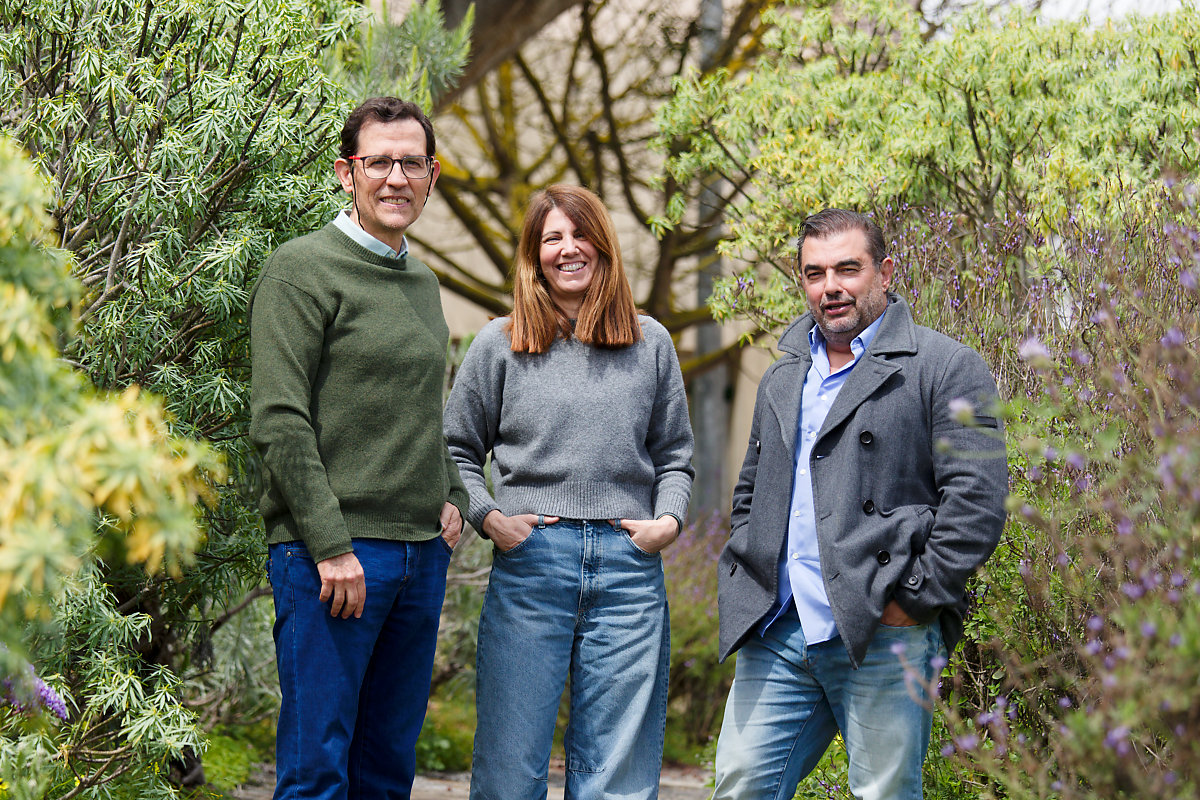
Due to its geographical conditions, subtropical latitude, volcanic soils, and diverse vegetation, the Canary Islands boast a rich variety of plants and trees, resulting in a layered vegetation system. Just a few kilometers from the high-mountain scrubland lies the pine forest, adapted to dry environments. Further down, mist drifts through the laurel forest, while in the populated areas, the thermophilic forest struggles to survive.
What is happening to the forests of the Canary Islands? Every March 21st, International Day of Forests is celebrated, coinciding with the start of spring in the Northern Hemisphere and the beginning of autumn in the Southern Hemisphere. Three researchers from the area of Ecology From the University of La Laguna, some key points stand out.
“The biodiversity of the Macaronesian region —comprising the Canary Islands, Azores, Madeira, Savage Islands and Cape Verde— is threatened,” it notes. José María Fernández-Palacios, Professor of the Island Ecology and Biogeography research group at the University of La Laguna. However, he adds: “The situation in the Azores and Cape Verde is very regrettable, due to the intense alteration caused by human activity, while in the Canary Islands and Madeira they are better preserved, which gives us greater opportunities to protect them.”.
Abandonment of the primary sector
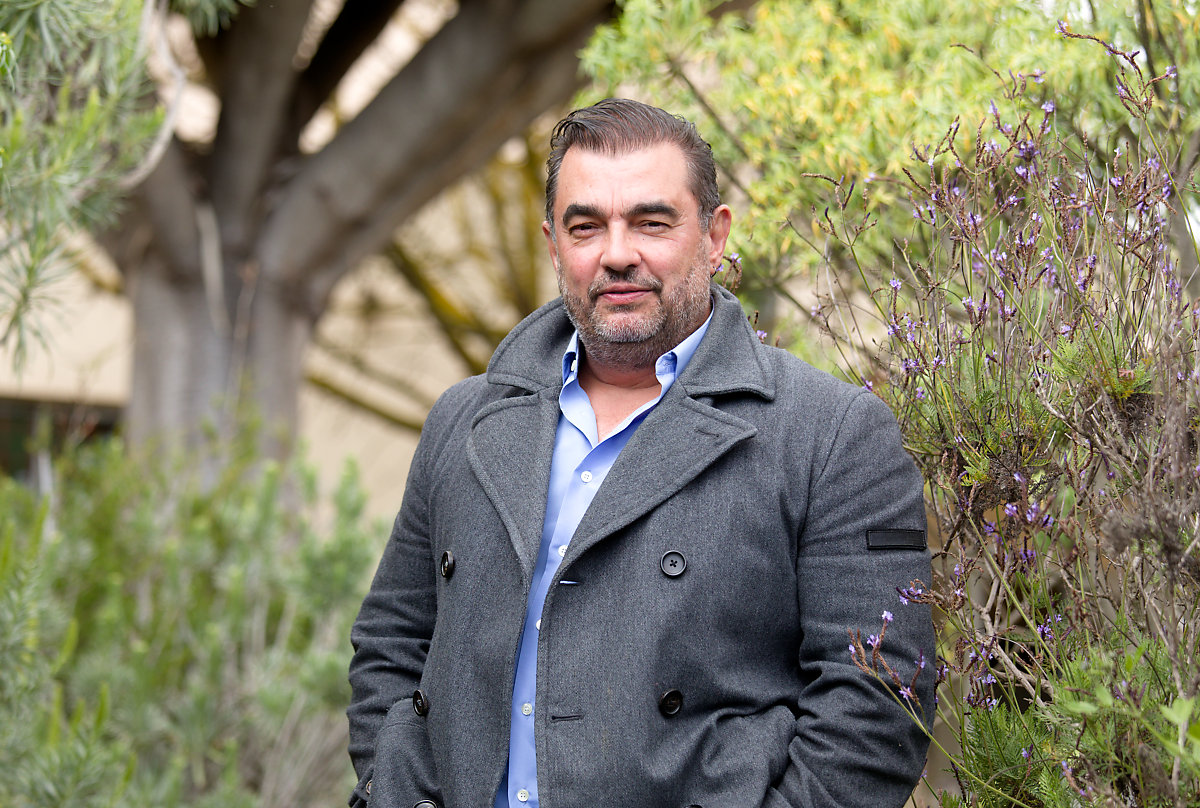
José Ramón Arévalo
One of the challenges is managing the abandonment of agricultural uses. José Ramón Arévalo, Professor [Name], head of the Integrated Pest and Disease Control of Plants research group at the University of La Laguna, points out that, since the 1960s, the forest area has undergone a remarkable recovery. “In fact, some 80,000 hectares of forest have been recovered in the last 25 years,” he states.
This phenomenon is linked to a shift in the economic model, which moved from one based on the primary sector, with its low economic returns, to one more oriented towards the service sector. As a result, it was no longer necessary to obtain all resources within the archipelago, and there became greater dependence on imports. In this context, tourism has acquired an increasingly important role. Lea de Nascimento, A lecturer with a doctorate from the Island Ecology and Biogeography group at the University of La Laguna points out that another important challenge is the management of recreational use of forests. “There is an increasing amount of tourism and outdoor activities, which requires regulation and monitoring,” she warns.
The abandonment of agricultural land has facilitated the natural expansion of the laurel forest. Therefore, Fernández-Palacios and De Nascimento believe that this forest does not require significant investment in restoration. However, regarding climate change, there is uncertainty about the cloud cover, which is fundamental to the laurel forest. “The cloud cover allows the laurel forest to counteract the extreme aridity of summer,” explains Fernández-Palacios.
Laurisilva, pine forest and thermophilic forest
The laurel forest It is a subtropical forest found in extratropical latitudes. In some regions with a Mediterranean climate, such as the Canary Islands, it manages to survive thanks to the shelter provided by the sea of clouds. However, if this cloud layer were to descend towards the coast, it would pose a problem, as these areas are occupied by urban developments and crops. In contrast, its ascent towards the summit would be less concerning, because there would still be room for its conservation. "However, there are models that predict the dissipation of the sea of clouds," notes Fernández-Palacios. "If that were to happen, the laurel forest would disappear," he adds. Nevertheless, to date, no model is able to offer a prediction about the future of this phenomenon.
The pine forest, for its part, received a major boost in the 1950s thanks to reforestation efforts, which explains the extensive pine stands that exist today. It is true that in some cases exotic species were used, so it would be advisable to restore natural stands of Canary Island pine and thin out overly dense plantations. Nevertheless, the pine forest has a great capacity for adaptation and will continue to expand on some islands. Fernández-Palacios highlights the work of the Canary Island forestry engineers with the reforestation projects during that period, who ensured that 951% of the restorations were carried out with Canary Island pine, instead of species such as radiata pine or stone pine.
He thermophilic forest It is the most damaged ecosystem and where the greatest restoration efforts must be concentrated. “Over time, it has lost a large part of its area, and now very little remains, making natural regeneration virtually impossible,” says Fernández-Palacios. Although great efforts have been made to understand its composition and ecological processes, restoration remains complex due to its scarcity. Therefore, it requires active intervention. One of the main obstacles in this process is its location in the mid-altitude areas, where land ownership is fragmented among many owners.
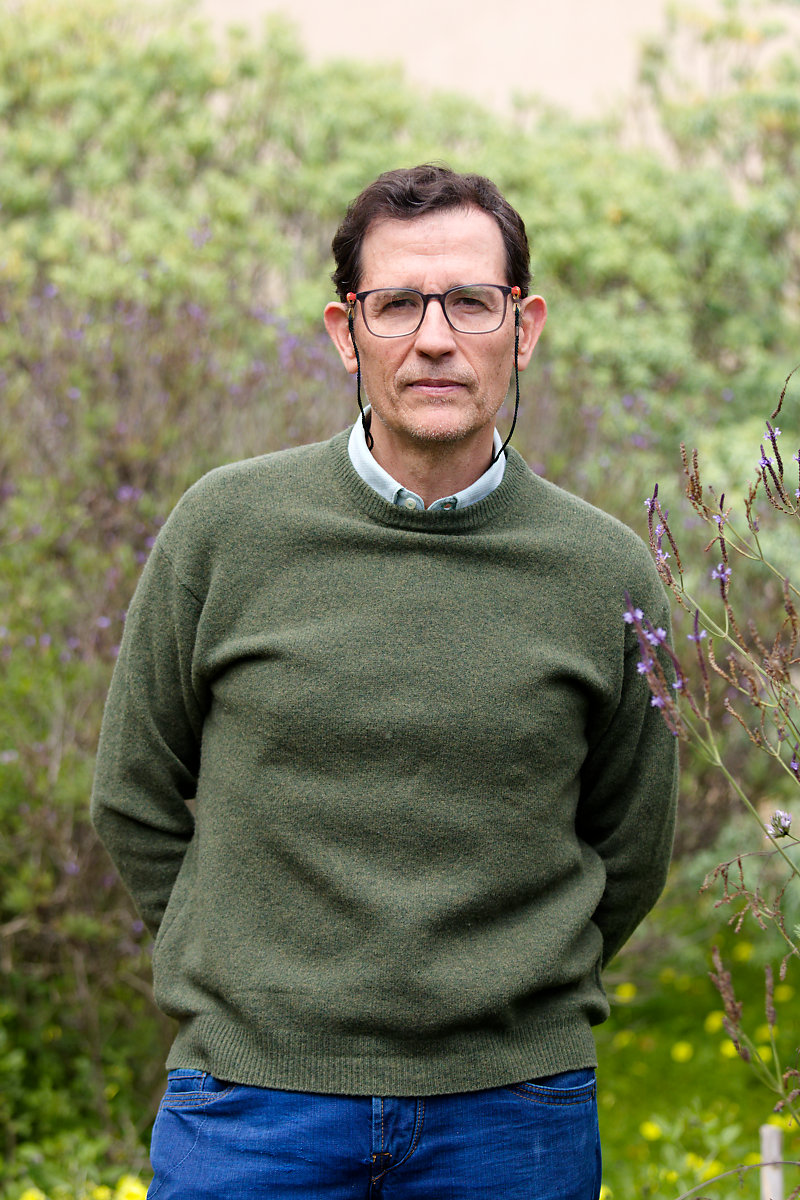
José María Fernández Palacios
Fernández-Palacios states that an interesting strategy being developed by some administrations is the purchase of land parcels. “Land is acquired from entities like the diocese, which has inherited it but doesn't use it, and it's designated for restoration,” he explains. On the other hand, Arévalo believes that an effective way to involve local communities is through land stewardship. This model, in which environmental groups manage and restore areas, could also be applied to the purchase of degraded land. This strategy has been successful in some African countries, as well as in the United States and Canada.
Macaronesia, a separate entity
This need for protection becomes even more relevant when considering that Macaronesia forms a unique biogeographical entity. Its territories share a series of floristic elements that support its recognition as a region with its own identity, differentiated from the Mediterranean by its internal cohesion.
The botanist Philip Barker Webb coined the term Macaronesia in 1849. Fernández-Palacios points out that, although this concept has been widely recognized for a long time, it has recently begun to be denigrated, as many experts, especially in the fields of marine environment and zoology, consider it an abstraction.
“They believe that the Azores should be placed within Atlantic Europe, Cape Verde within tropical Africa, and perhaps Madeira and the Canary Islands within the Mediterranean,” explains Fernández-Palacios.
Thus, several researchers from all the archipelagos, including Fernández-Palacios and De Nascimento, published in 2024 a article entitled “In defense of the entity of Macaronesia as a biogeographical region” in which they present various pieces of evidence to the scientific community that demonstrate that Macaronesia has its own identity.
First, the three northern archipelagos—the Azores, Madeira, and the Canary Islands—share the same plant community that existed in the Tertiary period in the Mediterranean and Central Europe, known as the paleotropical geoflora, which is now recognized as laurisilva (laurel forest). Fernández-Palacios clarifies that this is a much impoverished version of the one that existed back then.
On the other hand, Madeira, the Canary Islands, and Cape Verde make use of a biogeographical element known as the Rand Flora, which corresponds to the flora of the margins of the African continent and is especially rich in species of the coastal sea and the thermophilic forest.
And finally, all the archipelagos have neo-endemic species of Mediterranean origin. “These are species that arise on the islands from ancestors that arrive from the Mediterranean and then give rise to many new species on the islands,” says Fernández-Palacios. “But on the islands, it's not only through these ancestors that they are transmitted in situ, "But they also jump to the nearest archipelagos," he adds.
Thus, Fernández-Palacios and De Nascimento point out that the internal cohesion of Macaronesia cannot be ignored. Despite the climatic differences between some of its archipelagos, it is crucial not to underestimate its historical dimension.
Paleoecology
In this sense, paleoecological studies have made it possible to reconstruct the changes experienced by the forests of the Canary Islands over time, influenced by both natural factors and human activity. Thanks to environmental records such as pollen, phytoliths, and charcoal, de Nascimento has obtained key information, such as that provided by a record from Gran Canaria that covers the entire Holocene and demonstrates the evolution of these ecosystems in relation to climatic phenomena that occurred on a regional scale.
The researcher highlights the end of the African humid period, when North Africa transitioned from savanna-like vegetation to the Sahara Desert. This aridification of North Africa also affected the Canary Islands' ecosystems, causing changes in the composition of the Garajonay forest.
Furthermore, analysis of the fossil record has allowed researchers to trace the history back to the last glacial maximum, when changes in forest composition were identified. During this period, the laurel forest expanded and contracted in northern Gran Canaria, while the pine forest also exhibited variations depending on whether the climate was colder or warmer.
However, beyond natural changes, the Canary Islands' forests have also been subjected to human pressure since the arrival of the first settlers during the pre-conquest period. “It is clear that, later, in the post-conquest era, there was a significant impact due to forest exploitation, timber extraction for sugarcane cultivation, livestock farming, and frequent fires. Nevertheless, until now, it was not known for certain what had happened before the conquest,” says de Nascimento.
Use of fire
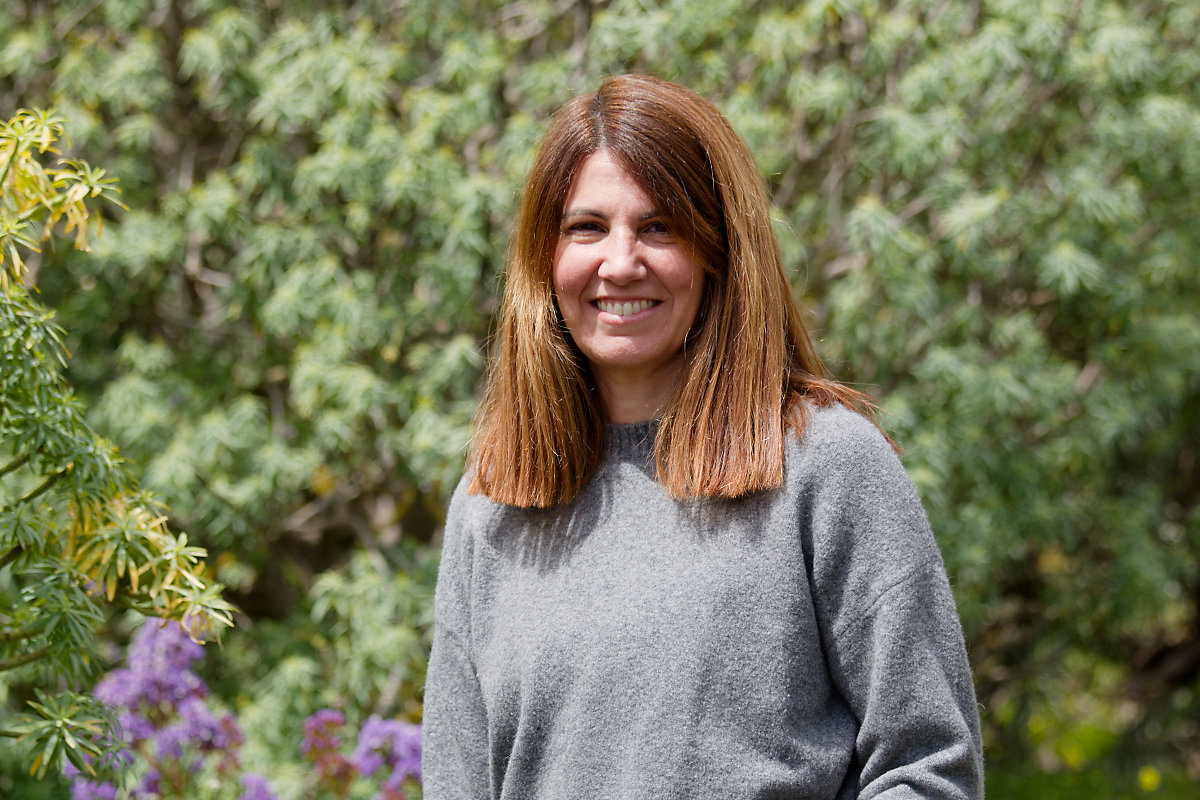
Lea de Nascimento
Their studies have revealed that, after the arrival of the indigenous people, charcoal fragments increased, suggesting that they used fire as a forest management tool, just as other cultures have done in different parts of the world. “We believe they used it to clear the forest, promote pastures, and prepare land for cultivation,” says De Nascimento.
The use of fire as a forest management tool led to changes in forest composition. Although trees remained, shrubs and grasses began to gain prominence. In some cases, the forest even disappeared entirely, as happened with the thermophilic forest of the Valleseco lagoon in Gran Canaria, where a signal of juniper pollen has been detected that progressively diminishes after the arrival of humans. Furthermore, tree species from the beech family (Fagaceae) have been identified, but their exact identity has not yet been determined, as there was no record of them having lived in the Canary Islands. These species disappear from the record after the arrival of the first settlers.
Is it possible to determine the frequency of fires using charcoal records and compare it to the present day? “Right now, with our paleoecological techniques, we can only identify fire events, which are those increases in the charcoal record,” says De Nascimento. He adds, “We can see periods with more fire events and others with fewer, but it’s very difficult to accurately determine the frequency of fires.” They are currently working to provide data on the number of fires per time interval.
Forest fires, far from being an anomaly, are part of the natural dynamics of ecosystems and occur when environmental conditions are favorable. According to Arévalo, the ecosystems of the Canary Islands are highly adapted to fire. However, the problem is not fire itself, but the impact of population growth and urbanization, as fires pose a risk to human safety and infrastructure.
“The dynamics of small fires have shifted to large fires today, which are more dangerous because we have become more vulnerable and have transformed forest areas,” explains Arévalo. He also emphasizes the importance of understanding the role of fire in forest conservation: “If we want to preserve forests, we must understand that fire is part of their natural dynamics.” Even so, ecosystems have a great capacity for recovery. “Although the process is not immediate, in a period of between five and 15 years, depending on the area, the forest can be quite recovered,” he points out.
However, ecosystem recovery doesn't always happen without obstacles. One of the challenges in disturbed areas is the proliferation of invasive species, such as gorse or fountain grass. Arévalo, who has studied them, states that these species are not the cause of degradation, but rather a symptom of it. Their spread is usually related to the transport of propagules and human disturbances, such as road construction or overgrazing. "There are particularly sensitive ecosystems, such as thermophilic forests or pine forests, which can be severely affected by invasive species if their environment is disturbed," he points out.
(This report is an initiative framed within the InvestigaULL Commemorations Calendar, a scientific dissemination project promoted by the University of La Laguna).
Scientific Culture and Innovation Unit (Cienci@ULL)

 Spanish
 English
 French