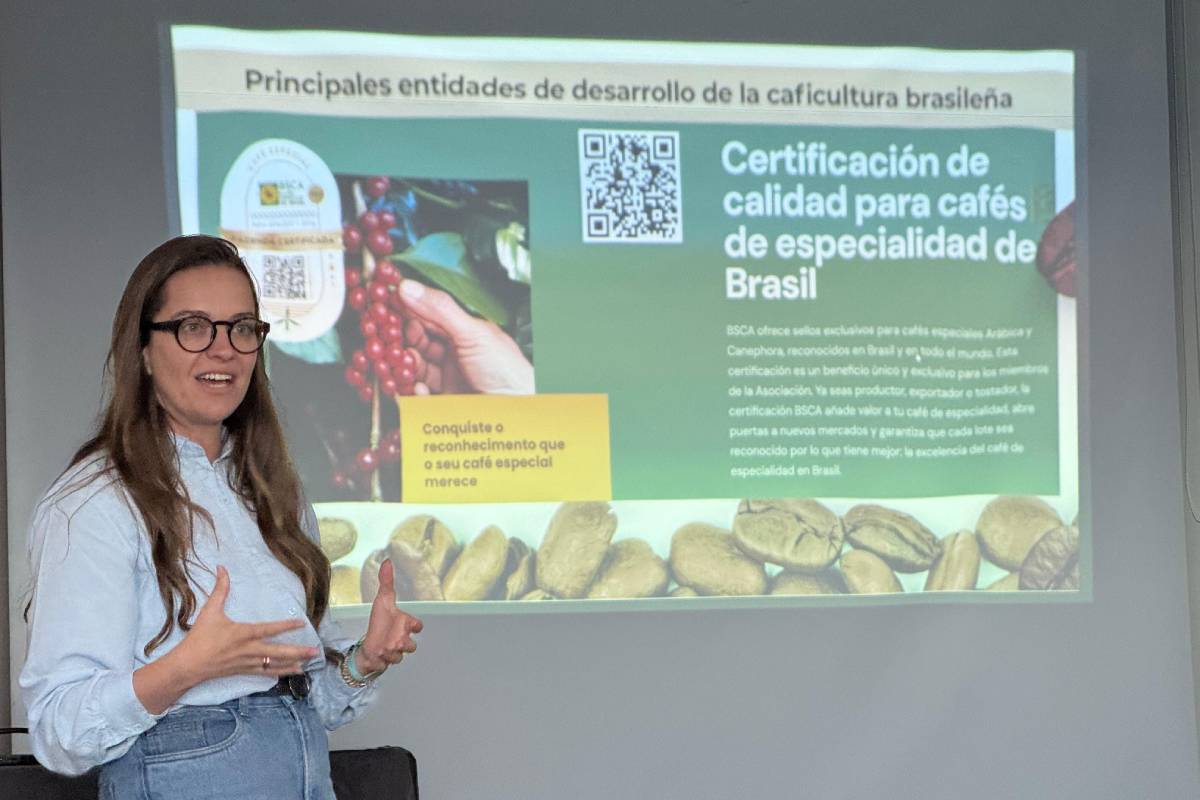
The Autumn University of La Palma held on November 17 and 18 the course "Introduction to Applied Sensory Analysis: Comparative Study of Wine and Coffee Productions in the Canary Islands and Brazil", an initiative promoted by the University of La Laguna and the Island Council of La Palma, under the academic direction of the Chair of Agritourism and Enotourism of the Canary Islands of the Canary Institute of Agrifood Quality and the University of La Laguna.
The activity, held at the H10 Taburiente Playa Hotel in the municipality of Breña Baja, brought together around twenty participants including students, professionals and people interested in learning about the characteristics of two products of great economic, cultural and gastronomic importance: wine and coffee.
The program introduced participants to key sensory analysis techniques through a hands-on experience focused on tasting and comparing products from both regions. Specifically, participants tasted coffees from La Palma and Brazil, as well as wines from the Canary Islands and Brazil, with the aim of identifying their organoleptic characteristics, differences, and distinctive features.
The course included the participation of Jesús Enrique de las Heras Roger, Gabriel Santos García, Juliana Toniolo Rossatto and Daiane Angela Badalotti, who contributed their knowledge and experience regarding production processes, the characteristics of raw materials and the sensory evaluation of these products.
One of the main focuses of the training was the contrast between two very different production realities. On the one hand, there is Canary Island wine production, characterized by varietal uniqueness, diverse microclimates, the influence of volcanic soils, and the distinctive features of heroic viticulture. This is a model in which the orographic and climatic conditions shape vineyard work and contribute to defining the identity and personality of the archipelago's wines.
On the other hand, Brazil offered a different perspective through the scale of its agricultural operations, the mechanization of its processes, and the incorporation of innovative methods in both its coffee plantations and wine production. This contrast allowed for a deeper understanding of the influence of the land, climate, varieties, and cultivation techniques on the final characteristics of each product.
From the Chair's academic leadership, Jesús Enrique de las Heras Roger and Gabriel Santos García addressed the specifics of sensory analysis and the characteristics of wine and coffee production from their respective fields of expertise. Meanwhile, sommelier Juliana Toniolo Rossatto and oenologist Daiane Angela Badalotti contributed the Brazilian perspective, introducing participants to the unique aspects of their production systems and the characteristics of their coffees and wines.
The practical tasting sessions were a central element of the event, offering participants the opportunity to directly compare products from the Canary Islands and Brazil. The experience allowed them to work on aspects such as identifying aromas, flavors, textures, and other attributes involved in sensory evaluation, as well as understanding the influence of origin and production processes on the final result.
This initiative is part of the commitment of the University of La Laguna and the La Palma Island Council to promote specialized training and knowledge exchange in areas related to the primary sector, agri-food production, and tourism. In this context, the Canary Islands Chair of Agritourism and Wine Tourism, a joint initiative of the Canary Islands Institute of Agri-Food Quality and the University of La Laguna, plays a key role in connecting academic knowledge, economic activity, and the enhancement of territorial resources on the island of La Palma.

 Spanish
 English
 French