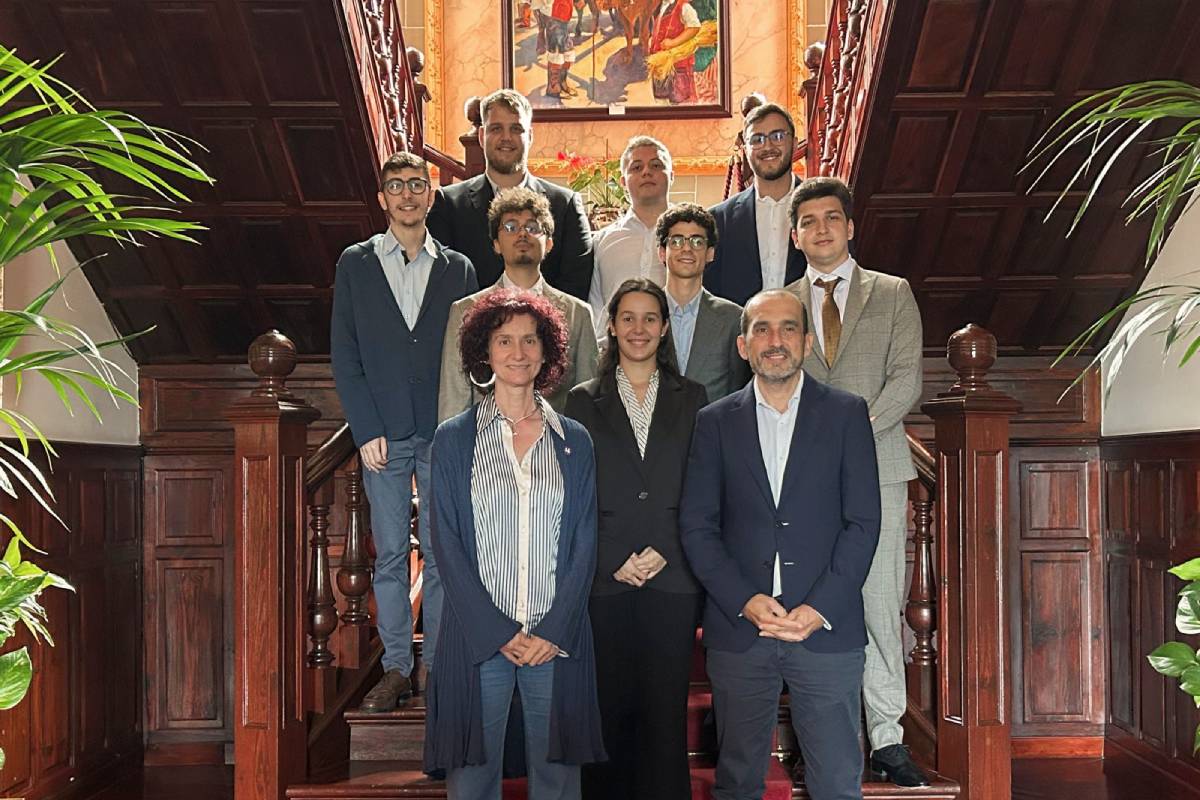
Teams of students from the two public universities in the Canary Islands competed in a debate league on November 20th at the Liceo Taoro library (La Orotava) as part of Retofest, organized by the Vice-Ministry of Territorial Planning and Demographic Challenge of the Government of the Canary Islands. The central theme of the debates was "Is investment in public universities the best tool to reduce inequalities among young people in the Canary Islands?" Each team had to defend opposing positions drawn beforehand.
After the jury's deliberation, the team from the University of Las Palmas de Gran Canaria emerged victorious in the competition, although the University of La Laguna received an important individual recognition: Óscar Pérez Pérez was awarded the prize for best speaker, highlighting his communication skills, presentation and defense of arguments.
The team from the University of La Laguna consisted of four law students: Óscar Pérez Pérez, Paul Ramos Calvo, Daniel Medina Carballo, and Miguel Pérez Álvarez. Representing the University of Las Palmas de Gran Canaria were Daniel Jiménez Watkins and Luis Curbelo, both economics students; Ettore Giulio Cicale, an industrial and automatic electronics engineering student; and Claudia Vega García, a primary education student.
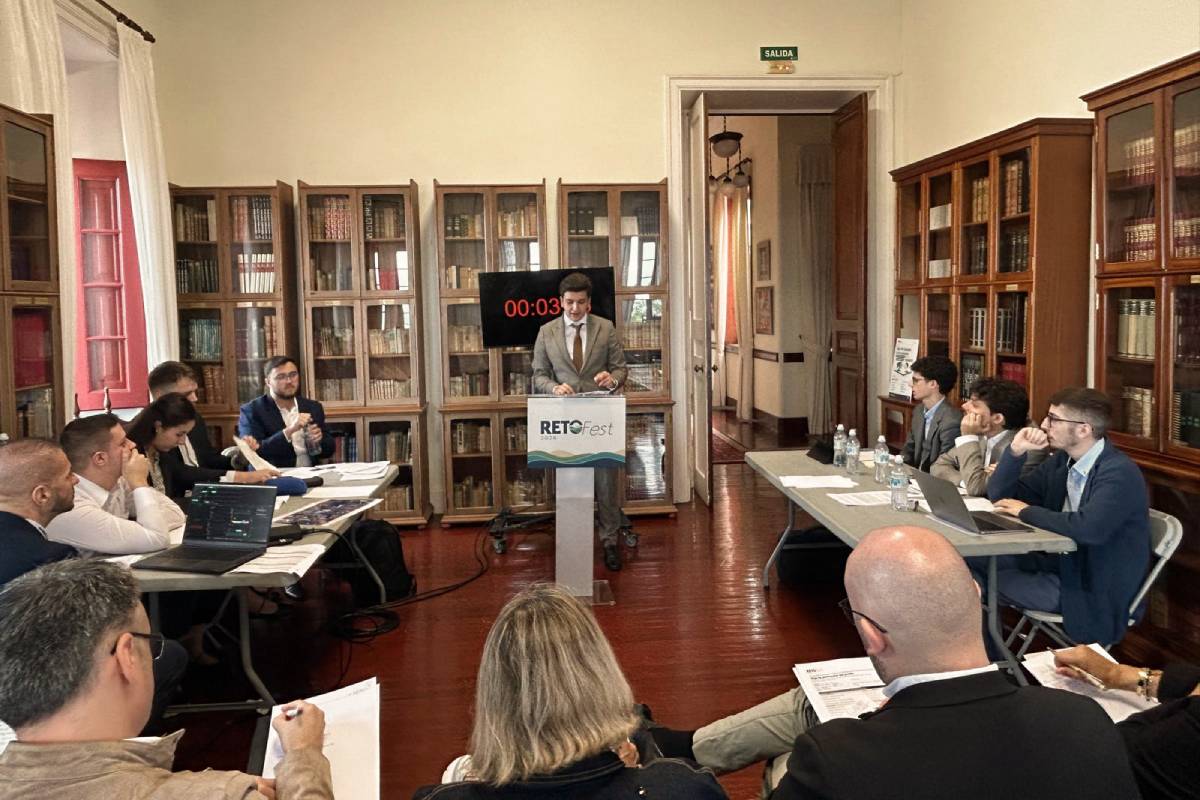 The team from the University of La Laguna, tasked with defending the opposing viewpoint, focused their arguments on the socioeconomic inequalities that shape educational opportunities from the earliest stages of life. From this perspective, they argued that greater investment should also be directed toward earlier levels of education, where many of the barriers to university access originate, and toward addressing problems that can persist even after completing a university education, such as difficulties in finding housing, achieving financial independence, or securing employment commensurate with one's qualifications.
The ULPGC team defended the affirmative response, arguing that public universities are an essential tool for promoting equal opportunities. Their presentation highlighted how access to higher education can help young people from disadvantaged socioeconomic backgrounds improve their job prospects and overcome some of the limitations stemming from their origins.
The jury consisted of Rocío Medina López and Elías Falcón Báez, representing the University of La Laguna; Alejandra Sanjuán Hernán-Pérez and Mario Alberto Roldán Hernández, representing the University of Las Palmas de Gran Canaria; and David Coiduras León, representing the Canary Islands School Council. The session was moderated by Nico Jorge Rodríguez.
Beyond the results, the day was marked by respect, cordiality, and camaraderie among the participants. The Debate League provided an opportunity to strengthen ties between the two public universities in the Canary Islands and to reaffirm debate as a fundamental tool in university education, capable of fostering critical thinking, active listening, and the constructive exchange of ideas.

 Spanish
 English
 French