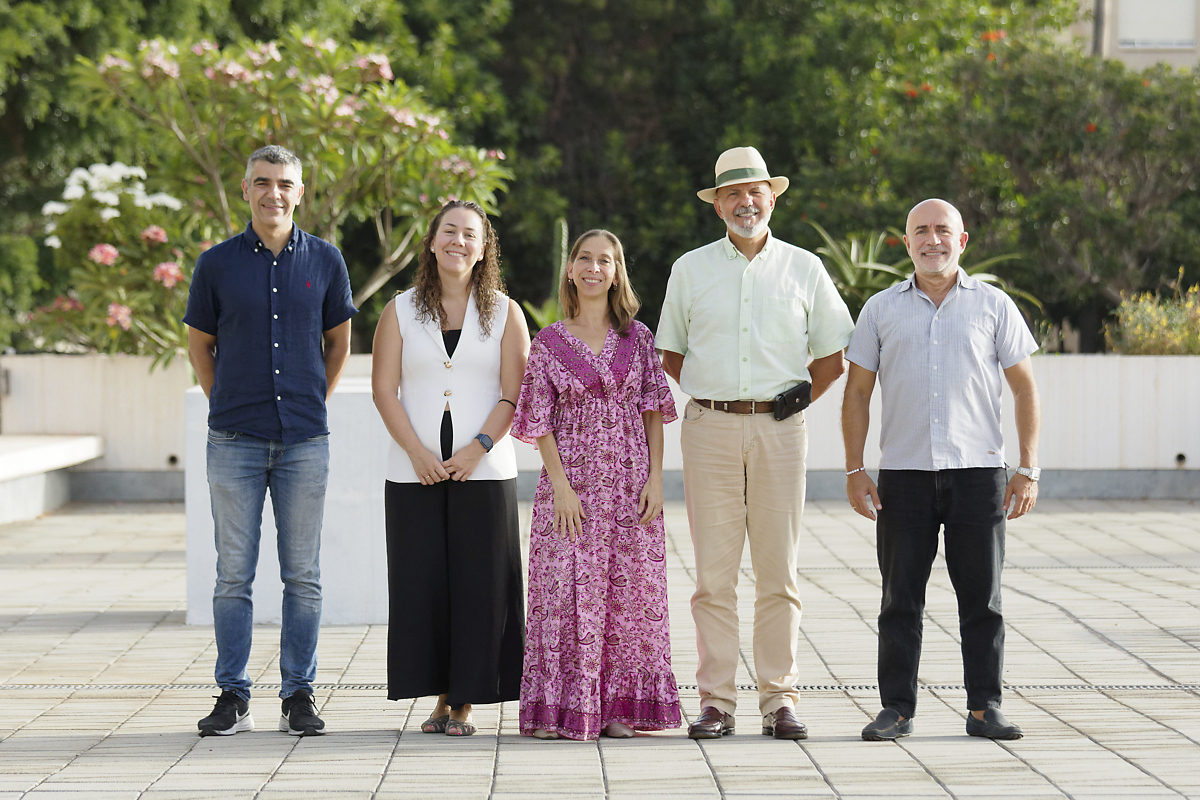
Cardiovascular diseases remain a major global health problem. The World Health Organization considers them the leading cause of death worldwide, estimating that they caused 19.8 million deaths in 2022. At the same time, the WHO points out that many of the factors that increase cardiovascular risk can be prevented or modified through changes related to tobacco use, diet, physical activity, and obesity prevention.
Behind these figures, however, lies a much more complex reality. The heart doesn't depend solely on a specific diet or the number of hours a person spends exercising. Genetics, aging, working conditions, income, where one lives, and even air quality are all part of an equation involving many factors.
For decades, cardiovascular research has identified many of the factors involved in the development of heart disease. Some of these are now widely known, but their integration into everyday knowledge has been the result of years of research, prevention campaigns, and social changes.

Antonio Cabrera.
Antonio Cabrera, Professor and researcher in the area of Preventive Medicine and Public Health at the University of La Laguna, notes that this transformation has been especially significant in recent years. “We have identified major risk factors that have become part of popular culture, but this wasn't the case 20, 30, or 40 years ago,” he explains. He adds that “sedentary lifestyles, obesity, smoking, and cholesterol remain the four major risk factors today.”.
Factors that have changed prevention
The change is especially visible in tobacco consumption. The researcher points out that, just a few decades ago, smoking was part of the daily habits of a very high proportion of the population: "At the end of the 1970s, more than 70% of men may have been smoking.".
Furthermore, the population's relationship with physical activity has changed. The professor points out that it used to be uncommon for a 60-year-old to incorporate walking or exercise into their routine. Today, however, "older adults are much more active and healthy," Cabrera notes. Physical exercise has thus emerged as one of the fundamental tools for reducing cardiovascular risk. But exercising doesn't necessarily mean running long distances or training for hours. Alberto Domínguez, A tenured professor affiliated with the Canary Islands Health Service at the University of La Laguna and a cardiologist at the University Hospital of the Canary Islands (HUC), points out that the goal should be to abandon a sedentary lifestyle. “Exercise is probably the best medicine there is, and on top of that, it’s free,” he insists.
For their part, David Funes, A professor in the Department of Basic Medical Sciences states that there is no single activity that can be considered superior to others from a heart-health perspective. “Walking, running, or cycling—you can do anything from a cardiovascular health standpoint,” he explains.
Move to protect your heart
The choice, however, should be tailored to each person's individual characteristics. Age, physical condition, medical history, or even certain joint problems can make some activities more suitable than others. For example, Funes points out that for older people or those with osteoarthritis and excess weight, lower-impact exercises such as cycling, swimming, or walking may be more advisable.
In any case, the initial message is simple: “It’s better to move than not to move,” the professor points out. Intensity also matters. Walking leisurely is not the same as walking at a pace that raises your heart rate and breathing. General recommendations aim for around 150-300 minutes of moderate physical activity per week.
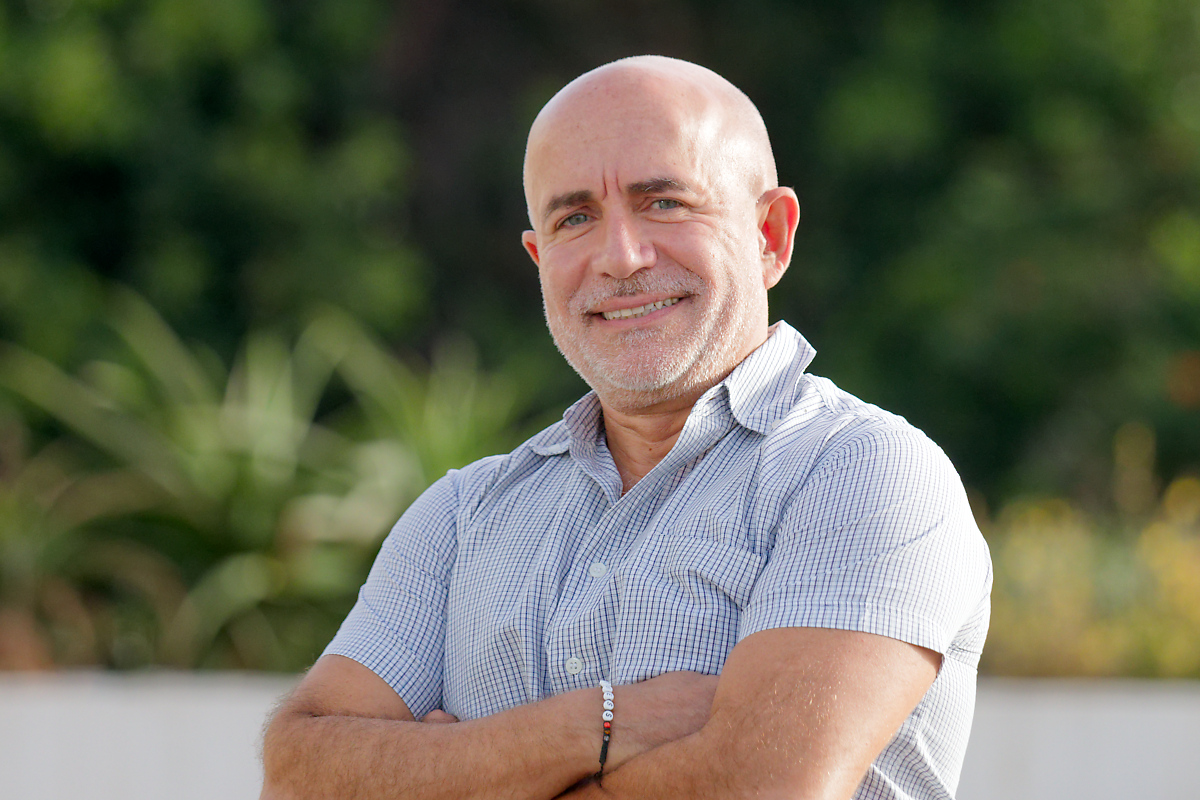
Alberto Domínguez.
Alberto Domínguez agrees that it's not necessary to start with strenuous efforts. "The person who benefits most is the one who goes from doing nothing to doing something; you don't need to run marathons, you just need to start," he states. Walking can be precisely that first step. Furthermore, he believes that doing it daily is "the ideal starting point" for many people, although he distinguishes between a leisurely stroll and a sporting activity that involves moderate exertion.
From there, gradually incorporating hills, stairs, cycling, or swimming can increase the intensity. But cardiovascular exercise shouldn't be limited to endurance work. David Funes points out that strength training has become increasingly important for heart health.
“While endurance exercise has always been prescribed for its cardiovascular benefits, strength training is now also becoming increasingly popular,” the researcher explains. This is because it is a type of exercise that can improve blood pressure, blood vessel elasticity, and insulin sensitivity.
Age does not dictate a single path.
The importance of this combination increases with age. Funes explains that the body's maximum capacity to use oxygen decreases with age, and this decline is more pronounced in sedentary individuals. Simultaneously, there is a progressive loss of muscle mass, known as sarcopenia.
“At 30, you have to build. At 50, you have to preserve,” the teacher summarizes. In later life, the focus shifts to maintaining autonomy, balance, strength, and the ability to perform daily activities. An opinion shared by [name/company]. Ingrid Morales, Professor in the Department of Basic Medical Sciences: “When you’re young, you have to gain a lot of muscle mass and then maintain it, always under the supervision of professionals.” As the years go by, the goal shifts from gaining muscle mass to preserving it and, ultimately, to preventing its loss from compromising independence.
The researcher insists that age alone does not determine what physical exercise a person should do: “It doesn’t just depend on age, but also on where you’re starting from.” She also points out that a physically active 70-year-old may have a completely different situation than someone of the same age who has never exercised. In these cases, progression should be gradual and take into account any pre-existing conditions, balance problems, or physical limitations.
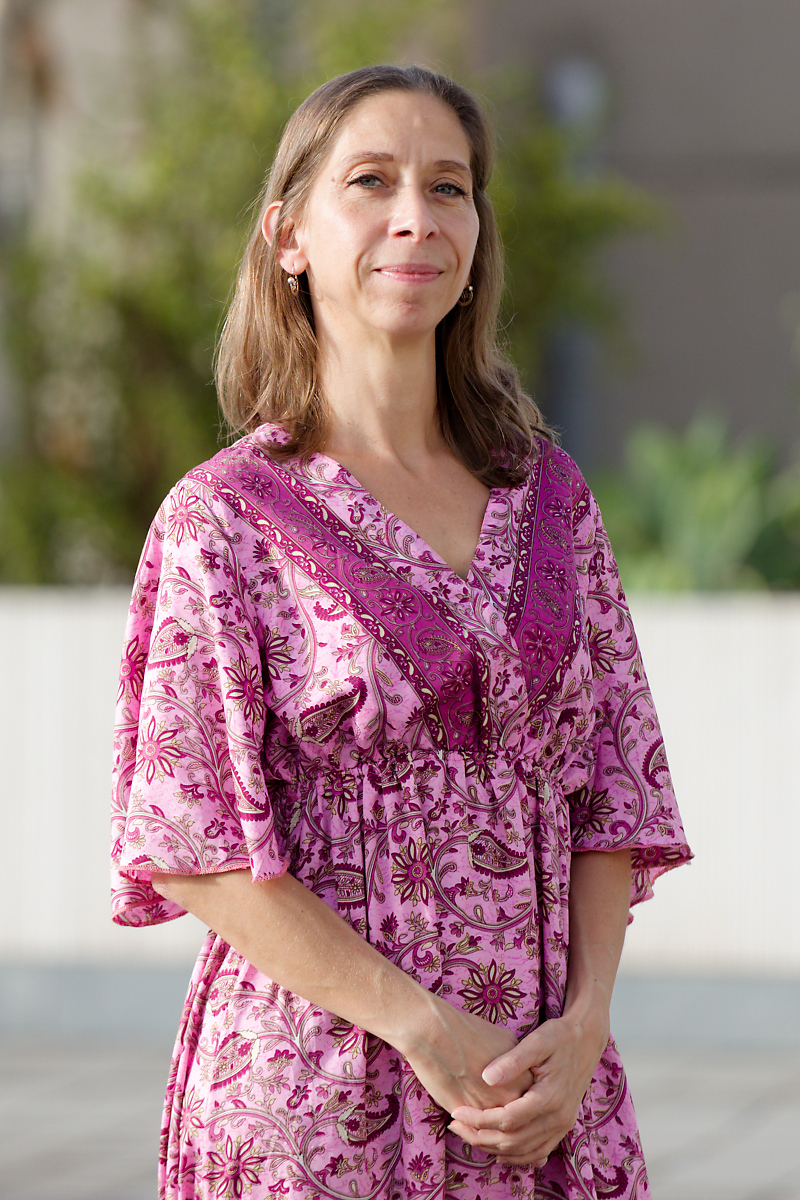
Ingrid Morales.
Breaking with a sedentary lifestyle
Physical exercise isn't limited to just going to the gym or playing sports. A person can work out several times a week and yet remain seated for many hours each day. Morales draws attention to this phenomenon and raises the need to break up prolonged periods of inactivity. "Every half hour or hour, get up and take a walk or do a two- or three-minute activity," she suggests.
David Funes defines these actions as incidental physical activity, that is, activity that is part of everyday life. Climbing stairs, carrying shopping bags, walking to get around, or getting up periodically during the workday also contribute to reducing sedentary time.
The professor warns that physical exercise should be done “in healthy doses.” Excessive volume or intensity can lead to fatigue and increased physiological stress. “If the intensity of the exercise is always very high and constant, instead of generating cardiovascular benefits and preventing stress, it generates the opposite,” he explains. Morales, for his part, reminds us that the body needs time to adapt to the stimulus of exercise and develop the muscular and metabolic changes associated with training. “You have to take rest periods so your body can adapt,” he points out.
Researchers warn that the popularization of certain sports disciplines is adding to this problem, creating new risks when exertion is confused with health. Funes believes there is increasing pressure to conform to certain aesthetic standards in the fitness world and warns of potential eating disorders, the use of performance-enhancing drugs, and high-intensity workouts performed without proper technique.
Experts also emphasize that preventing cardiovascular disease involves more than just providing information; it requires support and conditions that allow for long-term sustainability. And this raises a point that runs through much of the research on the heart: not everyone starts from the same place.
Itahisa Marcelino, A professor in the area of Preventive Medicine and Public Health, she studies cardiovascular and metabolic diseases from the perspective of what are known as complex diseases. These are pathologies in which numerous factors are involved, making it difficult to pinpoint a single cause. “When you need many contributing factors for a disease to develop, that’s when we talk about complex diseases,” she explains. The researcher uses this concept to explain how the risk of developing these types of conditions is assessed: “You may have a certain genetic predisposition, but what you do throughout your life can change things,” she points out.
Furthermore, knowing your predisposition to these diseases can help strengthen prevention efforts. Marcelino explains, “If you acknowledge your underlying risk but make an effort to maintain a healthy weight and exercise, you gradually reduce insulin resistance and minimize your chances of developing these conditions.”.
In the Canary Islands, one of the issues that continues to generate scientific interest is the high prevalence of diabetes and its consequences for cardiovascular health. In the archipelago, 151% of the population suffers from this disease, one of the highest incidence rates in Spain and Europe. However, medical concern is not only related to how many people have diabetes, but also to how the disease progresses: “In the Canary Islands, there is a much higher number of people on dialysis, amputations, or blindness due to diabetes than in any other autonomous community,” says Marcelino.
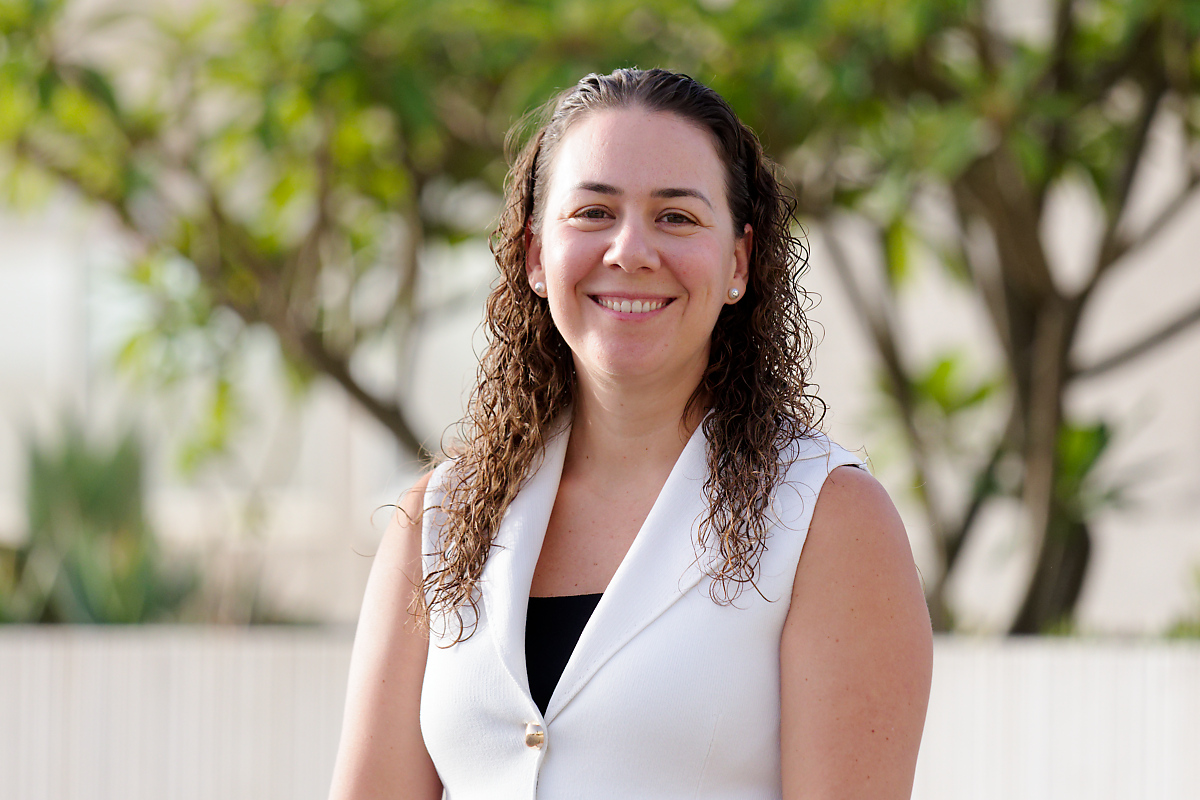
Ithaisa Marcelino.
Inequality also makes you sick.
Cardiovascular prevention is not achieved under the same conditions for the entire population. Recommendations regarding diet or physical activity may seem simple, but putting them into practice depends in part on available resources. Antonio Cabrera studies precisely the relationship between socioeconomic conditions and the evolution of cardiovascular patients.
“Poverty-related factors cause heart attacks,” the professor maintains. The researcher believes it's not enough to attribute certain habits to individual decisions, since material circumstances can influence available options. “It's very easy to tell people 'don't eat processed food,' but then, if they have to fill their shopping cart and there's no money, they might only fill it with bags of potato chips,‘ he points out.
Inequality also introduces a different dimension. It's not just about having or not having resources, but about the gap between different social groups. "Poverty with very high equality, where everything is shared and everyone is poor, is not the same as poverty where you are extremely poor and there are extremely rich people around you," he explains.
A heart exposed to the air we breathe
This inequality is compounded by other factors that may go unnoticed. One of them is where we live and, in particular, the quality of the air we breathe. For Alberto Domínguez, pollution constitutes a cardiovascular problem, although it is usually associated almost exclusively with respiratory illnesses. "It's one of the things that surprises people the most," he acknowledges. The fine particles present in polluted air can penetrate the lungs and reach the bloodstream, where they promote inflammatory processes and alterations that directly affect the cardiovascular system. "Breathing polluted air for years is a bit like passive smoking; you don't notice it on a daily basis, but the damage accumulates," he warns.
The research takes on a particularly relevant dimension in the Canary Islands due to Saharan dust episodes. The archipelago offers unique conditions for studying its effects because it allows for the comparison of periods of relatively clean air with episodes of calima (Saharan dust haze) in which the concentration of particles increases considerably. “The Canary Islands are a natural laboratory for studying this,” explains Domínguez. According to his data, while normally around 20 micrograms of particles per cubic meter are recorded, during some calima episodes, levels can reach 360.
The population group that most concerns the researcher in this context is patients with heart failure. “In our data, episodes of Saharan dust were associated with in-hospital mortality in these patients,” he states. Currently, his team is studying the mechanisms that may explain this relationship and analyzing whether Saharan dust causes airway inflammation and oxidative stress in patients with stable heart failure.
The effects of pollution, however, are not the same for everyone. In one of their studies, the team analyzed 2,416 patients hospitalized for acute coronary syndrome and found no link between desert dust episodes and heart attacks in people under 55. “I think it’s important to share this, because science also involves reporting what we haven’t found,” he emphasizes.
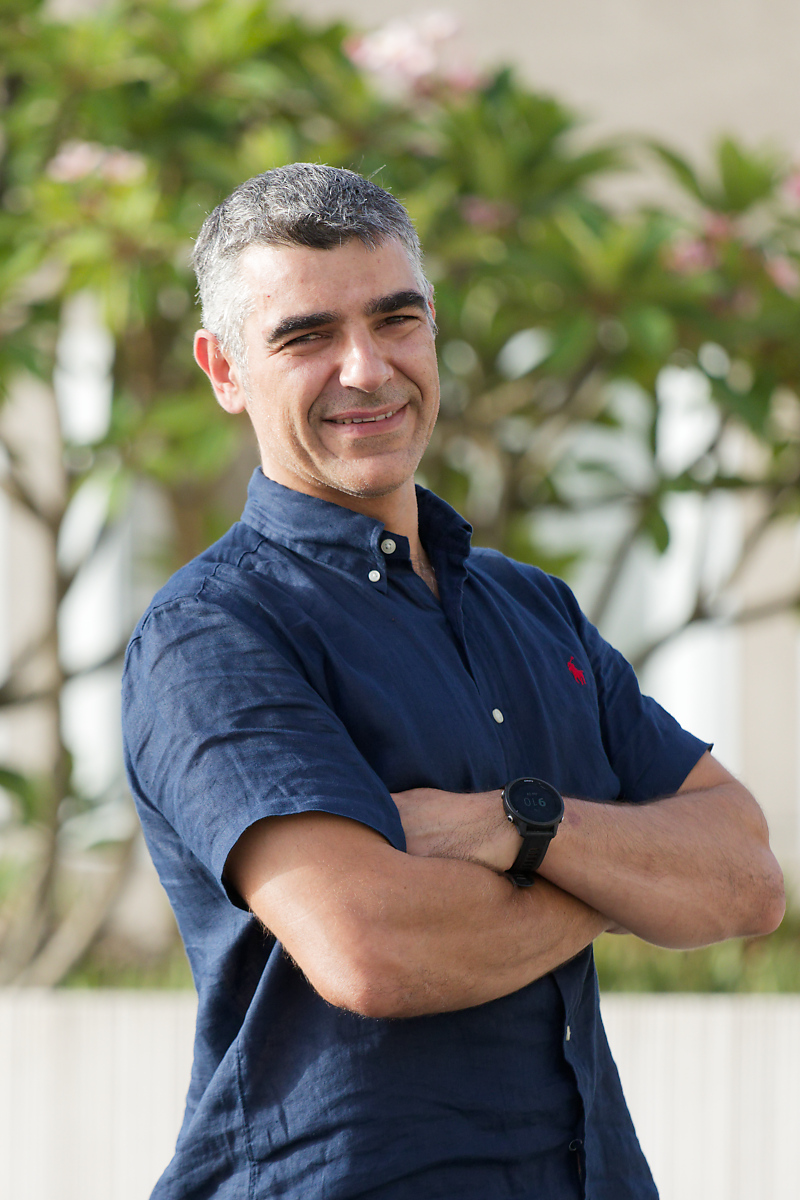
David Funes.
Sleep is caring for your heart
Exercise, pollution, diet, genetics, and socioeconomic conditions all demonstrate that cardiovascular health cannot be reduced to a single behavior. Other daily habits, such as rest, also play a role. Specialists point out that sleep is crucial in regulating heart function. During the night, blood pressure and heart rate decrease, and the body enters a recovery phase. When this rest is routinely reduced, various risk factors can increase, including hypertension, obesity, and diabetes.
Domínguez emphasizes the importance of biological rhythms. “The heart has its own internal clock,” he explains. At night, blood pressure decreases and the heart rate slows, while upon waking, hormonal activity, blood pressure, and heart rate increase. “It’s no coincidence that heart attacks are more frequent first thing in the morning,” he points out.
The researcher has spent years studying the relationship between these rhythms and cardiovascular health, including the role of melatonin, a hormone linked to the sleep-wake cycle. “The more we study these rhythms, the clearer it becomes to me that respecting our biological clock also means taking care of our heart,” he says.
Work schedules and lifestyle can disrupt this balance. People who work nights or shifts for extended periods face a continuous disruption of their biological rhythms. Furthermore, more everyday habits can have an impact, such as going to bed at very different times, eating dinner right before bed, or prolonged screen time at night.
Given this combination of factors, cardiovascular prevention emerges as a task that combines individual choices, healthcare, and social conditions. There is no single formula capable of protecting the heart, but there is a set of measures that can reduce the risk: not smoking, maintaining a healthy diet, engaging in physical activity adapted to each individual, controlling blood pressure, cholesterol, and blood sugar, getting enough sleep, and adhering to treatments when a diagnosed condition exists.
(This report is an initiative framed within the InvestigaULL Commemorations Calendar, a scientific dissemination project promoted by the University of La Laguna).
Scientific Culture and Innovation Unit (Cienci@ULL)

 Spanish
 English
 French