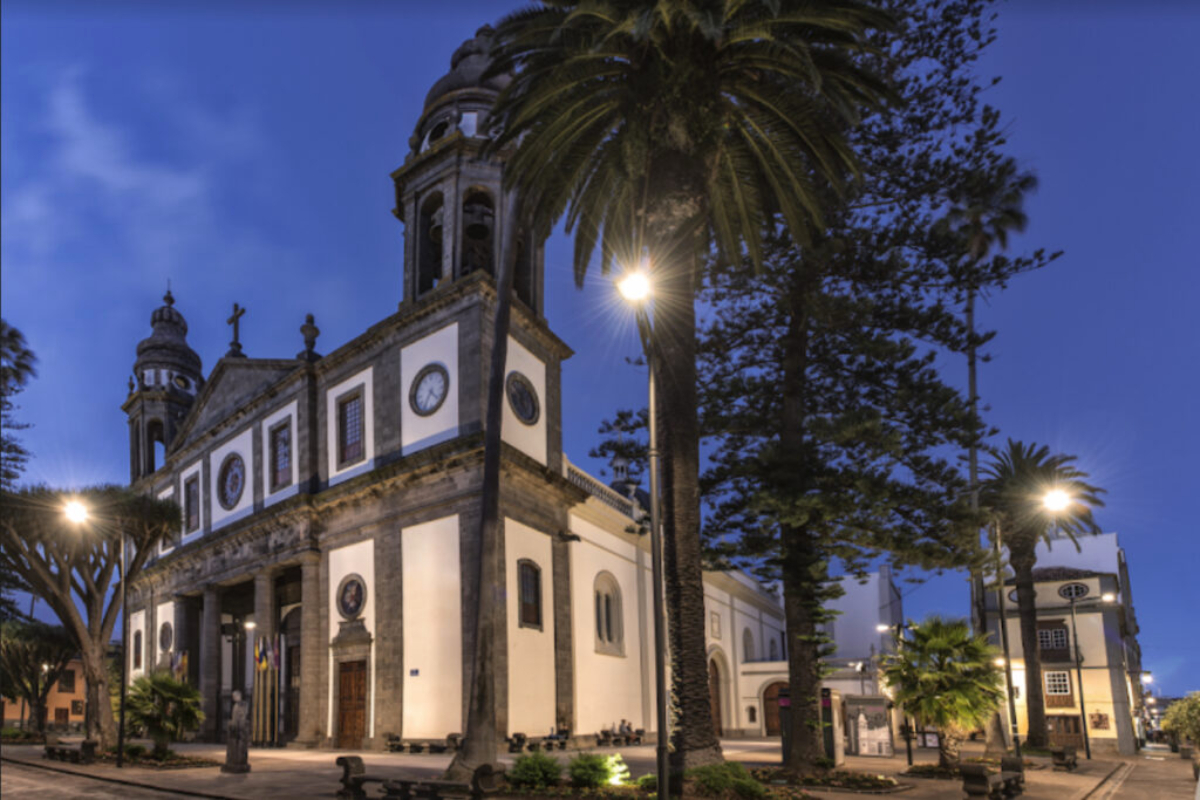
A study conducted by researchers at the University of La Laguna highlights that the difference in religiosity between women and men in Spain is strongly related to educational level, occupation, and social position, rather than gender itself. The study, based on more than 114,000 interviews conducted by the Center for Sociological Research (CIS) in 2024, reveals that the gender gap is not uniform and is reduced, and even disappears, among groups with higher academic level and social status.
This research, published in the Spanish Journal of Sociology (RES), has been carried out by Daniel Bianchi y Leopoldo Cabrera, from the Department of Sociology and Anthropology at the University of La Laguna, together with Felipe Rosa González, from the Department of Mathematics, Statistics and Operations Research of the same institution.
The analysis is framed within a context of sustained decline in religiosity in Spain, in line with the secularization processes of Western societies. According to the data analyzed, the percentage of the population that identifies as religious fell from 75.1% in 2013 to 61.1% in 2022. However, this religious identification remains more frequent among older people, those with lower levels of education and income, those with less skilled occupations, and those living in rural areas and in the southern autonomous communities of the country.
The results show that, although women are generally more likely than men to identify as religious, this difference is moderate and highly dependent on the social context. In fact, the relationship between gender and religiosity is the weakest of all the variables analyzed. In contrast, educational level, occupation, primary occupation, and age more strongly explain the observed differences.
By educational level, the gender gap in religiosity ranges from a mere 3.41% in favor of women with higher education to 16.41% among those with only lower secondary education or less. In the workplace, differences in religious devotion practically disappear among professionals and managers, while they widen considerably among unskilled workers and those who are unemployed.
One of the most significant findings of the study is the crucial role of unpaid domestic work in this religious predisposition. People who primarily engage in this type of activity are significantly more likely to be religious, a trend that is especially pronounced among women, who make up the majority of this group. In these cases, the gender gap in religiosity exceeds 201% in favor of women.
The pattern also varies by age group. The gender gap narrows and even reverses among young people aged 18 to 30, where women are slightly less religious than men. From age 31 onward, the difference again favors women and widens progressively with age, reaching its peak among the over-65 population.
Thus, the study conducted at the University of La Laguna supports the so-called gender similarity hypothesis, highlighting that differences in religiosity are greater among people of the same gender than between women and men of similar social standing. In this sense, women and men with similar levels of education or occupations tend to show very similar levels of religiosity, while the most pronounced differences are observed between people from different social strata.

 Spanish
 English
 French