
Chair of Cultural Globalization, Migrations and New Citizenships
A space for meeting, debate and action
collective around the processes of globalization,
its impact on international migration
and the formation of new citizenships
Motivation
The current global context is dominated by tensions related, on the one hand, to increased human mobility and, on the other, to the closure of national borders. Paradoxically, this is occurring in societies increasingly influenced by information and communication technologies (ICTs) that connect territories, economies, resources, people, and symbols of all kinds.
The university, as a forum for reflection, debate and social action, must emphasize these new situations and the exchange of perspectives, especially in a society like the Canary Islands, which has been characterized by the continuity of diverse mobility and, therefore, by particularly dense two-way relationships in the Atlantic environment.
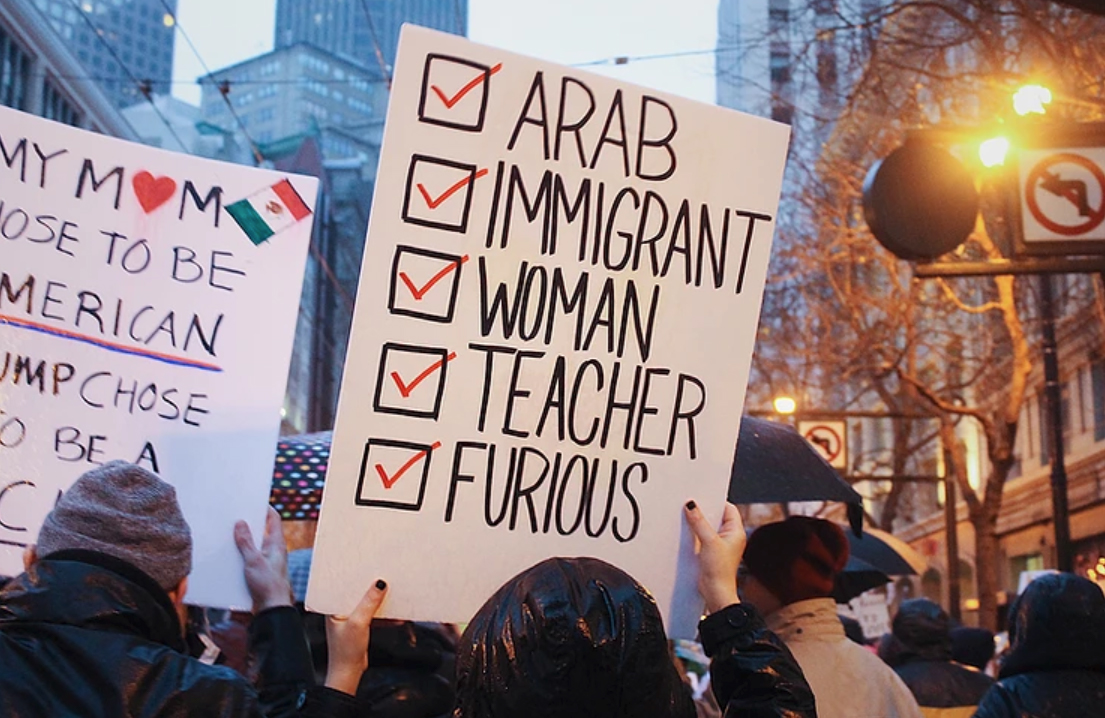
With this motivation, the Cultural Chair was created Globalization, migrations and new citizenships from the University of La Laguna, where various research groups address lines of work such as: the analysis of social inequalities and vulnerabilities, the impact of climate change on society, governance, religious and collective identities/minorities, Spanish as a language of internationalization, intercultural education, Canary Island migrations, integration policies and promotion of coexistence, the management of human and cultural diversity, gender inequality, new citizenships and Canary Island citizenship abroad, international cooperation for development and human rights.
The stay at the ULL, for several months in 2017 and 2018, of Professor Sami Naïr, an international expert in these topics, favored the incorporation of faculty and other agents into this project, creating synergies around the valorization of the research potential of our University, its strategic position and, therefore, the need to share and strengthen working networks at different levels and scales.
Therefore, the aim is to enhance the role of our university in the Atlantic area and, consequently, to address the historical ties with Latin American and African countries and territories, while also strengthening the overall relationship with the European sphere.
A key idea is to encourage the participation of more public and private actors, delving into the development of channels and instruments that allow a direct and permanent link with reality and its main protagonists.
We therefore want this Chair to generate collective action and participation, becoming an open place where, apart from creating these synergies between researchers, we go out and pay attention to the leading role of associations, groups or other key social agents to understand these new social realities.