Drafting and implementation of Self-Protection Plans

Drafting and implementation of Self-Protection Plans

Overview

This micro-credential introduces the framework of security and self-protection, addressing applicable regulations and the requirements for developing plans. Students will learn to gather information, assess risks, and draft comprehensive self-protection plans, including the necessary technical and planimetric documentation.

Goals

  • To know the self-protection and safety regulations at the national and Canary Islands level.
  • Develop, implement, disseminate, maintain and update Self-Protection and Security Plans.
  • Organize, direct, inspect and manage self-protection and security services and resources.
  • Identification, analysis and evaluation of risk situations for people and facilities.
  • Planning, organization and control of actions to prevent, protect and reduce risks through self-protection and security plans.

Access requirements

  • Students must be between 25 and 64 years old on the date the training begins.
  • A university degree is not required to access this micro-credential. However, students wishing to access it must meet at least one of the following access requirements:
  • To be graduates or undergraduate or master's students of technical engineering schools,
    building, architecture or similar qualifications that meet the age requirement.
  • Be graduates or students of the Degree in Security and Emergencies or graduates of the Higher Cycle of Security and Emergencies who meet the age requirement.
  • Have proven work experience in building safety, especially in fire protection and evacuation, with knowledge of graphic representation (AUTOCAD) and planimetry.

Academic program

Contents

  • Module 1: Regulatory framework regarding self-protection, safety and emergencies.
  • Module 2: Risk assessment and preventive measures.
  • Module 3: Technical measures to minimize risks in case of emergency.
  • Module 4: Drafting Self-Protection and Security Plans.
  • Module 5: Implementation of Self-Protection Plans.

Methodology and activities

The training activities to be developed during the delivery of the microcredential will be:

  • Theoretical classes: expository, explanatory or demonstration sessions of the contents and knowledge.
  • Practical classes: sessions of practical application of the content developed in the theoretical classes, through the resolution of exercises, problems or theoretical-practical scenarios.
  • Work: preparation of a study, essay, work… proposed in the subject, either individually or in a group following established guidelines.
  • Independent work: independent and self-regulated activity of the student starting from the
    Documentation and guidelines proposed in the subject, preparation of classes and exams, preparation of final reports, internship reports…
  • Tutoring (individual, group…): activity in which the teaching staff attends to, facilitates and guides one or more students in the training process.
  • Assessment: continuous assessment tests and final exams. Tests may be in person or online, and may be written, oral, or consist of practical exercises.

Regarding the way to organize the teaching to achieve the objectives set out in the micro-credential, the organizational modality summarized below will be followed:

  • Lectures/expository method: presentation or explanation by the teaching staff.
  • Seminars: completing exercises, solving problems or practical cases, others.
  • Individual work: individual preparation of assignments/projects/reports, portfolio, …
  • Personal study: preparation for tests, exams, etc.
  • Assessment: written tests, oral tests, practical tests…
  • Tutoring: instruction period in which teachers and students interact with the aim of reviewing and discussing materials and topics presented in class.

Although the teaching modality is entirely virtual, tutoring hours will be offered at the INSITECA Ingenieros headquarters in La Cuesta (La Laguna) for advice and to resolve doubts regarding the completion of the Final Degree Project.

Evaluation criteria

The microcredential will have an evaluation system (ES) based on the following assessment tests:

  • Objective tests (true/false, multiple choice, test-type, fill-in-the-blank, ordering, etc.): These are measurement instruments that allow for the evaluation of knowledge, skills, performance, aptitudes, etc. The answers are closed-ended, thus promoting objectivity during the scoring process.
  • Short-answer or brief tests: a type of objective test in which the
    Students do not elaborate in their response, instead providing the specific information requested.
  • Case studies, exercises and problems: tests in which students must solve, in a reasoned manner, within a certain time, and according to the established criteria, the cases, exercises or problems posed by the teaching staff, with the aim of applying the knowledge acquired.
  • Attendance, participation or attitude in teaching activities, seminars, tutorials, etc.: monitoring student attendance and participation in teaching activities, carrying out activities during teaching sessions.
  • Works, memoirs, internship reports, written reports and projects: document
    prepared on a topic or activity carried out, following the instructions established by the teaching staff.

General information

Credits: 3 ECTS

Duration: 11/05/2026 – 29/05/2026

Teaching modality: Virtual

Location: ULL virtual environment. Optionally, tutorials can be carried out at the INSITECA Engineers headquarters in La Laguna.
Asynchronous online classes

Registration fee: €65.25

Valued at: €217.50

Registration
More info and registration help

The cost of tuition for this Microcredential will be subsidized by the 'Plan for the development of university microcredentials', investment 6 of component 21 of the Addendum to the 'Recovery, Transformation and Resilience Plan', financed by the European Union – Next Generation EU, year 2025.

Flexibility

Short courses available in various formats (in-person, online, or hybrid). Ideal for learning without interrupting your professional life.

Employability

Content created and delivered by professionals and experts in the field, designed for immediate application.

Certification

Endorsed by the University of La Laguna. You will receive an official ECTS certificate, valid in the European Higher Education Area.
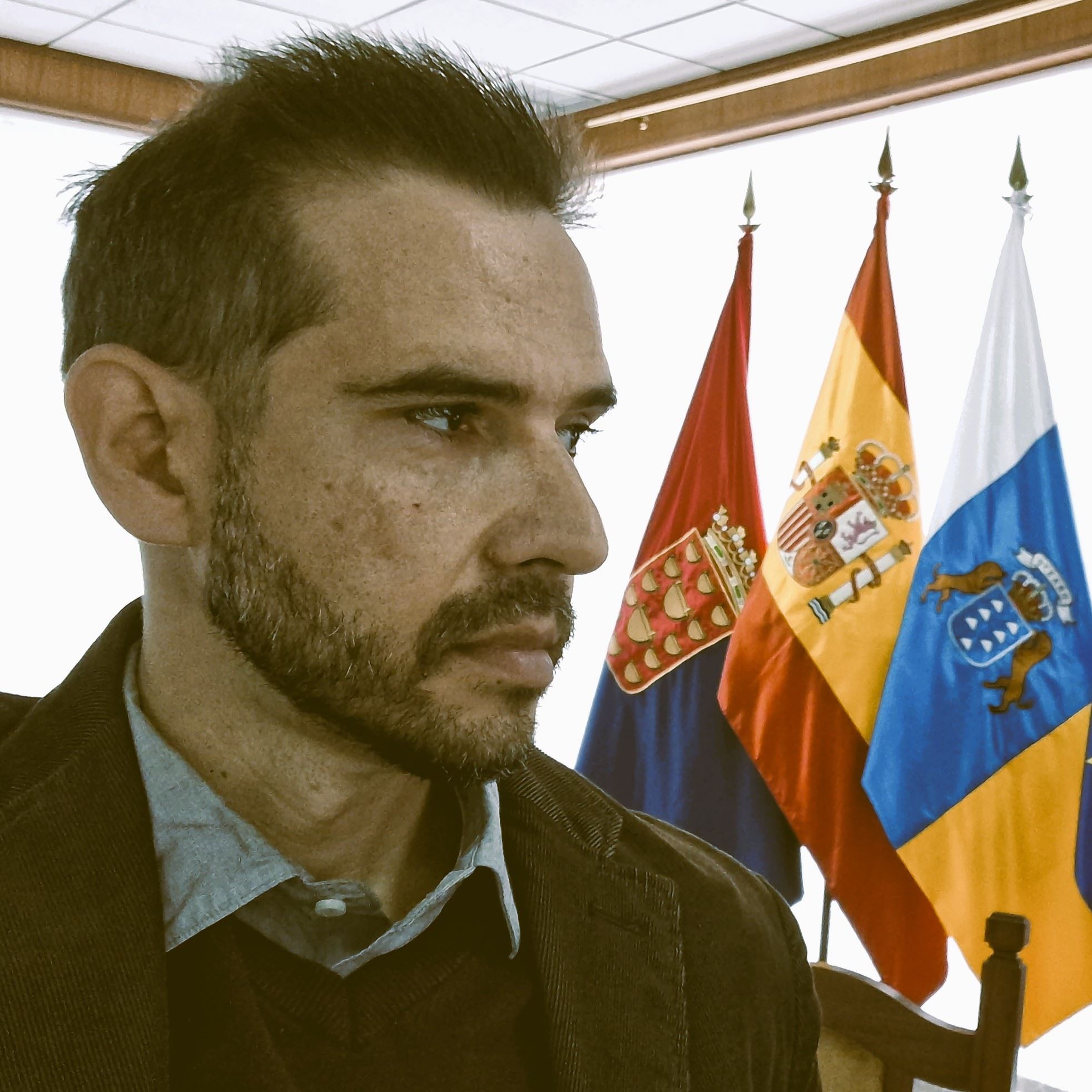
Teaching staff

José González

Director of Security. Associate Professor at the University of La Laguna (ULL). PhD in Law (ULL).
Graduate in Security and Risk Control (ULPGC).
Civil Protection Specialist (National School of Civil Protection)

José Antonio Yanes

Industrial Engineer Responsible for Operations at INSITECA Engineers.
Private Security Director accredited as a Technical Plan Writer
Self-Protection Plans of the Government of the Canary Islands in all sections and with extensive experience in both drafting and implementation in this
Subject matter. Teacher with extensive experience in courses for professionals.

Share this microcredential