Government Pavilion, C/ Padre Herrera s/n
Post Office Box 456
38200, San Cristobal de La Laguna
Santa Cruz de Tenerife - Spain
Switchboard Tel.: (+34) 922 31 90 00
Hours: Mon, 8:00 a.m. to 9:00 p.m.
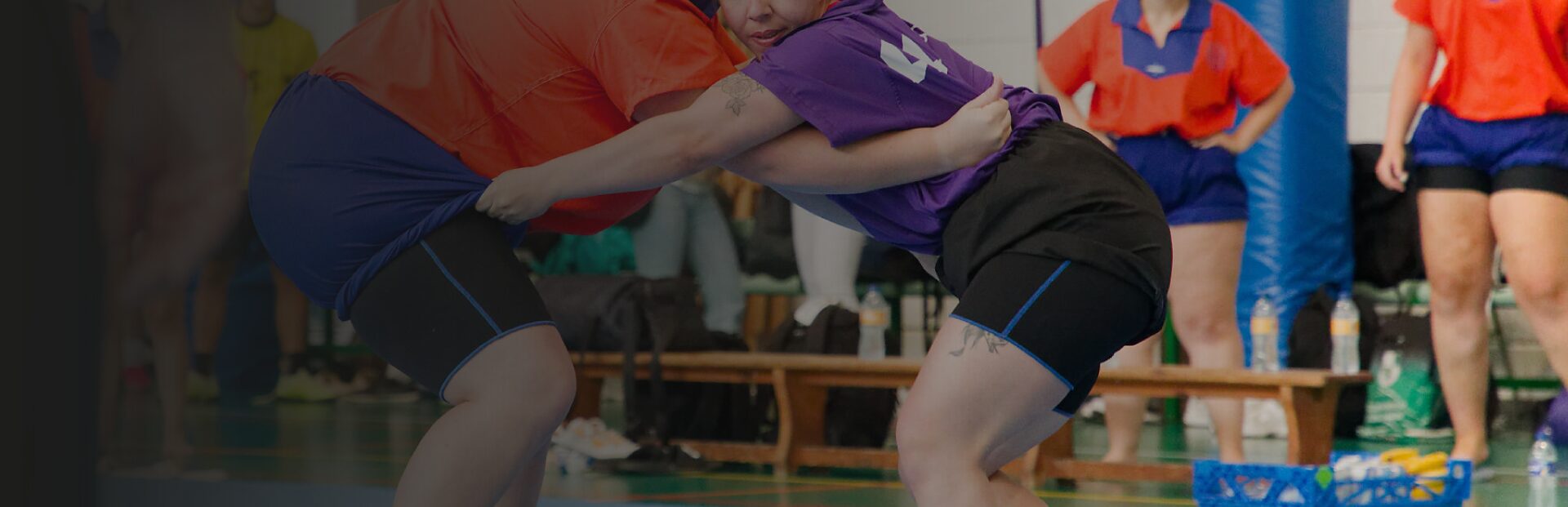
To promote initial and ongoing training on teaching strategies to encourage the inclusion of people with disabilities in Physical-Sports Activities (PSA), from a participatory and cross-cutting approach, which promotes the personal and social development of the participants in the community.
To present and justify didactic innovation processes that allow us to overcome integrative models and move towards proposals for inclusion in the AFD in a context of communities of practice in proximity based on coexistence and respect for diversity.
Presentation
Basic principles of attention to diversity in Physical-Sports Activities (PSA) for social inclusion.
Round table with people with disabilities who participate in AFD in social inclusion contexts.
Methodological strategies for intervention in AFD for social inclusion.
Teaching strategies and intervention criteria to promote the social inclusion of people with mental health disorders in the practice of AFD.
Mental health and inclusion among those responsible for and involved in AFD.
Guidelines for the development of the practical intervention and evaluation project for social inclusion in the practice of AFD.
Teaching strategies to promote the social inclusion of people with intellectual disabilities in AFD.
Teaching strategies and intervention criteria to promote the social inclusion of people with intellectual disabilities in AFD.
Inclusive expressive strategies and sign language.
Teaching strategies and intervention criteria to promote the social inclusion of people with sensory (hearing) disabilities in the AFD.
Conflict resolution in AFD.
Teaching strategies and intervention criteria to promote the social inclusion of people with sensory (visual) disabilities in AFD.
Accessible communication and visual supports to promote the inclusion of people with disabilities.
The social promotion of people with disabilities.
Methodological intervention strategies in AFD for the social inclusion of people with disabilities.
Methodological intervention strategies in AFD for the social inclusion of people with disabilities.
Architectural and communication barriers that hinder the social inclusion of people with disabilities in AFD.
Guidelines for the development of the practical intervention project.
Teaching strategies and intervention criteria to promote the inclusion of people with mental health disorders in AFD.
The inclusion of people with disabilities in AFD programs, a transnational perspective.
Teaching strategies and intervention criteria to promote the social inclusion of people with intellectual disabilities.
Teaching strategies and intervention criteria to promote the social inclusion of people with motor disabilities.
Presentations of the internship project and course evaluation.
50-hour training course. 37.5 hours in-person, 12.5 hours online.
Credits: 5 ECTS
Duration: 06/10/2026 – 06/12/2026
Teaching modality: Blended learning
Location: University of La Laguna facilities and virtual campus
Training within the Physical-Sports Activity Program for the social inclusion of people with disabilities (PADIS), a program of the Tenerife Island Council and managed through the public company Ideco.
Short courses available in various formats (in-person, online, or hybrid). Ideal for learning without interrupting your professional life.
Content created and delivered by professionals and experts in the field, designed for immediate application.
Endorsed by the University of La Laguna. You will receive an official ECTS certificate, valid in the European Higher Education Area.


Government Pavilion, C/ Padre Herrera s/n
Post Office Box 456
38200, San Cristobal de La Laguna
Santa Cruz de Tenerife - Spain
Switchboard Tel.: (+34) 922 31 90 00
Hours: Mon, 8:00 a.m. to 9:00 p.m.
