Government Pavilion, C/ Padre Herrera s/n
Post Office Box 456
38200, San Cristobal de La Laguna
Santa Cruz de Tenerife - Spain
Switchboard Tel.: (+34) 922 31 90 00
Hours: Mon, 8:00 a.m. to 9:00 p.m.

This microcredential provides comprehensive training in Machine Learning and Deep Learning, from the fundamentals to the advanced use of Large Language Models (LLMs). Students will develop skills to interact with LLMs through APIs, prompt engineering, and tools such as LangChain, as well as to design advanced artificial intelligence systems, including RAG architectures and autonomous agents.
The methodology is as follows:
Objective tests and case studies: Activities proposed by the teacher, such as completing exercises and tests
Attendance: Mandatory attendance at at least 7 of the 8 scheduled sessions
Credits: 2 ECTS
Duration: 13/04/26 – 18/05/26
Teaching modality: Virtual
Location: Virtual
The cost of tuition for this Microcredential will be subsidized by the 'Plan for the development of university microcredentials', investment 6 of component 21 of the Addendum to the 'Recovery, Transformation and Resilience Plan', financed by the European Union – Next Generation EU, year 2025.
Short courses available in various formats (in-person, online, or hybrid). Ideal for learning without interrupting your professional life.
Content created and delivered by professionals and experts in the field, designed for immediate application.
Endorsed by the University of La Laguna. You will receive an official ECTS certificate, valid in the European Higher Education Area.
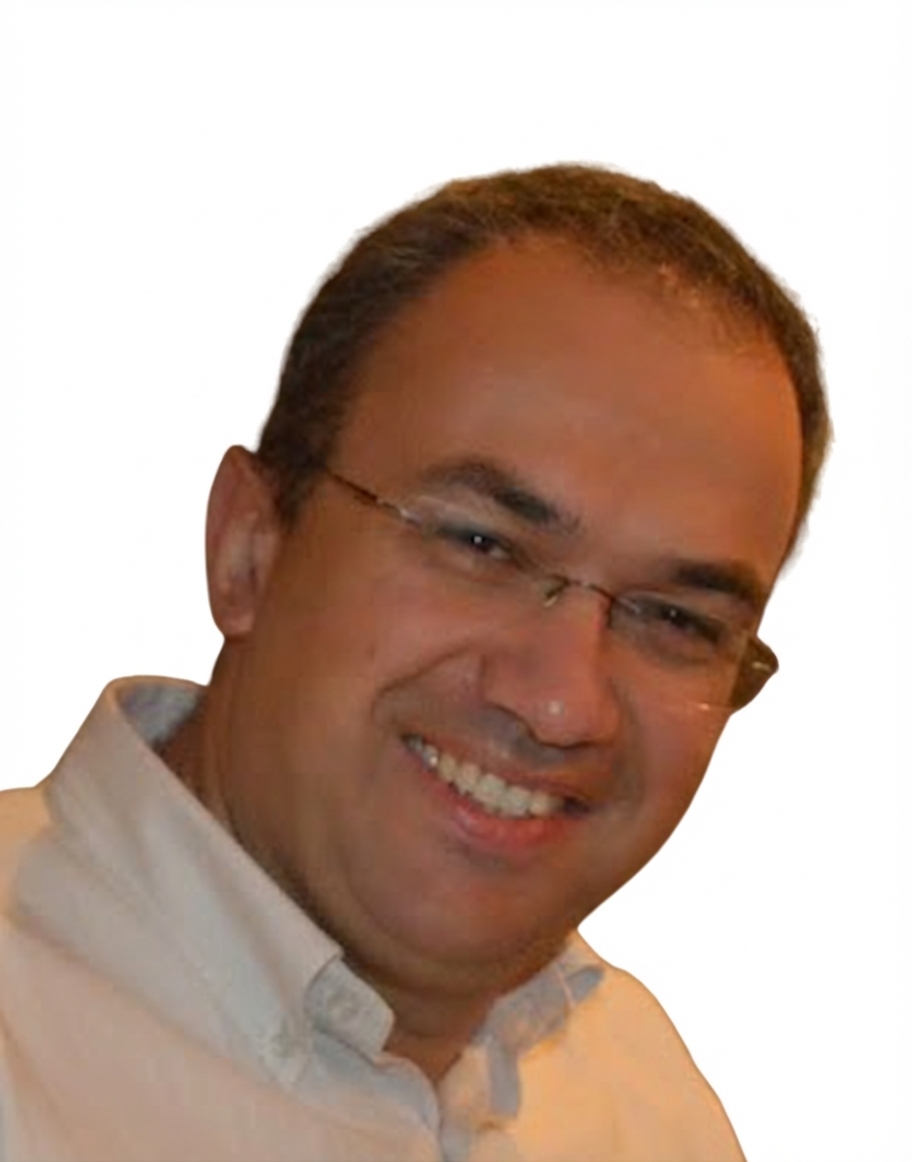
Head of the ICT Service at the University of La Laguna (ULL), he has a distinguished profile in the application of new technologies within the public sector. In addition to his management role, he actively collaborates with the Cajasiete Chair of Big Data, Open Data, and Blockchain at the ULL. In this capacity, he contributes his expertise in the development and implementation of projects based on RPA, Machine Learning, Large Language Models (LLM), and Artificial Intelligence. His technological work has a direct impact on the digital transformation and modernization of services, directing these innovative solutions not only to the University of La Laguna itself, but also to important public administrations in the region, such as the Tenerife Island Council and the Canary Islands Institute of Statistics (ISTAC), among others.

A Telecommunications Engineer, she currently works as an R&D (Research and Development) Engineer at Unith. This technology company (unith.ai[Company Name] is at the forefront of conversational artificial intelligence, specializing in the creation of "Digital Humans" or hyper-realistic interactive avatars. These generative AI-powered solutions go far beyond traditional text chatbots, as they are capable of conversing, automating processes, and connecting with users in real time through near-human voice and facial expressions. From her role in research and development, Mónica brings expert and practical insight into how engineering and the latest artificial intelligence technologies are coming together to revolutionize the communication of the future.

Government Pavilion, C/ Padre Herrera s/n
Post Office Box 456
38200, San Cristobal de La Laguna
Santa Cruz de Tenerife - Spain
Switchboard Tel.: (+34) 922 31 90 00
Hours: Mon, 8:00 a.m. to 9:00 p.m.
