Government Pavilion, C/ Padre Herrera s/n
Post Office Box 456
38200, San Cristobal de La Laguna
Santa Cruz de Tenerife - Spain
Switchboard Tel.: (+34) 922 31 90 00
Hours: Mon, 8:00 a.m. to 9:00 p.m.

This microcredential trains individuals in the identification and management of life-threatening emergencies using the ABCDE approach and clinical decision-making based on monitoring. The program covers advanced cardiopulmonary resuscitation, interpretation of heart rhythms, and the use of defibrillators, as well as post-recovery care and the development of key skills such as teamwork, leadership, and stress management.
To train participants to recognize and comprehensively address life-threatening emergency situations by applying Advanced Life Support techniques, contributing to improving the survival and prognosis of critically ill patients through early, coordinated and evidence-based action.
• Students must be between 25 and 64 years old on the date the training begins.
A university degree will not be required to obtain this micro-credential. However, a high school diploma or advanced vocational training certificate (higher technician) will be required.
The microcredential is primarily aimed at professionals and students in the field of Health Sciences (Medicine, Nursing, Pharmacy, Psychology, Physiotherapy, Speech Therapy, Biology or other related degrees), as well as emergency health technicians and professionals linked to emergency care.
1. Fundamentals of Advanced Life Support. Concept of urgency and life-threatening emergency. Chain of survival. Role of the first responder. Safety of the team and the environment. Activation of the emergency system and care coordination.
2. Systematic assessment of the critically ill patient (ABCDE). Advanced primary assessment. Assessment of level of consciousness, airway, breathing, circulation, neurological status, and exposure. Early identification of life-threatening situations.
3. Airway management and ventilation. Airway opening and control techniques. Use of basic and advanced devices (cannulas, supraglottic airway devices, bag-valve-mask ventilation). Oxygen therapy and effective ventilation.
4. Advanced Life Support in cardiac arrest. Recognition of cardiac arrest. Action algorithms for shockable and non-shockable rhythms. High-quality advanced cardiopulmonary resuscitation.
5. Basic electrocardiography and defibrillation. Identification of cardiac rhythms in cardiac arrest
Cardiorespiratory. Use of the manual and automatic defibrillator. Defibrillation, cardioversion, and electrical stimulation.
6. Pharmacology in emergencies. Drugs used in Advanced Life Support. Indications, dosage, routes of administration, and safety in pharmacological management during resuscitation.
7. Critical patient care and post-resuscitation care. Initial management after return of spontaneous circulation. Hemodynamic and respiratory stabilization. Monitoring and transfer.
8. Management of special situations in ALS. Cardiopulmonary arrest in specific situations (hypothermia, poisoning, trauma, among others). Adaptation of protocols.
9. Non-technical skills in emergencies. Effective communication, clinical leadership, teamwork, resource management and decision-making in critical situations.
10. Advanced clinical simulation and skills integration. Practical application of the
knowledge through high-fidelity simulated scenarios, integrating technical and non-technical skills in complex emergency situations.
The methodology will be as follows:
Credits: 5 ECTS
Duration: 11/05/26 – 29/05/26
Teaching modality: Blended learning.
Location: Facilities of the Na Sa de Candelaria-EUENSC School of Nursing, in teaching spaces intended for practical and theoretical training, as well as in classrooms equipped for clinical simulation.
Schedule: The training activity will take place from 9:00 to 14:00 on May 14, 19, 21, 25, 27 and 28; the remaining sessions will be online.
The cost of tuition for this Microcredential will be subsidized by the 'Plan for the development of university microcredentials', investment 6 of component 21 of the Addendum to the 'Recovery, Transformation and Resilience Plan', financed by the European Union – Next Generation EU, year 2025.
Short courses available in various formats (in-person, online, or hybrid). Ideal for learning without interrupting your professional life.
Content created and delivered by professionals and experts in the field, designed for immediate application.
Endorsed by the University of La Laguna. You will receive an official ECTS certificate, valid in the European Higher Education Area.

Advanced Life Support Nurse. Master's in Emergency, Critical Care Nursing. Instructor.
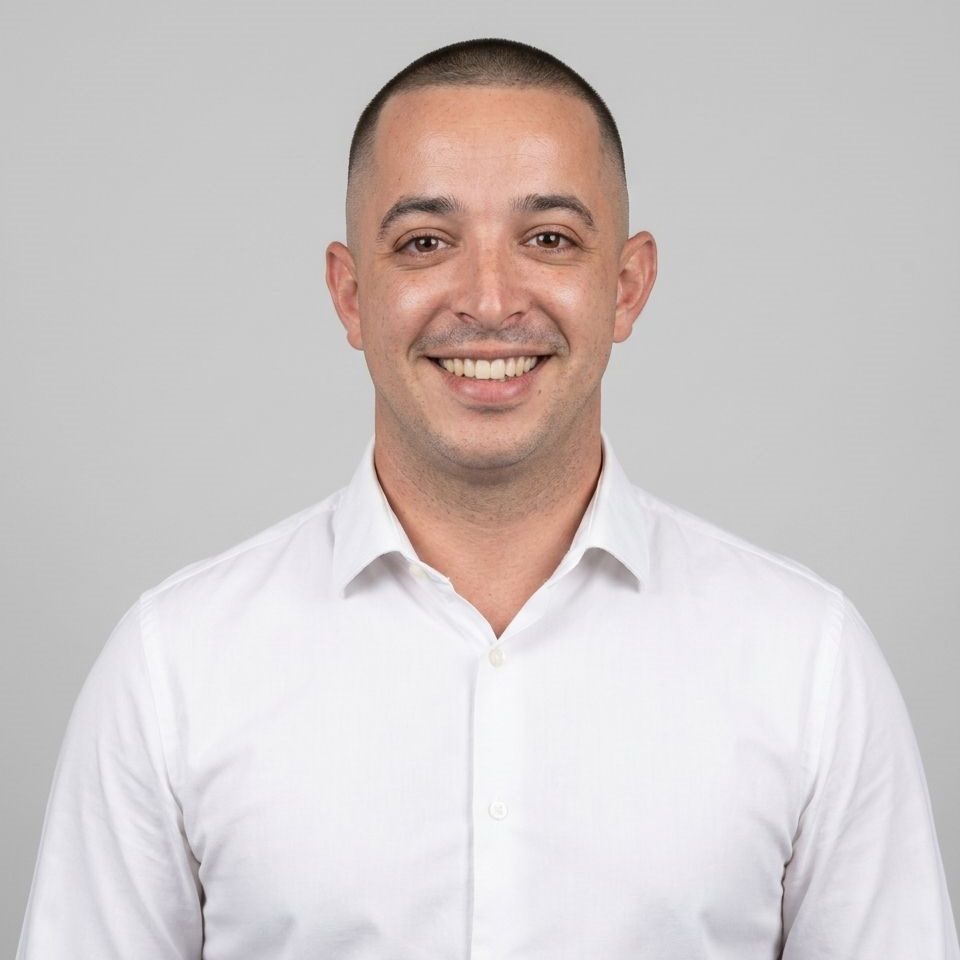
Attending physician in the Canary Islands Emergency Department at the University Hospital of the Canary Islands (HUNSC). Master's degree in Emergency and Critical Care. Advanced Life Support Instructor.
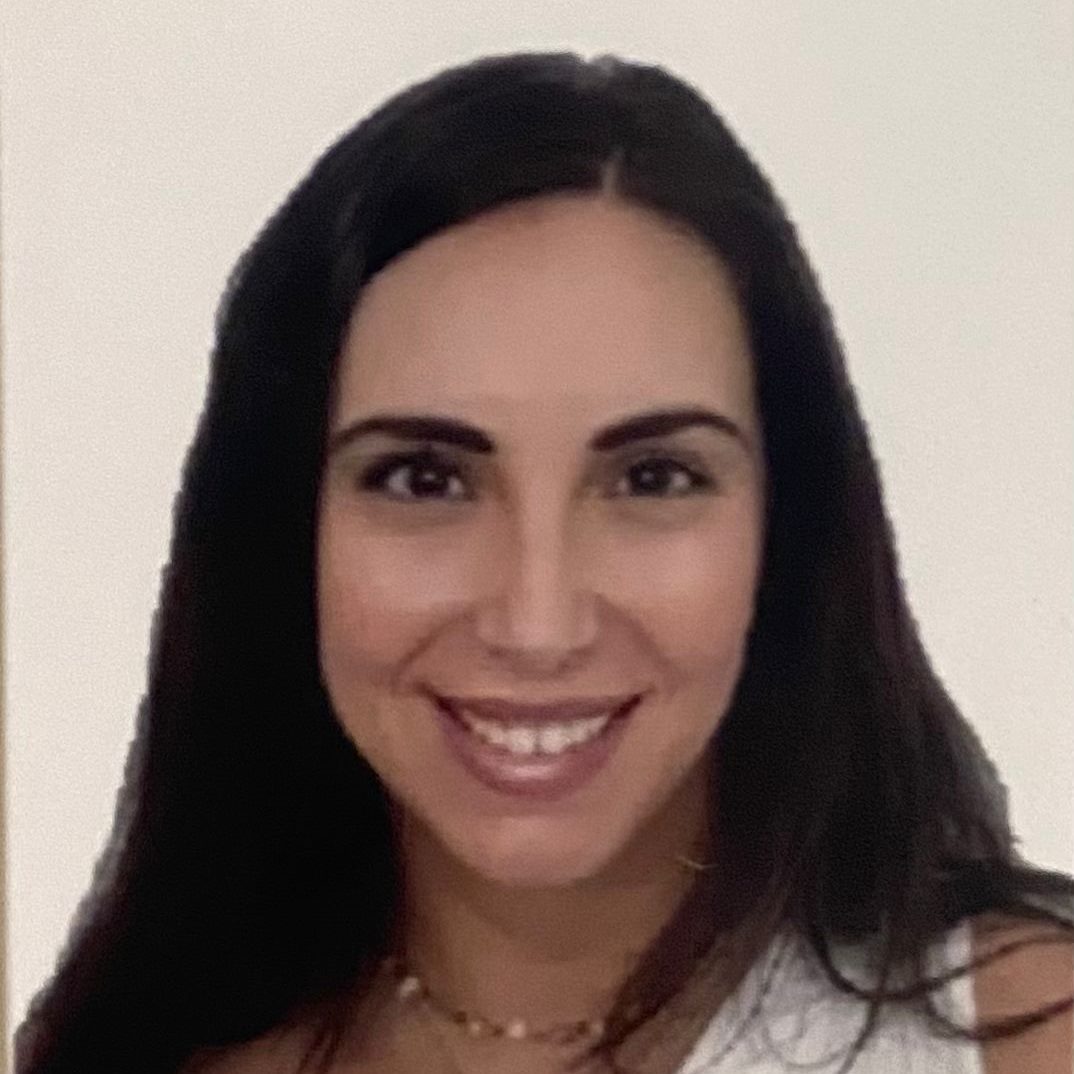
Emergency Department Nurse at CHUNSC. Prehospital Advanced Life Support (ALS) Nurse. Master's Degree in Emergency Medicine. Basic Life Support (BLS) Instructor.
Specialist Nurse in Gynecology and Obstetrics (Midwife) Doctorate in Medical Sciences, Master in Research, Management and Quality in Health Care, Master in Nursing Service Management.
Doctor. Mental health nurse. Art historian. Anthropologist. Member of several research groups. Director of the Nursing School of Our Lady of Candelaria (Canary Islands Health Service-University of La Laguna).

Government Pavilion, C/ Padre Herrera s/n
Post Office Box 456
38200, San Cristobal de La Laguna
Santa Cruz de Tenerife - Spain
Switchboard Tel.: (+34) 922 31 90 00
Hours: Mon, 8:00 a.m. to 9:00 p.m.
