Government Pavilion, C/ Padre Herrera s/n
Post Office Box 456
38200, San Cristobal de La Laguna
Santa Cruz de Tenerife - Spain
Switchboard Tel.: (+34) 922 31 90 00
Hours: Mon, 8:00 a.m. to 9:00 p.m.

The overall objective of the micro-credential in Community Participation in Health is to train students to understand, plan, facilitate and evaluate community participation interventions in health, from the role of the community pharmacy as a catalyst for health, incorporating an ethical, gender, care-based perspective and oriented towards the improvement of community health and equity.
Upon completion of the microcredential, students will be able to:
1.- Understand the theoretical and practical foundations of community participation in health, recognizing its impact on improving community health and reducing health inequalities.
2.- Identify the health assets present in a community, analyzing their relevance and potential for health promotion in different community settings.
3.- Design and develop health asset maps, using appropriate tools and techniques to enhance their visibility and promote their mobilization in community actions.
4.- Plan and develop community health interventions, integrating the principles of community action, participation and use of local resources.
5.- Apply community facilitation techniques from the role of the pharmacy as a catalyst for health, strengthening community participation, collaboration and co-responsibility.
6. Incorporate the gender perspective and the care approach into community health actions, promoting more equitable, inclusive and socially inequalities sensitive interventions.
7. Critically evaluate the implementation and results of community health interventions, using appropriate methods to measure their impact, draw lessons learned, and propose improvements for future practice.
To access the microcredential, you will need to:
a. Hold an official Spanish university degree or another degree issued by a higher education institution belonging to another Member State of the European Higher Education Area, attached to the branch of Health Sciences or to related qualifications directly related to the health field, which qualifies for access to master's level studies in the same.
b. Holding a degree issued by an educational system outside the European Higher Education Area without a validation or declaration of equivalence. In these cases, the academic director will submit a report to the Academic Committee, which will authorize or deny admission. Under no circumstances will authorization imply validation of the foreign degree, nor its recognition for any purpose other than pursuing postgraduate studies at the ULL.
c. Hold a Technician/equivalent qualification and demonstrate a minimum of five years' work experience in the pharmaceutical sector, especially in areas related to community pharmacy, social and healthcare or public health.
d. Students must be between 25 and 64 years of age on the date the training begins.
Module 1. Community Action in Health
The training activities to be carried out during the delivery of the micro-credential will be:
Regarding the way to organize the teaching to achieve the objectives set out in the micro-credential, the organizational modality summarized below will be followed:
The microcredential will have an evaluation system (ES) based on the following evaluation tests:
Credits: 3 ECTS
Duration: 13/05/26 – 27/05/26
Teaching modality: Virtual
Location: Virtual campus of the University of La Laguna
The cost of tuition for this Microcredential will be subsidized by the 'Plan for the development of university microcredentials', investment 6 of component 21 of the Addendum to the 'Recovery, Transformation and Resilience Plan', financed by the European Union – Next Generation EU, year 2025.
Short courses available in various formats (in-person, online, or hybrid). Ideal for learning without interrupting your professional life.
Content created and delivered by professionals and experts in the field, designed for immediate application.
Endorsed by the University of La Laguna. You will receive an official ECTS certificate, valid in the European Higher Education Area.
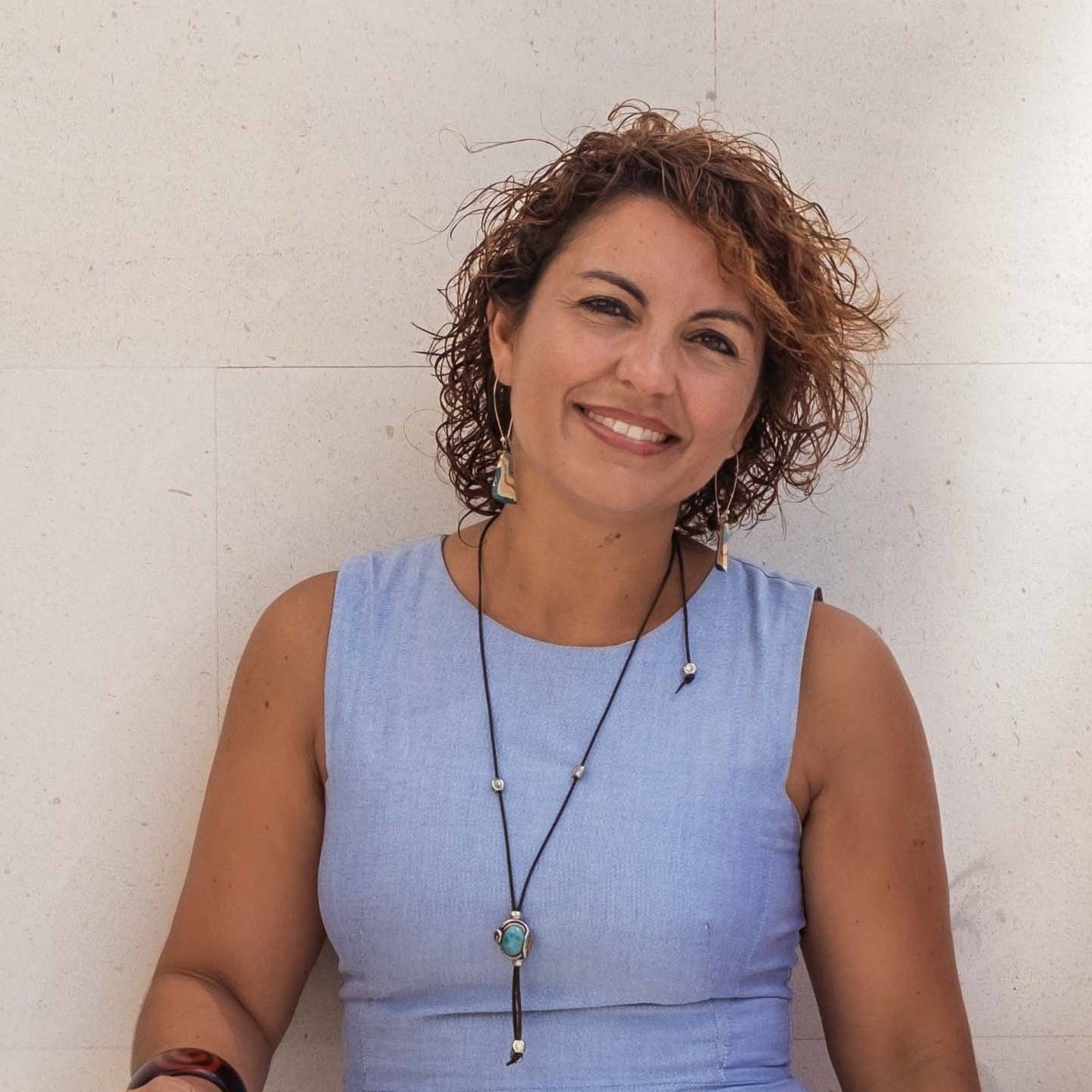
Professor of Social Psychology. Her research focuses on social cognition and intergroup relations, with a central line of inquiry dedicated to the study of dehumanization and its relationship to other psychosocial processes, such as empathy, mentalization, and attitudes toward different social groups. Her work also explores the relationship between these processes and well-being in professional contexts, especially in the healthcare sector, including variables such as burnout, job satisfaction, and decision-making in helping professions.

Assistant Professor with a PhD in Social Psychology. Her research focuses on the study of dehumanization processes and intergroup relations, especially in early developmental and socialization contexts. Her work analyzes how children perceive and attribute humanity to different social groups, as well as the relationship between prejudice, stereotypes, and dehumanization in intergroup dynamics.

Government Pavilion, C/ Padre Herrera s/n
Post Office Box 456
38200, San Cristobal de La Laguna
Santa Cruz de Tenerife - Spain
Switchboard Tel.: (+34) 922 31 90 00
Hours: Mon, 8:00 a.m. to 9:00 p.m.
