The job placement of graduates is a major concern for universities, which, often in collaboration with other public and private institutions, implement various programs to facilitate access to the workforce. Internship programs in companies, some of which can lead to at least temporary employment, are probably the most common approach used in these initiatives.
In general, after completing a degree or postgraduate qualification, the job search focuses on securing an employment contract with a company, accessing the civil service through competitive examinations, or exploring entrepreneurship, an increasingly popular option that is receiving a lot of support from universities.
There is also the possibility of embarking on a research career, one of the strongest motivations for young people with a strong vocation for a specific subject to begin university studies. It is not the easiest path to employability, as it requires, in addition to a strong academic record, a great capacity for work and a certain resilience in the face of the uncertainty that can sometimes accompany the search for pre- and postdoctoral contracts both within and outside of Spain, with the ultimate goal of building a scientific curriculum that will allow for a permanent position at a university or research center.
The truth is that, apart from that group of people who, since their high school years, have been clear that they want to dedicate their lives to science, the vast majority of people do not usually consider that possibility. With this objective, the Ministry of Labor and Social Economy approved the following in November 2021: I Investigate Program, funded through the European Next Generation funds with the aim of hiring young job seekers in public research bodies, public universities, technology centers and other public and private entities to participate in a research project.
Each autonomous community was responsible for allocating the funds that corresponded to it to develop this initiative in this territory, and each institution was responsible for making the corresponding call and the selection of candidates, in this case, among people registered in the Canary Islands Employment Service who met the necessary academic requirements.
Promotion of research careers
The Vice-Rector for Research and Transfer, Antonio Aparicio Juan, The program's educational potential has been highlighted. Thanks to funding from the Recovery and Resilience Facility, more than thirty young people have been integrated into the research activities of the University of La Laguna. It has been especially important that all branches of knowledge have had participants benefiting from these contracts, which demonstrates the vitality of the research carried out by the university's institutes and research support services.
In this regard, he has emphasized that some of the contracts have been carried out in various facilities of the General Research Support Service (SEGAI), which has made it possible to train technical support staff, essential in the management of scientific research today.
Finally, although there are no plans to reissue the program, as it depends on external funding that has not been continuous, the overall assessment of this project for the Vice-Rectorate has been very positive, and it has allowed many of the students involved to have a very good first experience in the field of research.
The protagonists
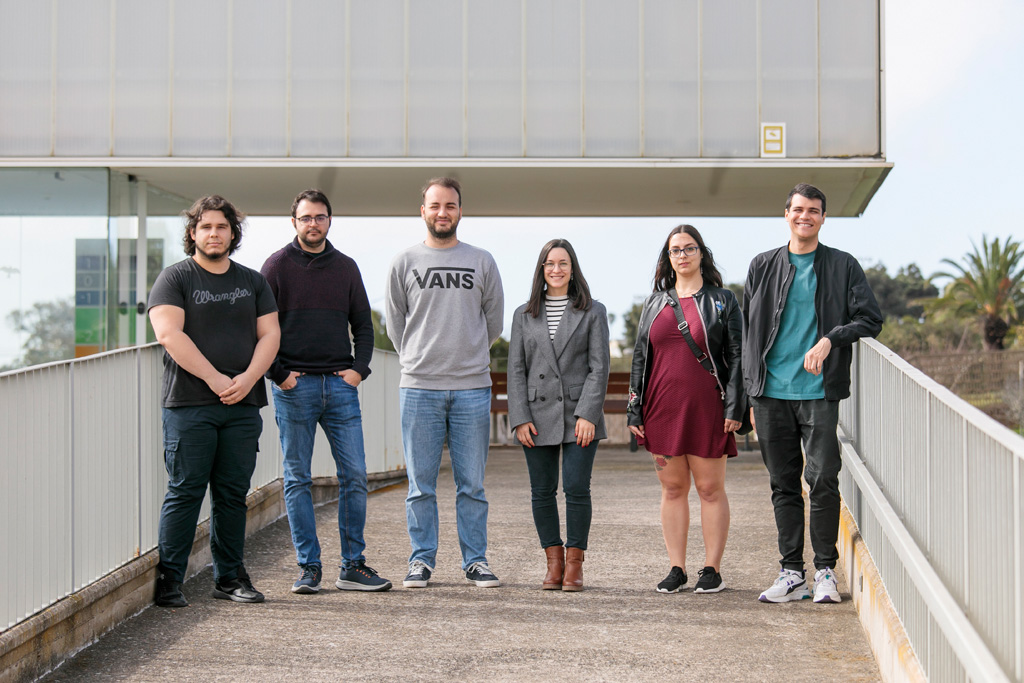
We contacted nine of the 44 participants in the Investigo Program at the University of La Laguna, specifically those from the second and third cohorts, who shared their experiences during their year-long contracts. Overall, everyone involved rated the experience positively, not only because for many it was their first introduction to the world of research, but also because of the valuable human connection they gained by sharing laboratories and other workspaces with some of the university's most prominent researchers, as well as other young people in similar situations.
In fact, while some of them mention their intention to take competitive exams for positions in the civil service or education, others indicate that they will continue pursuing a master's degree or a doctorate with the aim of continuing their research careers. For many of these individuals, it has been a transformative experience to engage with the world of science, participating in what some have described as significant projects, attending conferences and other scientific events during their contracts, and even contributing to the writing of their first specialized article.
Obviously, it hasn't all been positive: some of the people contacted regret that the program wasn't sufficiently publicized and that it only lasted a year, since they had to interrupt their work just as they were beginning to gain the necessary fluency. There are also those who point out that the experience can be stressful at times, although managing that pressure has ultimately been a learning experience. And there are also criticisms of the inflexibility of some schedules, as well as certain deadlines and procedures, which means that the immersion in the world of science has been total… including its relentless bureaucracy.
Mosquito surveillance
Beatriz Yanes Manrique, a graduate in Biology from the University of La Laguna, carried out her contract in the Medical Entomology Laboratory of University Institute of Tropical Diseases and Public Health of the Canary Islands, She has collaborated in the control of the entry and establishment of invasive mosquito species, a task undertaken by this research unit. Her main responsibilities have consisted of sampling at points of entry for people and goods (ports and airports), as well as responding to alerts that arose throughout the contract period. She has also participated in the review of samples from across the archipelago, as the laboratory's work covers the entire Canary Islands.
“It has been a daily learning process where I have seen firsthand what science is and how it is applied to try to improve people's quality of life,” she reflects. “Thanks to this experience, I have been able to see what hard work is, learning things applicable to daily life,” such as that mosquitoes breed in water, “so it is vitally important to eliminate or control all sources of water that they can use to breed,” such as vases with flowers or saucers from flowerpots.
“It has been a great learning experience, a way to see if you fit into the world of scientific research or if it is truly the path you want to follow. In my case, I consider it a very rewarding experience and a great opportunity to advance in my scientific career, as well as to work with a fantastic team.”.
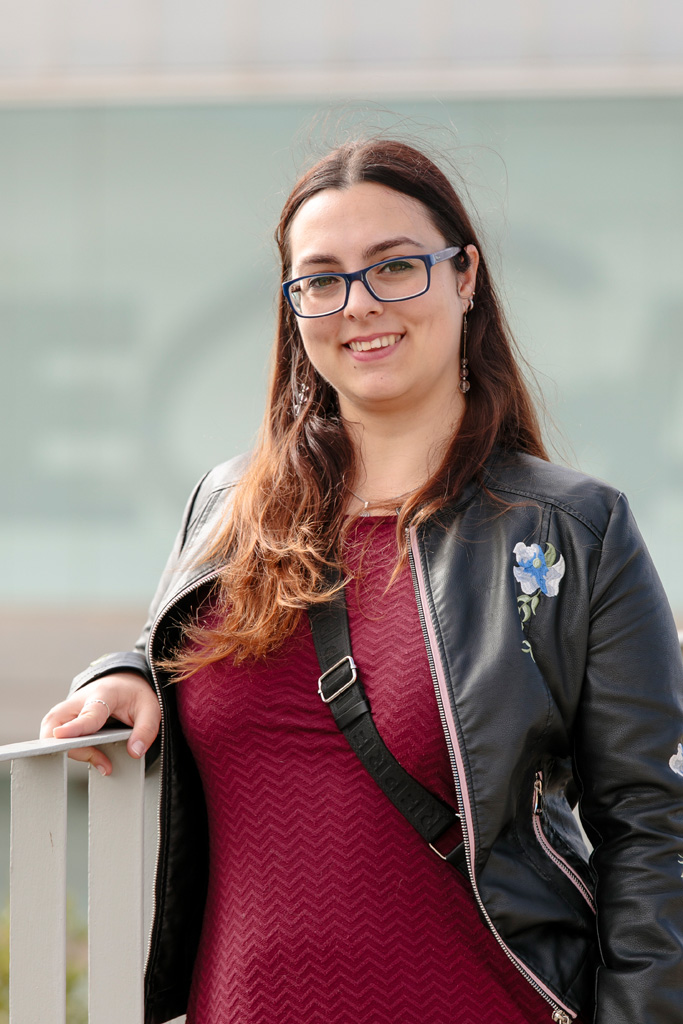
Cira Morales del Río.
Digital Humanities
History graduates Miguel Antonio Di Novella and Cira Morales del Río completed their contracts in University Institute of Medieval and Renaissance Studies, working on the project “Documentary Corpus of the Canary Islands (CORDICan)”, which is a perfect example of what are called “digital humanities”, since its objective is to digitally edit Canarian documentation from the 16th to the 19th centuries to make known texts generated in or about the islands during that period. Both have been supervised by the project directors, the Professor of Medieval History Ana Viña Brito and the professor of Romance Philology Dolores Corbella Díaz, as well as its coordinator, the professor of Medieval History Roberto González Zalacaín.
Both have carried out transcription and digitization work on documents incorporated into this database to create records of each of them. This has involved not only laboratory work, but also visits to the Provincial Historical Archive of Tenerife to photograph documents. They have also transcribed documents sent by other archives in the Canary Islands in Word or XML format and uploaded them along with the images to the platform, where the text is tokenized and normalized, so that each word is written in current Spanish if that variant exists.
Additionally, they have also collaborated in the organization of courses, seminars and events, as well as in the review of articles to be published in the university institute's journal, CEMYR Notebooks. Therefore, they have also been able to establish contacts with other researchers from the aforementioned organization, beyond those who have mentored them.
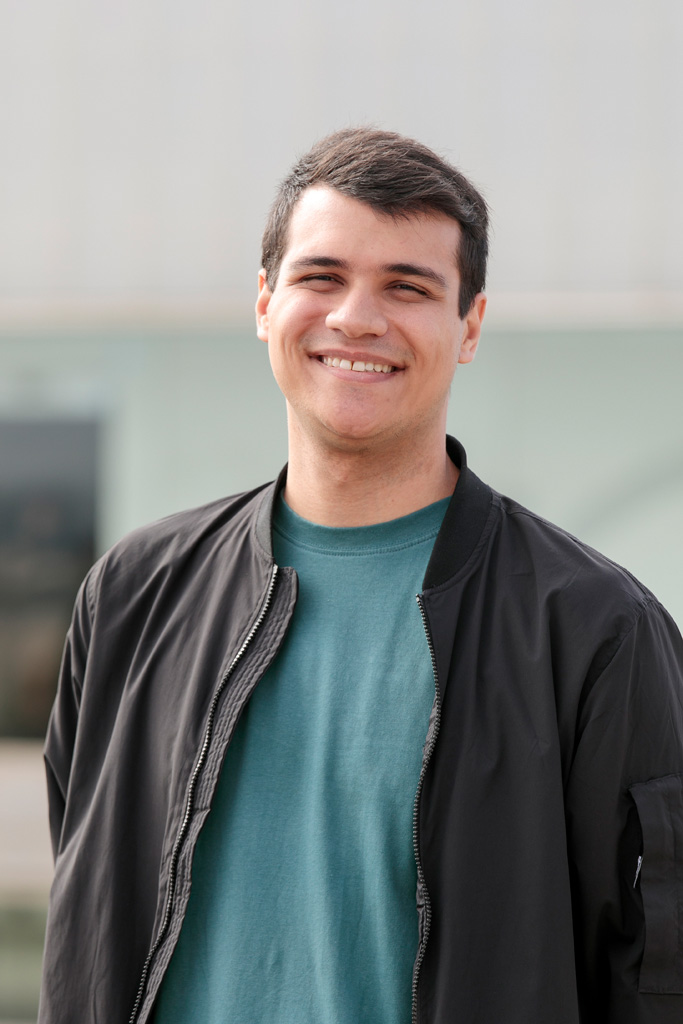
Miguel Antonio Di Novella
“This is my first work experience outside of an internship,” explains Cira Morales, “and the work I’ve done here has not only allowed me to become more familiar with paleography (we receive basic training in paleography during my degree program), but also with XML tools and applications like Oxygen XML Editor, which I had never used before. Furthermore, document digitization is of great importance in the field of cultural heritage. Having had a work experience like this, in such an important and cutting-edge field as Digital Humanities and conservation, will be a great help to me in my future career and studies,” explains this young woman who is currently finishing her degree. Master's Degree in Gender Studies and Equality Policies and is torn between starting a PhD program or beginning to study for the civil service exams for archives and libraries.
For his part, Miguel Antonio Di Novella values the fact that this contract allowed him to put what he learned during his degree into practice. “Without a doubt, opportunities like this demonstrate the value of practice over theory and their necessary complementarity. The program truly opens doors for young people interested in the world of research, so essential for the development of society. The work environment has been extraordinary, and you learn to manage difficulties and challenges, as well as understand the importance of initiative.” He is also considering different options, as he is currently enrolled in a PhD program at the University of La Laguna after having completed the Master's Degree in Teacher Training.
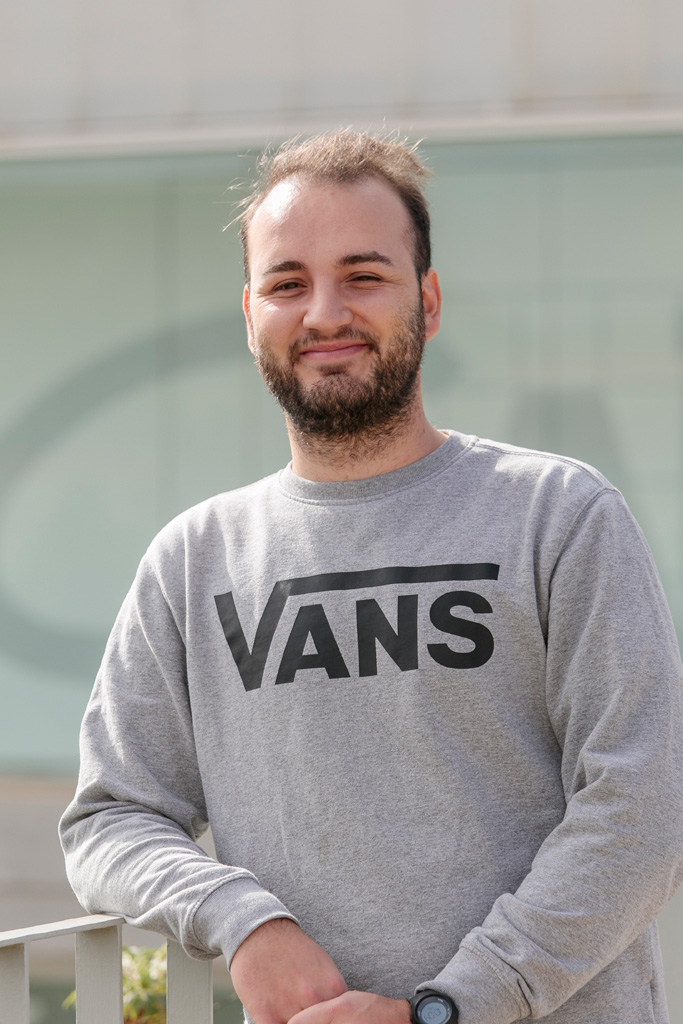
Guillem Aznar Menargues
Open quantum systems
Radically changing his field of knowledge, Guillem Aznar Menargues, a Physics graduate from the University of Alicante, fulfilled his contract in the University Institute of Advanced Studies in Atomic, Molecular and Photonic Physics, tutored by the professor Daniel Alonso Ramírez. Her work has focused on the study of open quantum systems from the perspective of quantum thermodynamics, using various programming languages such as Python and Julia. She has also collaborated on an article with the researcher. Luis Correa and University of Exeter PhD student Jonas Glatthard.
After an initial introductory course to understand key concepts and solve various basic problems, from October 2023 onwards, she focused more on participating in research on heat currents in a quantum system consisting of a qubit and two thermal baths at different temperatures. This task has not been without its difficulties, as working with real-world units on a computer is problematic, and there are differences in the definition of functions in the various Python and Julia libraries.
In any case, she considers the experience to have been rewarding: “I’ve learned a lot this year, but what I’ve gained most is seeing the world of research from the inside. I also grasped many physics concepts that I didn’t fully understand during my degree, especially quantum mechanics, improved my Python skills, and learned a new programming language. On a personal level, since this is my first experience in the working world, it has made me more independent.” She has already completed the Master's degree in Astrophysics, Therefore, he would like to work as a telescope technician at the Izaña Observatory. “If not, I wouldn’t rule out a doctorate or another master’s degree, either in education or meteorology.”.
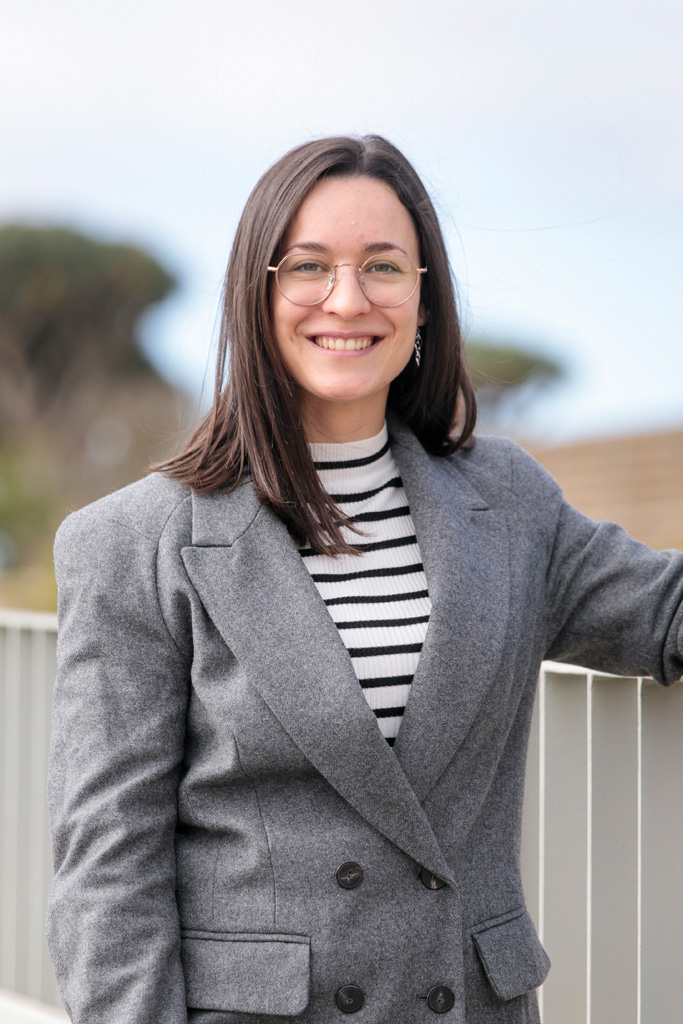
Sonia Díaz Santos
Information technology with a gender perspective
Sonia Díaz Santos holds a degree in Computer Engineering, completed a Master's degree in Cybersecurity and Data Intelligence at the University of La Laguna, and is currently a doctoral candidate in the Doctoral Program in Industrial, Computer, and Environmental Engineering. However, her participation in the Investigo Program was not initially related to computer science, as she completed her research stay in the University Institute for Women's Studies, tutored by its director, Carina Soledad González González, and his secretary, Jezabel Molina Gil. Thus, she has carried out varied work on multiple projects related to gender equality and the promotion of women in fields such as science and technology.
Even so, she has had to use her area of expertise in tasks such as managing and processing data from a gender perspective, creating web scraping programs to obtain gender-sensitive data for the University of La Laguna's Research Portal, and managing the institute's virtual classroom. Additionally, she participated in organizing events such as "Violet Spring," "ULL in Black," and the activities planned for International Women's Day on March 8th; and in projects such as Women@Inf, a European initiative to increase the visibility of women in IT, and COEDUIN, for digital literacy and STEM at an early age; in addition to attending conferences and scientific meetings.
“Overall, my experience in the Investigo program was highly satisfactory and enriching, providing me with a solid foundation for my future professional development and contributing to my personal and academic growth,” as the program allowed her to apply the theoretical knowledge acquired during her training in a real professional environment, expand her network of contacts, contribute to meaningful projects, and develop skills such as organization, communication, teamwork, and problem-solving.
Entrepreneurship and Tourism
Sara Arbelo Pérez, a graduate in Business Administration and Management, has been linked to the company for a year. University Institute of Business, collaborating in the Business and Society research group under the supervision of Carmen Inés Ruiz de la Rosa. There she has collaborated on several studies on issues as diverse as the institutional factors of the environment that influence entrepreneurship, the intention and entrepreneurial activity of African women, the differences in the development of entrepreneurial projects between peripheral and central areas, or studying whether the existence of a relevant tourist activity promotes the development of an institutional context favorable to entrepreneurship, among others.
“Actively collaborating on research projects gave me the opportunity to apply advanced methodologies, such as statistical tests, analysis of variance and covariance, and explanatory modeling using structural equation modeling. Systematic literature reviews and database manipulation also contributed to refining my analytical skills.” Additionally, she had the opportunity to participate in conferences such as Acede GEM and in workshops on topics as specific as structural equation modeling, and she also contributed to the writing of three scientific articles and a book chapter.
Therefore, she also has a positive opinion about her time in the Investigo Program: “This set of experiences strengthened my ability to tackle research challenges and significantly contributed to my professional development in academia,” highlighting that she has been able to enhance her personal and academic CV and establish valuable connections with other researchers. She now plans to pursue a doctorate and try to obtain an FPU/FPI grant or a research contract that will facilitate her postgraduate studies.
Latest advances in neuroscience
Melany León Méndez is already in her first year of a doctoral program in Psychology, so her time at the University Institute of Neurosciences This has undoubtedly been a great help in strengthening her research vocation. During the year she was employed through the Investigo Program, she was mentored by the director and secretary of the scientific institution., Hipólito Marrero Hernández y Alberto Domínguez Martínez, respectively. He also collaborated with researchers such as Ivan Padron Gonzalez, Agustina Birba, Francesca Vitale, Rosario Josefa Marrero Quevedo y Ascension Fumero Hernandez.
During this time, she has gained practical experience in conducting experiments using Electroencephalography (EEG), both in preparing subjects and in the acquisition and advanced analysis of data obtained with this technique using statistical techniques and specialized software. She also received training in Transcranial Magnetic Stimulation (TMS) and improved her scientific writing skills, both in article and technical report format, as well as in research project management (budget preparation, activity planning, and presenting persuasive proposals to obtain funding).
“The Investigo contract has been an exceptionally rewarding and transformative experience, although I must admit it was also a challenging and, at times, stressful period. Despite the challenges, this year of neuroscience training has been an enriching experience that has reinforced my passion and commitment to this fascinating field, in which I hope to continue learning and researching. I am eager to continue contributing to the advancement of neuroscience and to apply what I have learned to improve the understanding and treatment of mental health,” she says.
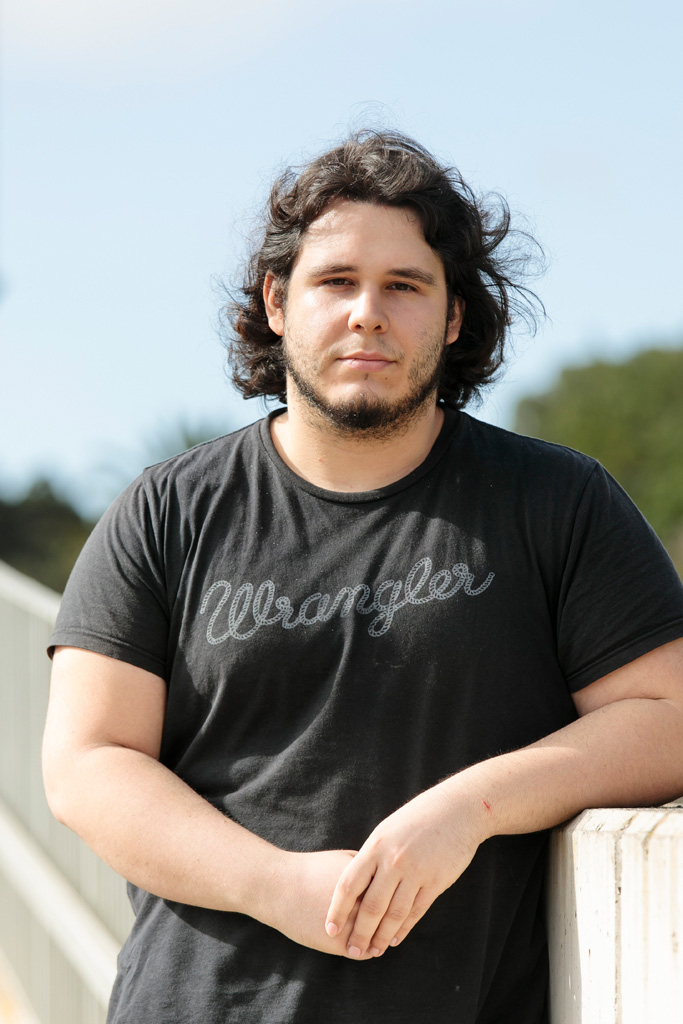
Reni David Rolo Morgana
Treatment of artistic works
Reni David Rolo Morgana, a graduate in Conservation and Restoration of Cultural Heritage, has had the opportunity to expand his knowledge during his stay at the Documentation and Digitization Service for Works of Art (SADOA) which is part of the catalog of the General Research Support Service. Especially in its technical training for the handling of specific instruments: high-quality photographic cameras; editing programs to enhance and improve the images obtained; essential digitization tools and methods for the documentation of works of art; precision machines for accurate measurement; and use of products such as paints, adhesives and consolidants, among others.
Another, less technology-based but equally essential aspect of the work has been the editing and creation of more professional sources. This has involved researching and analyzing diverse information and documentation, both online and in specialized libraries, to improve the quality and accuracy of the studies conducted. All of this is aimed at writing clear and structured reports that adhere to established academic and professional standards—another skill that has been developed.
“In my personal learning process, I have highlighted the importance of communication, collaboration, availability, emotional intelligence, time management, respect and adaptation to the work environment, skills assessment, and the methodology for resolving questions and conducting research. These aspects are fundamental for developing an efficient and productive work environment.” Thus, she has learned to appreciate the value of collaboration with other team members, increased her ability to be practical in a dynamic work environment, and clearly identify and communicate her own skills in order to make them available to the team. With this new experience, she plans to continue her master's studies.
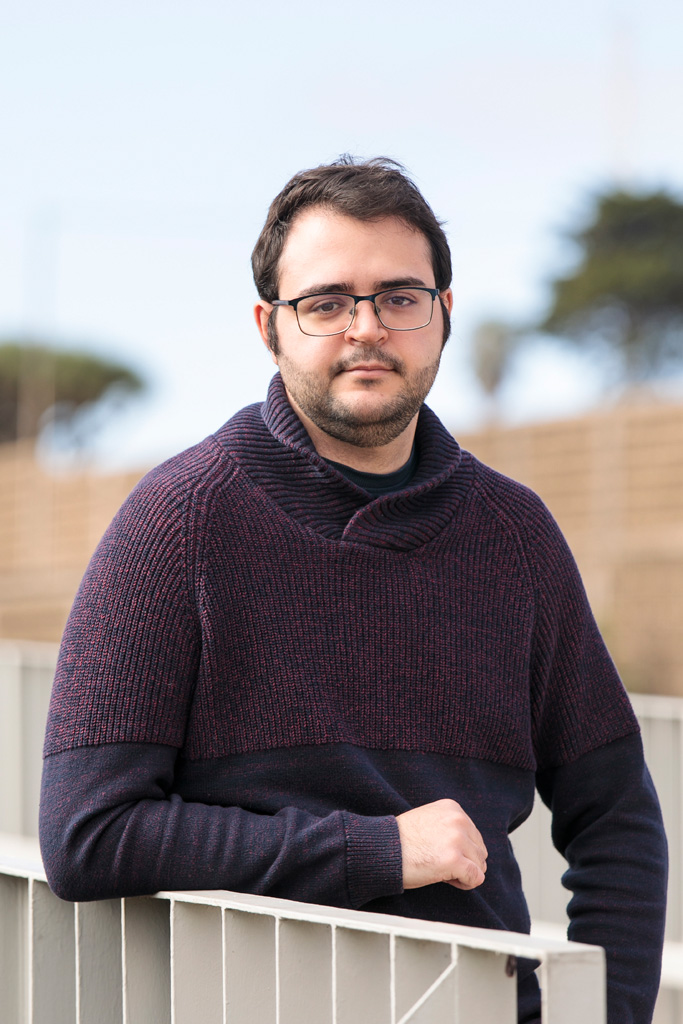
Sergio Gallego Chico
Laboratory techniques
Pharmacy graduate Sergio Gallego Chico carried out the activities of his contract in the Marine Products group of Antonio González University Institute of Bio-Organic Science, supervised by José Javier Fernández Castro and collaborating with Sara García Davis y Nathalia P. Nocchi Carneiro.
During this year of work, she carried out various tasks related to diverse laboratory techniques: culture preparation; extraction of dinoflagellates (biomass and culture media), bacteria, and fungi; sample preparation for biological activity testing; activity assays; preparation of tubes for Nuclear Magnetic Resonance (NMR) experiments; chromatographic processes (open columns, HPLC, Shepadex); and isolation and purification of metabolites. “Sometimes we experienced intense weeks trying to finish things on time, but always with valuable experiences that allowed us to continue learning more each day.”.
For all these reasons, he values the experience as a great learning opportunity, learning new techniques and improving upon others he had studied during his degree but hadn't had much opportunity to practice. “My overall assessment after this year in the program is very positive because it has helped me expand my knowledge in the field, as well as experience firsthand what it's like to work in a research lab. I haven't given much thought yet to what I'll do next, but it would be wonderful to continue gaining academic knowledge in the areas I've been involved in this year,” he concludes.
Communications Office

 Spanish
 English
 French