The Vice-Rectorate for Culture and University Extension at the University of La Laguna launches a program of extension courses each year, held in various municipalities across the island, with the aim of making higher education more accessible to the general public. Registration for the 2025 program is now open. available on the web Institutionally, there are a total of 33 courses from all areas of knowledge that will be taught from the end of April to the beginning of December in 15 municipalities.
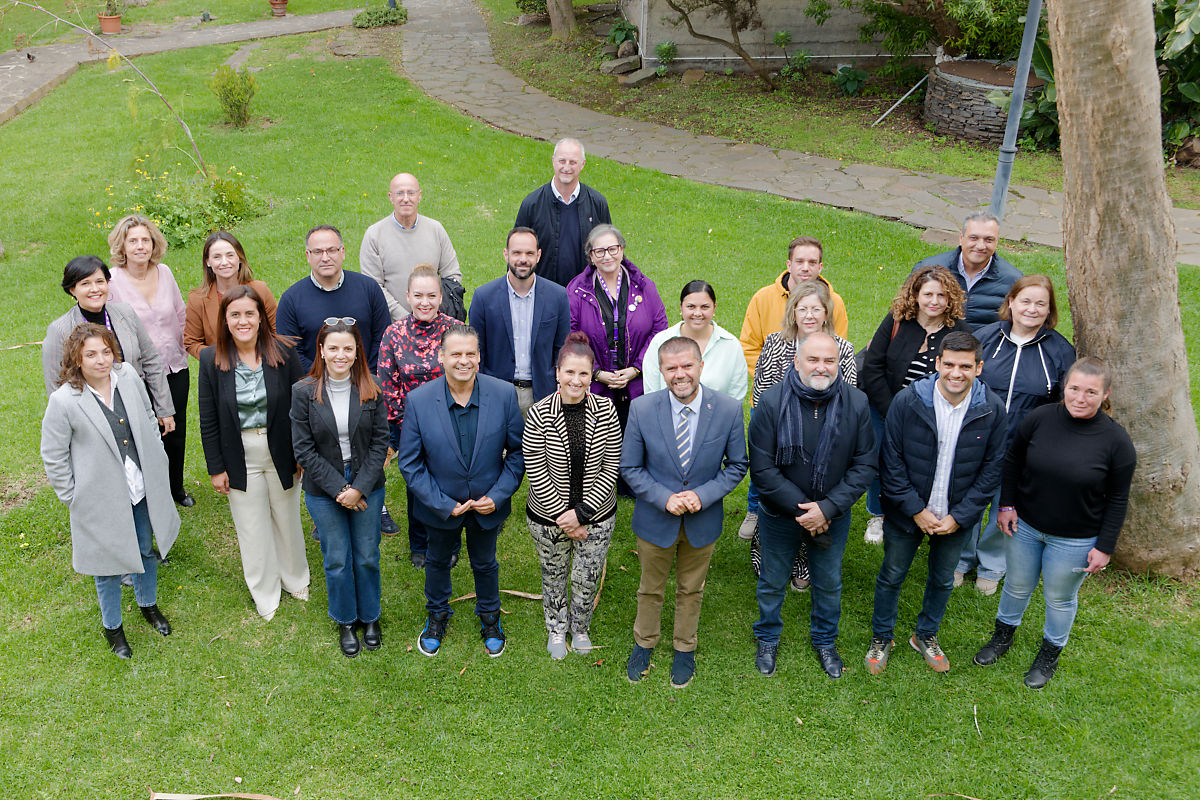
The program was presented today, Wednesday, April 9, at the university headquarters on Viana Street, number 50, with the participation of mayors and municipal technicians from the participating town halls, directors of some of the courses, and representatives from the university's governing body. The rector, Francisco García, emphasized that this program is one of the ways the University of La Laguna demonstrates its social commitment. “The Canary Islands are the region with the greatest social inequality in income and wealth in Europe, and therefore it is necessary to have more and better universities, which is precisely what we are doing here, in collaboration with the town halls.”.
The rector praised the long-standing tradition of extension courses offered in partnership with local councils, recognizing them as a successful way to bring higher education closer to the residents of each municipality. This educational program has adapted to the needs of each era, evolving in structure while maintaining its core essence. "University extension is in our DNA and must reach the people," he stated. He also emphasized that the courses are tailored to the specific interests of each municipality, and some have become particularly popular, such as the seminars on oral storytelling in Los Silos, on poets and décima writers in Fasnia, and on wild mushrooms in El Rosario.
The Vice-Rector for Culture and Outreach, Isabel León, emphasized that this program is a collaborative effort between the academic institution and local authorities, aiming to achieve three fundamental objectives: addressing the needs of the community; fostering a shared reflection on the ideal educational model for these courses, which now need to be “more concise and practical, offering enjoyable learning experiences”; and promoting equity and inclusion. All of this is accomplished through a range of courses encompassing the Humanities, Sciences, Health Sciences, Communication, Environment, and Technology as major thematic areas.
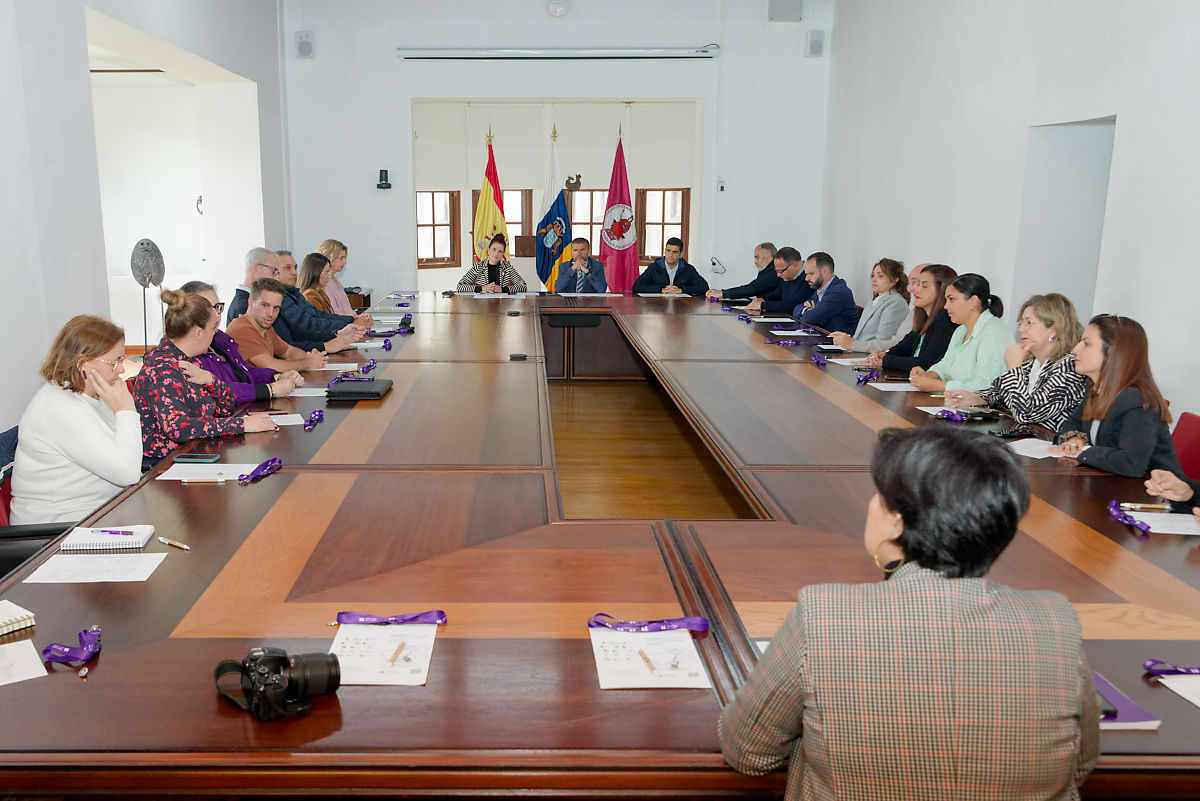 Two mayors participated in the event representing their municipalities. Escolástico Gil, from El Rosario, emphasized that the public university “cannot remain confined within its walls and must reach out to the community.” He praised this course model and noted that his municipality has supported it from the outset and has consistently participated in its various editions. He also highlighted that the University of La Laguna has always come to his municipality when requested, and that this year's course offerings are in high demand.
For his part, the mayor of Güímar, Gustavo Pérez, also spoke positively about the courses offered, highlighting their relevance to social issues such as mental health and activities of interest to his municipality, such as wine tourism. He emphasized the university's role as an agent in the fight against inequality and as an authoritative voice on important matters.
Three professors from the University of La Laguna spoke about their respective courses and assessed the extension programs offered in general. Carmen Rodríguez, which coordinates several seminars on sign language, the university must commit to the inclusion of groups such as, in this case, people with hearing disabilities; Juan Albino Méndez He pointed out that this program is an indicator of the university's high social responsibility, an institution that is a true social elevator for the entire population and yet is not always appreciated by some sectors of society; and Jaime Díaz He recommended that teachers who have not yet taught extension courses do so, as it is an opportunity to connect with the population.
The courses are open to the entire population, regardless of their academic background, and have a general registration fee of 20 euros, 10 euros for residents of the municipality where each one is taught. In addition, interested students may validate their attendance for one ECTS credit.

 Spanish
 English
 French