
It seems almost impossible to close an academic year with such intensity. Over these twelve months, we have witnessed numerous events, experiences, and visits from prominent figures who have deeply inspired us, and we have tried to take a close look at what has happened.
This university is a true repository of multidisciplinary talent that benefits society now and will continue to do so in the future. On our website's homepage, we've published interviews and articles that offer an overview of the initiatives launched by members of our institution, especially in the field of research. We've also occasionally featured visits from some of the many prominent figures who participate in events held at our university. Let's revisit those articles, and perhaps in these more relaxed days, one of them might pique your interest and encourage you to read them, if you haven't already done so during the academic year.
Honorary cause
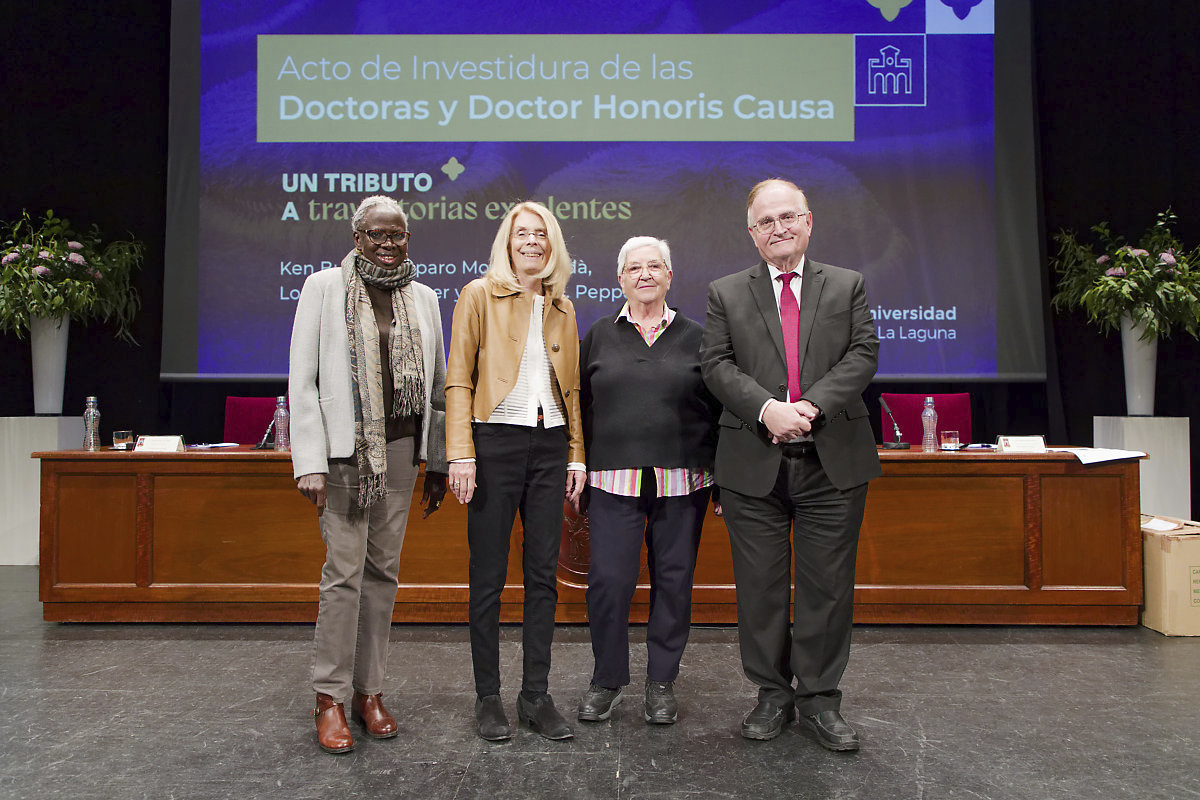
Ken Bugul, Londa Schiebinger, Amparo Moreno and Nicholas Peppas.
This year has been especially significant for our institution because, within a few months, we held two honorary doctorate conferral ceremonies. In total, four women and two men were awarded honorary doctorates, adding their distinguished careers to the already extensive list of recipients, bringing the total to 52.
The first ceremony The ceremony was held on January 18th and honored Senegalese writer Ken Bugul, Spanish journalist Amparo Moreno Sardà, American science historian Londa Schiebinger, and Greek-born, naturalized American chemical and biomedical engineer Nicholas A. Peppas. During the investiture ceremony, Rector Francisco J. García described the careers of these four figures as a “vaccine against indifference,” which he considered one of the great ills of our time.
Just four months later, on May 6 they received their investiture The biologist and current president of the Royal Academy of Exact, Physical and Natural Sciences, Ana María Crespo de las Casas, and the American astrophysicist and Nobel Prize laureate in Physics, John Cromwell Mather. Two paths separated by an ocean, but united by an unwavering commitment to rigor, constant work, and scientific advancement.
World Days
Throughout the year, various international bodies agree on a date to celebrate advances in a specific discipline. Using these world days as a starting point, since last year we have been bringing together researchers related to one of these subjects to raise awareness. The first of these dates that we covered last year was... Week World Breastfeeding Week and we spoke with Marta Díaz Gómez, from the Department of Nursing and editor of the journal “Breastfeeding”", and José Miguel Díaz Gómez, from Cognitive, Social and Organizational Psychology, siblings and collaborators in projects on this practice which, in the words of the researcher, “has economic advantages, being cheaper than commercial milk; environmental advantages, because it does not pollute; and for the health of babies, since there is indisputable data on the reduction of infections, chronic pathologies such as diabetes, coronary diseases, allergies or cancer.
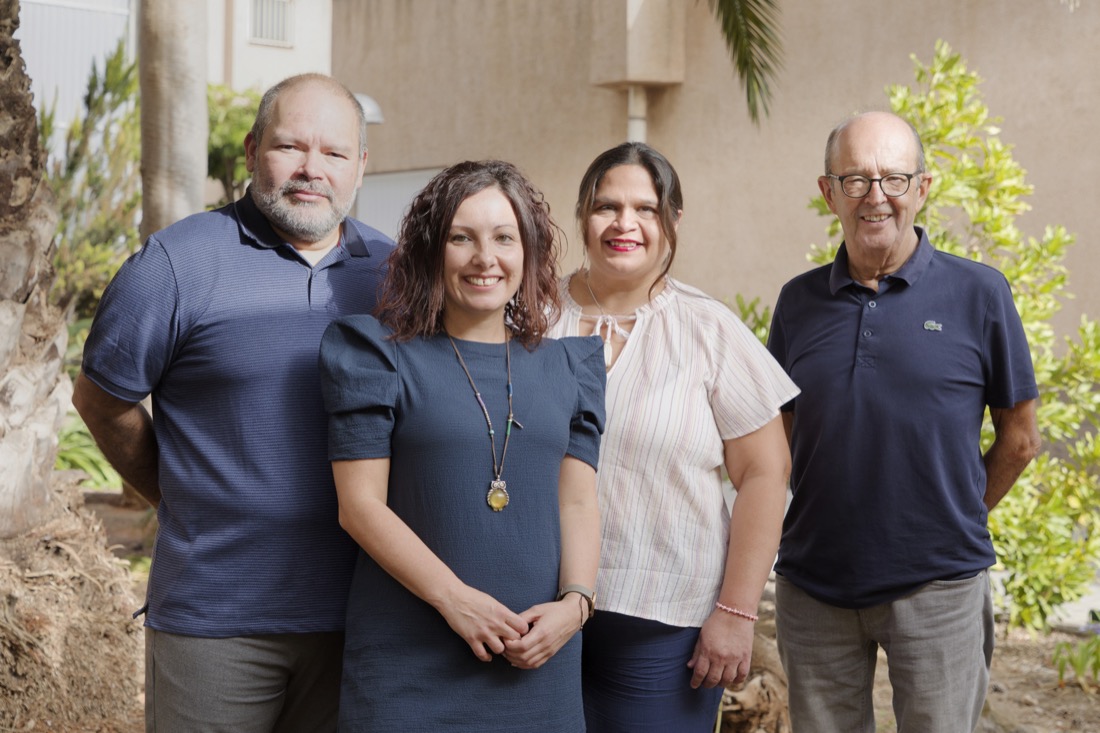
From left to right, Douglas Jimmy Escalante, Laura Díaz, Karina Elvira Rodríguez and Luis Antonio González.
On the occasion of International Biodiesel Day, the research group of Heterogeneous Catalysis which directs Luis Antonio González He enlightened us about this type of fuel, pioneered by Rudolf Diesen in 1923 thanks to his patent based on peanut oil. Laura Díaz, Karina Elvira Rodríguez, José Aythami Pérez y Douglas Jimmy Escalante Also participating in this report on this relevant energy source in this era of greater environmental awareness, given that its carbon cycle is neutral: although it produces CO₂ when burned₂, This is captured again by the plants during their growth and, therefore, does not pass into the atmosphere.
September 30th is the International Translation Day, This is a subject of particular importance at our university thanks to its prestigious Master's Degree in Conference Interpreting, created in 1988 and endorsed and supported by the European Parliament and Commission. We spoke with its director, Carmen Toledano, as well as with other researchers focused on this unique communication technique, such as Alba Rodríguez, Irene Hernández Cabrera y María Magdalena Fernández. This is an area where it seems that Artificial Intelligence could replace human beings, although that is not the opinion of these experts who, on the contrary, do consider it a tool to speed up their work.
Rural women They have their own name day on October 15th, a topic that has also been addressed at our university by researchers such as Teresa González Pérez, Silvia Zelaya Álvarez, Grecy Pérez Amores y María Eugenia Monzón Perdomo, The director of Mercedes Chinea's doctoral thesis on women's work on rural farms in Adeje in the last century denounces how social perceptions place rural women in roles linked to a lack of education or domestic tasks, which has contributed to their invisibility—a historical discrimination that still persists and explains this necessary demand.
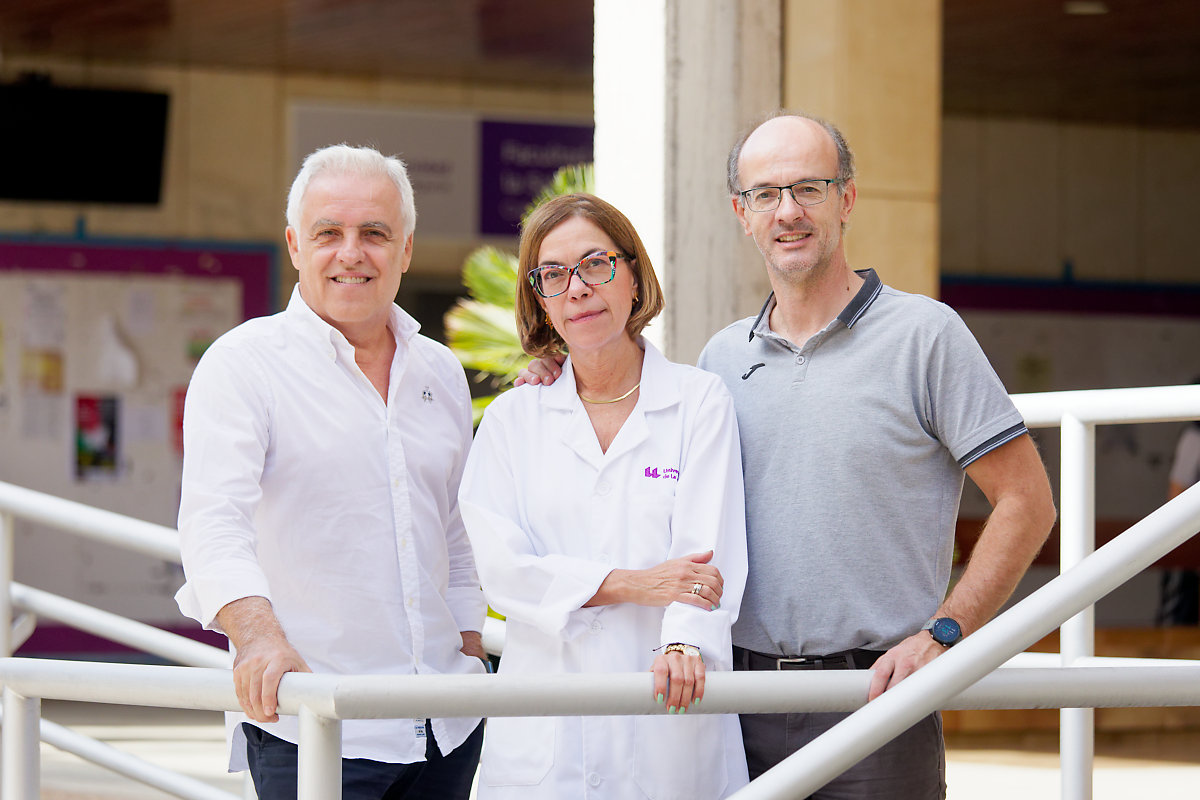
Federico Díaz González, Marta García Bustinduy and Enrique Francisco González Dávila.
The psoriasis is a skin disease which, in addition to the physical discomfort it causes to those who suffer from it, is accompanied by a certain social stigma and, for this reason, every October 29th the battle against this pathology is commemorated. Marta García Bustinduy y Federico Díaz González, of Internal Medicine, Dermatology and Psychiatry, y Enrique Francisco González Dávila, The professors from the Department of Mathematics, Statistics and Operations Research explained to us the multidisciplinary research developed in this field, which has allowed us to reveal more of its intricacies: “Before we thought it was just a skin disease, but now we understand its relationship with many other areas,” the doctor explains.
Something as seemingly novel as the cybersecurity It also has its annual celebration on November 30th. And rightly so, given the large number of critical systems exposed to the misdeeds of hackers, crackers, and other specialists in generating cyber chaos. The Professor of Computer Engineering Knight Pine He leads a research group and two institutional chairs on this subject, while the criminal lawyer from the Department of Basic Legal Disciplines Carlos Trincado She has specialized in the legal aspects of these practices. Although it is a problem closely related to technology, its main risk factor is human error: "We are the weakest link," the professor points out.
Arabic is a language spoken by 400 million people and is official in 22 countries, hence every December 18th Its importance is celebrated not only globally, given its undeniable mark on the history of Spain and the very evolution of Castilian Spanish. The University of La Laguna boasts two internationally renowned Arabists on its faculty: Maravillas Aguiar Aguilar y Dolores Serrano Nice, who on the occasion of this special date reminded us of the influence of this language on place names and many of our everyday words.
The first celebration of 2025 was that of Journalist's Day in Spain, hence Alberto Ardévol, Patricia Delponti, Samuel Toledano, José Luis Zurita, María Dolores Meneses, David Fuentefría y Milena Trenta, all of them Professors of this degree at our university raised different aspects of a profession that is caught between its great technological progress and the shadow of hoaxes, manipulation and misuse of Artificial Intelligence.
Also in January, an international day commemorates the work of professionals in the restoration and conservation, very relevant in a World Heritage city like La Laguna. Elisa Díaz González, scientific lead of Service for the Analysis and Documentation of Works of Art (SADOA), and Maribel Sánchez Bonilla, Professors specializing in the conservation and restoration of heritage assets made of volcanic stone detail the latest methodological and technological advances to promote the permanence in the present of past milestones that have helped to define our identity.
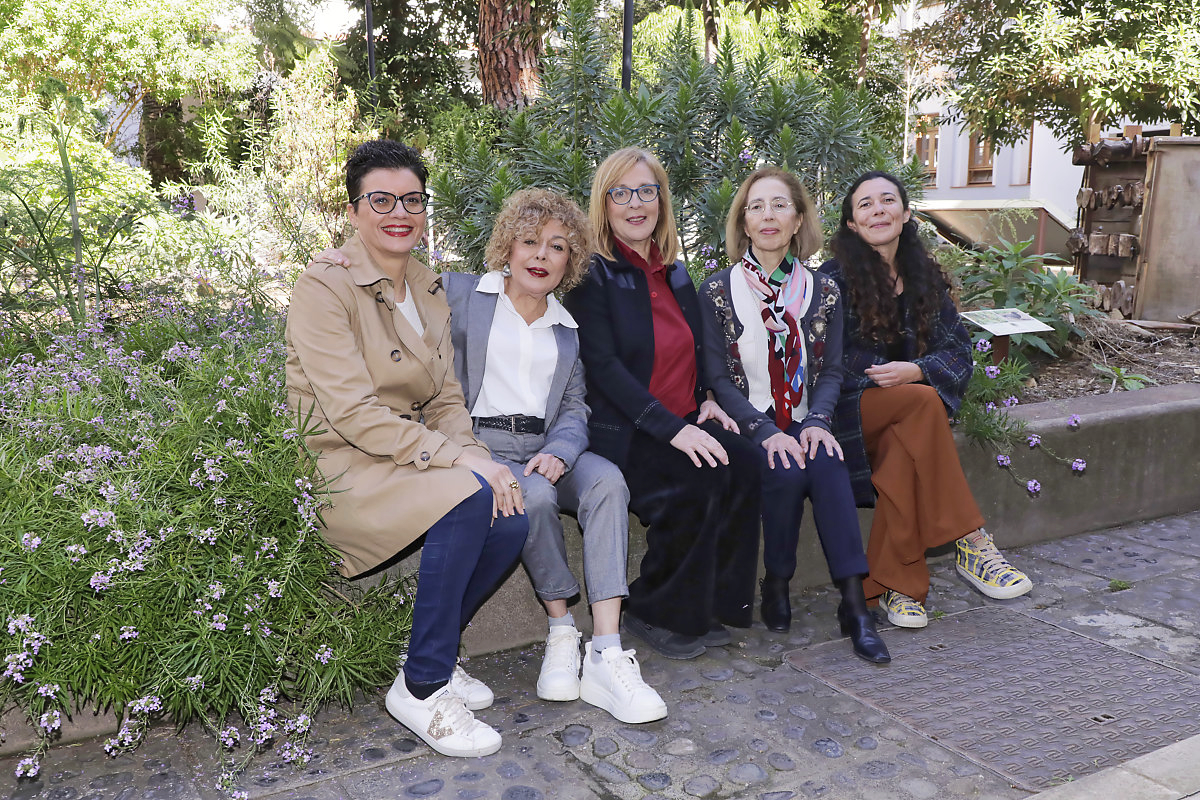
From left to right, Beatriz Abdul-Jalbar, Dulce González, Rubí Rodríguez, Lidia Santana and Adriana Rodríguez.
The low representation of women in scientific and technical degrees and specializations related to technology and pure sciences has led to the fact that every February 11th the International Day of Women and Girls in Science to give visibility to female researchers in these fields who can become role models for school-age girls and awaken their vocations, thus eradicating their low representation in these specialties. Rubí Rodríguez, Beatriz Abdul-Jalbar, Adriana Rodríguez, Lidia Santana y Dulce González They spoke to us from their different specialties about this problem, while also giving many more examples of colleagues who, every day, make knowledge advance in our center.
UNESCO declared on February 21st the International Mother Language Day. In our case, Spanish, with 600 million speakers, represents 7.51% of the world's population linked by this common linguistic bond. Therefore, we speak with Josefa Dorta Luis, María José Serrano Montesinos, Marcial Morera Pérez, Antonio Cano Ginés y Alejandro Fajardo Aguirre, who from the perspective of philology analyze different aspects of our language without neglecting the specificities of the modality practiced in the Canary Islands.
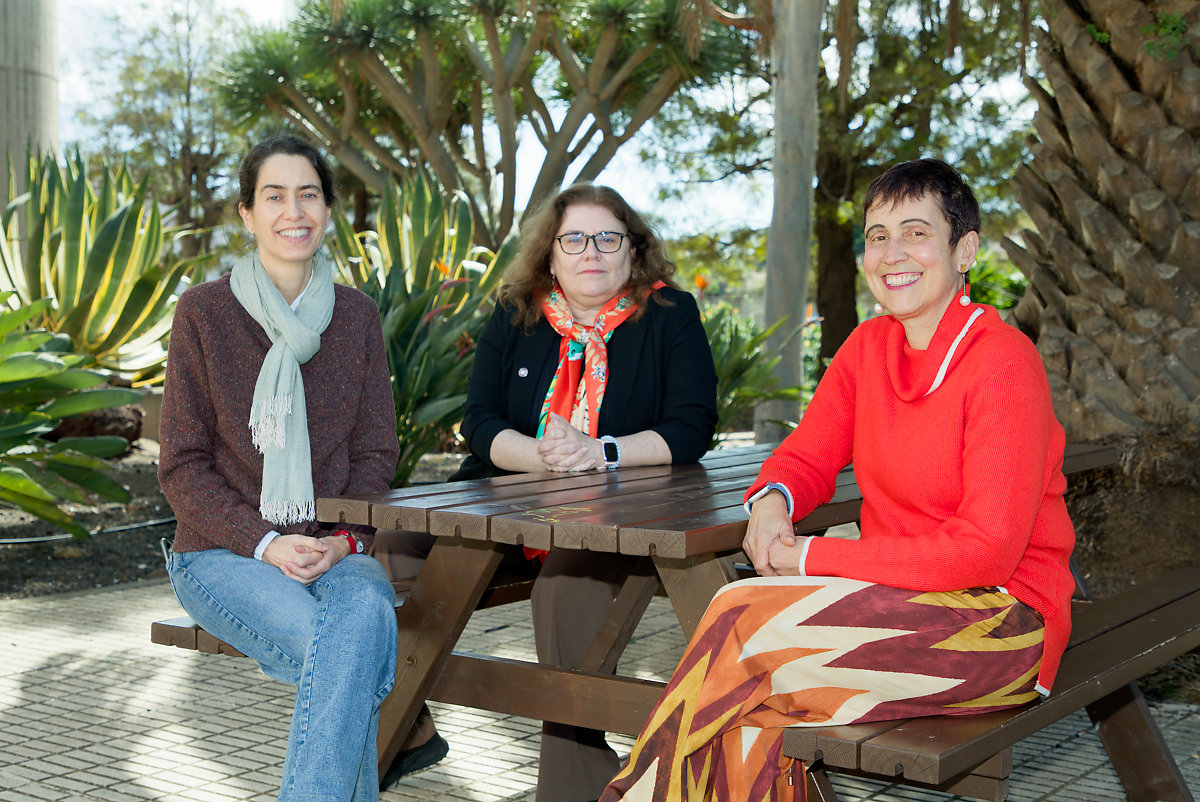
From left to right, Ruth Martinón, Dulce Cairós and Elena Sanchez, at the Faculty of Law.
He International Women's Day Every March 8th, the fight for true equality between men and women in all areas of society is commemorated. To mark this occasion, we have brought together three legal experts: Dulce Cairós Barreto, Elena Sánchez Jordán y Ruth Martinón Quintero, so that, from the labor, civil, and international spheres respectively, they could enlighten us on how this aspiration for equality is reflected in legislation. “Things have changed a lot in the West, and specifically in Europe, but I don't see us as having evolved that much because there is still a lot of gender bias,” the first of them points out.
This year, the University of La Laguna also celebrated its own anniversary: the twentieth anniversary of its virtual campus, a tool now commonplace but which, in its day, represented a true educational revolution. Information and communication technologies applied to the educational field They have enjoyed great prestige in our center thanks to the work of teachers such as Manuel Area, creator in 1999 of Laboratory of education and new technologies (EDULLAB) and director of the TECNOEDU Chair of Technology and Education; Carina González, principal investigator of the group ITED: Interaction, ICT and Education; Ana Luisa Sanabria: y Bethlehem Saint Nicholas, who detailed for us the advantages and challenges for teachers and students of these platforms.
Due to its geographical conditions, latitude, volcanic soils, and diverse vegetation, the Canary Islands are home to a great wealth and variety of plants and trees, resulting in a layered vegetation. On the occasion of International Day of Forests, Biologists and ecologists José María Fernández-Palacios, José Ramón Arévalo y Lea de Nascimento They discussed the threats facing ecosystems like the laurel forest due to tensions caused by climate change and population growth, and also the work being done to conserve and restore these areas.
It's hard to believe that an advance like vaccines, responsible for saving tens of millions of lives each year and eradicating previously deadly diseases, is being questioned by waves of deniers. Therefore, it's important to reaffirm at the end of April the World Immunization Week and thus counteract this sinister and unscientific trend. The researchers Agustín Valenzuela, Yvelise Barrios y Judith Estévez Herrera They gave us as an example of this crucial battle against infection their own work on pathogens such as HIV, SARS-CoV-2, Zika and other viruses and bacteria.
In a context where anyone with a mobile phone and a couple of apps can become a content creator, and generative artificial intelligence is straining the concept of authorship, the defense of the intellectual property It regains relevance. Every April 26th, a world day serves as a reminder of the importance of having a balanced system of recognition and rights that acknowledges and rewards inventors and creators for their work. The jurist Luis Javier Capote Pérez He explained different legal aspects related to this issue, while the head of the Library's Coordination Section, José Manuel Erbez, explained the work of the Intellectual Property Advisory Service.
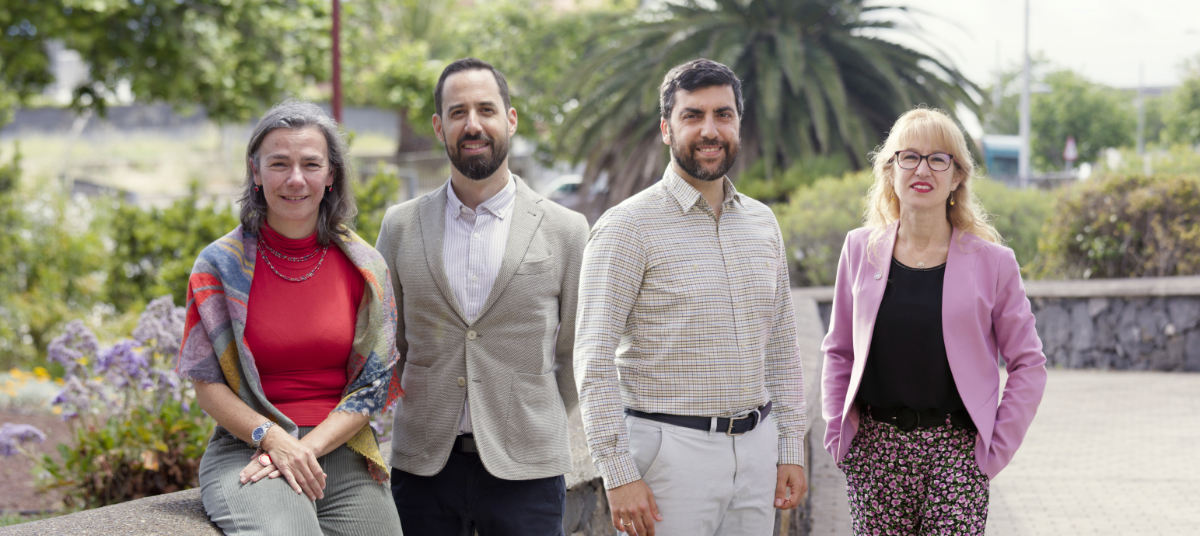
From left to right, Alicia González, Carlos Trujillo, Javier Mendoza and Susana Franco.
The building of European institutionsMay 9, 2025, marked a significant milestone, as it was the 75th anniversary of the momentous speech delivered by the then French Foreign Minister, Robert Schuman, which laid the foundation for the current EU. The legal experts Susana Franco Escobar, Alicia González Navarro y Carlos Trujillo Cabrera and the economist Javier Mendoza Jiménez They analyzed the role of this multilateral organization in public life and in our regulatory framework.
In a happy coincidence of the calendar, Canary Islands Day, celebrated on May 30, coincides with the Potato Day, one of the most characteristic agri-food products of our archipelago, in which there are Varieties originating from the two centers of origin of this crop in America: the Andes Mountains and Chiloé Island. This is how he explained it to us. Domingo José Ríos Mesa, who together Raimundo Cabrera Pérez y Beatriz Rodríguez Galdón, They detailed related issues concerning its production and nutritional values.
When we think about economics, our minds go to large multinational operations, tariff agreements, stock market speculation, indices, and other large numbers that seem as arcane as they are directly influential in people's lives. But another economy on a more human scale is also possible, and within it, cooperatives are an organizational model with a more community-oriented vision. Every first Saturday of July, the International Day of Cooperatives And, to delve deeper into its role within the local economy, we spoke with Cándido Román, director of the Cajasiete Chair of Social and Cooperative Economy, and Inés Ruiz, responsible for the Teaching to Undertake project, in which school cooperatives become a pedagogical tool.
On July 14, 1789, the storming of the prison known as the Bastille marked a turning point in French history, signaling the beginning of the revolution that would end the monarchy. This is why it is celebrated as France's national holiday, and, taking advantage of the occasion, teachers José Adrián García Rojas, Dulce María González Doreste y María del Carmen Marrero they analyzed the state of a Francophonie that currently lives between a necessary shift towards postcolonial Africa and the tension experienced by enlightened ideals.
Bright students
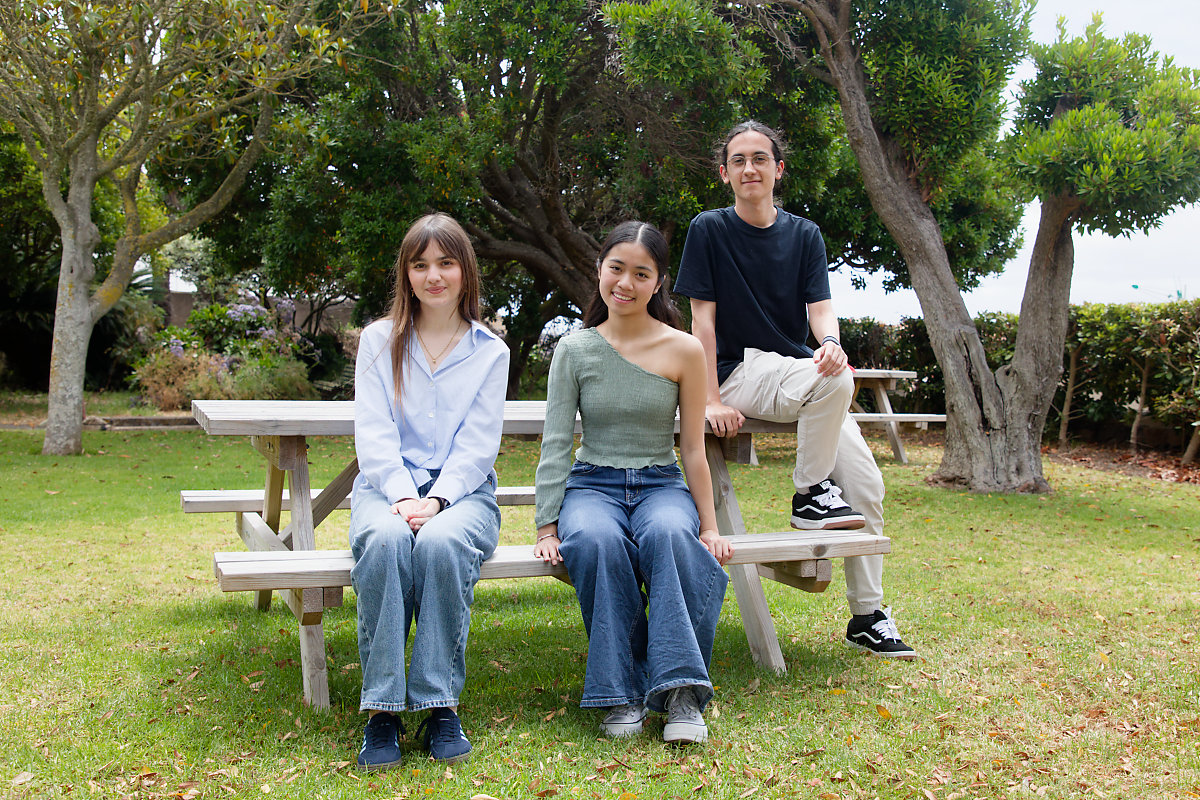
From left to right, Irene Pérez, Beatriz Wangzheng and Aleix Gutiérrez.
As usual, we spoke with the three students who obtained in 2025 the highest entrance grades In the general phase of the university entrance exams (PAU): Aleix Gutiérrez, from La Salle San Ildefonso School, will study Mathematics in Barcelona; Irene Pérez, from La Guancha High School, has opted for Biomedicine in Seville; and Beatriz Wangzheng, from Lucas Martín Espino High School in Icod de los Vinos, had planned to study Medicine at our school. Interestingly, all three claim to be somewhat disorganized students whose key to success is making the most of their study time, foregoing social media if necessary. Walks, music, or playing with their newborn nephew were their escape routes when studying became too difficult.
And while Aleix, Irene, and Beatriz are the brightest students starting university, Nelson Rivas Chacón is the most outstanding in graduating, having received the award for best academic record of the 2023-24 academic year granted by the Association ULL Alumni. With an average grade of 9.6 in the Physics degree, he is currently studying She holds a Master's degree in Nanophysics and Advanced Materials from the Complutense University of Madrid and plans to pursue a PhD to enter the world of research. Like many young people in her graduating class, her academic journey was marked by the pandemic years, and perhaps that's why she especially values the contact with her classmates: "The relationships built during these years surpass any other noteworthy aspect of university.".
During undergraduate studies, there are increasingly more opportunities to undertake extended stays abroad, not only to diversify the curriculum but also to broaden one's perspective on other realities. In addition to the well-established Erasmus+ program, which has been an essential tool for European integration, there are others, such as the one funded by Santander Universities for undergraduate studies in non-EU countries, or the one offered by the Vice-Rectorate for Internationalization and Cooperation with funds from the Tenerife Island Council, for development cooperation internships. Thus, We reported on the experiences of some of the beneficiaries of those two programs, which have taken students from the University of La Laguna to Argentina, Brazil, Gambia, Ghana, Equatorial Guinea, Mexico, Cuba, Uruguay, Venezuela, Cape Verde, Colombia and China.
Other investigations
Aside from the projects discussed in the articles commemorating special dates, we have also covered innovative work. For example, the professors in the Department of Computer and Systems Engineering Coromoto León y Gara Miranda They told us about the thesis they co-directed, read by Rafael Herrero, The report, which assesses computational thinking for the development of an emotion-based adaptive learning support system, also led to a discussion about the initiative. Think Computacio@ULLmente, promoted by the Tenerife Island Council and the Scientific Culture and Innovation Unit of the University of La Laguna, Cienci@ULL.
Transferring research results is one of the university's goals, and proof-of-concept projects are one of the ways to do this. Hipólito Marrero, researcher member of University Institute of Neuroscience, he lent us NEUCOGTOOL, This pioneering neurocognitive tool will be used to assess approach-avoidance inhibition in mental disorders. “What we do is choose affective disorders, such as depression, social and generalized anxiety, eating disorders, and obsessive-compulsive disorder. On the other hand, we select specific tasks offered by experimental psychology, which we have found at the institute to be very effective at measuring both inhibition disorders and approach-avoidance conflicts,” he explains.
The Cienci@ULL unit organizes a science outreach competition Based on videos of less than five minutes, the competition was aimed at doctoral students from the two public universities in the Canary Islands and young researchers from R&D centers in the Canary Islands. The winner was Daniella García. for their video “Learning through play is indeed possible,” where she explains her study on specific teaching methods. We spoke with her and some of the other 18 participants. In her opinion, videos have enormous value in making complex topics more accessible: “Otherwise, people wouldn’t be interested in reading scientific articles or specialized books,” she states.
The fight against animal abuse has intensified in recent years thanks to the new Law 7/2023 on the protection of animal rights and welfare. However, in 2024, cases continued to occur. 1,389 crimes against pets, according to the State Attorney General's Office, so it is necessary to continue focusing on this problem. An investigation from the University of La Laguna led by Ana María Martín It investigates the psycho-environmental variables involved in social concern and behavior regarding animal abuse, in order to determine which factors influence the perception of these crimes and thus develop more effective awareness campaigns. The project also involves... Andrea Vera, Bernardo Hernández, Christian Rosales, Cristina Ruiz y Stephany Hess Medler.
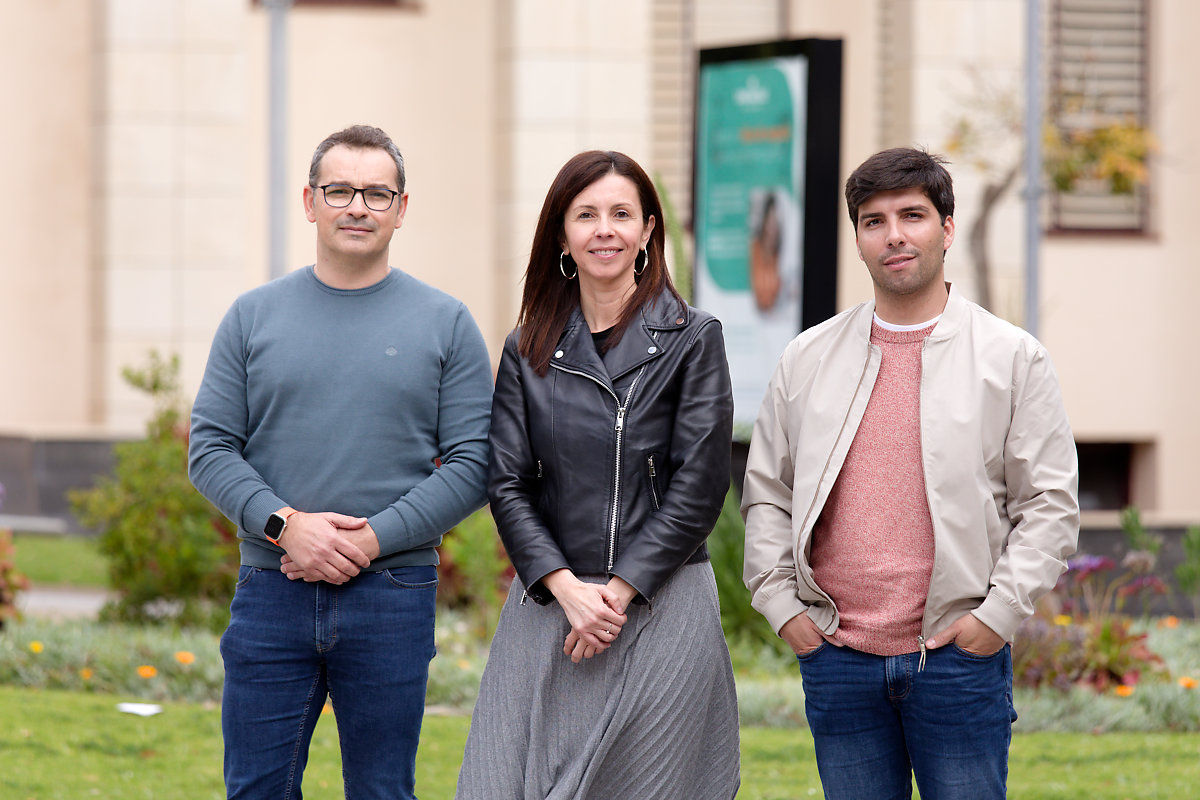
From left to right, Juan Elicio Hernández, Belén Melián and Zeus Plasencia.
Every March 11th, our university celebrates its Institutional Day with a ceremony in which several awards are presented. One of them is the... Educational Excellence, The recipients of these grants are determined based on the results of the Support Program for the Evaluation of University Teaching Activity, Docentia, specifically among those who received the "Excellent" rating. The 2025 winners were: Christ Manuel Hernandez Gomez, in the area of Arts and Humanities; Eduardo Pérez Roth, in Science; Juan Elicio Hernández Xumet, in Health Sciences; Belén Melián Batista, in Engineering and Architecture; and Zeus Plasencia Carballo, in the area of Social and Legal Sciences.
Although there have been haikus, aphorisms, and other short literary forms, these genres have undoubtedly experienced a boom in recent decades, with the micro-story emerging as its star. For the past decade, the University of La Laguna has celebrated a biennial symposium on microfiction The sixth edition will be held in November 2025, focusing on the theme of mystery. Its three organizers are professors from the Department of Spanish Philology. Darío Hernández Hernández, Nieves Concepción Lorenzo y José Antonio Ramos Arteaga, They explained its intricacies to us.
The Professor of Applied Economics Serafín Corral She leads a research group on post-growth in island spaces whose work is based on the premise that these territories offer ideal conditions for testing new ways of understanding development. Regarding the current situation in the Canary Islands, The expert warns that the growth model creates social dissonances: “We continue to receive more tourists every year, but that is not reflected in an improvement in the quality of life of the residents. There is no direct correlation between more tourism and more prosperity.”.
Another investigation we reported on was that of the doctoral candidate Claudia Hurtado Pampín, who is completing her thesis under the supervision of the tenured professor of Zoology José Carlos Hernández Pérez and the anthropologist Raquel de la Cruz Modino. Its objective is to analyze the status of sea turtles present in the archipelago The Canary Islands and their interaction with artisanal fishing, marine tourism, and the general public. Hurtado points out that the Canary Islands are a crucial stopover point for juvenile populations of these species, which arrive to feed, rest, and grow before continuing their migration. Therefore, any threat in this environment can have a global impact.
And from the ocean depths we move to the subsoil, without neglecting climate change, as the researcher from the Department of Animal Biology, Soil Science and Geology Margarita Jambrina has specialized in paleoclimatic studies based on soil analysis, Because it contains traces of droughts, floods, haze, forest fires, and human activities, all of which can be dated to create detailed chronologies. This data not only helps us understand the past but also enriches and calibrates current climate models: “The more data we have on the natural variability of the climate, the better we can distinguish between human-induced changes and natural processes,” he says.
Social science research is essential for detecting potential weaknesses in the system in order to try to correct them or, at least, to make the data available to the authorities. The sociologist Leopoldo José Cabrera has dedicated a good part of his career to studying the Educational inequalities and their impact on society. Regarding the controversy surrounding a standardized university entrance exam across the country, he warns that not all regions start from the same point, so a system that is designed to promote equal opportunities could ultimately exacerbate differences between regions, benefiting the wealthiest more.
Still within the social sphere, the introduction of a gender perspective necessitates a revision of an academic tradition that, until now, has been marked by a patriarchal lens that has relegated women to a secondary role. The historian Inmaculada Blasco Herranz maintains a line of research on the analysis of male bias in historical texts, whose roots lie in the historiographical perspectives that predominated during the 19th and 20th centuries and which focused solely on the "big names" of politics. The arrival of social history opened the field of analysis to other aspects equally relevant to understanding the past.
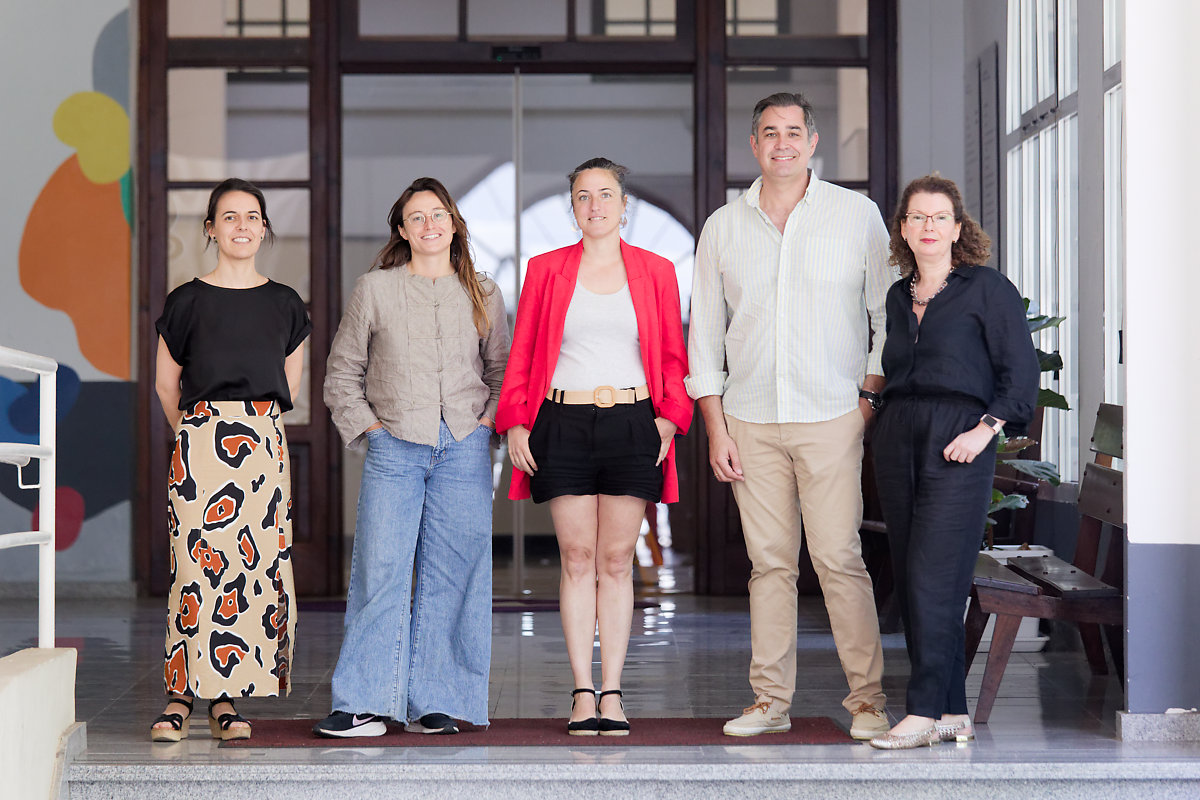
Emma Fernández, Olga Movilla, Deiene Rodríguez, Ángel José Gutiérrez and Emma Carmelo.
These and other research projects are possible thanks to funding, and undoubtedly, funding from European institutions is among the most sought-after, though also among the most competitive. At the beginning of July We reported on the projects that have secured funding through calls for proposals such as Horizon Europe and Interreg, and we spoke with some of those responsible for them: Deiene Rodriguez, coordinator of EPIAQUA, which analyzes the epigenetic mechanisms underlying nutritional programming in fish; Esteban Luis Porrini, of Diabetes, obesity and kidney, which studies the renal consequences of diabetes and obesity; Luis Alberto Correa Marichal y Olga Movilla Miangolarra, of "“Schrödinger bridges to open quantum systems”, which seeks to develop a theory for the control and estimation of the dynamics of these systems; Emma Fernández Alvar, from “Temporal Evolution of the Milky Way Properties from an Observational and Theoretical Synergy”, which unravels the events that led to the formation of the Milky Way through the analysis of its stellar populations; Emma Carmelo, of TecnoMac, which develops processes for detecting pathogens and food risks focused on Macaronesia; and Angel Jose Gutierrez, of ALSEMAC, which promotes the responsible production and consumption of food, based on the principles of circular economy and food safety.
Visitors
Throughout the course, we have also spoken with some people who have come from other countries and institutions to participate in events organized by our university. The writer and academic Raúl Vallejo, Vallejo, who has also served as Minister of Education and Minister of Culture and Heritage in several Ecuadorian governments, was responsible for closing the fourth edition of Campus América. In an interview, he discussed the tense socio-cultural reality of his country, which, in his opinion, continues to suffer from the historical wound of the lack of integration of its plurinational character. Although its 2008 Constitution expressly mentions this in its articles, this definition has not yet been translated into everyday life.
Michael Ben-Eli He trained as an architect in London, but has also explored cybernetics, which contributed to his vision.a new epistemology to address complexity.”. From this combination emerged the New York Sustainability Lab in 2008, an international consultancy on sustainable development that has implemented projects in various parts of the world, including the Canary Islands. It participated in the conference in March. “Exploring the Frontiers of Sustainability in the Canary Islands”, during which he presented a diagnosis Regarding our region, where I see opportunities for improvement: "There is unique potential and capacity, but also a framework that does not encourage innovation.".
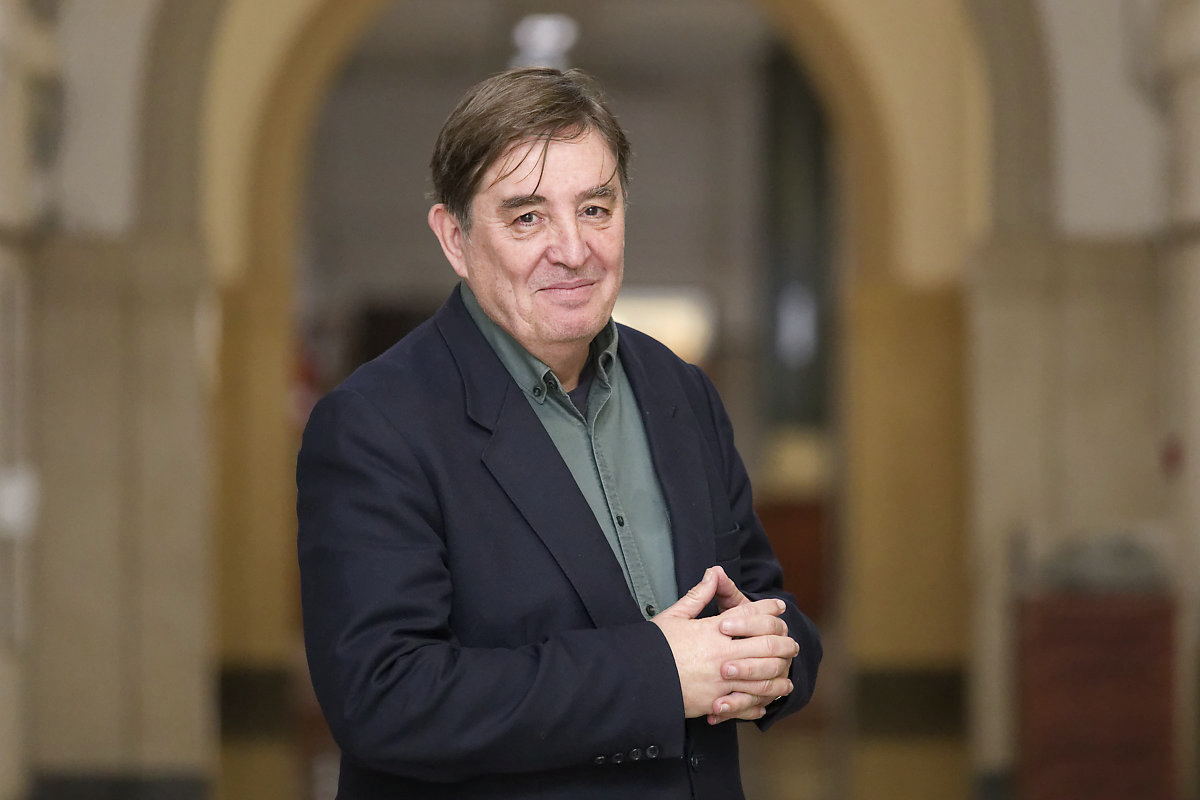
Luis García Montero.
That same month, we were visited by the poet and director of the Cervantes Institute, Luis García Montero, who, in addition to giving a lecture in which he defended a Humanism in a broad sense that incorporates science and technology, also signed the agreement thanks to which the University of La Laguna hosted the event this July. annual meeting of the directors of the institution he/she presides over. During the interview he gave us He emphasized the role of new generations as an essential energy for renewing culture. “Young people have intuition and sensitivity, but sometimes the system imposes a relentless culture on them, where there is no time to question the meaning of words.”.
This concern for the humanities in the age of Artificial Intelligence also worries Cristina Aranda, philologist, technology consultant and co-founder of Mujeres Tech and Big Onion, who visited us as part of the program TEKNE, which promotes knowledge-based entrepreneurship. In his opinion, one of the keys to training professionals capable of facing current technological challenges is to recover critical thinking from the ground up, and that inevitably involves bringing the humanities, and especially philosophy, back into the classroom. “It is urgent that we return to teaching students to question, to analyze, to not accept as valid any information that reaches us through our mobile phones,” he emphasizes.
With this call to critical thinking in times of media distortion, we conclude this review of nearly twelve months of diverse testimonies that highlight the value of knowledge. As always, we invite you to check our homepage starting in September to stay informed about the work of our university community and its contribution to the social and cultural development of our region.
Communications Office

 Spanish
 English
 French