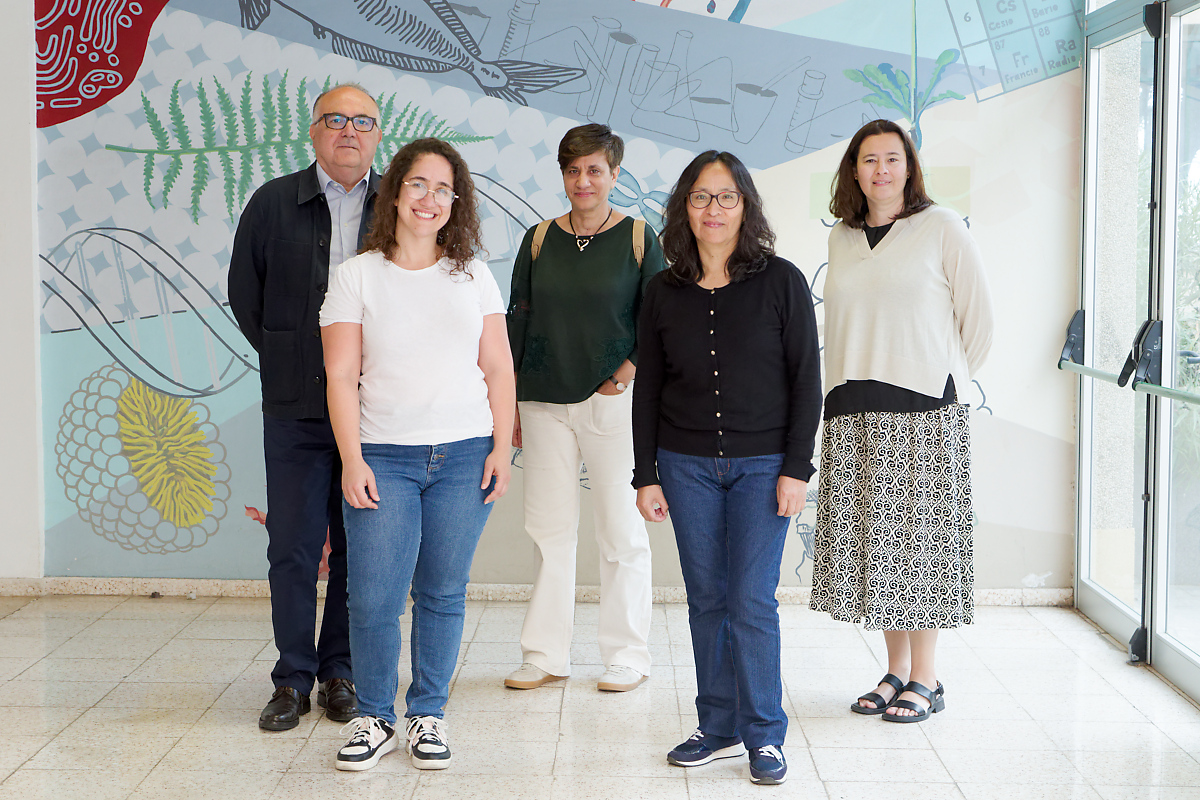
Biotechnology is a field of knowledge that is driving scientific research and revolutionizing industry. Its multidisciplinary nature, combining studies in biology and pharmacy with areas such as engineering and computer science, makes its definition complex. For this reason, the United Nations, in 1992, during the Convention on Biological Diversity, established a glossary of terms related to this field in Article 2. In that article, biotechnology is defined as any technological application that uses biological systems, living organisms, or their derivatives to create or modify products or processes for specific uses of human interest.
Last year, the European Commission announced a proposal for a Biotechnology Law aimed at increasing competitiveness in the healthcare sector and boosting biotechnology companies in the health field. However, biotechnology has applications in multiple sectors due to its cross-cutting nature.
Such is its scope and diversity that a color-coded system exists, with each specific branch assigned a color: green for the study of more sustainable crops resistant to pests and droughts; red for those focused on medicine and health; blue for marine biotechnology; gray for everything related to the environment; and yellow for nutrition and food research, among others. The University of La Laguna is committed to promoting the applicability of research conducted in the various areas and to transferring its knowledge.
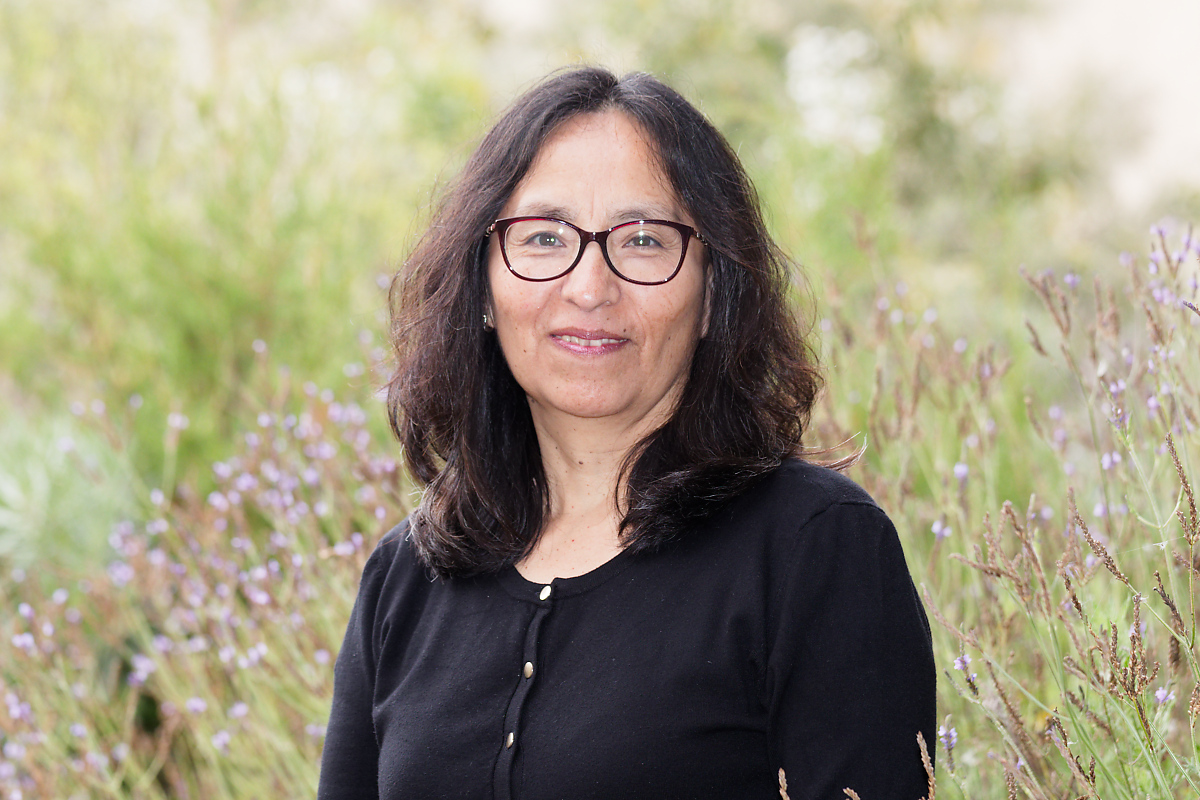
María Antonieta Quispe Ricalde.
Environmental diseases and pollutants
Health or red biotechnology is the branch that includes biosanitary applications, whose ultimate goal is the prevention, diagnosis and treatment of diseases. María Antonieta Quispe Ricalde, assistant professor in the area of Nutrition and Food Science at the University of La Laguna, works specifically on the pathology of leishmaniasis, an infectious disease caused by the parasite Leishmania, which is transmitted through the bite of infected insect vectors.
“The application of my research is aimed at designing diagnostic systems for this infectious disease,” Quispe Ricalde points out. Specifically, the researcher notes that in Latin American countries where this disease is endemic, it is a significant public health problem, and currently there is no specific diagnostic tool available at primary healthcare centers.
Her research focuses on improving diagnosis through both molecular biology and serology techniques. “We continue to investigate molecules and techniques that will improve diagnosis, as well as their application in rural areas, where infrastructure is lacking,” the researcher emphasizes. Although PCR diagnosis, which detects the parasite's DNA, has seen significant advances, the researcher argues that “the need for adequate infrastructure and technology for PCR application” cannot be overlooked.
Their research highlights a fundamental problem within biotechnology applied to health: ensuring that scientific advances truly reach the most vulnerable populations. Therefore, their work also aims to develop simpler, more affordable, and universal diagnostic tools that can be implemented in rural or endemic areas where the disease is more prevalent.
Another of her research areas is the study of halophilic bacteria, which have significant applications in the field of environmental or gray biotechnology. Her studies began with the isolation of these bacteria from saline springs. After identifying and sequencing their genomes, she detected the presence of genes related to resistance to metals, including arsenic.
Based on these findings, the research focused on studying the bacteria's ability to resist and transform this contaminant. This makes them potential candidates for environmental bioremediation applications, a biotechnology application that degrades, transforms, or neutralizes toxic pollutants, converting them into substances that are harmless or less harmful to the environment and human health. Specifically, the activity of these bacteria could be used in biological systems for treating contaminated water or remediating soils affected by industrial or mining activities.
Currently, Quispe Ricalde is part of the Nutrition, Health and Food research group (NAYS) from the University of La Laguna. “My idea is to be able to use metabolites from environmental microorganisms in the food industry,” explains the parasitologist. Halophilic bacteria have enormous potential in the area of food and nutrition, since they are easy to cultivate and handle in the laboratory, which would allow their exploitation at different levels.
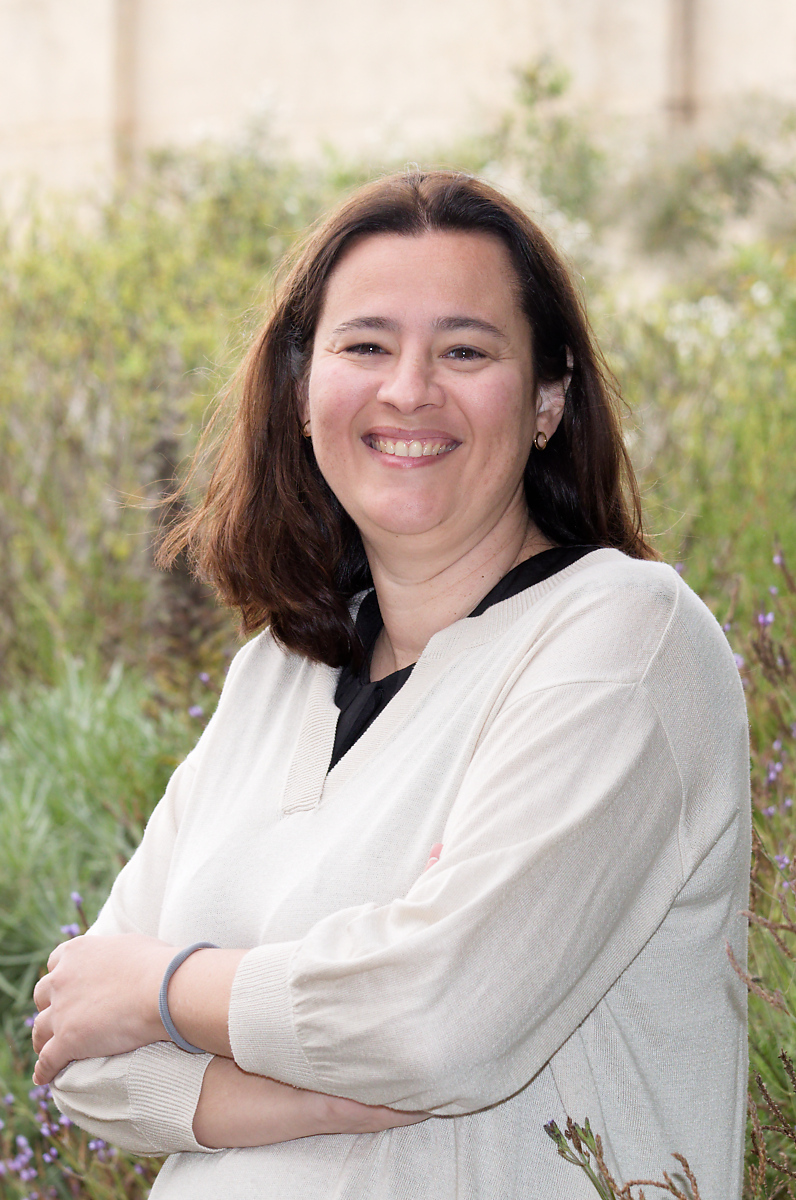
Cristina Yunta Yanes.
Agricultural resilience and predictive design of new insecticides
Modern molecular biotechnology acts as an integrating bridge, using the analysis of biochemical pathways to solve global challenges. In this field of scientific confluence, Cristina Yunta Yanes, assistant professor with a doctorate in the area of Biochemistry and Molecular Biology and researcher in the Institute of Biomedical Technologies, develops its main lines of research.
One aspect of her work lies in plant or green biotechnology, focusing on characterizing the signal transduction pathways that regulate resistance to abiotic stress in plants. “These are the negative impacts caused by non-living environmental factors, such as prolonged droughts, extreme temperatures, or high soil salinity, which severely disrupt plant metabolism and hinder crop growth,” explains the doctor. This is the main cause of crop losses worldwide, a situation exacerbated by climate change. The biotechnological application of this research allows for the development of plants with much more efficient water use and the creation of specific treatments that mitigate the impact of environmental stress in precision agriculture.
At the same time, the researcher's expertise in molecular enzymology is essential in the identification and characterization of detoxifying enzymes in insect vectors of diseases. "They are capable of naturally developing biochemical defense mechanisms to degrade, neutralize, or expel chemical compounds designed to eliminate them, such as insecticides," explains Yunta Yanes.
Understanding the structure and behavior of these enzymes is key to designing biotechnological tools that allow for the evaluation of new insecticidal compounds in the early stages of their development. This enables researchers to anticipate the physiological risk of the insect neutralizing the product by developing metabolic resistance and allows for the design of more effective and longer-lasting molecules, preventing new vector control solutions from losing efficacy shortly after their market launch.
This research has direct implications for public health and the fight against disease vectors such as malaria, Zika, and dengue. Mapping specific mutations, such as those that conferred enzymatic resistance to DDT in certain mosquitoes, provides critical information needed to design new control strategies. This includes the development of next-generation mosquito nets treated with synergistic combinations of different chemical compounds, which optimizes disease prevention and reduces the need for traditional insecticides with high environmental toxicity.
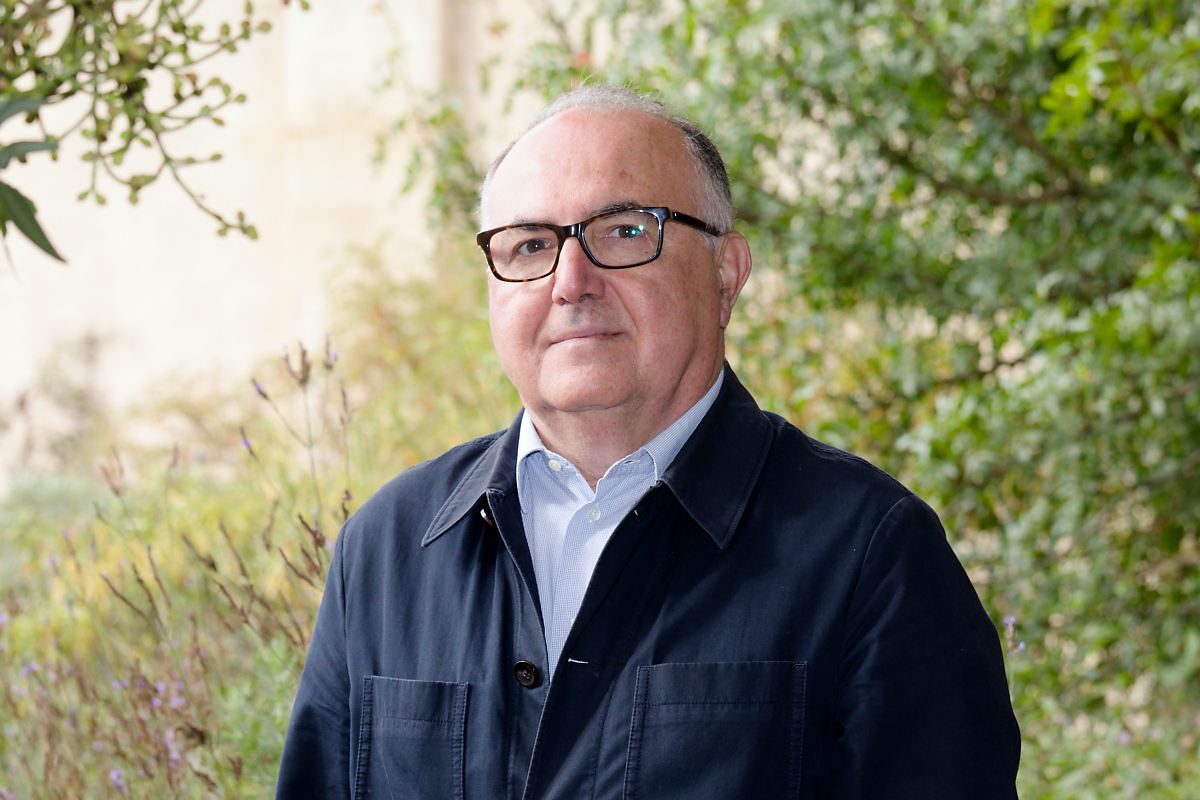
José Javier Fernández Castro,
The Canary Islands as a benchmark for blue biotechnology
The Canary archipelago boasts island marine ecosystems inhabited by key organisms for the development of blue biotechnology applied to biomedicine, food control, aquaculture or even cosmetics.
Within the Antonio González University Institute of Bio-Organic Science The Marine Natural Products research group (PRODMAR) is located there, which develops lines of research in blue biotechnology. José Javier Fernández Castro, Professor of the Department of Organic Chemistry at the University of La Laguna, leads this group, which in turn is an Associated Unit that works hand in hand with the Spanish National Research Council (CSIC).
Its main objective is the investigation of bioactive metabolites of marine origin, which are chemical compounds produced by organisms such as algae, bacteria, fungi, sponges, corals, or ocean microorganisms like microalgae. These can have biological effects on other living beings or cells, and may prove useful to humans in medicine as antitumor agents, antibiotics, or antivirals, as well as in other applications in the food or pharmaceutical industries.
Among its collaborations are other research groups from the University of La Laguna such as the Biomedical research group (BioLab) with cytotoxicity studies on cancer cell lines, or the Canary Islands Institute of Tropical Diseases and Public Health (IUETSPC) with trials on parasites. “What we are trying to do is to give a range of possibilities to everything we are isolating in the laboratory in order to seek the maximum biomedical profitability for a possible exploitation of that substance,” Fernández Castro emphasizes.
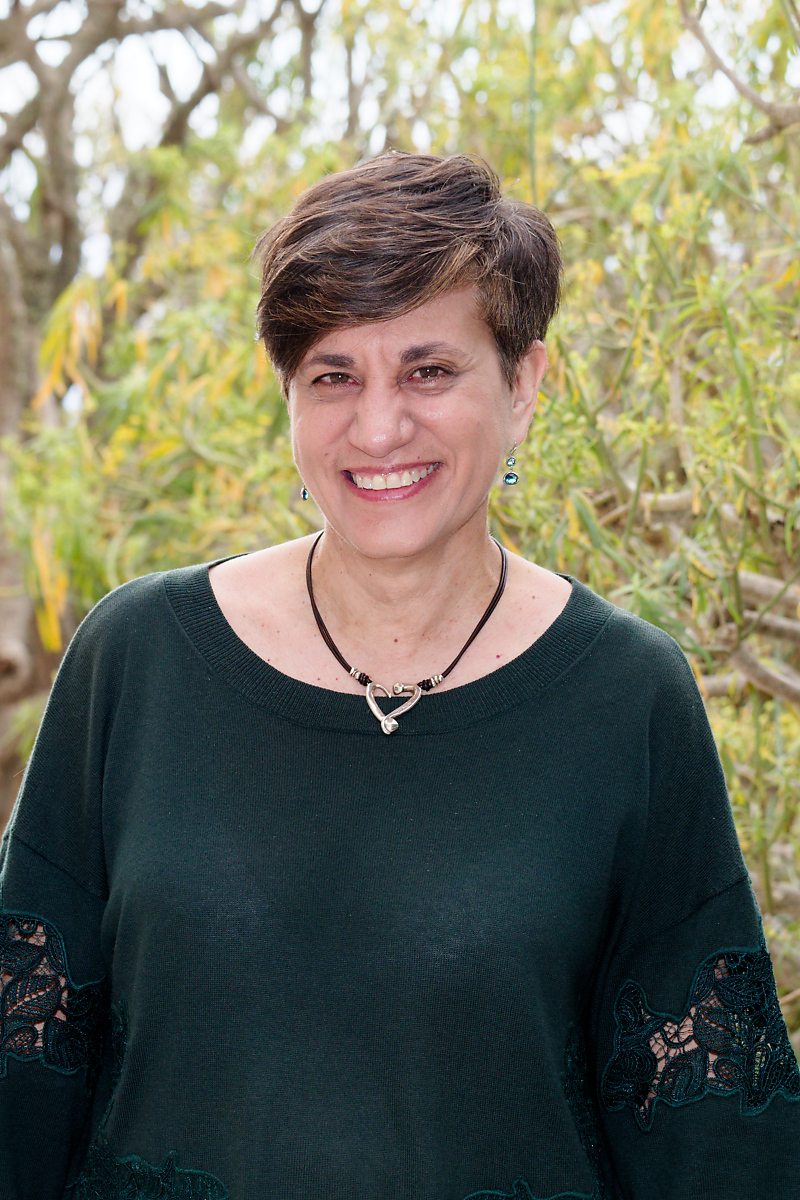
Maria Luisa Souto Suarez.
The research group develops different lines focused on the study of the toxicity of microorganisms and marine organisms. María Luisa Souto Suárez, a tenured professor in the area of Organic Chemistry at the University of La Laguna, and a member of PRODMAR, has specialized in dinoflagellates, microscopic marine microorganisms that can produce toxins and generate metabolites of pharmaceutical and biotechnological interest.
Among them, he studies the genres Amphidinium y Prorocentrum, which produce toxins associated with red tides. One of its main lines of research focuses on the isolation, cultivation, and identification of toxic marine species, with the aim of determining which compounds are responsible for this toxicity. In this area, the group investigates microorganisms that produce toxins associated with syndromes such as ciguatera, a food poisoning caused by the consumption of tropical or subtropical fish contaminated with ciguatoxins.
From the Associated Unit within the PRODMAR group, you will find Ana Raquel Díaz Marrero, PhD in Organic Chemistry from the University of La Laguna and research member of the Institute of Natural Products and Agrobiology of the CSIC. “There is a wide diversity of potentially toxic dinoflagellates present in our waters, including the genera Prorocentrum, Gambierdiscus u Ostreopsis, ”This highlights the importance of continued research,“ says Diaz Marrero. This research is crucial for improving the early detection of marine toxins and subsequently transferring this information to health control systems, the food trade, ”and even to the fishermen's associations themselves,” emphasizes Fernández Castro.
Alongside these researchers is Nathália Nocchi, Nocchi, a biologist and PhD in Marine Ecology from the Federal Fluminense University of Brazil, focuses her research within the group on marine products from an organic perspective, aiming to understand the production of bioactive metabolites of marine origin. Nocchi is a technician at SEGAI. Lipid Analysis Services A biologist from the University of La Laguna highlights the unique marine ecosystem of Tenerife. “Although it may seem small from the outside, Tenerife has enormous biodiversity. Thanks to its microclimates and microhabitats, a journey of just a few kilometers can take you to a completely different ecosystem,” she emphasizes.
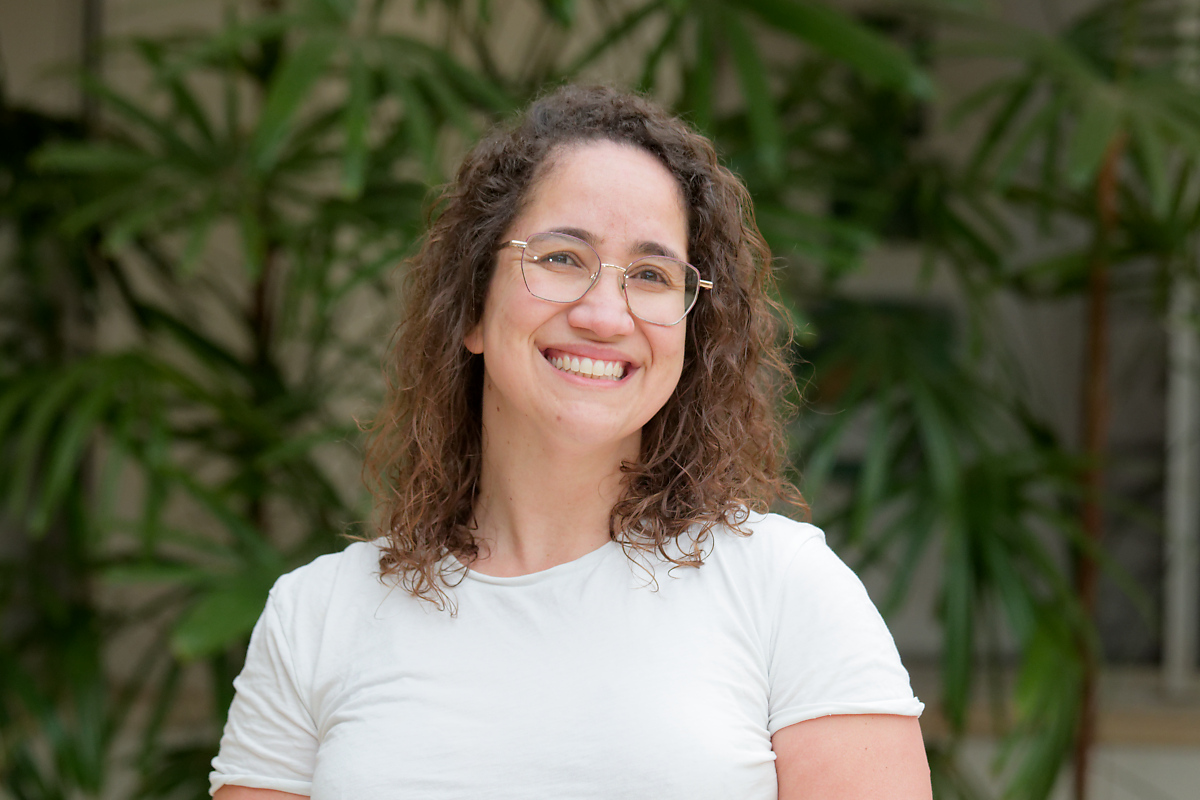
Nathália Nocchi.
Dissemination and cooperation, among the challenges for the future
Although these diverse fields of study are highly useful in everyday life, this discipline also faces significant challenges. One of them is a lack of awareness, or more specifically, a lack of recognition of their real-world applicability to industries, humanity, and the environment. “There is a lack of information for young people, who are unaware of the potential applications and how we use this knowledge. Students often lack a complete understanding of what the field entails,” says Quispe Ricalde.
“For us, the most important thing has always been to try to transfer as much of the knowledge we research in our laboratory as possible,” says Nocchi. The PRODMAR group's goal is to develop natural marine products that can be applied to society. “The research is progressing in tandem with the needs of the population, which is why it's vital to disseminate its applications,” adds Díaz Marrero.
Added to this is the globalization in which we live, where research requires this dissemination to enrich national and international cooperation. This is key to continuing to advance towards real-world applications in society. “My studies on halophilic bacteria have been possible thanks to the cooperation between the University of La Laguna and the University of San Antonio Abad of Cusco,” says Quispe Ricalde. Scientific cooperation and knowledge transfer will be key to continuing to bring biotechnology closer to society and to addressing the challenges of the future.
This report is an initiative framed within the InvestigaULL Commemorations Calendar, a scientific dissemination project promoted by the University of La Laguna.
Scientific Culture and Innovation Unit (Cienci@ULL)

 Spanish
 English
 French