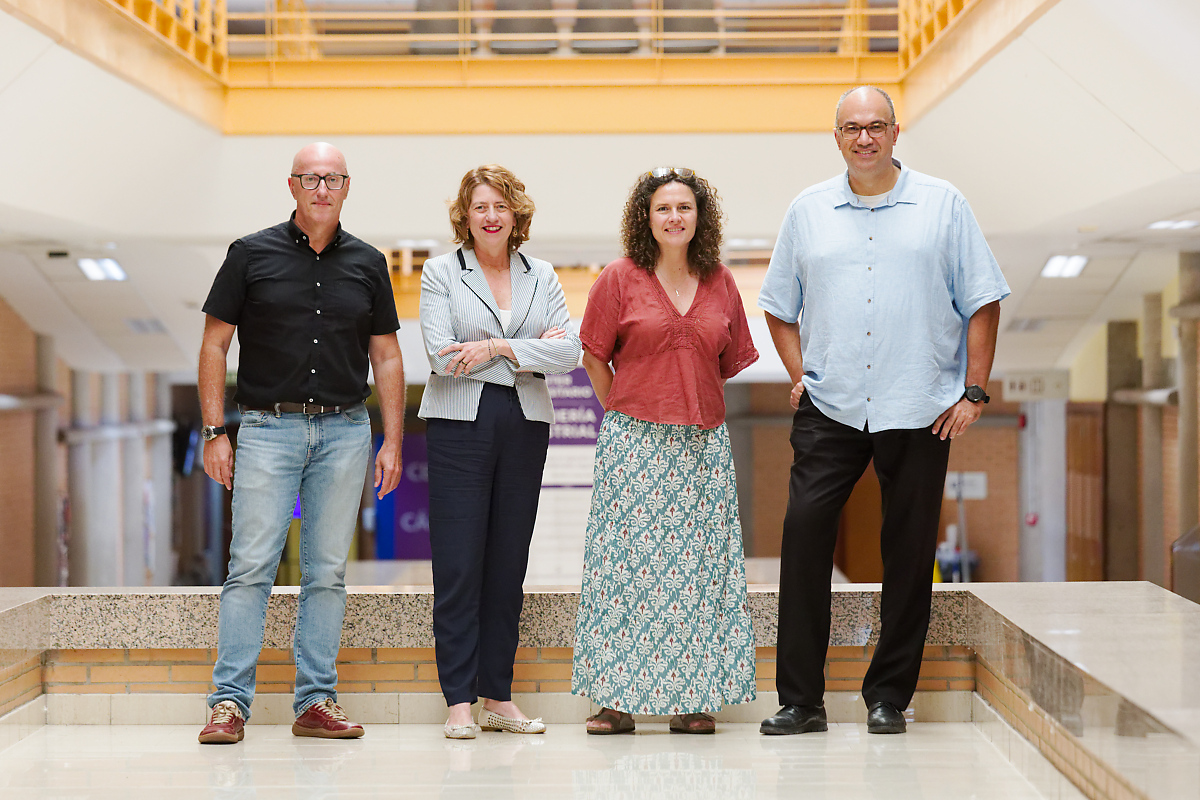
Artificial intelligence (AI) has burst onto the educational and academic scene at a pace few specialists anticipated. Faced with this transformation, the University of La Laguna is working across various departments to address the questions, challenges, and opportunities presented by the use of AI-based tools. Simultaneously, research is beginning to integrate AI into its methodologies, giving rise to new lines of inquiry aimed at harnessing its full potential.
From the Information and Communications Technology Service (STIC) At the University of La Laguna, continuous monitoring of advances in the field of artificial intelligence is carried out to evaluate its potential applications for both teaching and research staff and the rest of the university community. This analysis is conducted while remaining mindful of the risks associated with using applications of unknown origin. “The main problem is that people start using artificial intelligence tools without first ensuring where the data they provide goes or where it is stored,” warns José Carlos González, head of the STIC (Information and Communication Technologies Service).
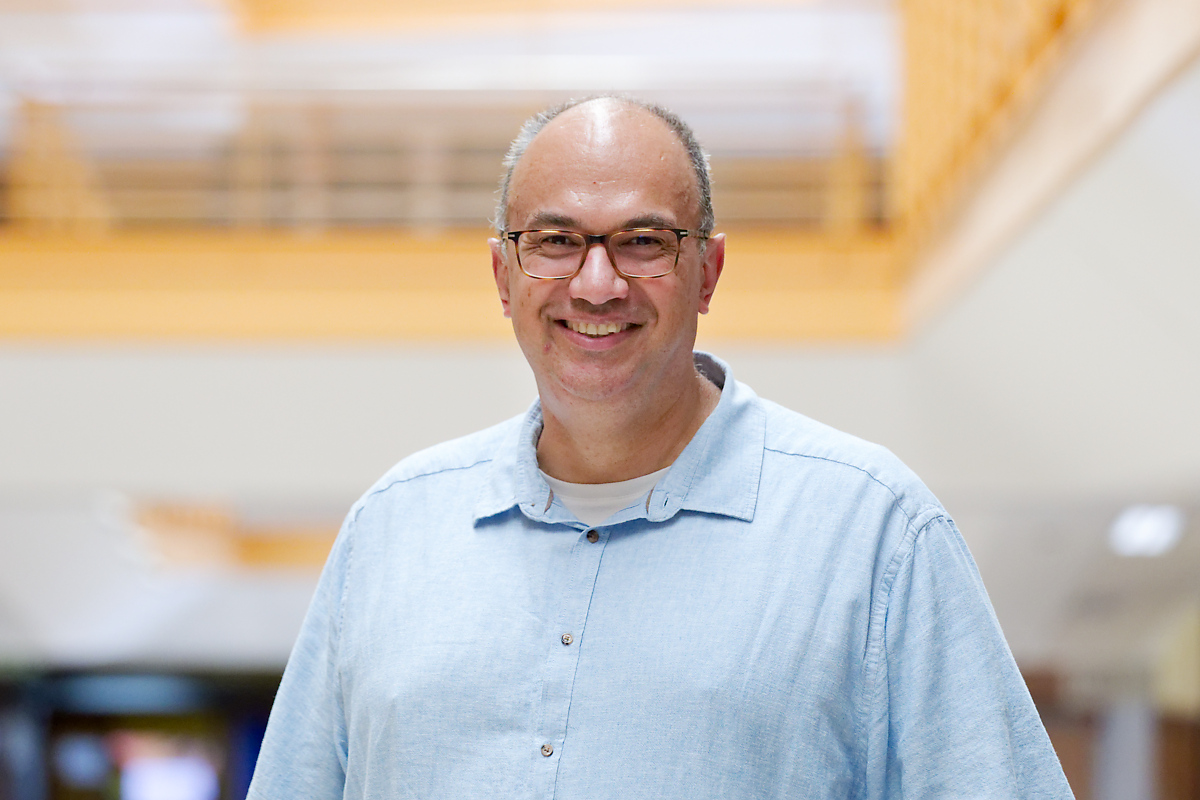
José Carlos González.
The expert points out that many users are unaware of the risks of data breaches associated with the use of the numerous artificial intelligence-based applications currently available. According to González, there are two fundamental problems. The first arises when tools are installed that grant unnecessary or inappropriate access permissions on the computer. The second is becoming dependent on these tools to carry out critical work processes without them having been officially contracted, having the corresponding license, or having passed security checks.
Therefore, it considers it essential to promote training initiatives on the responsible use of artificial intelligence. The goal, it explains, is to help the university community understand the principles behind AI, identify tools that meet their needs, and comprehend the limitations and risks associated with its use. Ultimately, it's about addressing the enormous challenges this technology is posing to education and finding a way to integrate it effectively into higher education.
Along these lines, the University of La Laguna develops various outreach and training initiatives open to the public. One of these is the University Extension courses on artificial intelligence, led by [name of instructor/director/etc.]. Juan Albino Méndez, Professor [Name], from the Department of Computer and Systems Engineering, has actively participated in recent years in the La Gomera Summer University program and the La Palma and Arona Autumn-Winter University programs, as well as in the University Extension program in local councils. The training course "Artificial Intelligence: Fundamentals and Tools" consistently generates significant interest at the various locations.
“The experience with these courses, non-formal training aimed at people with no prior knowledge, has been very positive,” Méndez points out. “People of all ages attend, from young people to retirees,” he adds. This last group is especially important, since, according to the computer engineer, many older people are forced to adapt to a complex digital environment without having experienced it from the beginning.
In these training sessions, participants not only learn to use generative artificial intelligence tools, but also discover the fundamentals of artificial intelligence, its main models, and reflect on the ethical implications of its development. A new edition of this training will be held on October 6th and 7th in Valle Gran Rey, as part of the program of [the event/program name]. La Gomera Campus 2026.
This commitment to education is also reflected in other initiatives promoted by the University of La Laguna. María Belén San Nicolás Santos, The Director of the Digital Teaching Secretariat highlights the positive reception of the Artificial Intelligence for University Teaching Conference, which has already held two editions. "They have been very well received, both in terms of participation and the quality of the speakers," she notes. As the Director indicates, the institution is considering continuing these events, as they address the need for training and knowledge of how to apply these technologies.
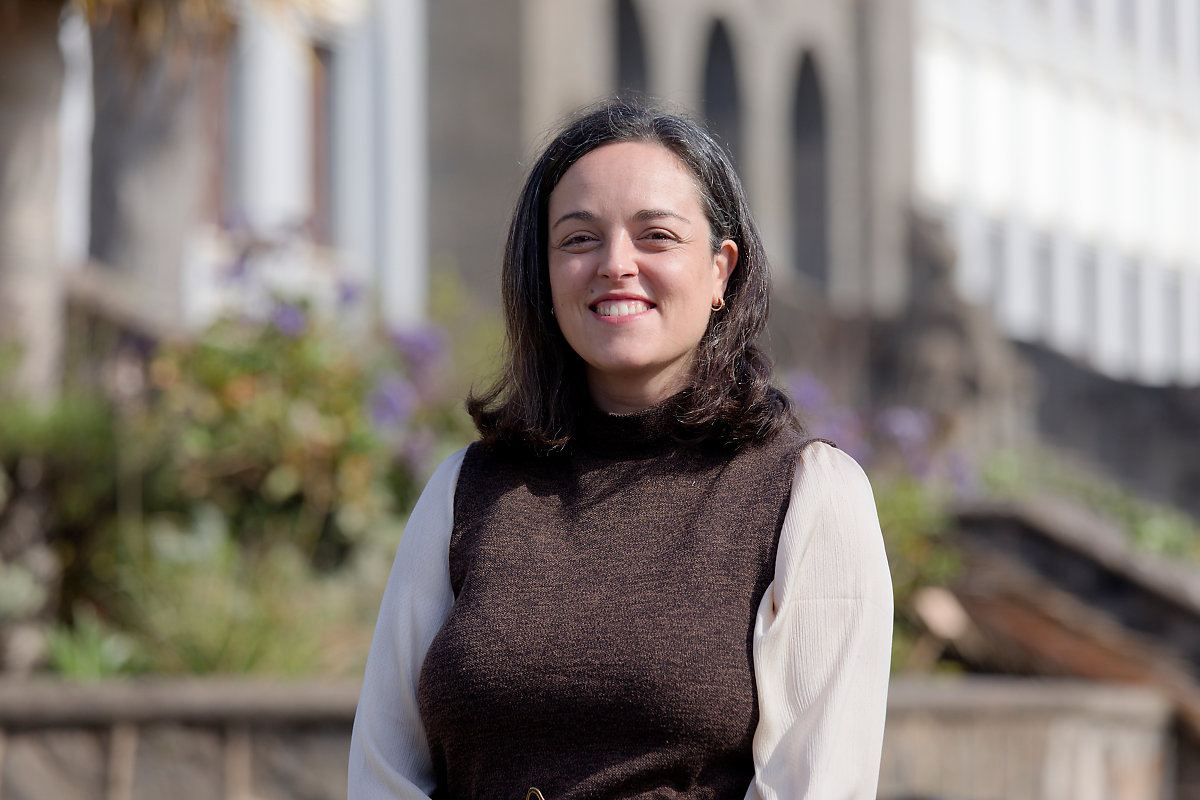
Bethlehem Saint Nicholas.
AI within the Teacher Training Plan
Artificial intelligence occupies a relevant place within the Teacher Training Plan This remains one of the main demands identified in recent assessments of the training needs of the teaching staff. Furthermore, the micro-credential program promoted by the Center for Continuing Education which includes various proposals related to this topic. San Nicolás is collaborating on a microcredit card about artificial intelligence for the work environment and another applied to the academic activities.
The University of La Laguna and the University of Las Palmas de Gran Canaria are also collaborating on the development of new microcredentials specifically for university faculty. The proposal will cover training in teaching, research, technical aspects, and ethical and legal issues related to artificial intelligence.
“We are working to launch a set of micro-credentials next year that will be stackable and could form the basis of a postgraduate degree,” explains the director of the secretariat. In addition to these initiatives, there are also self-directed and open courses on artificial intelligence aimed at student body and to faculty. Although they are not certified, they allow free and flexible access to basic content about this technology.
The head of the STIC (Information and Communications Technology Service) announced that the University of La Laguna is working on a user guide focused specifically on security. These guidelines will cover the institution's various areas of activity, from research to teaching and administration. He also highlighted that the STIC has begun negotiations with suppliers to acquire and manage, centrally and securely, licenses for artificial intelligence tools intended for both research staff and other university services.
José Carlos González highlights that one of the most important initiatives promoted by STIC is the implementation of pilot projects based on local artificial intelligence servers installed at the University of La Laguna itself. “These are two smaller servers and a third, more powerful one that allow us to run medium-capacity artificial intelligence models locally and within the university,” he explains.
Currently, the STIC is evaluating the performance of these systems, whose main advantage, according to González, is that they guarantee data privacy, since the entered data never leaves the servers hosted at the University of La Laguna. This is achieved using high-performance hardware on which open artificial intelligence models are deployed. “In this way, we can guarantee secure data processing,” he emphasizes.
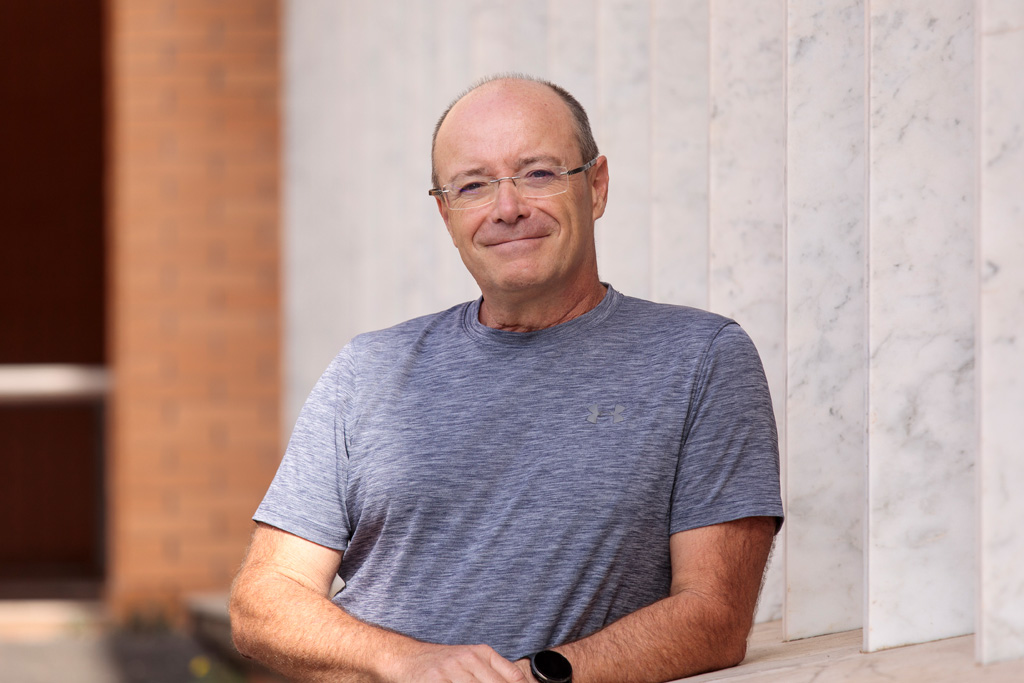
José Luis Roda.
Cajasiete Chair of Big Data, Open Data and Blockchain
In this process, collaboration between STIC and the Cajasiete Chair of Big Data, Open Data and Blockchain (Cajasiete BOB), directed by the tenured professor of the Department of Computer and Systems Engineering José Luis Roda. González explains that the Impulsa IA agreement, signed between the Chair and the Tenerife Island Council, has created a research and experimentation environment where different artificial intelligence strategies and models are analyzed to determine which best meet the needs of the university community before their potential implementation on the STIC's local servers. This collaboration facilitates the sharing of knowledge and resources to address the needs of both the research staff and the university's services.
Isabel Sánchez, [Name], a tenured lecturer in the Department of Computer and Systems Engineering and a member of the management team of the Cajasiete BOB Chair, highlights that Impulsa IA has enabled the development of numerous initiatives aimed at businesses, public administrations, and citizens. One example is the work carried out with the Tenerife Island Council to promote a project that facilitates citizen searches for procedures on its electronic portal (using Web-RAG), or another project... chatbot For inquiries about mobility in the Anaga massif.
Furthermore, within the framework of this agreement, Impulsa IA has facilitated several final degree projects and research projects. These include a final degree project that develops a real-time automatic translation system from Spanish Sign Language to Spanish, using advanced computer vision to capture human movement and neural networks to interpret the meaning of gestures. Additionally, researchers have led projects that employ diffusion models to realistically recreate scenes of daily life in the city of San Cristóbal de La Laguna at the end of the 16th century.
The BOB Chair has also developed knowledge transfer projects. One of its lines of work has focused on anonymizing sensitive financial data using artificial intelligence techniques. This project, developed in collaboration with Cajasiete, aims to protect critical information without sacrificing its use for analysis and research. Another example is a project carried out with the Tenerife Island Council: “We have created prototypes to analyze how certain artificial intelligence tools could help manage applications received through their online portal more efficiently,” explains the researcher.
In this regard, Sánchez clarifies that the function of the BOB Chair is to advise and technically demonstrate the viability of the solutions: “The entity then decides whether to implement them, how to do so and with what resources; it may even happen that the conclusion of the project is that artificial intelligence is not the most appropriate solution and that it is preferable to look for another alternative.”.
The BOB Chair places great importance on the field of open data, since, according to Sánchez, without data there is no artificial intelligence. The expert joined the chair thanks to her experience in natural language processing. In addition to supporting any organization or individual interested in learning about, understanding, and incorporating these technologies into their processes, the chair develops training initiatives, such as courses for professionals and the general public, and outreach activities, such as webinars, which have already exceeded fifty editions. Sánchez points out that the training activities also cover current regulations, the risks associated with these technologies, and best practices for their use.
“The philosophy of the chair, which also develops projects related to blockchain "And other technological applications, it consists precisely of identifying what knowledge is needed for each project and bringing together the most suitable people to add value in each case," Sánchez points out. Furthermore, the researcher highlights the human team behind it all.
Also noteworthy is the role of the BOB Chair's technicians, Saúl Sosa and Eva Peso, who work directly with the technical infrastructure. The Chair has several NVIDIA DGX Spark computers, capable of running large-scale artificial intelligence and particularly notable for their memory capacity. In addition, it has a NAS that functions as a "local Google Drive," a system with four 10-terabyte hard drives that allows data to be stored locally, without needing to send it to the cloud, thus ensuring data governance and control.
It also has a switch, a device similar to a routeThis allows the internet connection to be distributed among several computers. Finally, the main computers have 128 gigabytes of RAM and an NVIDIA RTX 5000 graphics card, enabling the university to set up entirely local artificial intelligence servers.
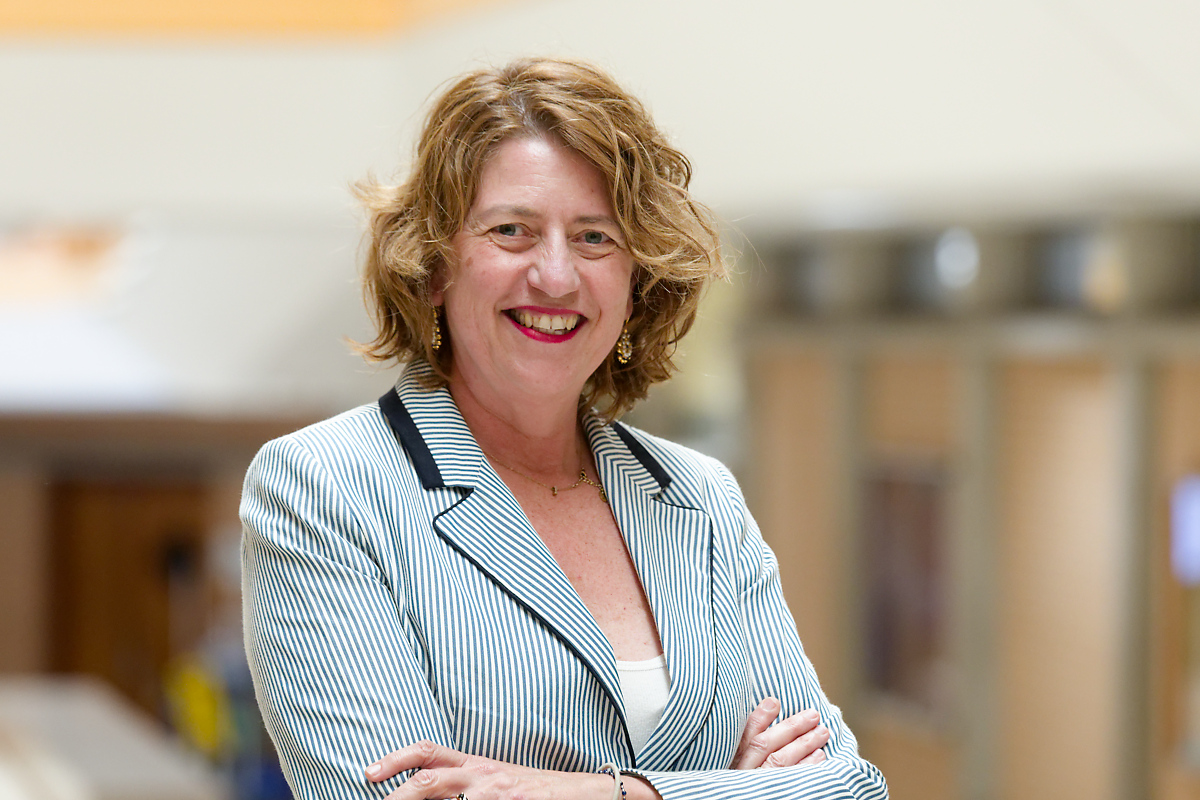
Isabel Sánchez.
From language processing to historical heritage
In addition to her work at the BOB Chair, Isabel Sánchez also has her own research career at the University of La Laguna, focused on two areas that are currently converging thanks to artificial intelligence. The first is marked by her doctoral thesis, dedicated to computational linguistics and natural language processing.
The second line of work is related to the dissemination of heritage through 3D modeling tools, video games, and other technologies related to the development of three-dimensional applications. Although they used more conventional techniques for their initial projects, all their current work is focused on the use of artificial intelligence.
In this regard, one of their projects has resulted in an application where, within the reconstructions of the city of La Laguna, characters appear with whom the user can converse using generative artificial intelligence. The dialogues come from documents written during that period and, although adapted to modern Spanish, they retain a vocabulary and idioms very different from those used today. “Without artificial intelligence, we would probably need actors to reproduce completely pre-established dialogues,” they state. “Instead, with generative AI we obtain conversations with that same historical tone and style, but with the freedom to answer any question without being limited to a fixed script.”.
Regarding natural language processing, Sánchez points out that previously, systems were based on predefined rules: “It was necessary to use syntax and grammar manuals, dictionaries, and manually build that entire knowledge base,” he states. Now, however, the knowledge base is the texts produced by people themselves, allowing models to learn directly from large volumes of information.
Even so, he insists that artificial intelligence does not replace specialized personnel, but rather expands their capabilities: “These tools allow us to enhance the work that historians have traditionally carried out, although they are still the ones who possess the necessary knowledge to validate the information provided by artificial intelligence,” he says.
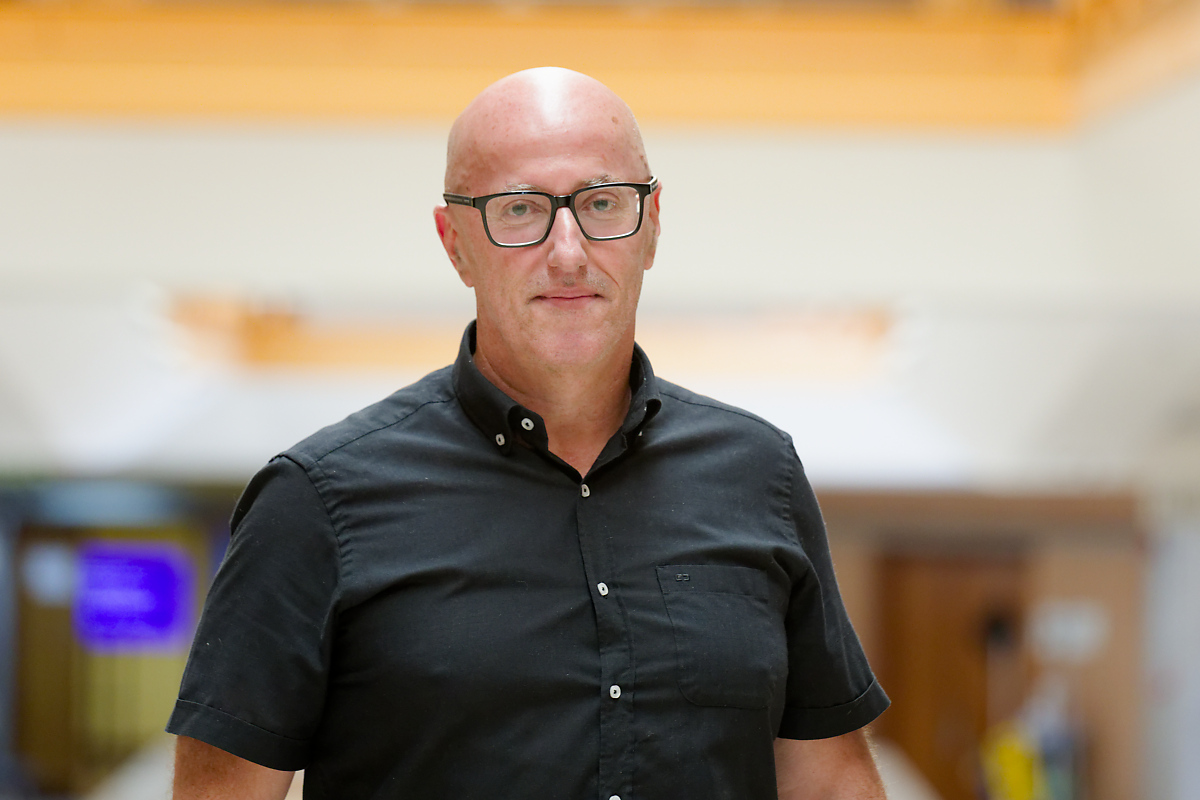
Juan Albino Méndez.
Machine learning for energy communities
In addition to his outreach work, Juan Albino Méndez conducts research focused particularly on the development of energy communities. “We are using different methodologies to predict behaviors in terms of energy consumption or generation in homes or facilities,” he explains. In this sense, it involves quantifying or anticipating these behaviors using artificial intelligence techniques, such as... machine learning.
Another key aspect of this approach is decision-making through reinforcement learning, which helps in making decisions about the system. “Focusing on collective self-consumption, in an energy community there are elements that share energy to optimize its use,” he explains.
All of this involves deciding when to store energy and when not, with the goal of optimizing its use. Furthermore, mechanisms are being studied to advise users on when to activate specific energy consumption. "For flexible consumption, such as with a washing machine, the user can be informed that using it at a certain time will result in greater savings as an incentive," he explains. Therefore, these methodologies are being tested with promising initial results for obtaining distribution coefficients and defining actions regarding batteries and storage systems.
These models are being tested in buildings belonging to the University of La Laguna itself, which serve as pilot sites for energy communities. Specifically, work is being done with the General Research Support Service building (SEGAI), already operational, and with the Fine Arts Faculty building. “To be able to make informed decisions, what we do is predict what will happen,” explains Méndez. To do this, his team has applied artificial intelligence techniques for time series prediction using algorithms such as Long Short-Term Memory (LSTM) and Gated Recurrent Unit (GRU).
Other lines of research are related to astrophysics and medicine. The former focuses on the instrumentation, automation, and control of telescopes. Although they have not yet directly applied artificial intelligence, its use presents great potential for optimizing, in real time, the adjustment of systems that correct aberrations caused by the atmosphere and improve the quality of the images obtained.
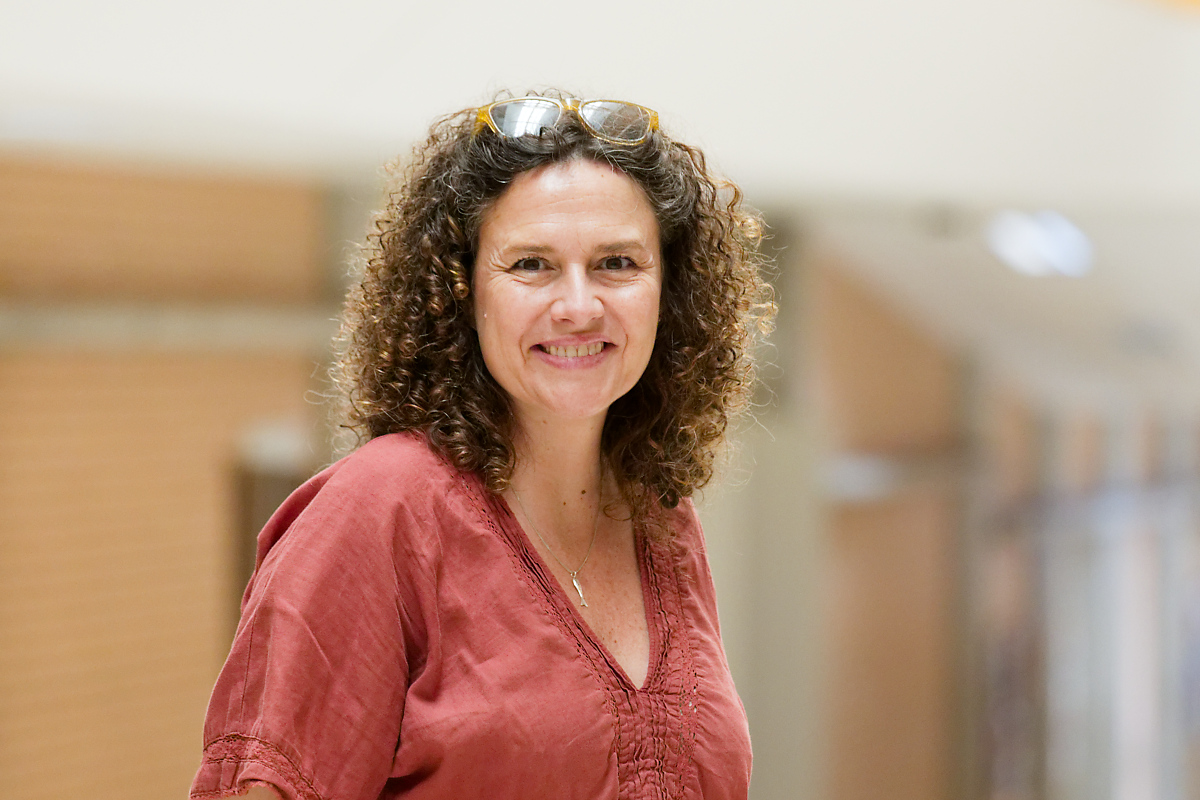
Silvia Alayón.
Technology at the service of medical criteria
The researcher Silvia Alayón Miranda, member of Medical Image Analysis Group (GAIM), leads several innovative lines of work in this field. These include the projects “Towards a collaborative strategy for glaucoma diagnosis using explainable deep learning”, funded by the Canary Islands Agency for Research, Innovation and the Information Society (ACIISI), and “Robotic Automation of Justice Cases (ARDE-J)”, funded by the Cajacanarias Foundation and the La Caixa Foundation.
The researcher emphasizes that the development of these technologies poses fundamental challenges related to the explainability of algorithms, data privacy, and the ethical implications of their use. In sectors such as Justice, where she is developing another project, and Medicine, the protection of personal information is an essential requirement, as these are among the areas of greatest risk for the application of artificial intelligence, according to European regulations governing these technologies.
“There are cloud-based artificial intelligence models that are excellent because they can be trained on millions of data points,” he points out, “but they aren’t applicable in these high-risk environments because they don’t guarantee data protection.” For this reason, he adds that the projects he participates in involve a significant bureaucratic burden, due to the need to comply with legal requirements and prepare the necessary reports to ensure data security and protection.
The project “Towards a Collaborative Strategy for Glaucoma Diagnosis Using Explainable Deep Learning” was launched with the aim of developing a tool capable of improving the early detection of this disease using artificial intelligence-based technologies. However, Alayón emphasizes that its objective is not to replace the judgment of specialists, but rather to support clinical decision-making by providing a clear and understandable interpretation of retinographies (images of the back of the eye) thanks to a deep learning system.
“The tool must be explainable, transparent, and easy for physicians to use, without falling into what we call «black boxes,» because that is a huge problem in medicine,” she states. The researcher affirms that this ability to justify how a diagnosis is reached not only increases healthcare professionals’ confidence in the technology but also facilitates its integration into clinical practice.
The tool is conceived as a collaborative platform where specialists from different Spanish healthcare institutions can contribute anonymized retinal images to train the system and improve its ability to identify potential cases of glaucoma by analyzing large sets of images. “Our goal is to have the largest possible volume of data to train the system so that it has a positive impact on both research and teaching,” explains the researcher. Alayón emphasizes that, for the moment, the platform is primarily geared towards teaching and research, as it still needs to incorporate a larger volume of data to further refine its performance before making the leap to wider clinical use.
The researcher also develops other lines of research focused on the healthcare sector, with applications ranging from primary care, through tools that facilitate the writing of clinical reports after consultations, to screening support systems that help identify pathologies that may require referral to specialists. “Our goal is to facilitate the work of healthcare professionals through optimization tools, so they can dedicate more quality time to analyzing what is happening to the patient and how to offer them the best possible care,” she concludes.
“One of my fears about artificial intelligence is that we might come to believe that these tools can do everything and end up becoming complacent, without valuing human reasoning. The way the brain makes decisions is extraordinarily complex, and frankly, I think artificial intelligence hasn't yet reached that level. That doesn't mean it can't in the future, but I don't think that should be the path,” the researcher reflects.
Despite these precautions, Silvia Alayón welcomes the growing interest among students at the University of La Laguna in participating in artificial intelligence projects applied to fields such as medicine. Many of these students, she explains, demonstrate a clear vocation for developing tools with a positive impact on society, a motivation that, in her opinion, makes it necessary to continue promoting these types of initiatives from the university.
Transformation of teaching and learning processes
Artificial intelligence is also transforming the teaching and learning processes that take place in university classrooms. This area is part of María Belén San Nicolás Santos's research. Her doctoral thesis focused on students' perceptions of the use of virtual classrooms and the teaching and learning processes associated with these environments.
According to the researcher, virtual classrooms continue to be used primarily as spaces where teachers organize and make teaching materials and resources available to students. However, technological advancements have considerably expanded their possibilities, such that tools like H5P interactive resources and AI-based applications allow for the more agile development of materials and the design of more dynamic, personalized, and engaging learning experiences for students.
Another area of research she has worked on is related to learning analytics and the study of data generated by students in virtual environments. From the research group Education and New Technologies Laboratory (EDULLAB) It analyzes how the information collected through the virtual campus can contribute to both teaching and institutional decision-making.
“This data allows us to know which students are at risk, which resources are most used, and whether certain activities have been completed,” explains San Nicolás. She also points out that in recent years projects have been developed aimed at creating new plugins for the virtual campus that promote student participation, improve communication management, and facilitate the monitoring of learning processes.
All this information can help teachers better adapt their teaching, identify difficulties in early stages and make informed decisions to support students before these situations lead to more serious problems, such as dropping out of school.
This line of work has also led to initiatives such as the SAPA Project, Developed within the framework of projects funded by the UniDigital Plan with Next Generation funds, this initiative combines data from the virtual campus with academic information to identify potential dropout risk situations and facilitate early intervention.
Artificial intelligence has gained increasing prominence in educational research. Although these technologies have existed for decades, San Nicolás believes the major turning point came in 2022, when advances in natural language processing made generative artificial intelligence tools accessible to the general public.
In the university setting, both students and faculty hold diverse opinions regarding tools such as ChatGPT, Gemini, and Copilot. “We might think that students are primarily in favor of using artificial intelligence, but there is also a sector that sees the potentially harmful effects it can have, and of course, the possibilities it offers,” he states. For faculty, the main concerns are related to students acquiring the necessary skills.
Despite this, San Nicolás believes that the opportunities offered by artificial intelligence outweigh its limitations. From his perspective, the main challenge is not avoiding the use of these tools, but rather teaching people how to use them critically and responsibly.
Scientific Culture and Innovation Unit of the University of La Laguna (Cienci@ULL)

 Spanish
 English
 French