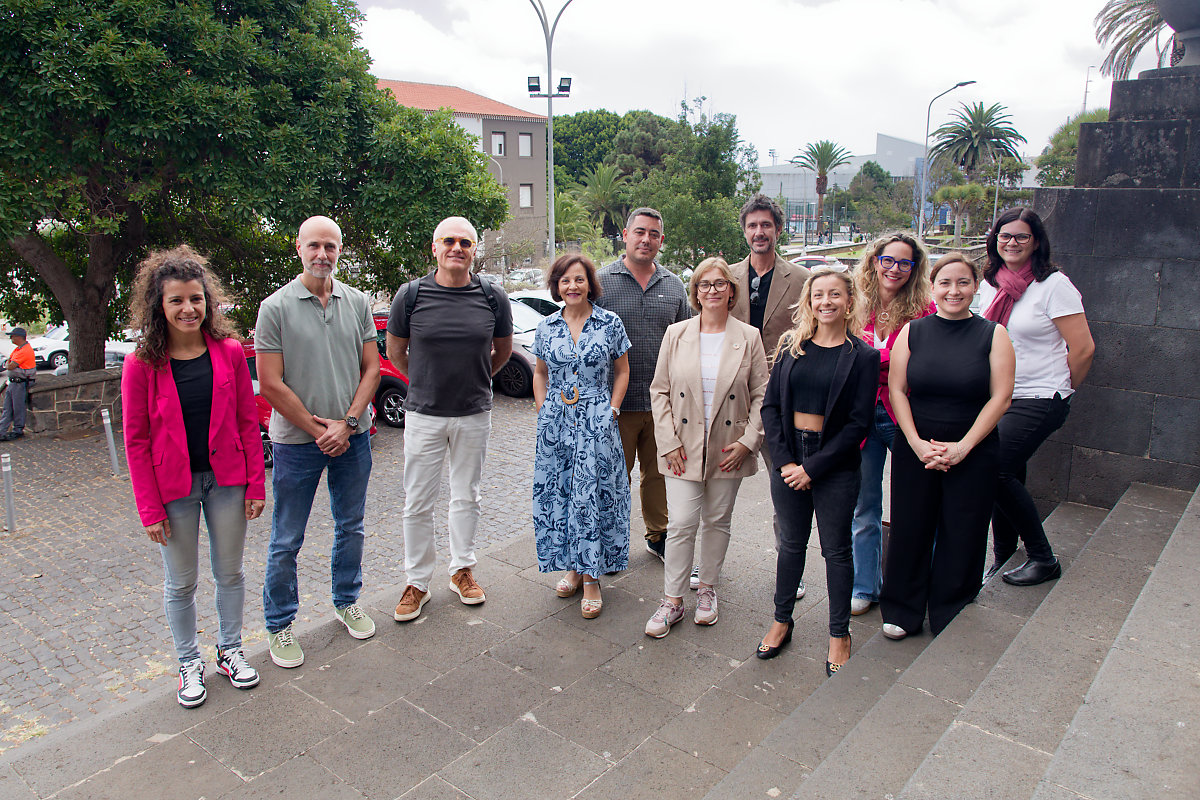
In an era where the knowledge economy values research and innovation as resources that drive national development, science funding is, or should be, a key component of government strategic policies. In Spain, the State Plan of the Ministry of Science, Innovation and Universities is the tool used to fund, through competitive bidding, initiatives proposed by scientific institutions such as universities.
It is divided into several programs, and one of them is the one about Knowledge Generation Projects, This grant provides funding for research projects lasting three or four years, sometimes including the hiring of predoctoral researchers associated with the project. It is a highly competitive grant program, as evidenced by its 2024 success rate of 45.21%, meaning that less than half of the applications received funding. This year, 7,190 projects were submitted, an 8.68% increase over the previous year's 6,565. In total, this year's budget was €512.9 million for projects and €154.2 million for contracts.
Once the provisional resolution of these grants was released, the University of La Laguna managed to secure 2.8 million euros from this national call managed by the State Research Agency (AEI), to finance 15 projects in various areas of knowledge, as well as two predoctoral contracts, which makes it the institution in the autonomous community that has obtained the most projects in this call, followed by the University of Las Palmas de Gran Canaria (ULPGC) and the Institute of Astrophysics of the Canary Islands (IAC), with 11 projects each.

Arianna di Cintio.
Advances in Cosmology
In the area of Astronomy and Astrophysics, two projects will receive funding from the Ministry. One of them, called WIT (Numerical Investigation of Dwarf Galaxies in Our Cosmic Neighborhood), is led by the contracted professor of the Department of Astrophysics of the University of La Laguna and associate researcher at the Institute of Astrophysics of the Canary Islands (IAC), Arianna di Cintio.
The main objective of WIT The goal is to understand how dwarf galaxies, the most abundant galaxies in the Universe, form and evolve. Using state-of-the-art cosmological simulations, the team will investigate, for the first time, the role of black holes and active galactic nuclei (AGN) feedback in these galaxies, comparing the results with observations of the Local Group. These studies will allow researchers to address some of the great enigmas of current cosmology, such as the scarcity of satellite galaxies, the diversity of their rotation curves, and the origin of ultra-diffuse galaxies.
In addition to its scientific relevance, the project stands out for its inclusive nature: the team is composed entirely of women. This positions the Canary Islands as a leader in the emerging field of computational astrophysics, complementing its already established international leadership in observational astrophysics, and highlighting the talent, excellence, and leadership of women in STEM disciplines.
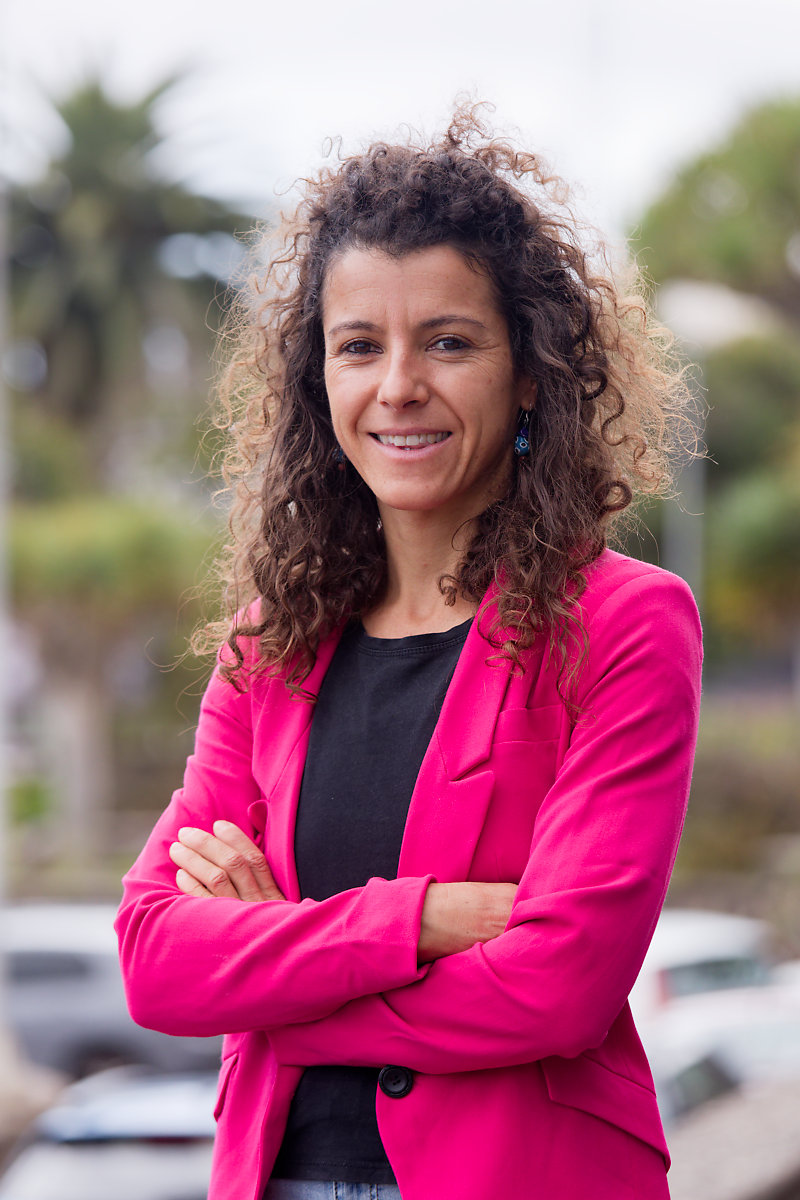
Ginevra Favole.
Another project in this area that has been recognized in this call is FIRE (Bayesian Field-Level Inference to Reconstruct the Universe), coordinated by the researchers Ginevra Favole y Francisco-Shu Kitaura Joyanes. This research, also in collaboration with IAC, aims to address the complex challenges of modern cosmology by implementing an innovative Bayesian modeling approach for large-scale structure (LSS) data reconstruction.
Thus, FIRE It seeks to refine our understanding of key cosmic phenomena, particularly the nature of dark energy. The main objective of this project is to develop the fastest and most accurate end-to-end pipeline for analyzing observations from upcoming next-generation cosmological surveys. This includes integrating multiple tracers of the cosmic web—that is, different populations of galaxies and quasars—while considering observational systems and underlying physical processes. The project, led by the University of La Laguna, represents a significant leap forward in cosmological analysis, which will provide essential insights that will impact future cosmological surveys and our understanding of the evolution of the Universe.
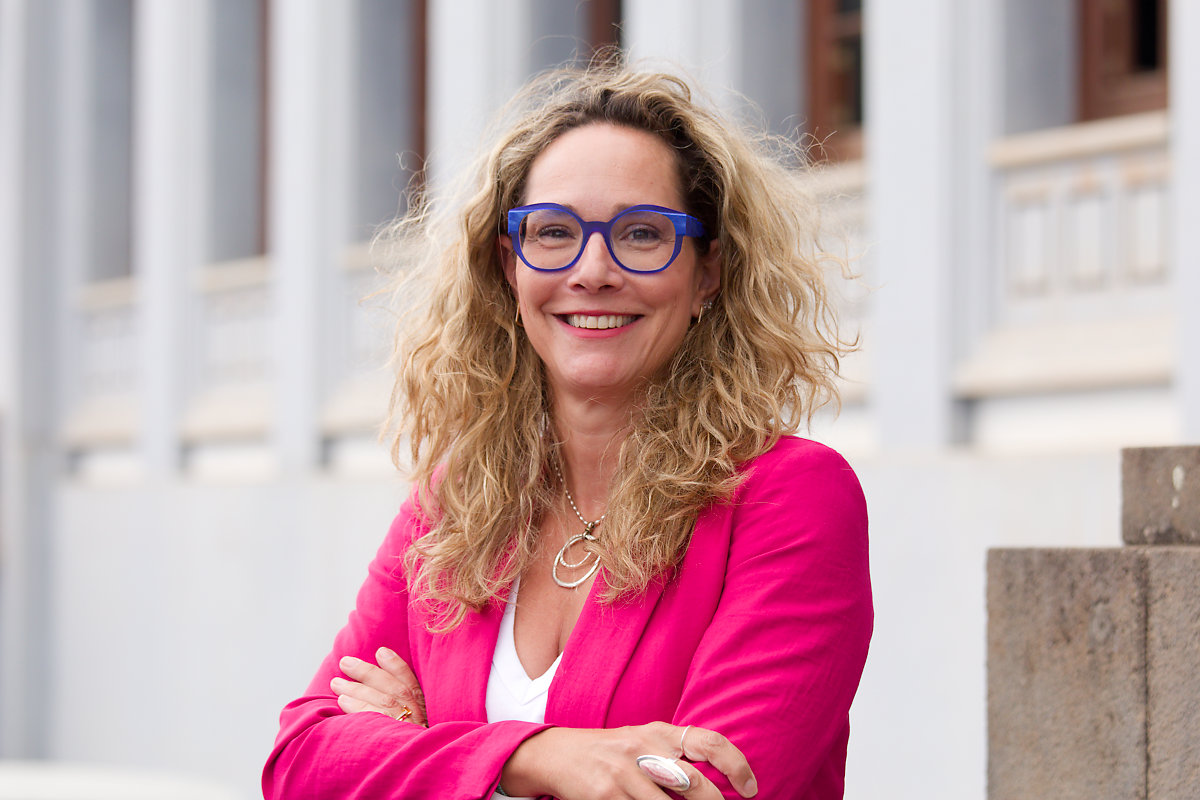
Teresa Giráldez.
Health Sciences
Several of the projects led by researchers from the University of La Laguna that will receive funding in the Ministry's Knowledge Generation call aim to promote advances in the field of health. In the area of Physiology, Professor Teresa Giráldez He leads the project BIOCAN (Biophysics of BK channels in subcellular Ca²⁺ macrocomplexes and nanodomains: implications for neuroplasticity and disease), attached to the Institute of Biomedical Technologies (ITB-ULL). BIOCAN It investigates the role of BK ion channels, essential for processes such as learning and memory, in communication between neurons in the brain.
The project focuses on how these channels are organized into "nanodomains" within neurons, interacting with other proteins that allow calcium influx. The goal is to understand how these molecular associations affect neuronal plasticity—that is, the brain's ability to adapt, learn, and form memories. Alterations in the functioning of these channels may be related to neurological disorders such as autism, certain intellectual developmental problems, or epilepsy. Thus, BIOCAN The project seeks to identify the underlying mechanisms of these diseases and explore new therapeutic approaches to treat alterations in neuronal communication. It includes international collaborations, such as Weill Cornell Medicine (USA) and the University of California, Irvine (USA), among others.
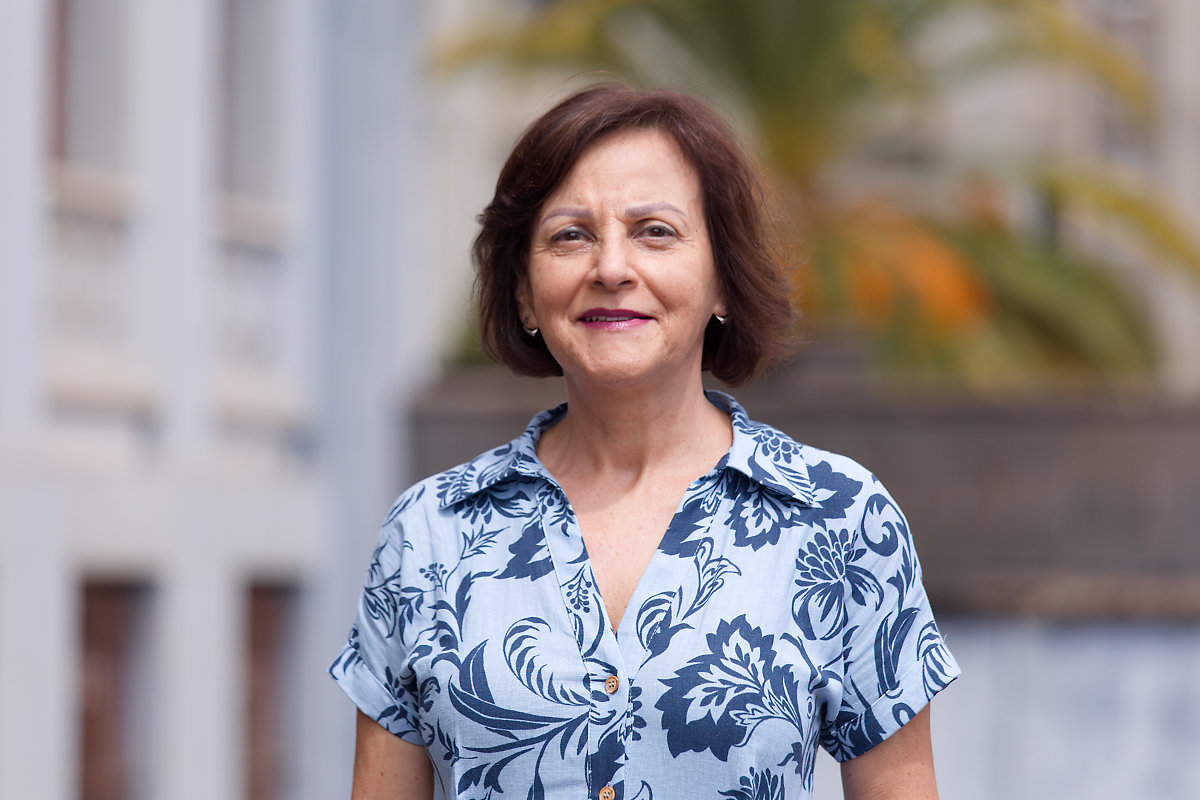
Araceli Delgado.
The researcher and tenured professor in the area of Pharmacy and Pharmaceutical Technology, Araceli Delgado Hernández, leads the project 3D-MOLTE (3D scaffold model for testing a new pre- and post-operative local therapy for osteosarcomaThis project, developed by the Drug Delivery Systems research group coordinated by Delgado, aims to improve the treatment of osteosarcoma, an aggressive bone cancer, by developing a more effective antitumor therapy, both pre- and post-surgical, that also promotes the regeneration of the affected bone.
The proposal involves manufacturing a porous implant using 3D printing with a material approved for human use that offers suitable mechanical properties for bone reconstruction and is compatible with proton therapy. Chemotherapeutic agents will be formulated along with compounds that enhance the antitumor effect and/or promote bone regeneration. These agents will be dispersed in a hydrogel for local administration, either intratumorally (in the pre-surgical phase) or as a filling for the porous implant in the post-surgical phase. The project team includes personnel from the Orthopedic Surgery and Traumatology Department of the Nuestra Señora de Candelaria University Hospital Complex, as well as from the Biomedical Engineering Department of the Technological Institute of the Canary Islands, both with extensive experience in printing implants for clinical use.
The project HIV-TASK (Unraveling the role of HIV-1 in accelerating cellular senescence by targeting key telomeric enzymes), coordinated by the professor of Pharmacology Agustín Valenzuela Fernández, The project aims to unravel the molecular processes responsible for the accelerated aging associated with HIV. This premature aging is linked to non-AIDS-defining illnesses, such as certain types of cancer and cardiovascular diseases, which significantly reduce life expectancy. The research team, based in the Department of Medicine at the University of La Laguna, collaborates with world-renowned institutions, including the AIDS Research Institute (IrsiCaixa) at the Germans Trias i Pujol Hospital and Foundation in Badalona, the National Center for Microbiology (CNM) of the Carlos III Health Institute, the Virgen del Rocío Hospital, the Institute of Biomedicine of Seville (IBiS-CSIC), and the CNRS – University of Strasbourg.
The project posits that HIV-1 viral proteins degrade key enzymes in telosomes, structures that protect telomeres, leading to DNA damage and activating cellular senescence signals, weakening or destroying immune cells. To better understand how these proteins affect telosomal stability and their relationship to infection progression, researchers will analyze viral sequences from patients with different clinical profiles. This approach could identify novel therapeutic targets, both viral and cellular, with pharmacological potential for preventing immune dysfunction and improving the health of people living with HIV.
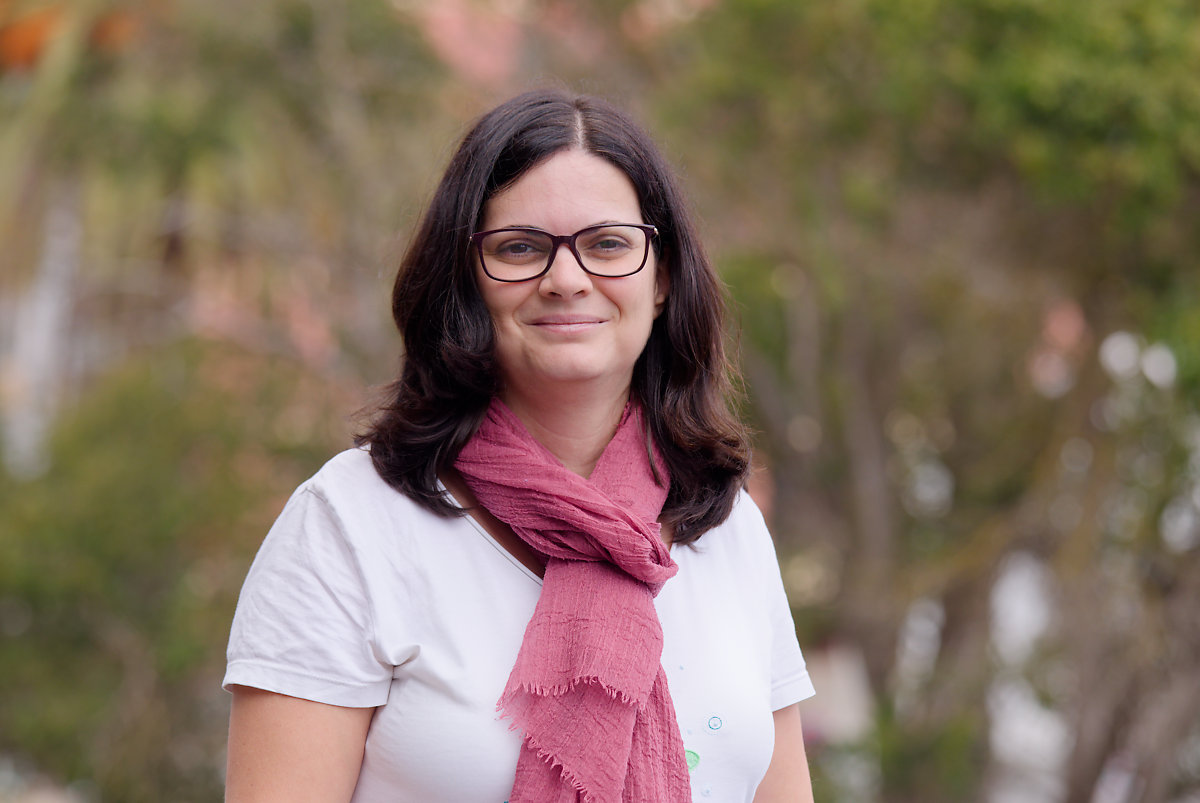
María del Mar del Pino.
The project SIREMA, led by the researcher in the Genetics area María del Mar del Pino Yanes, The study aims to understand why asthma, a chronic disease characterized by airway inflammation and difficulty breathing, affects men and women differently throughout their lives. This disorder has a greater impact on adult women, both in terms of the frequency and severity of symptoms. The research team will focus on studying the molecular differences underlying this phenomenon.
To this end, immune and nasal cells from asthmatic and non-asthmatic individuals will be analyzed to identify genes and chemical markers in DNA that influence the development of asthma differently depending on biological sex. The study will focus primarily on the Canary Islands population, which has a higher prevalence of asthma than other regions of Spain. Furthermore, advanced technologies, such as CRISPR, will be used in cell models to understand the processes that differentiate asthma in men and women.
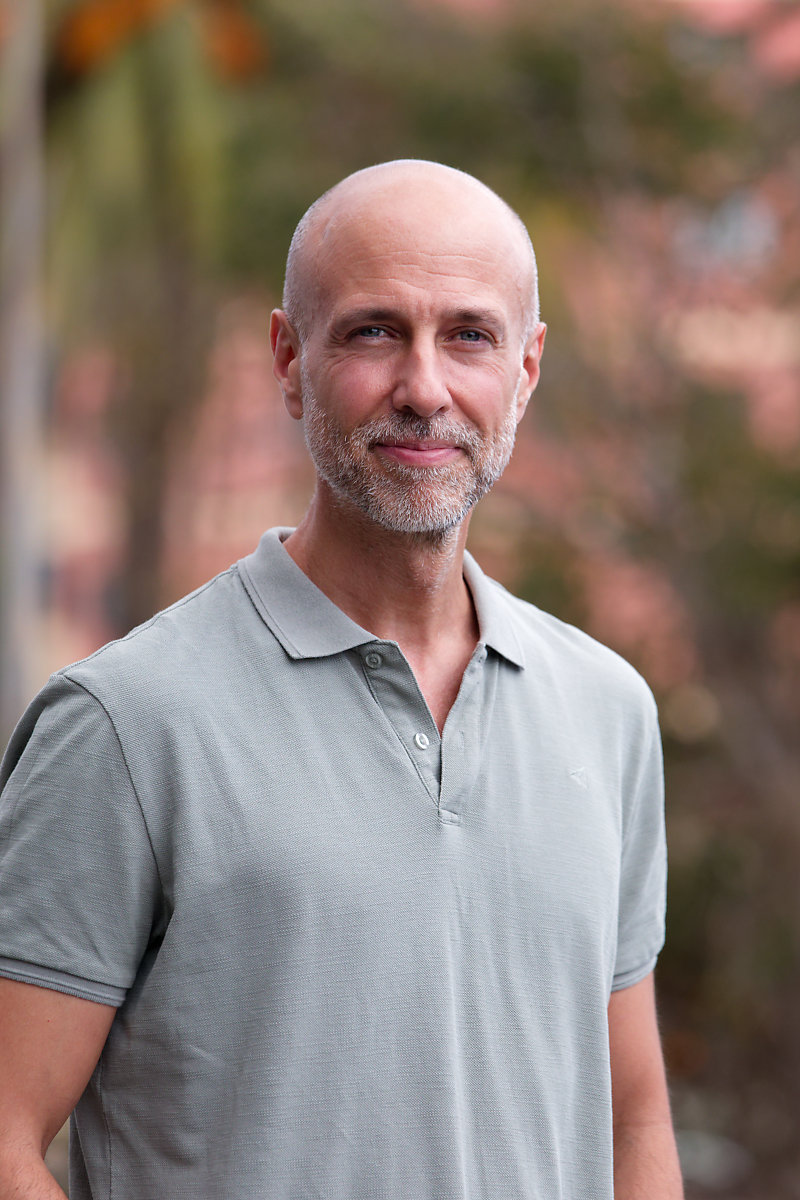
Rafael Arnay del Arco.
Researchers in the Systems Engineering area José Francisco Sigut Saavedra y Rafael Arnay del Arco They coordinate the project “Deep learning-based prediction of the development of chronic kidney disease in patients with type 2 diabetes mellitus”The project, which involves experts from the University of La Laguna and the Nuestra Señora de Candelaria University Hospital, aims to develop a clinical application based on deep learning models. This application will predict when a patient with type 2 diabetes will develop chronic kidney disease, using retinal images and other medical data. This is possible because diabetic retinopathy, which affects vision, is one of the complications associated with diabetes.
The project will leverage the potential of the RETISALUD diabetic retinopathy screening program, which has a database of thousands of fundus images and their associated clinical tests. This extensive database allows for the training of neural network models using deep learning, ensuring sufficient samples for accurate predictions. The developed algorithms will be integrated into an application that, once validated, can be implemented in routine clinical practice.
Mathematics, communications and water regeneration
The researcher in the area of Mathematical Analysis María José Martín Gómez coordinates the project PCA-ULL (Problems in Complex Analysis and Applications), which will be carried out entirely at the University of La Laguna. This project focuses on the study of various problems within the field of Complex Analysis and its applications to other areas of Mathematics.
In particular, the researchers will focus on addressing open questions and problems related to internal functions and, more generally, H-internal functions, which are canonical generators of invariant subspaces. These functions are fundamental to understanding the invariant subspaces of operators in Hilbert spaces. Furthermore, the theory of geometric functions of holomorphic mappings, and more broadly, of harmonic mappings in the plane, will play a key role in the development of this project. Complex Analysis has proven to be a crucial area for addressing problems in fields such as Fluid Mechanics, highlighting its interdisciplinary relevance.
The project VELOCITY-2 (Low-latency optical communications for road infrastructure), led by the researcher Ramón y Cajal Julio Rufo Torres The project, from the Department of Electronic Technology, is a joint effort between the University of La Laguna and the University of Las Palmas de Gran Canaria (ULPGC). Its objective is to investigate the implementation of wireless optical communication (WOC) technologies to interconnect various elements along roads, such as traffic lights, streetlights, and road signs, using wireless optical links. This initiative is key to enhancing vehicular networks and advancing towards more sophisticated intelligent transportation systems, aligned with emerging 6G technology standards.
The connectivity that the research seeks to facilitate VELOCITY-2 This will enable real-time data exchange between infrastructure and vehicles, a crucial aspect for improving traffic flow, reducing congestion, and increasing road safety. Furthermore, it will support adaptive traffic control systems that, thanks to artificial intelligence, will be able to dynamically modify signals based on real-time analysis. Researchers emphasize that optical links, which function as unregulated channels complementary to conventional radio frequencies, are particularly well-suited for low-baud-rate, short-range communications, such as command exchange, telemetry, or as backup for primary radio links. They also exhibit greater resistance to adverse weather conditions, such as heavy rain or snow, which typically negatively impact radio communications.
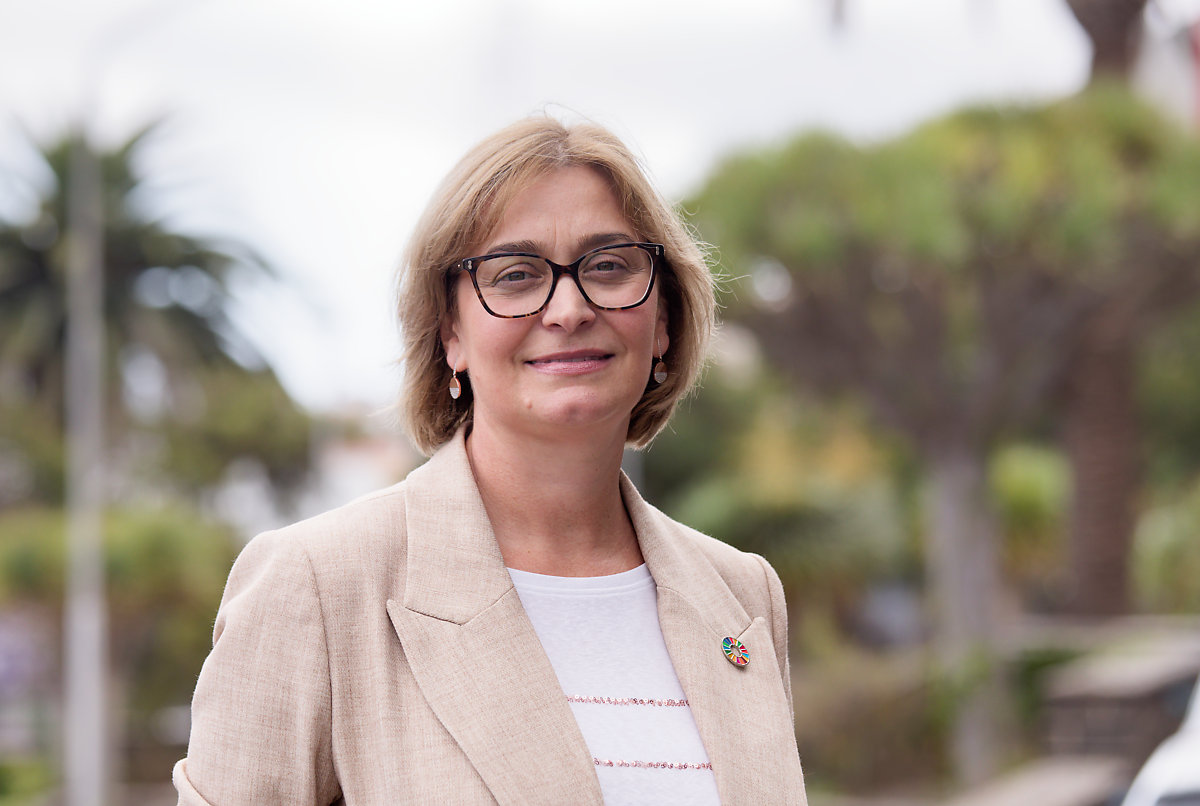
Luisa Vera.
The project MERESAB (Membrane bioreactors for nutrient recovery in domestic wastewater using granular microalgae-bacteria consortia), led by the professor of Chemical Engineering Luisa Vera, It addresses the challenge of reusing municipal wastewater while ensuring its sanitary and chemical quality, as well as recovering the resources present in it. This recovery not only helps reduce the environmental impact of treatment, but also harnesses the intrinsic value of this water as an energy source.
The main objective of MERESAB The project aims to promote the co-granulation of algae and bacteria to optimize the performance of membrane bioreactors in domestic wastewater regeneration, producing high-quality, safe, reusable water. Furthermore, the resulting biomass will be characterized and valorized for use as a biofertilizer, biostimulant, and biopesticide. The project will also explore future applications that maximize resource recovery, within a practical circular bioeconomy model.
Natural, human, and communicative dynamics
The researcher in the area of Zoology Aaron Gonzalez Castro leads the project “Effects of habitat fragmentation on frugivorous bird communities and their interactions with fleshy fruits in island ecosystems”This research aims to evaluate the profitability of fruit consumption by birds whose diet depends almost exclusively on this trophic resource.
Although studies already exist on the effects of anthropogenic disturbances such as habitat destruction and fragmentation on seed dispersal efficiency, little is known about how these phenomena impact key ecological interactions, such as frugivory and seed dispersal by vertebrates, especially from the perspective of frugivorous birds. Thus, the project funded by the Ministry seeks not only to analyze the nutritional and energetic benefits that fruits offer to birds, but also to evaluate the costs associated with searching for these resources in fragmented habitats.
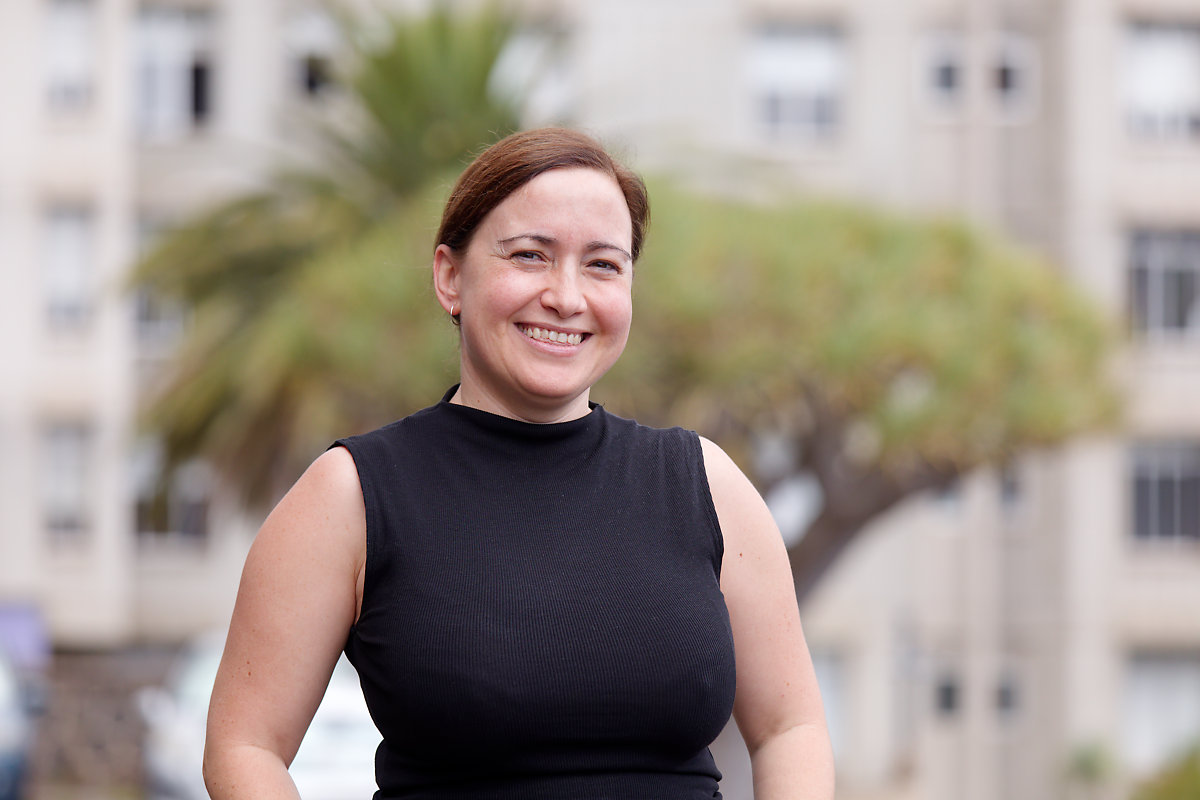
Rosa Fregel.
From the Genetics department, the professor Mariano Hernández and the researcher Rosa Fregel They lead the project DEMOGRACAN, The project, which has an international team comprised of the University of Las Palmas de Gran Canaria (ULPGC), the Gran Canaria Island Council, the Musée de l'Homme (France), the Max Planck Institute (Germany), and the University of Copenhagen (Denmark), is titled “Demography of the human population of Gran Canaria: identification of migration patterns of aboriginal and historical societies using paleogenomic techniques”, Its objective is to reconstruct the genetic composition of the population of Gran Canaria over time, from the aboriginal era to the present day.
To this end, researchers will use paleogenomic data from the aboriginal inhabitants of the Canary Islands to determine whether the population was isolated and how it evolved over the centuries. They will also analyze historical populations to understand the admixture patterns resulting from European colonization and the slave trade. Finally, they will compare the genomic composition of present-day populations in rural and urban areas of Gran Canaria to determine whether the impact of European conquest and colonization was uniform across the region.
The project FRIEND (Amplifying and Measuring Interactions during Conversations) is one of the two projects selected in this Ministry funding call within the field of Psychology. Directed by Professor Alejandro Pérez Fernández, The project seeks to transform the processes of evaluating effective verbal communication, developing scientific tools and innovative technologies to objectively analyze and improve verbal communication in real time.
The main focus of the research lies in the study of interpersonal alignment, that is, the synchronization of neural, motor, and linguistic processes between individuals—a key aspect for achieving effective conversations. Using cutting-edge methodologies such as EEG hyperscanning, hyperfeedback, and multi-person sensory stimulation, the project aims to measure, predict, and optimize these conversational dynamics. Behavioral, physiological, and linguistic data will be collected to develop advanced machine learning models that can predict the quality of communication.
Subsequently, these tools will be applied in real-world contexts, such as interactions between patients and clinicians or between professors and students, to evaluate their effectiveness. With a strong interdisciplinary team and collaborations with prestigious institutions in the UK, Canada, and Spain, FRIEND It integrates cognitive neuroscience, linguistics, artificial intelligence, and engineering.
From the field of Developmental and Educational Psychology, the project MECIR (Development and Validation of Curriculum-Based Measures to Identify Students with Difficulties and Monitor Progress in Reading, Writing and Mathematics in Secondary EducationThe project aims to develop and validate a set of innovative assessment tools, known as Curriculum-Based Measures (CBM), specifically designed for students in Compulsory Secondary Education in Spain. These tools will allow for the early identification of students at risk of experiencing specific difficulties in reading, writing, and mathematics, as well as the continuous and sensitive monitoring of their progress throughout the school year.
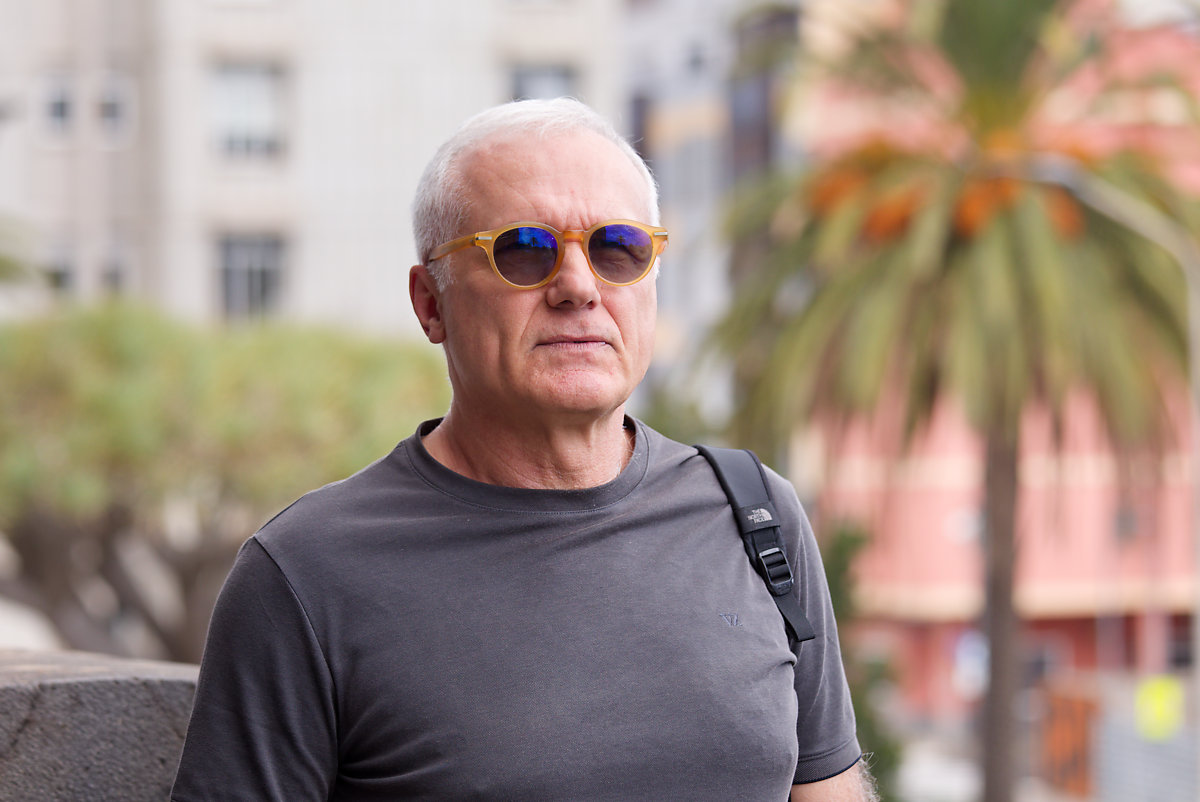
Juan E. Jiménez.
Led by the professor Juan E. Jiménez, With the participation of researchers from this university, the Catholic University of Maule (Chile), Florida State University (USA) and the company Ampifly Education Inc. (USA), the project seeks to provide teachers and educational teams with brief, reliable, easy-to-administer instruments aligned with the official curriculum, which serve as support for pedagogical decision-making within the framework of the Response to Intervention model.
Finally, the Social Anthropology researcher Alberto Jonay Rodríguez coordinates the project RESISTUR (Ecosocial Sustainability in Mass Tourist Destinations: Adaptation Strategies for Resident PopulationsThis project, a collaboration between the University of Seville and the Miguel Hernández University, aims to analyze, from an anthropological perspective and using a mixed-methods approach, how local communities in Tenerife, Seville, and the Costa Blanca adapt to mass tourism. Adaptation is understood as a dynamic and diverse process encompassing strategies ranging from active resistance to the discursive legitimization of the tourism model.
RESISTUR The aim is to study these strategies by grouping them into categories that address the re-conceptualization of territories, the ritualization of social relations, the construction of identities, the transformation of cultural and leisure practices, as well as discursive practices that are both legitimizing and challenging to mass tourism.
These projects from the University of La Laguna reflect the diversity, quality, and potential impact of the research conducted at the Tenerife-based academic institution, which is consolidating its position as a national leader in multidisciplinary studies ranging from astrophysics to genetics, psychology, chemical engineering, and social anthropology. The final decision on these grants is expected in the coming months.
Scientific Culture and Innovation Unit (Science@ULL)

 Spanish
 English
 French