
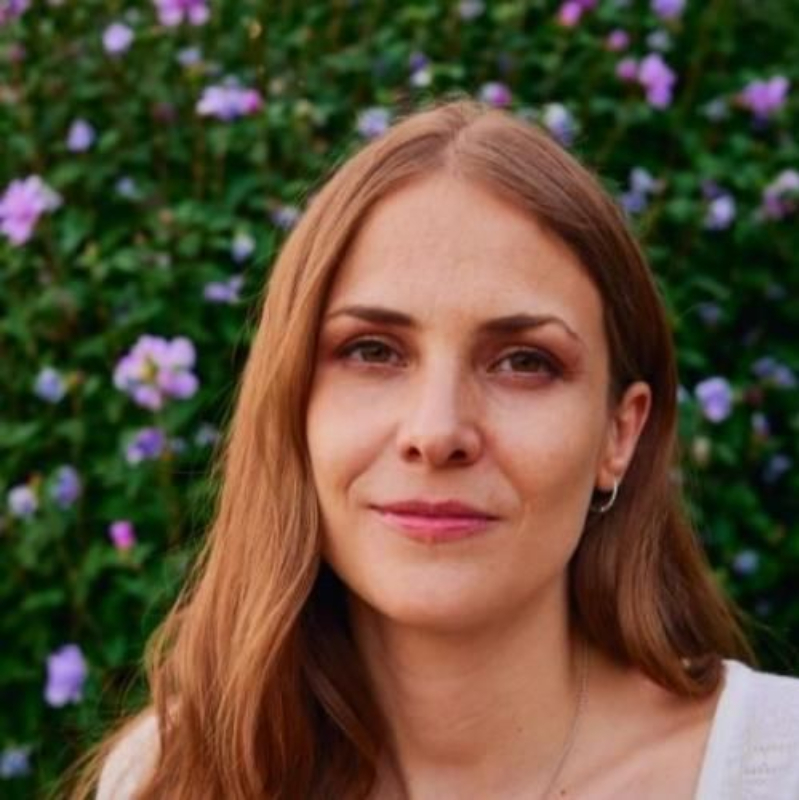
Researcher Sara Arenillas, author of the article.
Aesthetics camp cañí, characterized by exaggeration, irony, and kitsch, It has reappeared today in Spanish urban popular music as a language capable of questioning gender norms. A study from the University of La Laguna explores how this Spanish form of camp It is used both to create non-normative gender identities, as seen in the music video for "Por España" (2021) by Samantha Hudson, and as a tool to construct a new or alternative masculinity, as in "Demasiadas Mujeres" (2021) by C. Tangana.
He article, “Beyond camp: camp cañí, queerness and new discourses of masculinity in Samantha Hudson and C. Tangana”, It has been prepared by the doctor in Musicology Sara Arenillas Meléndez, She is affiliated with the Department of Art History and Philosophy at the University of La Laguna. Her work has been published in the journal Feminismo/s, within a dossier on popular music and gender, and analyzes how popular music shapes inclusive identities or reinforces patriarchy within the current feminist debate. It also highlights the transformative role of art in challenging rigid gender norms.
He camp It is defined by Susan Sontag in “Notes on Camp” as “an aesthetic sensibility that embraces artifice, exaggeration, and a love for the unnatural.” This term also encompasses the dialogue with popular culture and its relationship with the homosexual community. Arenillas explains that the camp It has been revalued thanks to the theory queer, its appropriation and parody as useful strategies to certify the performative character of the genre.
The article focuses specifically on the case of Spain, through the term coined by Lidia García in 2016, camp cañí, This expression arose from artistic manifestations after Franco's death that articulated alternative sexual identities. To do so, they resorted to what was most... kitsch from the Francoist imaginary. García studies the case of the transvestite Ocaña and the painters Las Costus, very important for the Movida, but it is an aesthetic that is well reflected in Almodóvar's films, with such clear examples as "All About My Mother". C. Tangana and Samantha Hudson are two contemporary cases that exemplify these differences in the articulation of camp cañí within current popular urban music.
The research observes that the increasing visibility of feminism and theory queer This has led to the emergence of new proposals for articulating masculinity in the popular culture market. The study adds that what is novel is the incorporation, within the performance of white, heterosexual masculinities, elements characteristic of a “gay aesthetic.” This is noticeable in the case of C. Tangana and his use of camp within a heterosexual context.
Samantha Hudson advocates an open and performative view of gender identity that aligns with the theory queer. A case that exemplifies his discourse well is the song and video for “Por España”. Furthermore, C. Tangana's approach aligns with the strategy of hybridizing masculinity. Tangana employs the aesthetic code of camp mixed with the typical, authentic Spanishness and kitsch of Francoism within his album The Madrileño, more specifically in “Too Many Women”.
Thus, the researcher's study of these two cases shows both the validity and versatility of camp to insert themselves into popular culture and produce cultural capital, such as the ambivalence of their capacity to resignify discourses linked to heteropatriarchy.

 Spanish
 English
 French