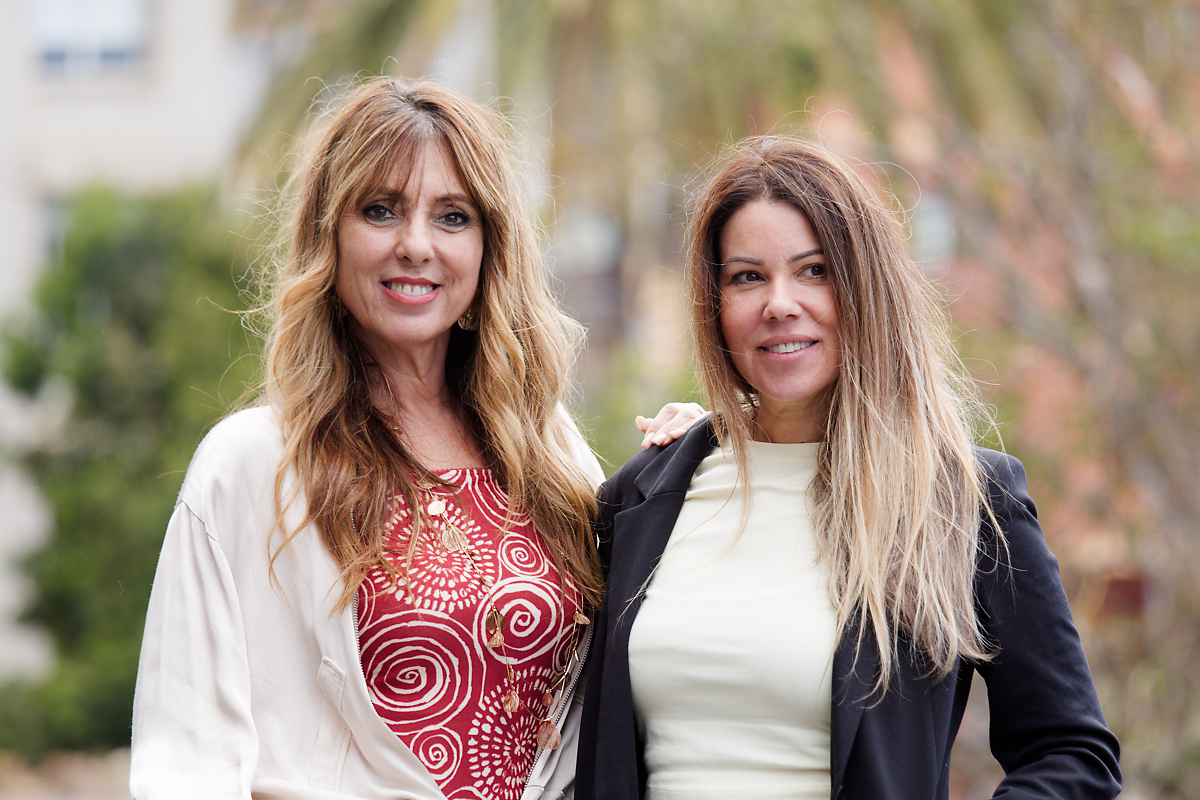
Older adults represent one of the fastest-growing population groups in the Canary Islands as a result of increased life expectancy and demographic changes experienced in recent decades. However, this progressive aging of the population has not always been accompanied by greater visibility or social recognition. Despite the fact that older adults play a fundamental role in their families, communities, and immediate environments, they continue to face numerous prejudices associated with old age.
Indeed, many of these prejudices manifest themselves through ageism, a form of discrimination that normalizes certain behaviors toward older people and influences how they are treated by society. The tenured professor in the Department of Nursing at the University of La Laguna Sara Darias He points out that this unequal treatment can be observed in many very common situations: "For example, when in various contexts, older people are shouted at as if they all suffered from some hearing impairment when it is not necessary and above all, shouting at them does not make them understand you better.".
These types of attitudes, far from being anecdotal, reflect a broader social vision in which youth becomes synonymous with courage. María Inmaculada Fernández, academic director of the University Extension Studies for Older Adults (EUPAM) It indicates that "we are used to the idea that, in general, what is valid in society is youth." Also, Amanda Negrín, A lecturer in the Social Work degree program emphasizes the structural origin of this prejudice: “We live in a society obsessed with youth, and if we don't want to seem older, it's because there's a pre-existing misgiving about what it means to be older.” However, Ana Isabel González, director of the Chair of Life Cycles and Older People at the ULL, points out that people are being rejected who “need to feel recognized for their value, the contribution they continue to make to society and the wealth of experience of a lifetime.”.
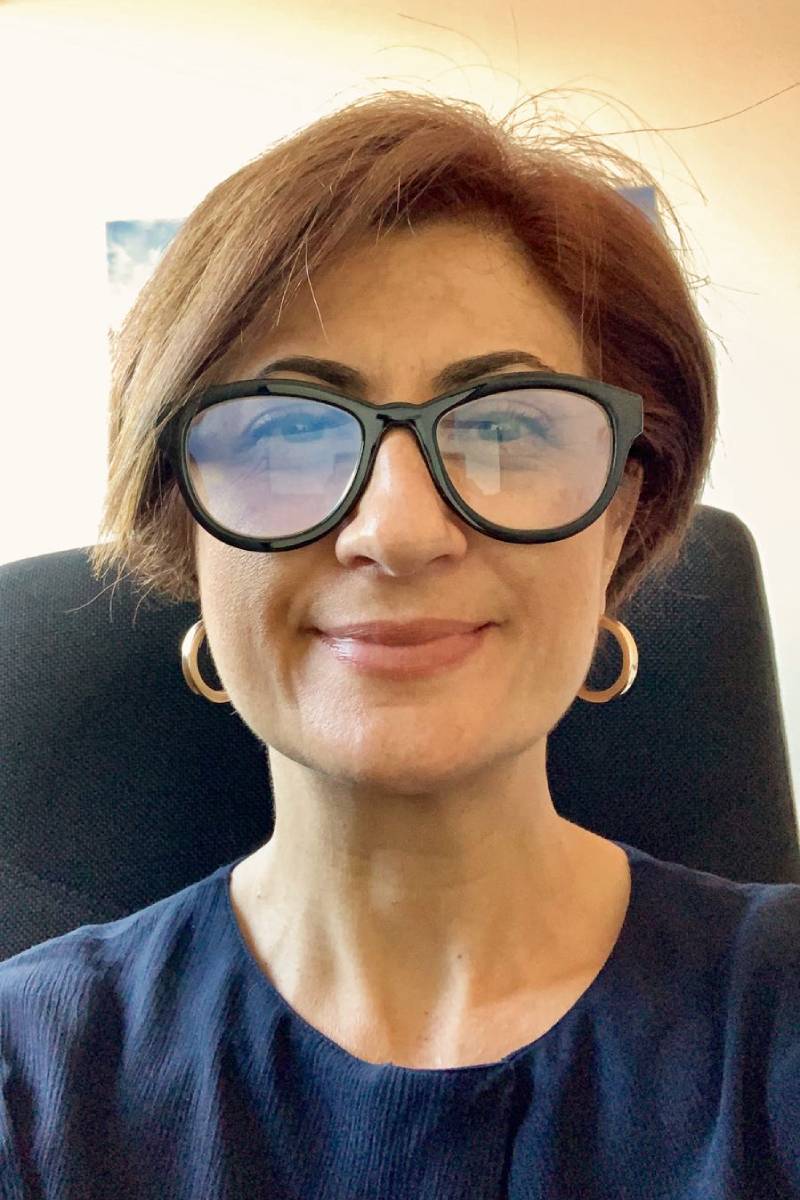
Sara Darias. (Photo provided).
The loss of knowledge that no one takes advantage of
The experts point out that this perspective shapes how old age is perceived, often reducing this segment of the population to a passive or dependent role, ignoring their life trajectory and their capacity to continue contributing to society. “We have lost sight of the fact that they are people with a personal and cultural background,” explains Darias. For her part, Fernández warns of the invisibility of their historical role in the construction of fundamental rights: “The fact that we can talk about labor rights, the recognition of LGBTQ+ people, mental health, or feminism is also a product of their struggle.”.
Amanda Negrín believes that stereotypes associated with dependency and inactivity still prevail, far removed from the reality of this segment of the population. "The reality is that many older people have a desire to live, to learn, to fall in love, to participate, and to continue contributing to society," she states. The professor links this perception to an excessively productivity-focused view, in which a person's value is measured by their capacity to generate economic wealth. "It's understood that to contribute to society you have to provide financially, and since older people are recipients of benefits, it seems they are worthless," she points out.
In response, Negrín argues for the need to promote active aging and for initiatives that allow older adults to remain engaged in social life. "It seems that the focus should be on building more nursing homes or creating more places, when in reality, the priority should be active aging," he concludes.
This reflection connects with another concern raised by Fernández, who warns of the loss of knowledge that occurs with the retirement of older workers. "Our system is not equipped to take advantage of the potential that these individuals have developed," he states. In his view, society is wasting decades of accumulated experience, since "it is building up knowledge that we are going to lose.".
In this sense, the University for Seniors of the ULL, With students ranging in age from 50 to 86 and a wide variety of life, professional, and cultural experiences, the school emerges as a space for recovering that social and personal value. “When these people see that they have not only passed, but have gotten a very good grade, the effect it has on them is not the same as on a young person,” explains Fernández.
In addition to learning, the social dimension is fundamental: “There is a social relationship component at the University for Seniors that is not found at any other level, not even in student housing,” the director emphasizes, highlighting the importance of these support networks that transcend the classroom.
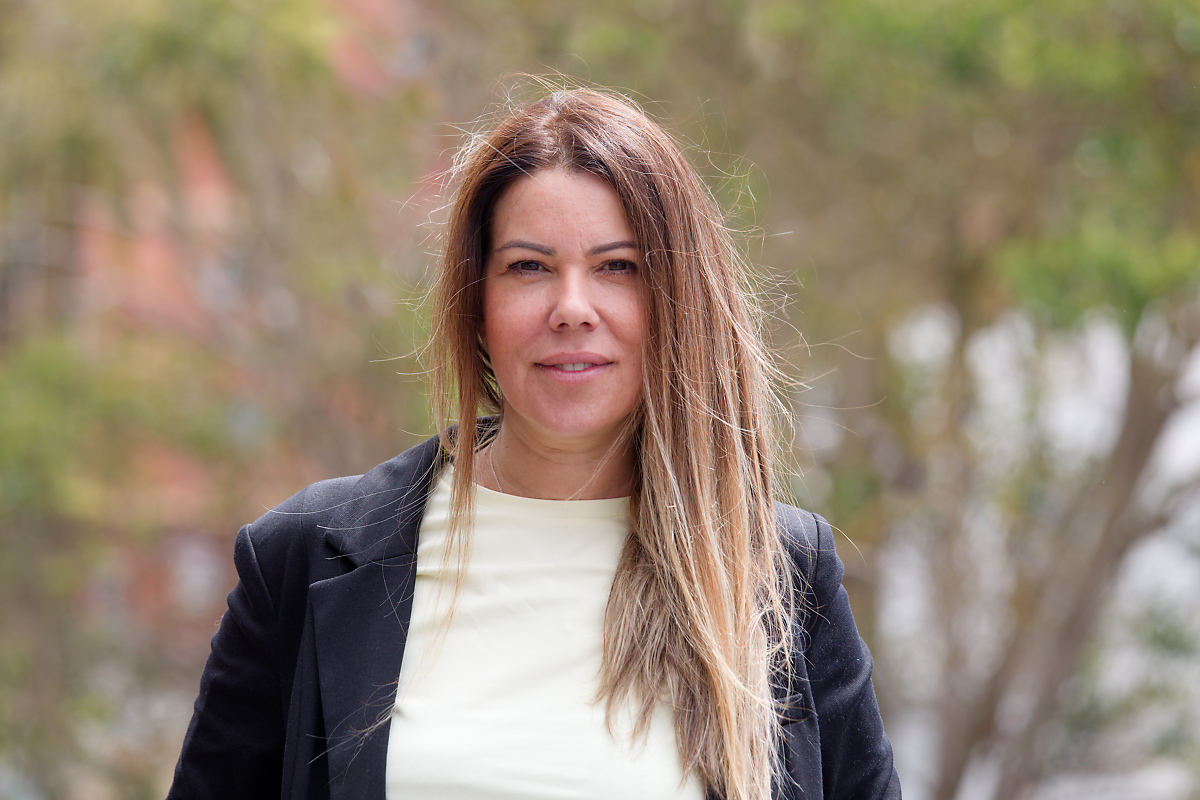
Amanda Negrín.
Unwanted loneliness as a silent epidemic
If there is one phenomenon that specialists refer to, it is unwanted loneliness, understood not only as the absence of company, but also as the loss of one's own identity and meaningful connections. "Loneliness is not only a matter of not having people by your side, but also of not having meaning in your life," Negrín points out.
Along these lines, she warns that many older people experience a sense of emptiness in their lives after retirement or the loss of their close circle: “Often, when older people reach a certain age, they feel they have no life project to strive for or to keep going; many face an enormous void,” with consequences that are not only emotional. “Loneliness is not exclusively related to the absence of a close social support network, but can also have an existential dimension, linked to a lack of purpose and the difficulty in perceiving one's own life as meaningful,” Negrín adds.
Sara Darias goes further and links loneliness with abandonment: “It is a form of mistreatment, as is the stigmatization that exists towards this group of the population; they are seen as a social burden and think that they no longer contribute or that they have nothing to offer.”.
In many cases, the potential abandonment they may suffer at the hands of their families is minimized. Many older adults “try to excuse this behavior from their loved ones by saying they are very busy. However, deep down, the feeling of loneliness and abandonment is real and persists,” explains Darias. Amanda Negrín points out that this is why “in some older adults, the demand for healthcare may be linked not only to physical health needs, but also to psychosocial and existential needs, such as loneliness, loss of purpose, or the absence of meaningful spaces for social interaction.”.
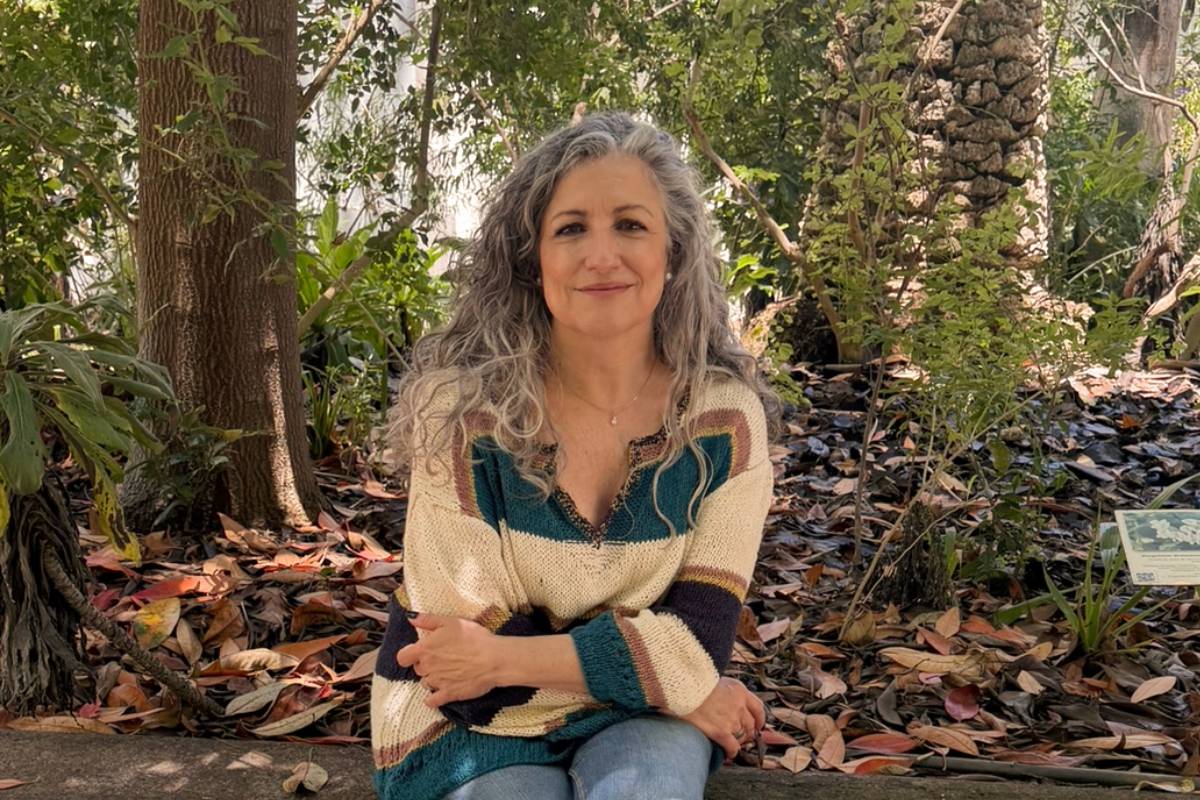
Inmaculada Fernández. (Photo: Diego Hernández).
A social crisis that also affects young people
Loneliness is not exclusive to old age. Ana Isabel González points out that it is an intergenerational phenomenon: “We are seeing significant problems of loneliness in adolescence, a problem they share significantly with older generations.” This perspective allows us to understand loneliness as a structural social phenomenon. Projects carried out in the chair, such as “Guateque” and «Cooperative Physical Activities for Intergenerational Socio-Affective Encounter,» work precisely on this connection between generations: “It is interesting how in both life cycles, significant bodily symptoms appear that coincide with stages of greater disconnection from the body, from one's own emotional and affective world, with clear evidence of unwanted loneliness.”.
Similarly, the digitization of public services has generated new forms of exclusion. “There is institutional mistreatment of older people simply insofar as they are not given the support they require,” states Amanda Negrín. She also emphasizes that “they cannot fully exercise their rights in areas such as health, public administration, or banking because they are not provided with the necessary training or support.” To address the challenges of using digital tools in later life, the Chair of Life Cycle Studies has launched the project «Investigating the Digital Divide: A Battle for the Inclusion of Older People.»
Sara Darias agrees with the diagnosis: “Everything changes very quickly, and older people know how to use their mobile phones to make calls, but they have no one to ask for help learning other things.” This gap not only limits their autonomy but also increases their vulnerability to fraud and scams, even generating a fear of technology.
The care crisis and the loss of community
Experts insist that the care system is another critical issue. “Before, caregiving fell to families; now that network has weakened, and it seems that everything is left in the hands of the state, but even that doesn't cover all the needs,” Negrín points out. This transformation has left this group in a vulnerable position, especially women, whose life trajectories have been marked by unpaid domestic work: “Many women have dedicated themselves primarily to caring for their families, and when they reach retirement age, they find they have no contributions,” she emphasizes. The lack of recognition for this work has direct consequences for their economic and social autonomy, generating inequalities that add to those accumulated throughout their lives.
“Many older people are facing difficulties related to housing prices, forcing them to leave their homes and move to more affordable areas or even to share housing with others,” explains Negrín. The causes lie in rising rents and pressure from the tourism market, and they have a profound impact: “The uprooting is very strong, as they lose their neighbors, their routines, their senior citizens' association, the shops they frequent, and the entire social network they had built over decades.”.
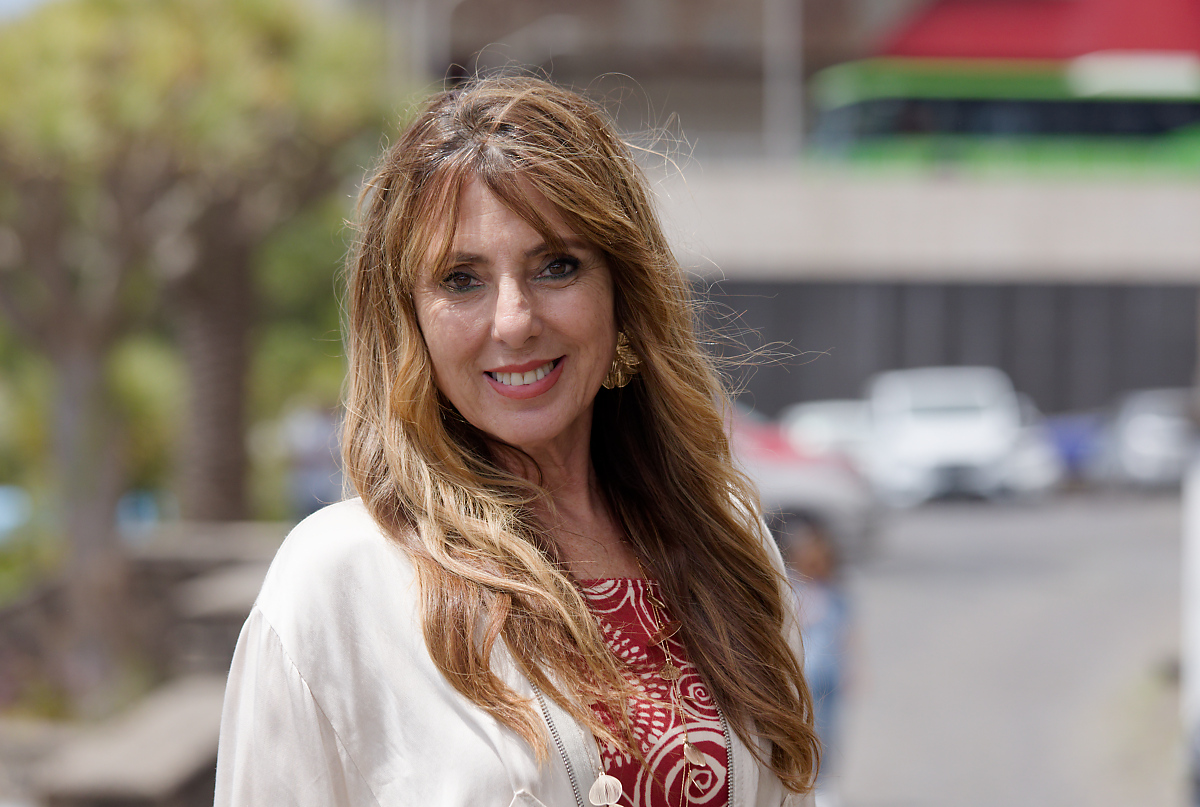
Ana Isabel González.
Multiple discriminations and LGBTIQ+ exclusion
Another aspect to consider is that old age does not affect all of society equally. The Chair of Life and Older Adults works on the inclusion of LGBTQIA+ older people in care homes, where situations of isolation have been detected. “The problem they tell us is that there is real exclusion within the centers, with arguments even among the residents themselves,” says Ana Isabel González. In some cases, she adds, “they are pressured to stay in their rooms.” These situations demonstrate how discrimination can multiply when age, identity, and institutional context intersect.
On the other hand, the accumulated experience of the older population also becomes a valuable tool for addressing some of today's major social challenges. One of these is the demographic challenge facing the Canary Islands, marked, among other factors, by migration patterns. This reality is precisely the subject of analysis in one of the courses taught within the University Studies for Older Adults program at the University of La Laguna.
María Inmaculada Fernández explains that older generations have much to contribute to this debate due to their own life experiences. This directly connects with the experiences of many students at the University for Seniors, since "many of the people currently enrolled emigrated to Latin America in the 1960s and 70s, or are children of migrants.".
The academic director emphasizes that listening to those who have personally experienced migration processes allows for a better understanding of current challenges related to integration and intercultural coexistence. "They can teach us a great deal about how to accept and recognize cultural diversity, how they felt when they went to another country, or how they would have liked to have been included in that society," she explains.
Inequalities between the rural and urban world
Territorial inequalities also affect the quality of life of many older people, especially those living in rural municipalities or far from major urban centers. Although access to healthcare services has improved in recent decades, experts point out that difficulties still persist that directly affect this group. “If you moved to other municipalities, you might have to share a health center between three different towns,» explains Sara Darias.
Indeed, mobility becomes one of the main barriers for those who have stopped driving and depend on public transportation to attend medical appointments or run everyday errands. The researcher recounts an example that reflects the difficulties they face when they live outside of cities: “I don’t have transportation because I no longer drive, but the bus comes at six in the morning so I can be there by eight, so I have to wait out here to be seen.”.
Despite the challenges, the experts agree that it is possible to move towards a more inclusive society for older adults. To achieve this, they consider it essential to listen to their real needs and break down the prejudices that continue to influence how aging is addressed. "The first thing we must do to provide good care is to listen to them, because sometimes we are influenced by stigmas," says Ana Isabel González. Therefore, one of the activities offered by the chair is Artistic Mediation workshops to connect with the emotional and affective well-being of older adults.
Along the same lines, Sara Darias points out that recognition and affection are fundamental human needs that never disappear. "We all like to feel appreciated, regardless of age," she notes. The researcher emphasizes that many older adults continue to be capable of participating, making decisions, and contributing to society, but they often lack opportunities to do so.
Experts also warn that mistreatment doesn't always take visible forms. Isolation, a lack of listening, or a lack of support can also become forms of everyday violence. In a context of increasing population aging, the challenge lies in recognizing the value of experience, strengthening community ties, and ensuring that older people continue to occupy an active and visible place within society.
(This report is an initiative framed within the InvestigaULL Commemorations Calendar, a scientific dissemination project promoted by the University of La Laguna).
Scientific Culture and Innovation Unit (Cienci@ULL)

 Spanish
 English
 French