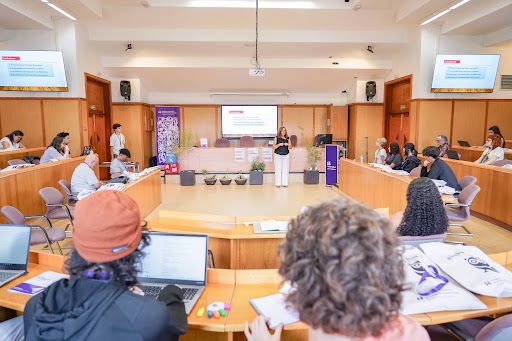
The Faculty of Humanities at the University of La Laguna has held its first Training Day for Student Representatives, under the theme “Represent, Communicate, and Transform: a day of student leadership in the Humanities.” This initiative is driven by the Student Delegation, which will celebrate its first anniversary this month, to strengthen participation, training, and coordination among the representatives of the institution's degree programs.
This event, held in the Lecture Hall of the César Manrique Building in Guajara, was aimed at student representatives, sub-representatives, assembly members, representatives on governing bodies, and, in general, anyone interested. The initiative arose from the need to consolidate a common space for spokespeople, facilitating networking with other faculties and university schools. Students from Mathematics, Law, Economics, Tourism, and the Higher School of Engineering and Technology were present.
The workshop provided basic, common training for those who perform student representative functions, facilitating their understanding of the university structure, the resources available to students, and the tools necessary to exercise effective, accessible, and committed representation. To meet these objectives, the Student Delegation itself has developed an initial model of the Student Representative's Guide, which was officially presented at this event and which complements the data offered by the Information and Guidance Service (SIO).
Antonio Adelfo Delgado, director of the university's Access and Diversity Secretariat, opened the event in place of the Vice-Rector for Students. Delgado shared with the audience a series of reflections on the role of representation in contributing to building a better university, emphasizing the importance of listening to other opinions, developing the capacity to negotiate, deliberate, make informed decisions connected to common needs, and understanding the governing bodies.
Next, the Dean of the Faculty of Humanities, Javier Medina, presented a review of the challenges and social value of the humanities disciplines today. Medina emphasized the need for a humanistic renaissance in the 21st century as key to future scientific and technological development. He also noted that the faculty began in a complex situation, having been founded in 2013 by merging the previous faculties of Geography and History, Philology, and Philosophy for economic reasons.
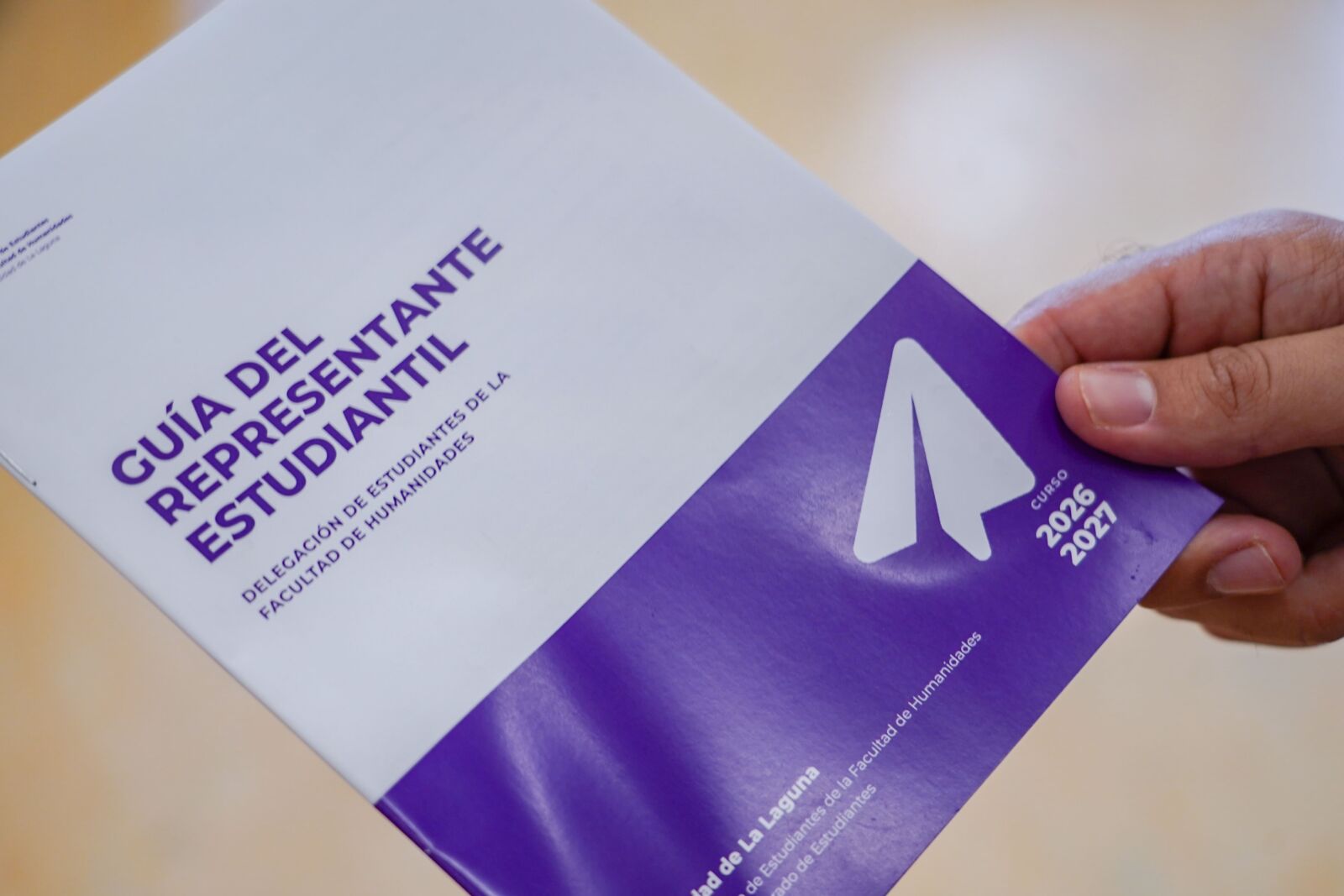 Sergio Cordobés, a Geography student and president of the Student Delegation, introduced the first Student Representative Guide, designed as a starting point for those interested in becoming involved in university life. This document is organized around four main sections: an introduction to who the representatives are, their roles, and their implications; the structure and profiles of student representation within the university; the organizational structure of the delegations, their coordination, and their organization within the faculties; and tools such as university services, practical resources, and effective communication techniques for contacting university officials.
Cordobés encouraged delegations from other faculties to review and contribute information to the guide, which includes several final pages for notes. "It's a fairly comprehensive guide that, as specific information, only mentions student organizations in the Humanities at the state level and a directory of contacts specific to the Faculty," he explained.
Rocío Medina, legal advisor to the Vice-Rectorate for Students, explained the key aspects of this service. In her presentation, structured as a workshop, she highlighted key points such as the need to understand the University's regulatory framework in order to represent and constitute its governing bodies; developing a strategy for effectively communicating and documenting student needs; cultivating negotiation and diplomacy skills; and addressing generational succession in representation and knowledge transfer through complementary tools such as the guide presented today. For future advisory inquiries, Medina directed the audience to the website of the Vice-Rectorate for Students. Information and Guidance Service.
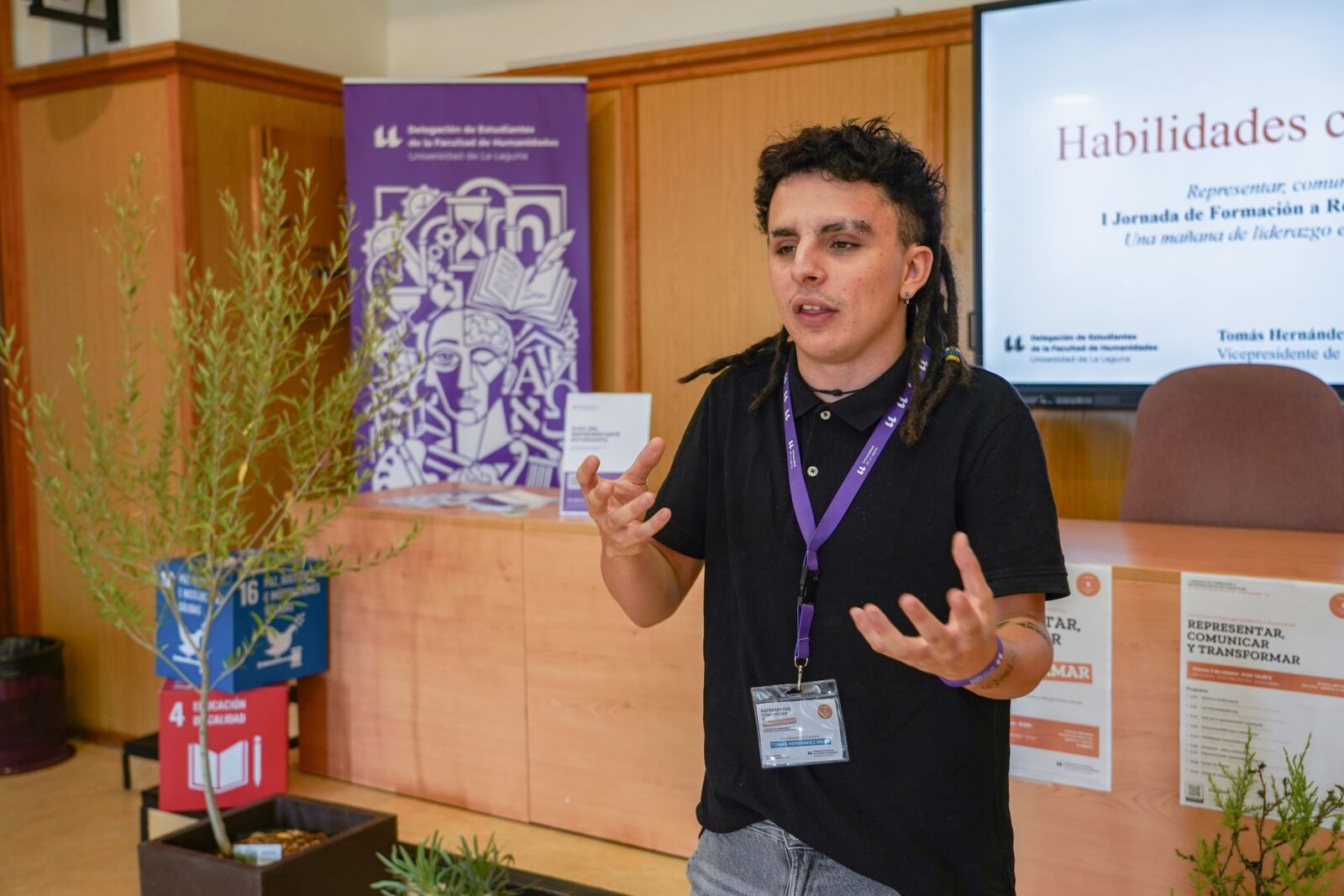
The Vice President of Philosophy for the Delegation, Tomás Hernández Mora, contributed relevant elements regarding communication skills for representation. Fabián Cubas, a member of the Council
Fabian Cubas.
The student representative spoke about external university representation. Finally, Mónica Yballa González, representing the College of Pedagogy and Psychopedagogy, led an activity focused on developing individual and collective talent.
These conferences aim to become a first step towards consolidating a more active, coordinated and stable participatory culture not only within the Faculty but also the University of La Laguna as a whole.

 Spanish
 English
 French