Government Pavilion, C/ Padre Herrera s/n
P.O. Box 456
38200, San Cristóbal de La Laguna
Santa Cruz de Tenerife - Spain
Switchboard Tel.: (+34) 922 31 90 00
Hours: Mon-Fri, 8:00 a.m. to 9:00 p.m.

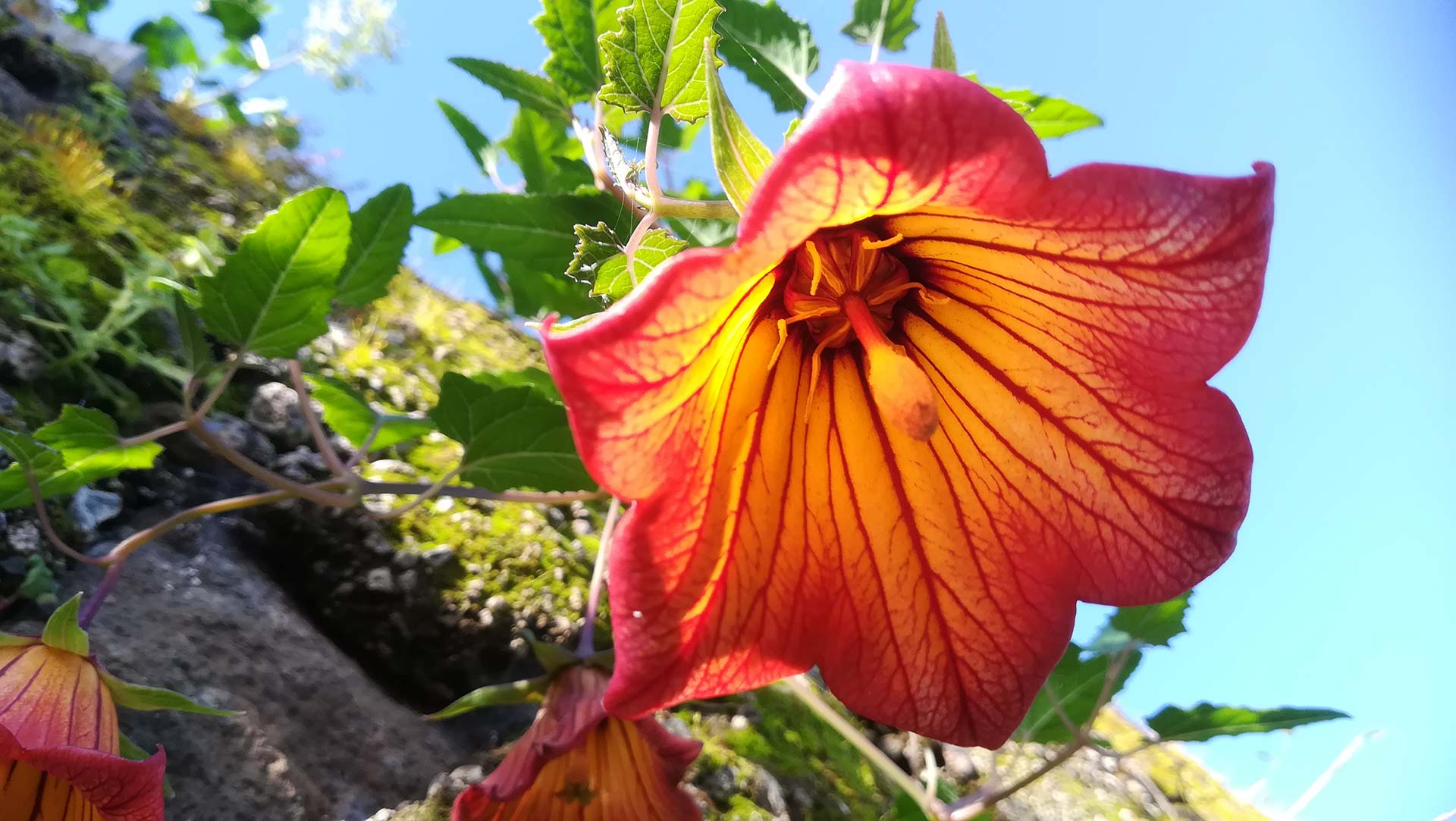
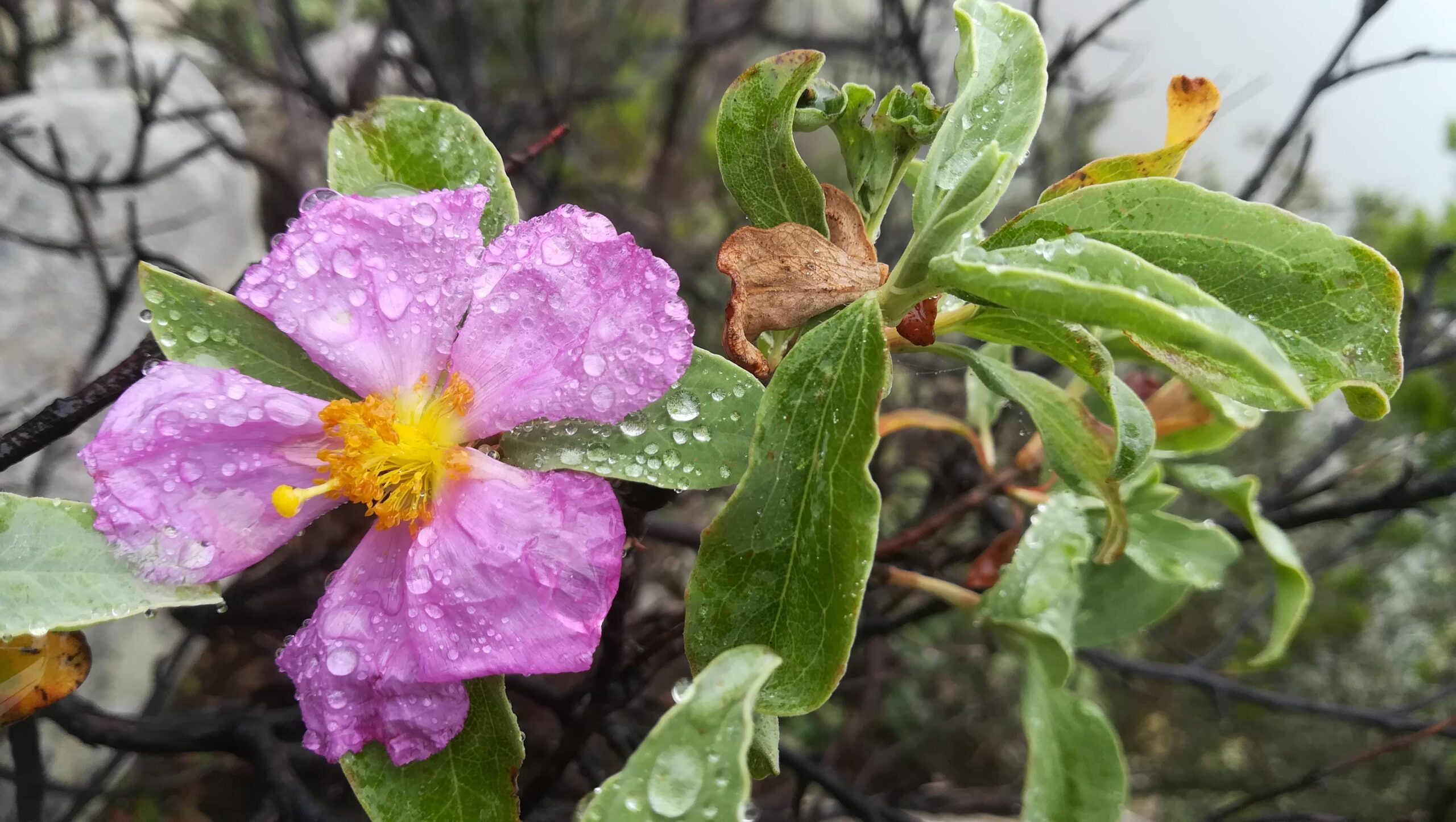
To understand life on the islands, it is necessary to understand their origins. There are several types of islands according to their formation. In the case of the Canary Islands, no one disputes the volcanic nature of the islands, although there is still controversy today about their origin (to learn more).
The Canary Islands originated millions of years ago, some of them (paleocanariasThese islands are currently submerged in the Atlantic, having ceased emitting lava and undergone erosion. The number of islands currently emerged is higher than expected due to the virtually negligible effect of subsidence (sinking of the oceanic plate by the weight of the islands themselves).
In recent decades, volcanic eruptions have reminded us of the archipelago's nature, with the submarine eruption of the Tagoro volcano (El Hierro, 2011) and the subaerial eruption of Tajogaite (La Palma, 2021). From the moment the lava cools, both in the marine and terrestrial environments, the process begins. colonization of the new territory generated (Figure 1).

Figure 1. Colonization of stony volcanic terrain, practically without soil, by primary colonizing organisms (in this case, lichens).
Government Pavilion, C/ Padre Herrera s/n
P.O. Box 456
38200, San Cristóbal de La Laguna
Santa Cruz de Tenerife - Spain
Switchboard Tel.: (+34) 922 31 90 00
Hours: Mon-Fri, 8:00 a.m. to 9:00 p.m.
