Government Pavilion, C/ Padre Herrera s/n
Post Office Box 456
38200, San Cristobal de La Laguna
Santa Cruz de Tenerife - Spain
Switchboard Tel.: (+34) 922 31 90 00
Hours: Mon, 8:00 a.m. to 9:00 p.m.

The overall objective of the micro-credential Strategies for the comprehensive approach to polymedicated patients is to train students to identify, evaluate and comprehensively address polypharmacy, applying a clinical, critical and ethical approach that allows optimizing therapeutic appropriateness, improving patient safety and promoting person-centered care, from a multidisciplinary, community and socio-health perspective.
Upon completion of the microcredential, students will be able to:
To benefit from this subsidized training course, you must meet the following requirements:
1. To be a national of the Spanish territory.
2. Be between 25 and 64 years of age at the start date of training.
3. Possess relevant qualifications or professional experience:
Theoretical and practical content of the subject:
The training activities to be carried out during the delivery of the micro-credential will be:
Regarding the way to organize the teaching to achieve the objectives set out in the micro-credential, the organizational modality summarized below will be followed:
The microcredential will have an evaluation system (ES) based on the following evaluation tests:
Credits: 3 ECTS
Duration: 11/05/2026 – 22/05/2026
Teaching modality: Virtual
Location: Virtual campus of the University of La Laguna
The cost of tuition for this Microcredential will be subsidized by the 'Plan for the development of university microcredentials', investment 6 of component 21 of the Addendum to the 'Recovery, Transformation and Resilience Plan', financed by the European Union – Next Generation EU, year 2025.
Short courses available in various formats (in-person, online, or hybrid). Ideal for learning without interrupting your professional life.
Content created and delivered by professionals and experts in the field, designed for immediate application.
Endorsed by the University of La Laguna. You will receive an official ECTS certificate, valid in the European Higher Education Area.

Professor in the Pharmacology Department of the Faculty of Pharmacy. Her research focuses on Pharmaceutical Care and the study of medication use.
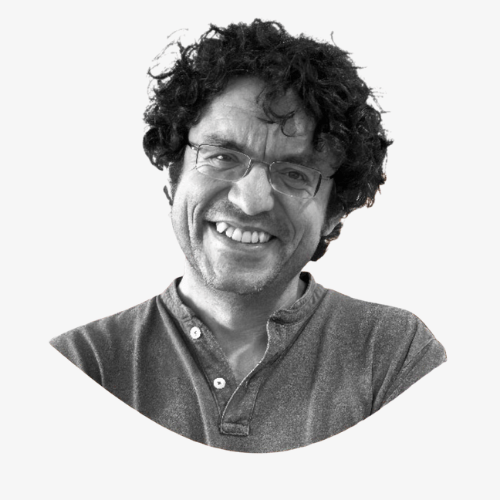
PhD in Pharmacy, Community Pharmacist and President of FÜNDEC.
PhD in Pharmacology from the University of Valladolid and Bachelor of Pharmacy from the University of Salamanca. Community pharmacist with research experience and scientific publications, active member of scientific societies in the health and professional fields.

Family and community physician in Zeberio (Bizkaia) and coordinator of the Primary Care Unit in Arrigorriaga. I have a particular interest in patient-centered care, judicious prescribing, and a community-oriented approach to healthcare services. I collaborate on innovative community health projects with FÜNDEC, Osatzen, and the OPIK research group at the University of the Basque Country (UPV-EHU).
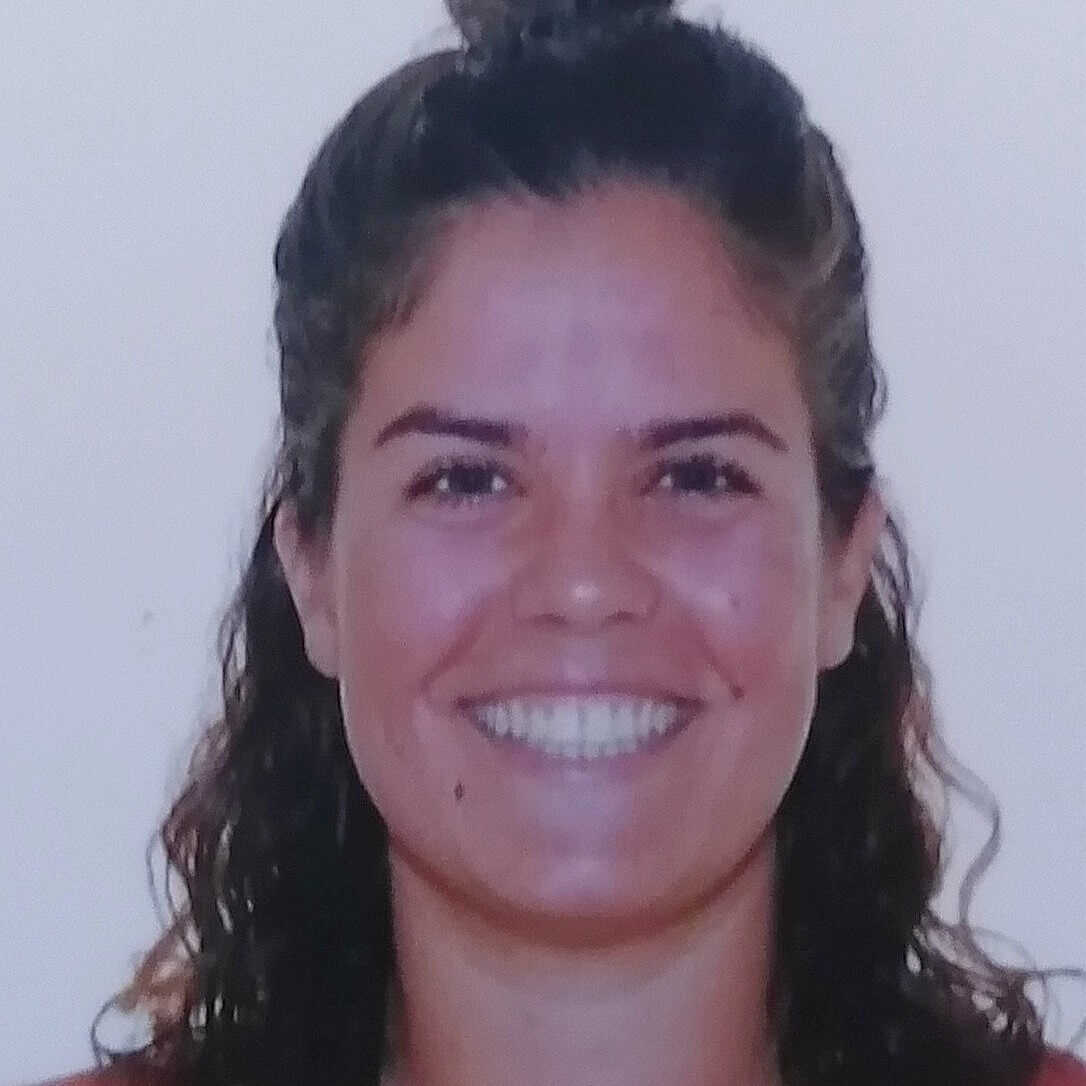
I am Laura Delgado Martín. I am a Family and Community Physician working in the Primary Care Management of Tenerife.
Licensed pharmacist with over 20 years of experience in community pharmacy, specializing in comprehensive pharmaceutical care and pharmacotherapeutic monitoring of chronic and polymedicated patients. Extensive accredited training in professional healthcare services, patient safety, pharmaceutical indications, and health prevention. I also have experience in teaching and health education, both in formal training and in outreach activities aimed at the general public and senior citizens. A professional with a strong commitment to patient care, focused on quality and patient-centered care.
A pharmacy graduate with a deep interest in the healthcare field, I am driven by a desire to fully understand treatments and their impact on patients' quality of life, always striving to contribute positively to their well-being whenever possible. This passion motivates me to pursue continuous training and professional development.
My name is Lincoln. Born in Havana and raised in Tenerife. I am a pharmacist and nutritionist. Passionate about sports, cooking, and knowledge.

Government Pavilion, C/ Padre Herrera s/n
Post Office Box 456
38200, San Cristobal de La Laguna
Santa Cruz de Tenerife - Spain
Switchboard Tel.: (+34) 922 31 90 00
Hours: Mon, 8:00 a.m. to 9:00 p.m.
