Government Pavilion, C/ Padre Herrera s/n
Post Office Box 456
38200, San Cristobal de La Laguna
Santa Cruz de Tenerife - Spain
Switchboard Tel.: (+34) 922 31 90 00
Hours: Mon, 8:00 a.m. to 9:00 p.m.

The micro-credential in Manual Therapy for Breast Cancer addresses the healthcare and social needs arising from the increasing number of survivors requiring specialized care to treat long-term effects and improve their quality of life. Scientific evidence supports manual therapy and therapeutic exercise as key and safe interventions for addressing pain, mobility limitations, scar tissue adhesions, and lymphedema, forming the basis of this training.
It has the endorsement of the Canary Islands Foundation for Life Race, guaranteeing its connection to the real needs of patients and its social relevance. This training not only enriches the academic offerings of the University of La Laguna (ULL), but also strengthens the professional field and improves the quality of life of those affected.
To train physiotherapists in the assessment and application of advanced manual therapy techniques, based on the best scientific evidence, to comprehensively address the neuromusculoskeletal and tissue sequelae of breast cancer treatment and significantly improve the quality of life of breast cancer survivors. Specific Objectives – To analyze tissue and neuromusculoskeletal dysfunctions resulting from breast cancer and its treatments. – To apply specific manual techniques for the treatment of scarring, myofascial adhesions, and axillary web syndrome. – To adapt joint mobilization and neurodynamic techniques to the specific conditions and needs of cancer patients. – To introduce the principles of lymphatic manual therapy as a tool for the prevention and management of lymphedema. – To integrate the different manual techniques into a coherent and personalized treatment plan, educating patients in self-care strategies.
To access this microcredential, you must meet the following requirements:
1. Safety principles, contraindications, and initial evaluation in breast cancer. 2. Myofascial release of the shoulder/pectoral girdle and treatment of post-surgical/post-radiotherapy scars.
3. Evidence-based approach to Axillary Net Syndrome.
4. Adapted joint and neural mobilization techniques.
5. Lymphatic Manual Therapy: principles, evidence and basic application.
6. Integration into treatment plan, communication and self-care.
Regarding the way to organize the teaching to achieve the objectives set out in the micro-credential, the organizational modality summarized below will be followed:
The microcredential will have an evaluation system (ES) based on the following assessment tests:
Credits: 3 ECTS
Duration: 07/05/2026 – 16/05/2026
Teaching modality: In person
Location: Faculty of Health Sciences (Physiotherapy Section)
The cost of tuition for this Microcredential will be subsidized by the 'Plan for the development of university microcredentials', investment 6 of component 21 of the Addendum to the 'Recovery, Transformation and Resilience Plan', financed by the European Union – Next Generation EU, year 2025.
Short courses available in various formats (in-person, online, or hybrid). Ideal for learning without interrupting your professional life.
Content created and delivered by professionals and experts in the field, designed for immediate application.
Endorsed by the University of La Laguna. You will receive an official ECTS certificate, valid in the European Higher Education Area.
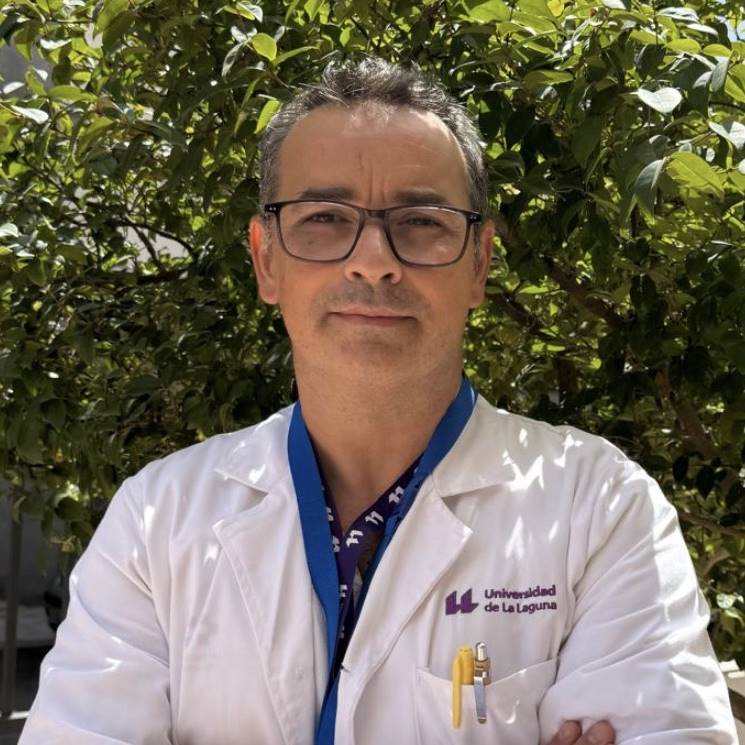
Contracted Professor with a PhD, affiliated with the Canary Islands Health Service – University Hospital Ntra. Sra. de Candelaria. Researcher in the MOVE&HEALTH LAB group at the ULL and the eMOTION LAB at the IISC.
Associate Professor at the University of La Laguna (ULL) and physiotherapist at the Canary Islands Health Service - Primary Care Management of Tenerife. Researcher in the MOVE&HEALTH LAB group at ULL and the eMOTION LAB group at the IISC.
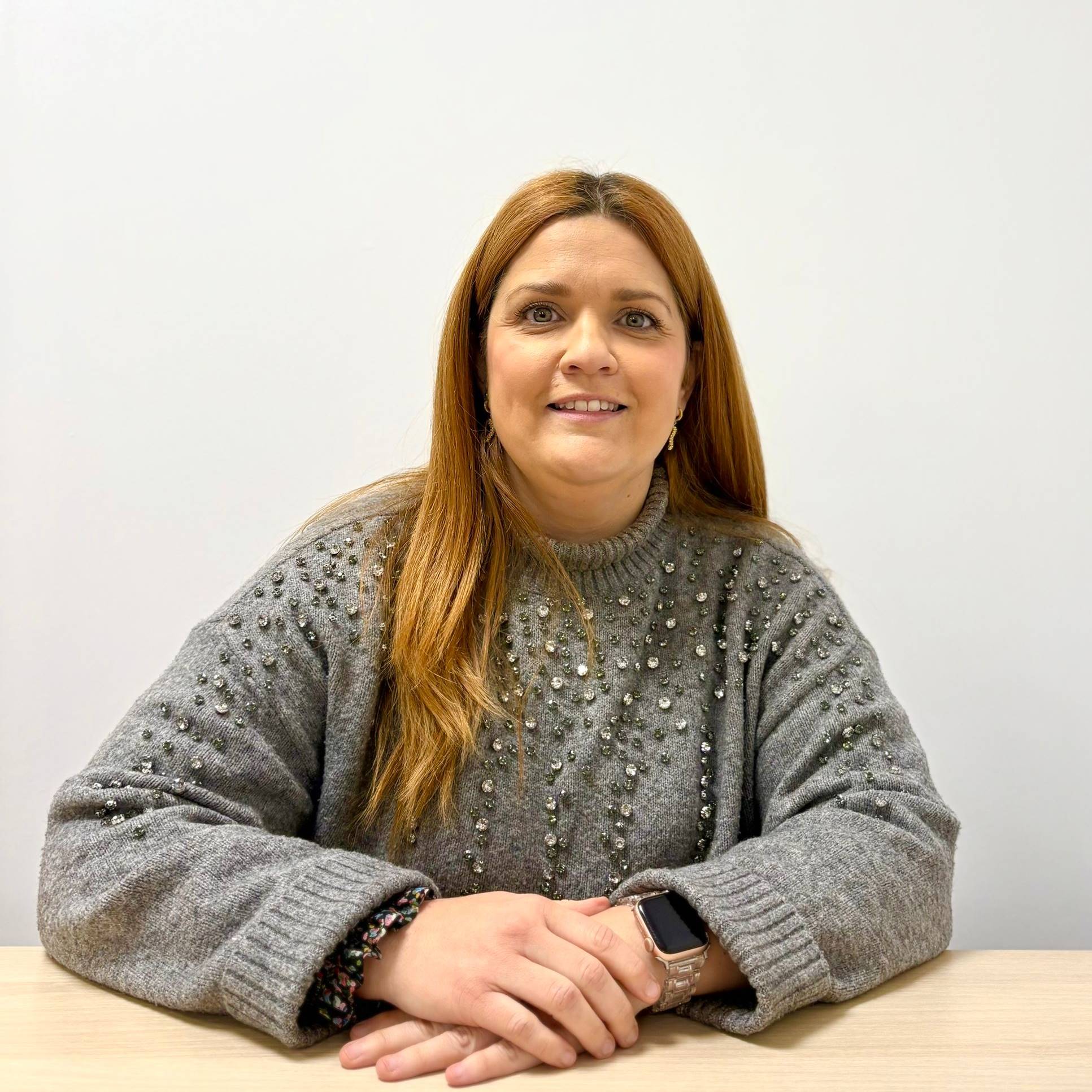
Associate Professor at the University of La Laguna (ULL) and Physiotherapist in private practice. Researcher in the MOVE&HEALTH LAB group at ULL and the eMOTION LAB group at the IISC.
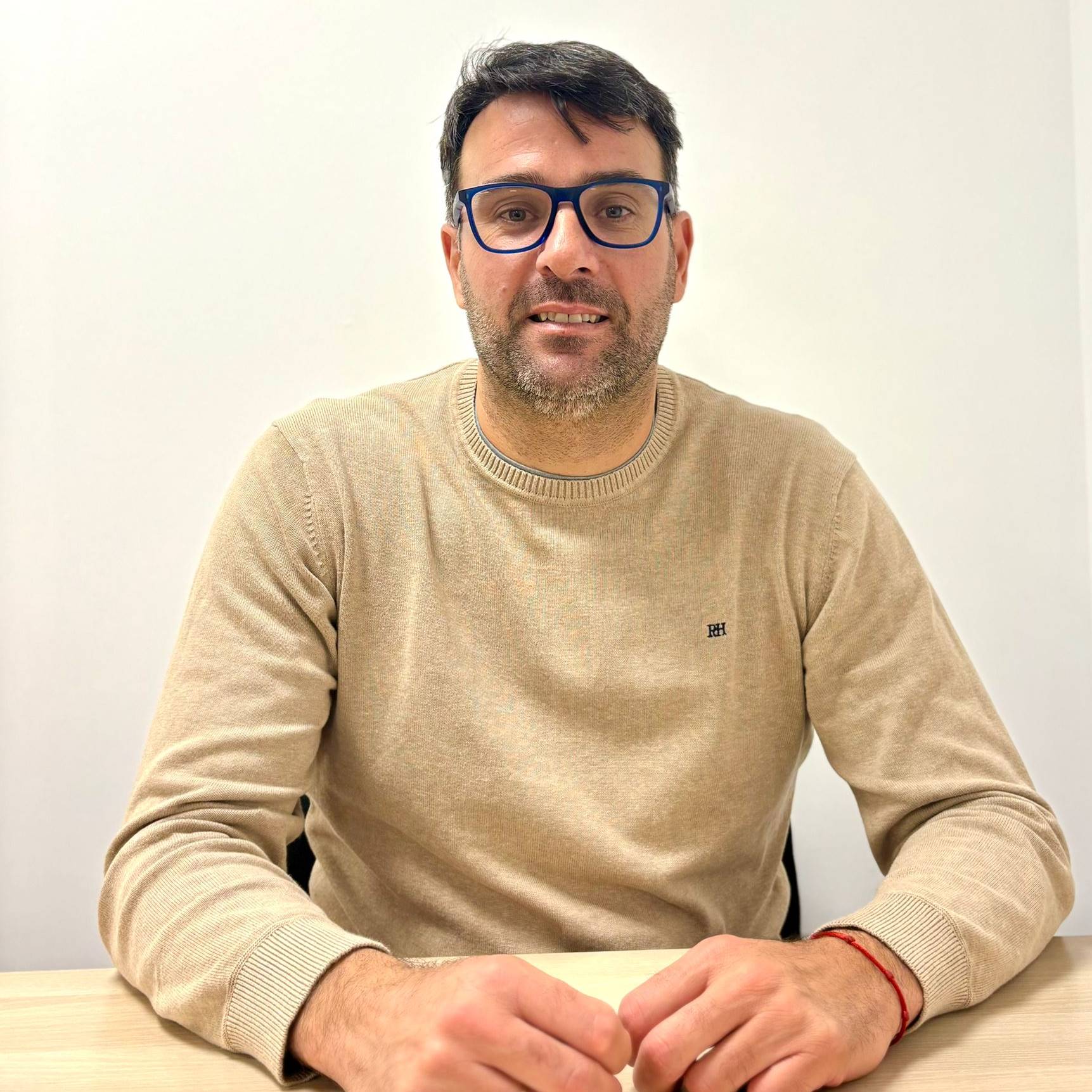
Researcher in the MOVE&HEALTH LAB groups of the ULL and eMOTION LAB of the IISC.

Government Pavilion, C/ Padre Herrera s/n
Post Office Box 456
38200, San Cristobal de La Laguna
Santa Cruz de Tenerife - Spain
Switchboard Tel.: (+34) 922 31 90 00
Hours: Mon, 8:00 a.m. to 9:00 p.m.
