Therapeutic Exercise in Breast Cancer

Therapeutic Exercise in Cancer Mother

Overview

This microcredential enables the design and application of therapeutic exercise programs in breast cancer patients, based on an understanding of their fundamentals, benefits, and risks.

The program addresses the creation of personalized interventions, the management of aftereffects such as fatigue or motor deficits, and the promotion of patient autonomy through active recovery programs.

Goals

General Objective
To train physiotherapists in the design and application of advanced therapeutic exercise programs, based
based on the best scientific evidence, to comprehensively address the after-effects of breast cancer treatment
and significantly improve the quality of life of surviving patients.
Specific Objectives

  • Analyze the physiological mechanisms, benefits, and risks of therapeutic exercise in the context
    oncological.
  • Design multimodal and personalized therapeutic exercise programs.
  • Manage the patient's active recovery process, developing home-based programs that
    effectively promote their autonomy and personal development.

Access requirements

To access this microcredential, you must meet the following requirements:

  • Students must be between 25 and 64 years old on the date the training begins.
  • Students must hold a Bachelor's Degree in Physiotherapy.

Academic program

Contents

  1. Physiological basis of exercise in cancer patients. Safety and contraindications.
  2. Exercise prescription for:
  3. Recovery of joint range of motion.
  4. Strength training: key to combating fatigue and improving functionality.
    Methodology and progression.
  5. Cardiovascular exercise: managing cancer-related fatigue and improving
    aerobic capacity.
  6. Motor control and proprioception exercises.
  7. Adaptation of specific therapeutic exercise methods for cancer patients
    mother.
  8. Design of therapeutic exercise programs to be performed at home.

Methodology and activities

The training activities to be carried out during the delivery of the micro-credential will be:

  • Theoretical classes: expository, explanatory or demonstration sessions of the contents and knowledge.
  • Practical classes: sessions of practical application of the content developed in the theoretical classes, through the resolution of exercises, problems or theoretical-practical scenarios.
  • Clinical practice: sessions focused on acquiring skills and competencies related to healthcare in contact with patients under the supervision of the teaching staff.
  • Seminars, workshops, or other complementary activities (discussion forums, simulations, etc.): monographic sessions that encourage student participation. These are supervised by the course instructors.
  • Work: preparation of a study, essay, work proposed in the subject, either individually or in a group following established guidelines.
  • Independent work: independent and self-regulated activity of the student based on the documentation and guidelines proposed in the subject, preparation of classes and exams, preparation of final reports, internship reports.
  • Presentations, debates and defenses of works and projects: activity through which students present works, exercises and projects based on established criteria, demonstrating sufficiency and maturity in the acquisition of the planned competencies.
  • Assessment: continuous assessment tests and final exams.
    Theoretical tests may be in-person or virtual, and will be conducted in written form. Practical assessments will be conducted through practical performance tests.

Regarding the way to organize the teaching to achieve the objectives set out in the micro-credential, the organizational modality summarized below will be followed:

  • Lectures/expository method: presentation or explanation by the
    faculty.
  • Practical classes: activities supervised by the teaching staff in the classroom, laboratories,
    clinics.
  • Individual work: individual preparation of assignments/projects/reports.
  • Group work: group preparation of assignments, projects/reports.
  • Personal study: preparation for tests, exams, etc.
  • Evaluation: written, oral, and practical tests.
  • Exhibitions, debates and presentation of works and projects: activities supervised by the teaching staff.
  • Active methodologies: cooperative learning, project-based learning, classroom
    inverted learning, service learning, case studies, and problem solving.

Evaluation criteria

The microcredential will have an evaluation system (ES) based on the following assessment tests:

  • Objective tests (true/false, multiple choice, test-type, fill-in-the-blank, ordering, etc.): These are measurement instruments that allow for the evaluation of knowledge, skills, performance, aptitudes, etc. The answers are closed-ended, thus promoting objectivity during the scoring process.
  • Oral tests: students must apply the knowledge acquired to develop oral answers to the exercises or questions posed by the teachers.
  • Case studies, exercises and problems: tests in which students must solve, in a reasoned manner, within a certain time, and according to the established criteria, the cases, exercises or problems posed by the teaching staff, with the aim of applying the knowledge acquired.
  • Attendance, participation or attitude in teaching activities, seminars, tutorials, etc.: monitoring student attendance and participation in teaching activities, carrying out activities during teaching sessions.
  • Written works, memoirs, internship reports, and projects: a document prepared on a topic or activity carried out, following the instructions established by the teaching staff.
  • Oral presentation and defense of topics, papers, etc.: oral presentation on a topic
    corresponding to the contents of the microcredential or on the results of a work,
    exercise or project, followed by discussion with the teachers. It can be done individually or in a group.

General information

Credits: 3 ECTS

Duration: 07/05/2026 – 16/05/2026

Teaching modality: In person

Location: Faculty of Health Sciences (Physiotherapy Section)

Registration fee: €41.50

Valued at: €124.51

Registration
More info and registration help

The cost of tuition for this Microcredential will be subsidized by the 'Plan for the development of university microcredentials', investment 6 of component 21 of the Addendum to the 'Recovery, Transformation and Resilience Plan', financed by the European Union – Next Generation EU, year 2025.

Flexibility

Short courses available in various formats (in-person, online, or hybrid). Ideal for learning without interrupting your professional life.

Employability

Content created and delivered by professionals and experts in the field, designed for immediate application.

Certification

Endorsed by the University of La Laguna. You will receive an official ECTS certificate, valid in the European Higher Education Area.
Teaching staff

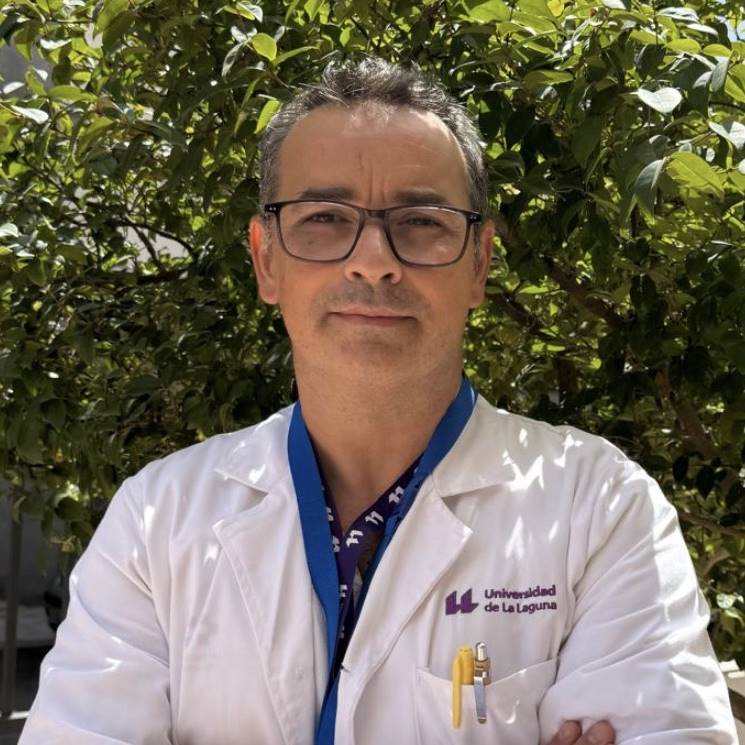
Juan Elicio Hernández Xumet

Contracted Professor with a PhD, affiliated with the Canary Islands Health Service – University Hospital Ntra. Sra. de Candelaria. Researcher in the MOVE&HEALTH LAB group at the ULL and the eMOTION LAB at the IISC.
Jerónimo Pedro Fernández González

Associate Professor at the University of La Laguna (ULL) and physiotherapist at the Canary Islands Health Service - Primary Care Management of Tenerife. Researcher in the MOVE&HEALTH LAB group at ULL and the eMOTION LAB group at the IISC.
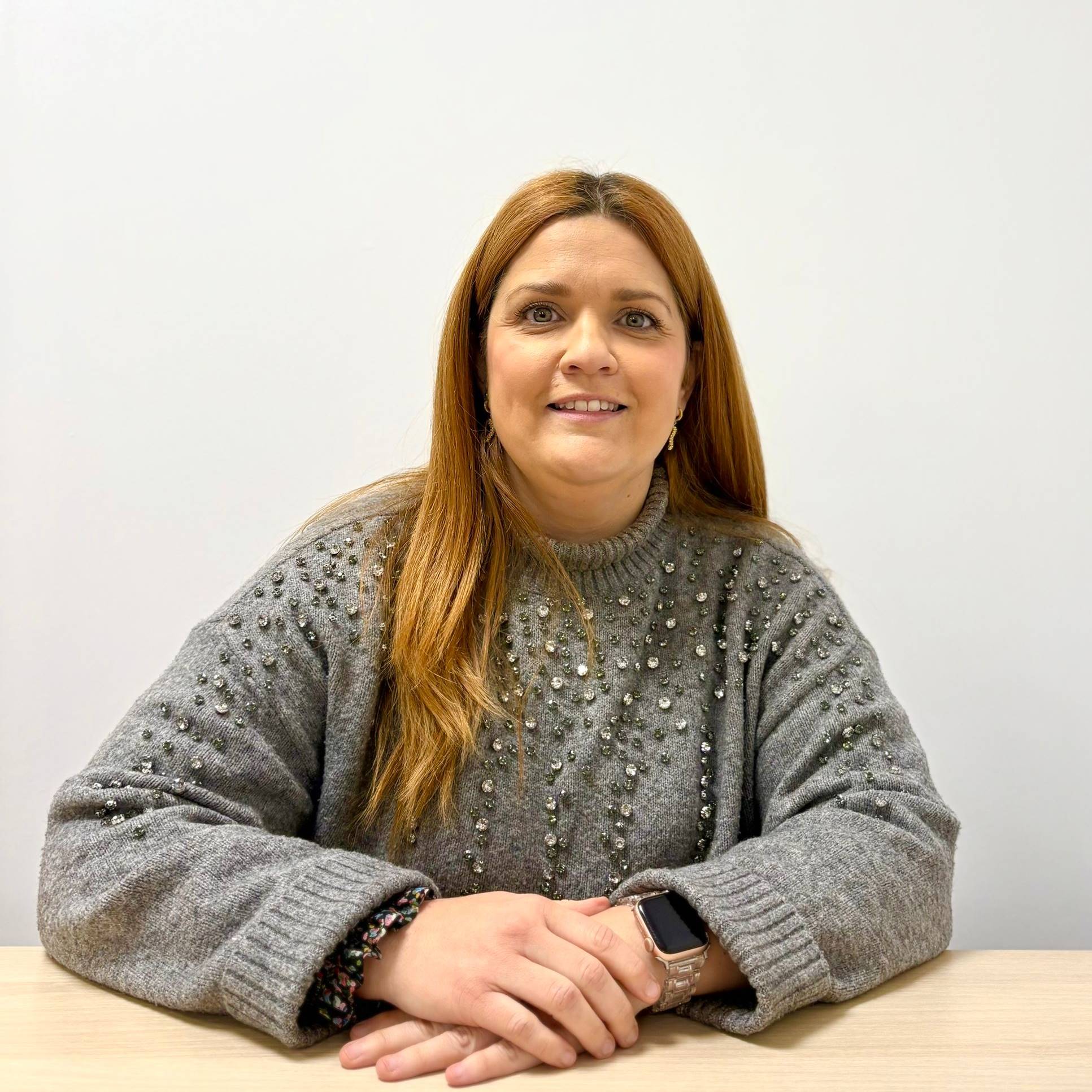
Josmarlin González Pérez

Associate Professor at the University of La Laguna (ULL) and Physiotherapist in private practice. Researcher in the MOVE&HEALTH LAB group at ULL and the eMOTION LAB group at the IISC.
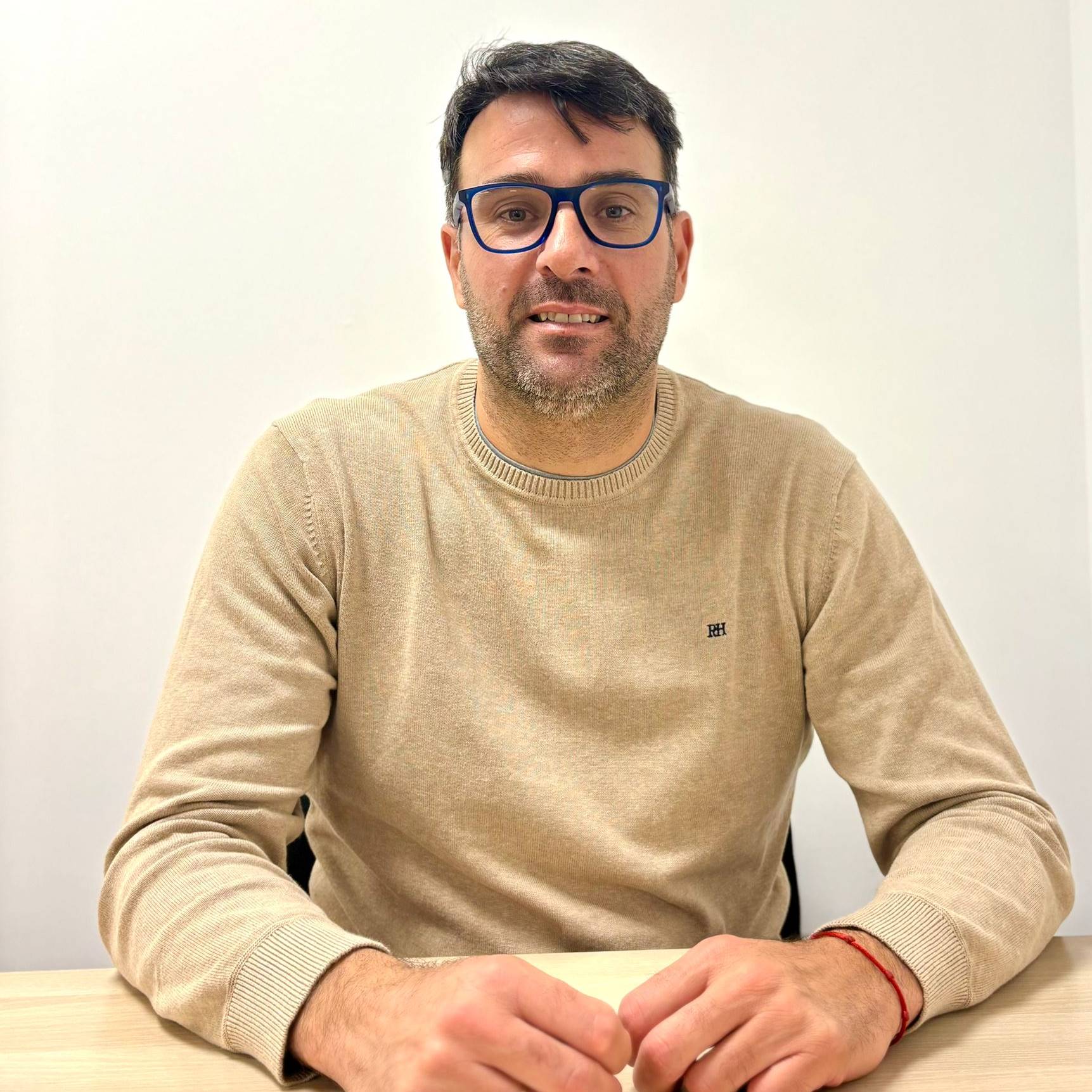
Juan Claudio García Thompson

Researcher in the MOVE&HEALTH LAB groups of the ULL and eMOTION LAB of the IISC.

Share this microcredential

// Common variables (we improved the encoding for email) const pageUrl = window.location.href; const pageTitle = document.title; // Sharing functions (those for social networks with window.open remain the same, but we added return false to avoid page breaks) function shareFacebook() { window.open(`https://www.facebook.com/sharer/sharer.php?u=${encodeURIComponent(pageUrl)}`, '_blank', 'width=600,height=400'); } function shareLinkedIn() { window.open(`https://www.linkedin.com/sharing/share-offsite/?url=${encodeURIComponent(pageUrl)}`, '_blank', 'width=600,height=500'); } function shareTelegram() { window.open(`https://t.me/share/url?url=${encodeURIComponent(pageUrl)}&text=${encodeURIComponent(pageTitle)}`, '_blank', 'width=600,height=400'); } function shareWhatsApp() { window.open(`https://api.whatsapp.com/send?text=${encodeURIComponent(pageTitle + ' ' + pageUrl)}`, '_blank'); } // Email share function (copy to clipboard + Gmail fallback) function shareByEmail() { const pageUrl = window.location.href; const pageTitle = document.title.trim(); // Text ready to paste into email (with line breaks) const emailText = `${pageTitle}\n${pageUrl}\n\nI'm sharing this interesting article with you.`; // We try to copy to the clipboard if (navigator.clipboard && navigator.clipboard.writeText) { navigator.clipboard.writeText(emailText).then(() => { // Success message (you can use alert, toast, or a temporary div) alert('Link copied to clipboard!\nPaste it into your email (Ctrl+V).'); }).catch(err => { console.error('Error copying:', err); fallbackToGmail(); }); } else { // If clipboard is not supported (very old browsers) fallbackToGmail(); } } function fallbackToGmail() { const pageUrl = encodeURIComponent(window.location.href); const pageTitle = encodeURIComponent(document.title); const body = encodeURIComponent(document.title + '\n' + window.location.href + '\n\nI'll share this with you:'); // Open Gmail compose window.open(`https://mail.google.com/mail/?view=cm&fs=1&su=${pageTitle}&body=${body}`, '_blank', 'width=800,height=600'); }