Government Pavilion, C/ Padre Herrera s/n
Post Office Box 456
38200, San Cristobal de La Laguna
Santa Cruz de Tenerife - Spain
Switchboard Tel.: (+34) 922 31 90 00
Hours: Mon, 8:00 a.m. to 9:00 p.m.
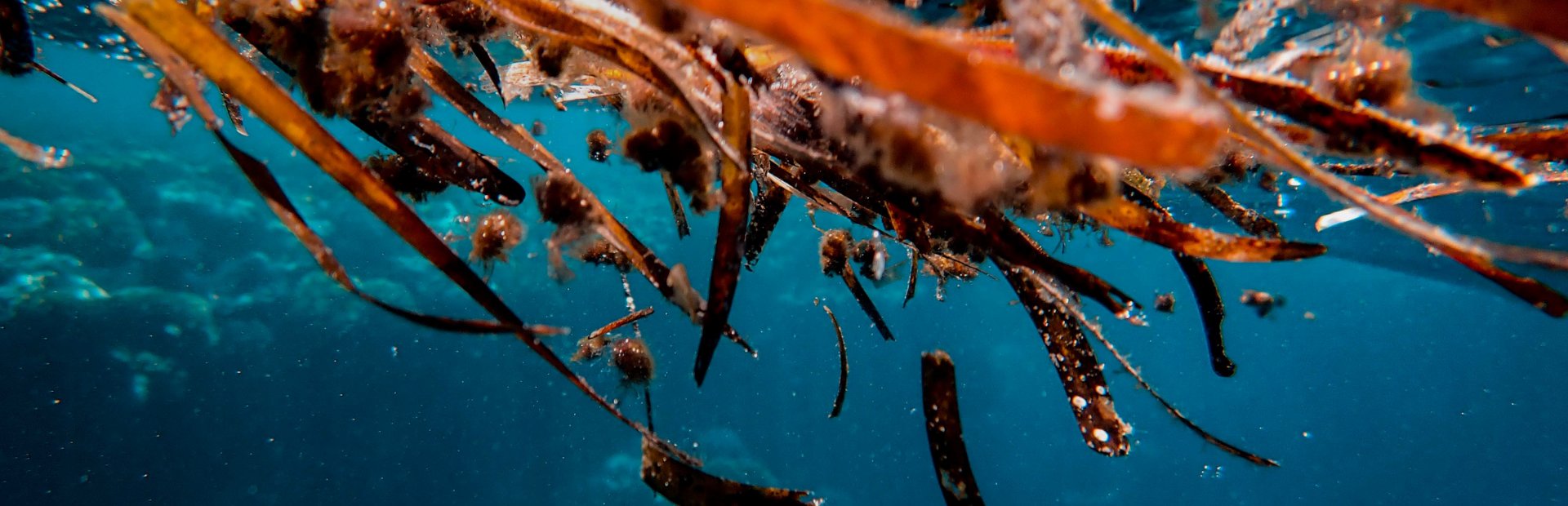
This micro-credential addresses the comprehensive management of land-based discharges into the sea, fostering a critical understanding of the issue. Students will learn to assess different types of effluents, identify their key parameters, and analyze the most appropriate treatment options.
Students must be between 25 and 64 years old on the date the training begins.
It will not be necessary to have a university degree or a higher vocational training qualification to access this micro-credential.
However, it is recommended that the student who wants to access, be in possession of a Bachelor's degree in Engineering or Architecture/Technical Architecture, Biology, Pharmacy, Environmental Sciences, Marine Sciences or Chemistry, or be or have been enrolled in one of the courses of the degrees described above at present.
In the field of vocational training, it is recommended that the student who wants to access it holds a higher-level vocational training cycle from the professional family of Administration and Management, Building and Civil Works, Energy and Water, Chemistry or Safety and Environment, or is or has been enrolled in one of the cycles described above at present.
• Types of tributaries and distinctive characteristics.
• Sanitation networks.
• Critical parameters (flow rates, time scenarios, spillways).
• Wastewater treatment technologies.
• Alternatives to land-based discharges into the sea.
The following learning activities will be used:
– Theoretical classes: expository, explanatory or demonstration sessions of the contents and
knowledge.
– Independent work: independent and self-regulated activity of the student starting from the
Documentation and guidelines proposed in the subject, preparation of classes and exams, preparation of final reports, internship reports…
The following teaching methodologies will be used:
• Lectures/expository method: presentation or explanation by the teaching staff.
• Individual work: individual preparation of assignments/projects/reports, portfolio, …
• Tutoring: instruction period in which teachers and students interact with the aim of reviewing and discussing materials and topics presented in class.
The following evaluation systems will be used:
• Objective tests (true/false, multiple choice, test-type, fill-in-the-blank, ordering, etc.): These are measurement instruments that allow the evaluation of knowledge, skills, performance, aptitudes, etc. The answers are closed-ended, thus promoting objectivity during the scoring process.
• Attendance, participation or attitude in teaching activities, seminars, tutorials, etc.: monitoring student attendance and participation in teaching activities, carrying out activities during teaching sessions.
• Portfolio, journals, notebooks, or practice materials, etc.: a compilation of student work that demonstrates their progress and achievements. This compilation also serves as evidence of self-reflection.
Credits: 3
Duration: 14/05/2026-21/05/2026
Teaching modality: Virtual
Location: ULL Virtual Campus
Schedule: May 14, 15, 19, 20, 21 and 22 from 4:00 PM to 7:50 PM. Monday, May 18 from 3:00 PM to 7:50 PM
The cost of tuition for this Microcredential will be subsidized by the 'Plan for the development of university microcredentials', investment 6 of component 21 of the Addendum to the 'Recovery, Transformation and Resilience Plan', financed by the European Union – Next Generation EU, year 2025.
Short courses available in various formats (in-person, online, or hybrid). Ideal for learning without interrupting your professional life.
Content created and delivered by professionals and experts in the field, designed for immediate application.
Endorsed by the University of La Laguna. You will receive an official ECTS certificate, valid in the European Higher Education Area.
Miriam Torres: Professor of Analytical Chemistry in the Department of Chemistry at ULPGC. Lecturer at the Faculty of Marine Sciences in the Bachelor's Degrees in Marine Sciences, Biotechnology and Master's Degree in Oceanography.
Cintia Hernández Sánchez: Full Professor in the Area of Preventive Medicine and Public Health at the University of La Laguna (ULL). Department of Obstetrics and Gynecology, Pediatrics, Preventive Medicine and Public Health, Toxicology, Legal and Forensic Medicine, and Parasitology. Lecturer at the Faculty of Sciences, Medicine, and Law of the ULL.

Government Pavilion, C/ Padre Herrera s/n
Post Office Box 456
38200, San Cristobal de La Laguna
Santa Cruz de Tenerife - Spain
Switchboard Tel.: (+34) 922 31 90 00
Hours: Mon, 8:00 a.m. to 9:00 p.m.
