Government Pavilion, C/ Padre Herrera s/n
Post Office Box 456
38200, San Cristobal de La Laguna
Santa Cruz de Tenerife - Spain
Switchboard Tel.: (+34) 922 31 90 00
Hours: Mon, 8:00 a.m. to 9:00 p.m.

This micro-credential equips individuals to analyze cultural ecosystems from a systemic perspective, considering their material, immaterial, and relational dimensions. The program addresses the design of sustainable and participatory cultural strategies, as well as the application of evaluation and impact methodologies to improve interventions in territorial contexts.
To train professionals capable of understanding, analyzing and managing heritage and cultural ecologies in island territories using advanced governance tools, panarchy, SDGs, systemic models and national and international resource acquisition strategies.
1. Cultural governance and community participation.
2. Living heritage and cultural ecologies.
3. SDGs applied to cultural management.
4. Contemporary experiential models.
5. Panarchy, adaptive systems and graph theory.
6. Evaluation and impact.
7. Canary Island cases.
8. Recruitment and sponsorship plan.
The training activities to be carried out during the delivery of the micro-credential will be:
The microcredential will have an evaluation system (ES) based on the following assessment tests:
Credits: 3 ECTS
Duration: 27/04/2026 – 26/05/2026
Teaching modality: Blended learning
Location: Faculty of Humanities of the University of La Laguna, Masonic Temple of the Santa Cruz City Council, Caja Canarias Santa Cruz, Santa Cruz de Tenerife Chamber of Commerce.
The cost of tuition for this Microcredential will be subsidized by the 'Plan for the development of university microcredentials', investment 6 of component 21 of the Addendum to the 'Recovery, Transformation and Resilience Plan', financed by the European Union – Next Generation EU, year 2025.
Short courses available in various formats (in-person, online, or hybrid). Ideal for learning without interrupting your professional life.
Content created and delivered by professionals and experts in the field, designed for immediate application.
Endorsed by the University of La Laguna. You will receive an official ECTS certificate, valid in the European Higher Education Area.
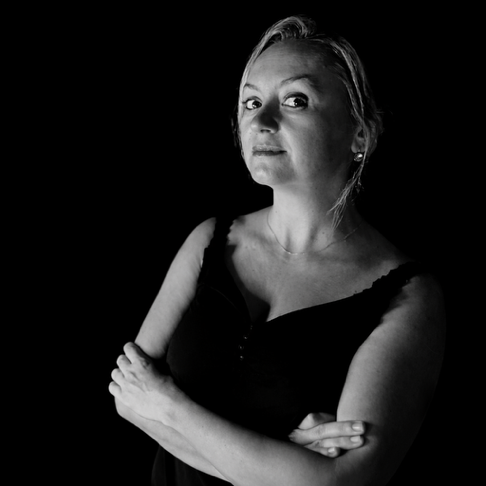
Professor and researcher at the University of La Laguna, expert in neuromusicology and the neuroscience of music. Cultural manager and cellist, she designs training programs on perception, cognition, and identity in contemporary cultural contexts.
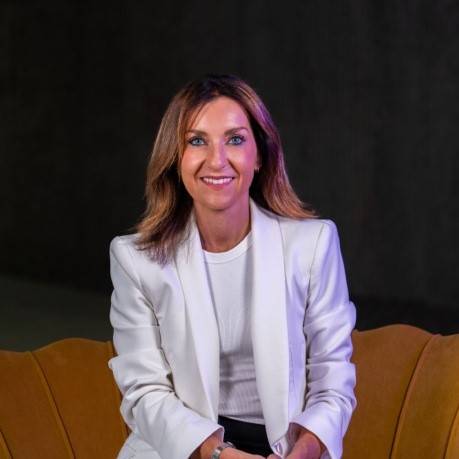
PhD in Art History and professor at the University of La Laguna. Specialist with extensive experience in cultural management, museology and art appraisal, with expertise in valuation, collecting and museum projects.

Science journalist, representative of Spain in the Programme Committee of Cluster 2 of Culture, Creativity and Inclusive Society in the European Commission, expert in the New European Bauhaus (NEB) and National Contact Point (NCP) of both programmes within the framework of Horizon Europe from FECYT.

Professional specializing in international relations and cultural diplomacy. Develops projects and collaborative networks at the intersection of culture and institutions.
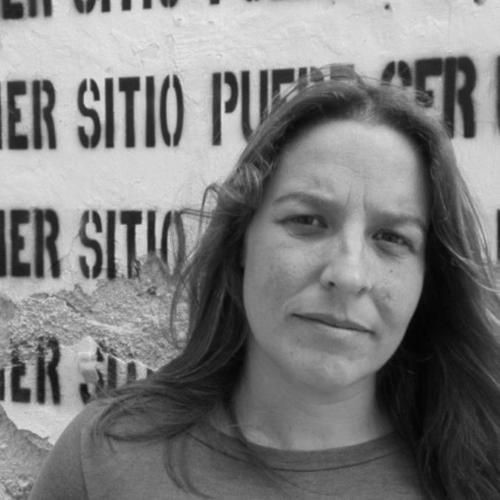
She holds a PhD in Art History and teaches at the University of La Laguna. She develops research, curatorial, and contemporary creative projects focused on image, insularity, and cultural contexts.

Art historian and cultural journalist at Radio Televisión Canaria. She develops communication projects with extensive experience in cultural and institutional outreach.
A visual artist from Tenerife and a graduate in Fine Arts from the Complutense University of Madrid. Her work focuses on the investigation of space, matter, and light within contemporary painting.
Inspector General of Cultural Heritage for the Government of the Canary Islands and PhD in History from the University of La Laguna. Specialist in heritage management, protection and education, with experience in institutional programs and cultural planning.
Visual artist in Gran Canaria. Specializing in large-format painting and muralism, she develops contemporary creative projects in exhibition and urban contexts.
Specialist in economic societies and institutional development. With extensive experience in analyzing and structuring the business fabric in strategic contexts.

Government Pavilion, C/ Padre Herrera s/n
Post Office Box 456
38200, San Cristobal de La Laguna
Santa Cruz de Tenerife - Spain
Switchboard Tel.: (+34) 922 31 90 00
Hours: Mon, 8:00 a.m. to 9:00 p.m.
