Government Pavilion, C/ Padre Herrera s/n
Post Office Box 456
38200, San Cristobal de La Laguna
Santa Cruz de Tenerife - Spain
Switchboard Tel.: (+34) 922 31 90 00
Hours: Mon, 8:00 a.m. to 9:00 p.m.

This micro-credential is contextualized as the initial conceptual and comparative module of the Expert Title. Its objective is to provide the theoretical framework that justifies investment in robotic surgery. It follows the technical fundamentals module so that the expert understands the technology in terms of its clinical benefits. The focus is on differentiating the advantages for the patient (shorter stay, less pain) and for the surgeon (3D vision, articulated instruments), enabling the nurse to justify the choice of robotic surgery within the multidisciplinary team.
To evaluate the differential advantages of the Da Vinci system compared to laparoscopy and laparotomy, correlating robotic technology (3D vision and articulated instruments) with the optimization of patient outcomes (reduction of hospital stay, postoperative pain and bleeding rates).
To scientifically justify the choice of robotic approach in highly complex specialties, enabling the nurse to act as a technical consultant within the surgical team and justify the efficiency of the system based on safety and clinical benefit.
Students must be between 25 and 64 years old on the date the training begins.
To complete this micro-credential, the student must hold a degree in Nursing.
Theoretical classes: expository, explanatory or demonstration sessions of the contents and knowledge.
Independent work: independent and self-regulated activity of the student based on the documentation and guidelines proposed in the subject, preparation of classes and exams, preparation of final reports, internship reports…
Tutoring (individual, group…): activity in which the teaching staff attends to, facilitates and guides one or more students in the training process.
Assessment: continuous assessment tests and final exams. Tests may be in person or online, and may be written, oral, or consist of practical exercises.
The micro-credential will be developed using an asynchronous, online methodology. Interactive audiovisual content, such as videos, will be provided, along with study materials, legal regulations, and required readings. Students will have access to discussion forums that will encourage critical analysis and reflection on the course content.
Objective tests (true/false, multiple choice, test-type, fill-in-the-blank, ordering, etc.): These are measurement instruments that allow for the evaluation of knowledge, skills, performance, aptitudes, etc. The answers are closed-ended, thus promoting objectivity during the scoring process.
Case studies, exercises and problems: tests in which students must solve, in a reasoned manner, within a certain time, and according to the established criteria, the cases, exercises or problems posed by the teaching staff, with the aim of applying the knowledge acquired.
Credits: 1 ECTS
Duration: 20/04/2026-20/05/2026
Teaching modality: Virtual
Location: Our Lady of Candelaria School of Nursing
The cost of tuition for this Microcredential will be subsidized by the 'Plan for the development of university microcredentials', investment 6 of component 21 of the Addendum to the 'Recovery, Transformation and Resilience Plan', financed by the European Union – Next Generation EU, year 2025.
Short courses available in various formats (in-person, online, or hybrid). Ideal for learning without interrupting your professional life.
Content created and delivered by professionals and experts in the field, designed for immediate application.
Endorsed by the University of La Laguna. You will receive an official ECTS certificate, valid in the European Higher Education Area.
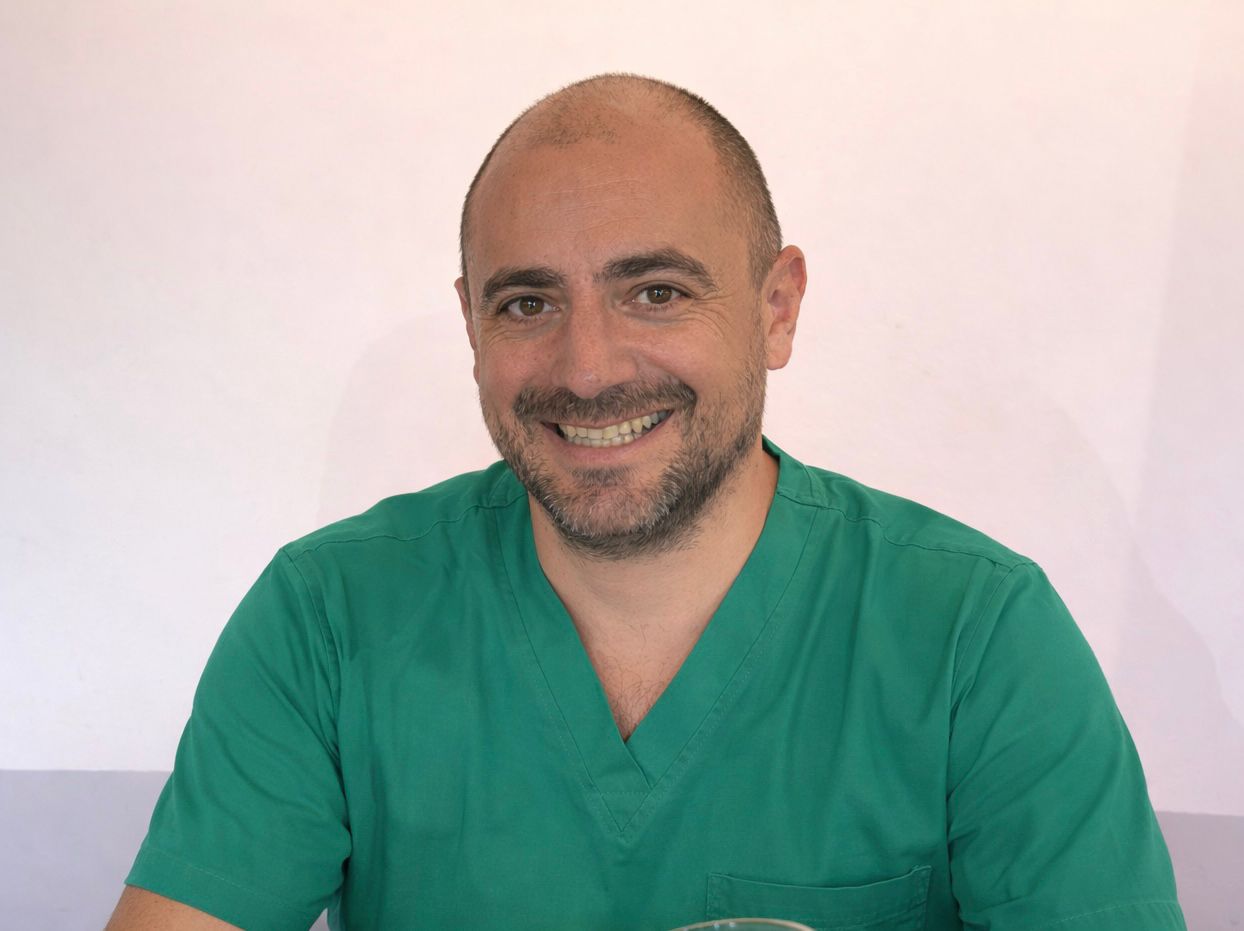
Deputy Director of Nursing – Surgical Area, HUNSC; Associate Professor at the School of Nursing of Nuestra Señora de Candelaria (Canary Islands Health Service-University of La Laguna); Professor and member of the Academic Committee of the Diploma of Specialization in Operating Room Nursing (EUENSC-ULL)

Government Pavilion, C/ Padre Herrera s/n
Post Office Box 456
38200, San Cristobal de La Laguna
Santa Cruz de Tenerife - Spain
Switchboard Tel.: (+34) 922 31 90 00
Hours: Mon, 8:00 a.m. to 9:00 p.m.
