Government Pavilion, C/ Padre Herrera s/n
Post Office Box 456
38200, San Cristobal de La Laguna
Santa Cruz de Tenerife - Spain
Switchboard Tel.: (+34) 922 31 90 00
Hours: Mon, 8:00 a.m. to 9:00 p.m.
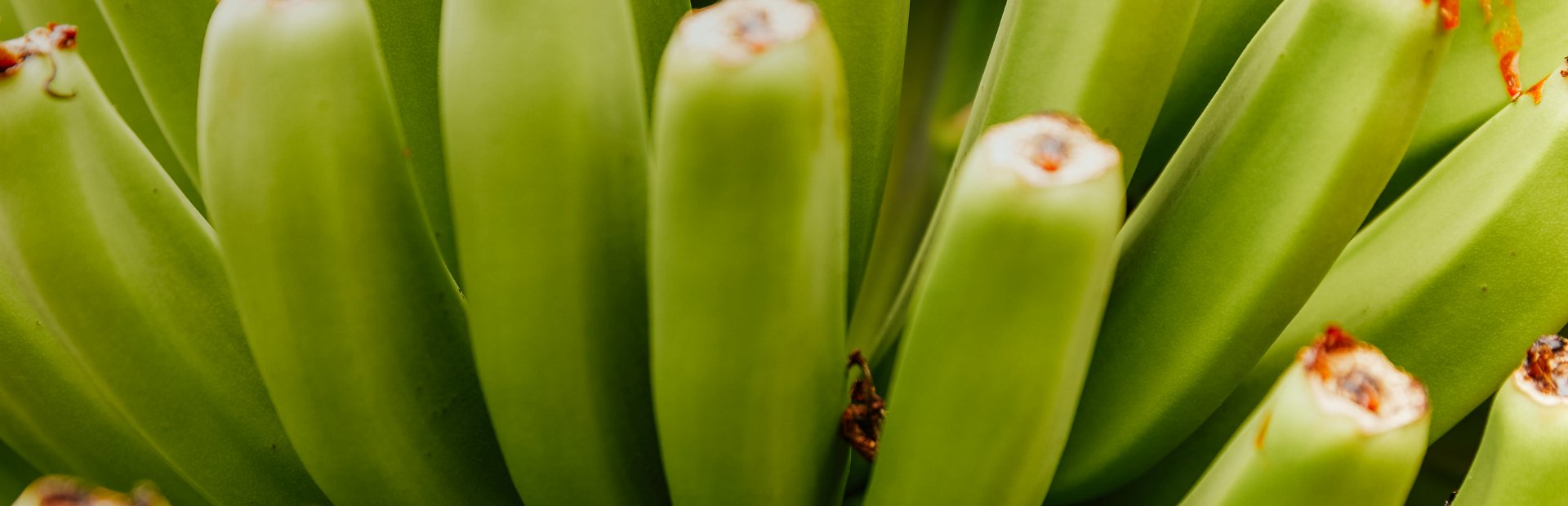
This training program is designed to provide theoretical and practical knowledge on the proper handling of nursery tools and techniques applied to both Canary Island plants and agricultural species, with the aim of training students in the production of high-quality nursery plants. Key aspects related to the selection, collection, conservation, and handling of seeds, as well as other vegetative propagation materials, will be covered. In addition, specialized techniques and reference materials will be presented to facilitate entry into and professional development within this field.
Students must be between 25 and 64 years old on the date the training begins.
To access this micro-credential, students must meet at least one of the following requirements:
BLOCK 1: PROPAGATION OF CANARY ISLAND FLORA
Context and Value of the Flora of the Canary Islands: Canary Islands Biodiversity, a Fragile Wonder. Endemic Species and Bioclimatic Zones. Ecosystem Services. Legal and Ethical Framework. The Importance of Genetic Origin. Key Species for Agricultural Support.
Collection and Logistics: Field identification, Collection, Collection techniques, Collector ethics
Seed Processing and Cleaning: Extraction, Cleaning, Pre-germination treatments, Mechanical scarification, Thermal scarification, Chemical scarification, Stratification.
Substrates and ContainersMaterials, The ideal mix, Types of packaging.
Planting and Initial Management: Planting depth, Initial irrigation systems, Protection.
Pruning and Transplanting: The right moment: Identifying cotyledons vs. true leaves, Handling: How to transfer from tray to final pot without damaging the root system.
Hardening and Plant HealthHardening off: The process of gradually moving plants outdoors to tolerate direct sunlight and island winds. Nursery pest prevention: Identifying damping-off (seedling collapse due to fungi).
Asexual Reproduction: The process, Time, Selection of parts, Preparation, Hormones, Rooting substrate.
BLOCK 2: MULTIPLICATION OF AGRICULTURAL PLANTS
Nursery farming as a key factor for the development of the agricultural sector. A dynamic activity that anticipates the productive sector, feeds on consumption trends, personalizes offers according to the conditions of the planting site (climate, meters above sea level, type of soils, greenhouses or open air, etc.).
Traditional plant production versus commercial nursery production.
Typology: Multiplication of horticultural, aromatic and fruit trees (temperate, subtropical, from both cold and arid zones, with nutraceutical properties, …); production of species for conservation biological control; reproduction and sale of exotic species; etc.
Substrates. Seedbeds in soil, in inert substrate, or standard commercial substrate already balanced, or in a substrate mixture of different components taking advantage of both purchased inputs and own resources.
Importance of irrigation, light and temperature.
Reproduction Sexual or by seeds. The risks of hybridization.
Multiplication Vegetative propagation or by fragments of stems, branches, leaves or roots. Layering and grafting.
Some types of containers.
Prevention and control of diseases and pests in the nursery. Promotion of beneficial fauna and microorganisms.
Asking to nursery owners about what type of worker is most in demand and what they expect from that person.
Presentation of different types of commercial substrates. From purchased and/or self-produced components to mix and obtain custom substrates. Preparation of substrates for seedbeds.
Seed recognition.
Selection, Extraction, cleaning, storage, and preservation of traditional seeds. Wet extraction. Dry extraction.
Realization Seedlings in soil and in containers or trays. Identification with labels. Inoculation with local beneficial microorganisms.
Vegetative propagation. Obtaining and planting cuttings of different crops.
ID of seedlings. Transplanting.
Fertilization of the seedlings.
Activity to compare the level of content comprehension.
Participatory and evaluative closure of this part of the training.
BLOCK 3: BIOLOGICAL WASTE, COMPOSTING AND SOILS
Challenges towards a circular nursery, garden or orchard: bio-waste management through on-site composting and vermicomposting. Obtaining compost, fertilizers, soil amendments and other fertilizing products. Analysis of local and international experiences.
Practical experience managing a composting area. Observing and resolving issues. Screening and obtaining compost. Basic soil type analysis.
Final assessment test of the content of the different blocks of the course: 1 h.
Credits: 2 ECTS
Duration: 13/05/2026 – 19/05/2026
Teaching modality: In person
Location: Canary Garden Central Campus of the University of La Laguna.
The sessions will be held on May 13, 14, 15, 18 and 19 from 4:00 PM to 8:00 PM.
The cost of tuition for this Microcredential will be subsidized by the 'Plan for the development of university microcredentials', investment 6 of component 21 of the Addendum to the 'Recovery, Transformation and Resilience Plan', financed by the European Union – Next Generation EU, year 2025.
Short courses available in various formats (in-person, online, or hybrid). Ideal for learning without interrupting your professional life.
Content created and delivered by professionals and experts in the field, designed for immediate application.
Endorsed by the University of La Laguna. You will receive an official ECTS certificate, valid in the European Higher Education Area.
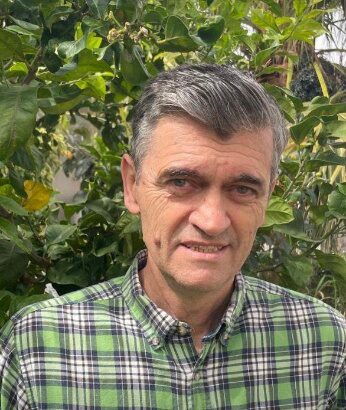
An agricultural engineer, he has cultivated biodynamic vegetables for export and the domestic market. For 15 years, he worked with NGOs (Proyecto Hombre, Ataretaco, Aldeas Infantiles) on organic farms, providing training and social and professional integration for vulnerable groups. He has taught courses in agroecological agriculture. He currently works as a self-employed technical consultant for agroecological farms.
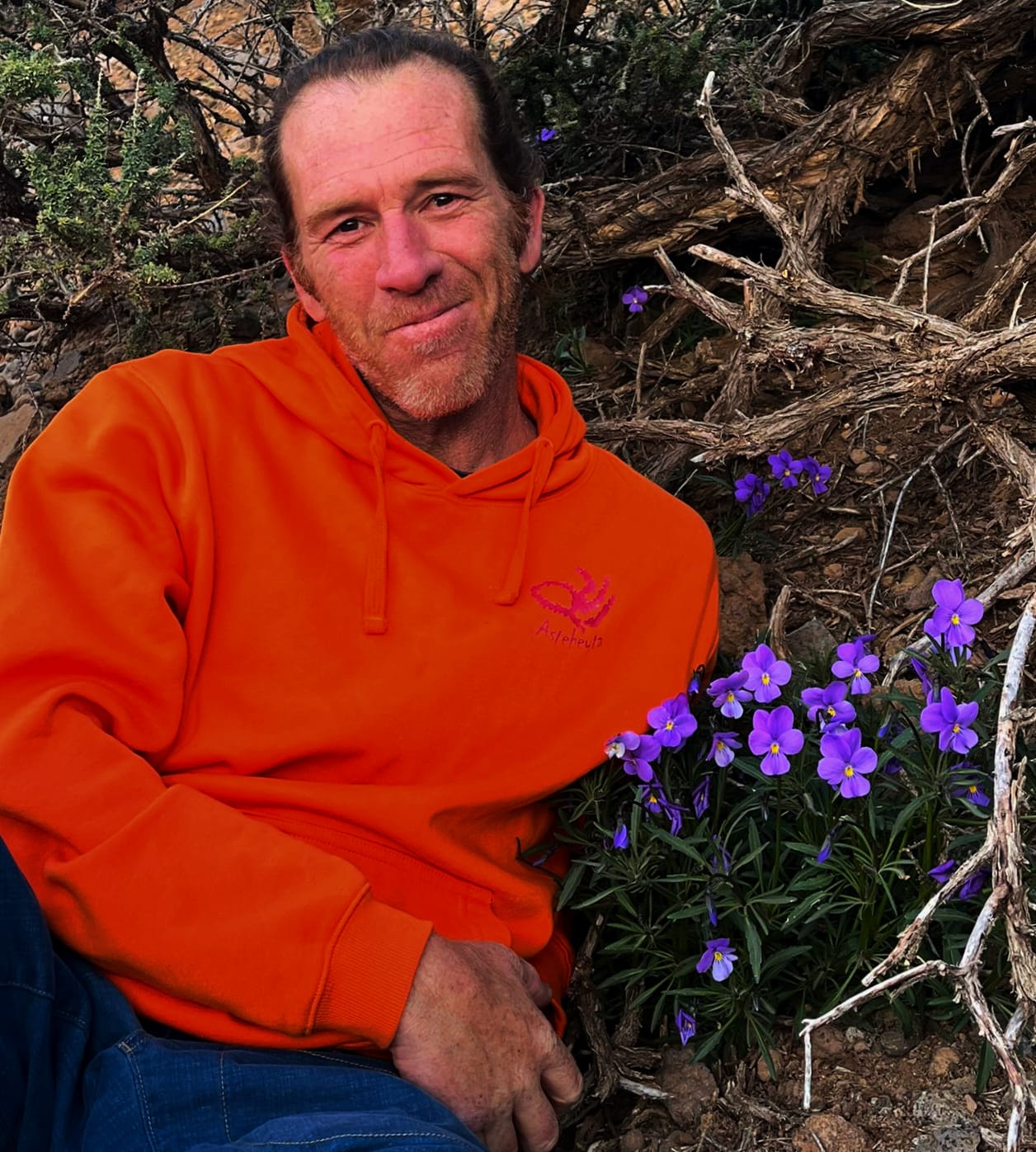
Parks and Gardens Officer at the University of La Laguna. With extensive experience in the management of native Canary Island flora. He began working in 1999 at the La Tahonilla nursery, run by the Tenerife Island Council, where he remained for five years. He then started his own business and, from 2010 to the present, has worked at the Parks and Gardens Service of the University of La Laguna, acquiring greater expertise in the propagation and subsequent management of flora, especially native Tenerife flora. He currently manages more than 250 species from Tenerife in the University of La Laguna's Central Garden.

Lecturer with a PhD, postgraduate degree in Ecodesign, and coordinator of the Research and Innovation Group in Design at the University of La Laguna (ULL). He applies systems design for ecosocial transformation in areas such as decentralized composting (Campustaje), awareness-raising (Vegefruti), university gardens, and participatory processes for the regeneration of degraded environments. He was Director of the Chair of Environment and Sustainable Development from 2017 to 2020.

Government Pavilion, C/ Padre Herrera s/n
Post Office Box 456
38200, San Cristobal de La Laguna
Santa Cruz de Tenerife - Spain
Switchboard Tel.: (+34) 922 31 90 00
Hours: Mon, 8:00 a.m. to 9:00 p.m.
