Government Pavilion, C/ Padre Herrera s/n
Post Office Box 456
38200, San Cristobal de La Laguna
Santa Cruz de Tenerife - Spain
Switchboard Tel.: (+34) 922 31 90 00
Hours: Mon, 8:00 a.m. to 9:00 p.m.

This course addresses learning how to develop projects using a software tool for designing linear infrastructure projects and works within the civil engineering sector. This tool is widely used in the industry, and there has been a high demand for training on this topic from registered professionals.
Basic and intermediate level handling of the Autodesk Civil 3D application.
To benefit from this subsidized training course, you must meet the following requirements:
1. To be a national of the Spanish territory.
2. Be between 25 and 64 years of age at the start date of training.
3. Have, at a minimum, a High School Diploma or equivalent professional certificate.
UD01. Working environment
1. Civil 3D Interface
1.1. Workspaces
1.2. Ribbon
1.2.1. Types of cards
1.2.2. "Toolspace" Window«
1.2.3. "Prospector" Form«
2. Templates
UD02. Working with points and Digital Terrain Models
1. Introduction
2. Creation of Digital Terrain Models
2.1. DEM from contour lines
2.2. DEM from a point file
2.3. Labeling a DEM
3. Inserting images
3.1. Orthophotos
3.2. WMS Services
UD03. Axes and profiles
1. Introduction
2. Creation of axes
2.1. Creating axes from objects
2.2. Creating axes using composition tools
3. Profile creation
3.1. Longitudinal profile and profile visualization
3.2. Grades
3.3. Sampling lines and cross-sections
UD04. Typical sections and linear works
1. Typical sections
1.1. Predefined typical sections
1.2. Editing a typical section
1.3. Creating a standard section from scratch
2. Linear works
2.1. Regions, objectives and frequency of linear work
2.2. Editing of the linear work
2.3. Incorporation of the linear work into the cross sections
UD05. Earthworks and leveling
1. Grading contours/feature lines
2. Explanation criteria and styles
3. Obtaining the volumes of earthwork and compensation of values
4. Creation of the resulting MDT
The training activities to be carried out during the delivery of the micro-credential will be:
Regarding the way to organize the teaching to achieve the objectives set out in the micro-credential, the organizational methods summarized below will be followed:
The microcredential will have an evaluation system (ES) based on the following assessment tests:
Credits: 2 ECTS
Duration: 18/05/26 – 26/05/26
Teaching modality: Synchronous with asynchronous access to recordings
Location: Virtual Campus of the University of La Laguna.
Schedule: There will be online sessions on the 18th, 19th, 20th, 25th, and 26th from 4:00 PM to 8:00 PM (Canary Islands time). The sessions will be recorded and students will be able to access them at any time.
The cost of tuition for this Microcredential will be subsidized by the 'Plan for the development of university microcredentials', investment 6 of component 21 of the Addendum to the 'Recovery, Transformation and Resilience Plan', financed by the European Union – Next Generation EU, year 2025.
Short courses available in various formats (in-person, online, or hybrid). Ideal for learning without interrupting your professional life.
Content created and delivered by professionals and experts in the field, designed for immediate application.
Endorsed by the University of La Laguna. You will receive an official ECTS certificate, valid in the European Higher Education Area.
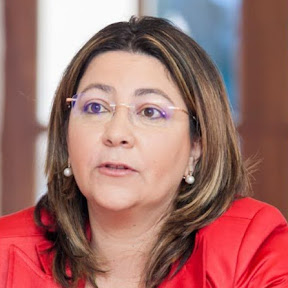
Professor of the Graphic Expression in Engineering Area at ULL and member of the Board of Directors of the buildingSMART Spain organization.
His research focuses on the applications of Building Information Models and the use of standards in the sector.
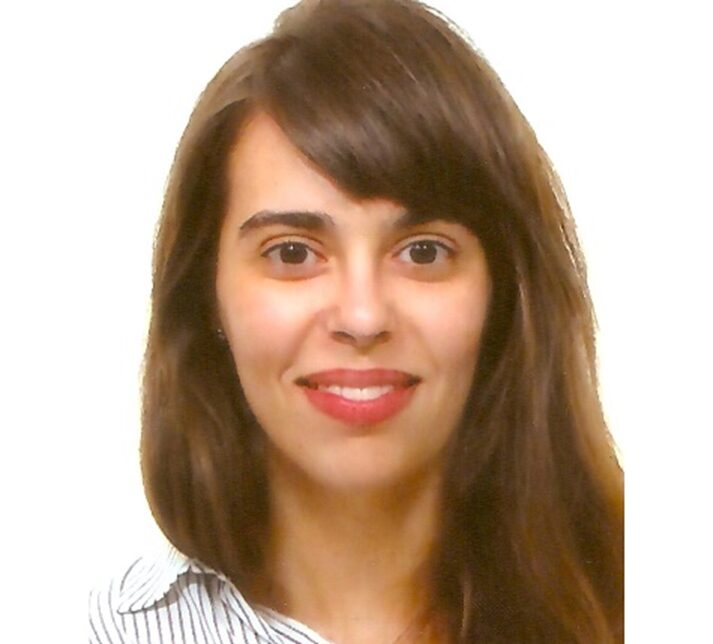
Assistant Professor in the Department of Graphic Engineering at the Polytechnic University of Valencia. PhD in Industrial, Computer and Environmental Engineering from the University of La Laguna. Her research focuses on Building Information Modeling (BIM) and the use of standards in the sector.

Government Pavilion, C/ Padre Herrera s/n
Post Office Box 456
38200, San Cristobal de La Laguna
Santa Cruz de Tenerife - Spain
Switchboard Tel.: (+34) 922 31 90 00
Hours: Mon, 8:00 a.m. to 9:00 p.m.
