Drone piloting in open categories A1/A3 and A2

Drone piloting in open categories A1/A3 and A2

Overview

This micro-certification qualifies the holder to operate drones in the open category (A1/A2/A3), applying current regulations and ensuring safety in all phases of flight. The program covers the planning and execution of operations, the assessment of risks and environmental conditions, as well as incident management and responsible decision-making during flight.

Goals

The objectives of the training for open category pilots are as follows:

  • Understanding the regulations and subcategories. The pilot must master the concepts of subcategories A1, A2, and A3: drone weight, minimum distance to people, permitted areas, and altitude limitations.
    You must also be aware of the operator's and pilot's obligations (registration, documentation and class marking), as well as the operations permitted in each subcategory, including incidental flights over persons (A1) and operations near persons (A2).
  • Operational safety. The pilot will learn to assess risks and flight zones for each subcategory, maintain the aircraft under visual line of sight (VLOS), avoid crowds on A1/A2 flights and ensure adequate separation on A3, as well as manage simple emergencies and make flight cancellation decisions for safety.
  • Technical knowledge of the drone. The pilot will know the characteristics of their drone according to class (C0 to C4), the limitations (weight, autonomy and altitude), the navigation systems, sensors, remote control and automatic modes, and the remote identification and class marking according to regulations.
  • Meteorology and human factors. The pilot will be aware of the basic interpretation of meteorological conditions (wind, rain, fog), as well as understanding how human factors (fatigue, distraction, stress) affect the safety of the operation.
  • Emergency procedures. The pilot will learn about possible technical failures (battery, engine, communication), loss of control or link, emergency landing and safe return-to-home protocols, as well as communication with third parties in the event of an incident.
  • Application of best practices. The pilot will learn what is necessary for preparing pre-flight checklists, safety briefings, and mission planning. They will also be able to integrate theoretical knowledge into practical scenarios for each subcategory: A1, regarding incidental flights over people, avoiding crowds, and light urban environments; A2 for flights near people, maintaining a minimum separation of 5 m under standard conditions; and A3 for flights away from people and populated areas, maintaining a minimum separation of 150 m.

Access requirements

A university degree is not required to access this micro-credential. However, students wishing to access it must meet the following access requirements:

  • Being a national of the Spanish territory.
  • Be between 25 and 64 years of age on the start date of the
    training.

Academic program

Contents

Block I: Theoretical training

Block II. Practical training

Methodology and activities

The training activities to be carried out during the delivery of the micro-credential will be:

  • Theoretical classes: expository, explanatory or demonstration sessions of the contents and knowledge.
  • Practical classes: sessions of practical application of the content developed in the theoretical classes, through the resolution of exercises, problems or theoretical-practical scenarios.
  • Work: preparation of a study, essay, work… proposed in the subject, either individually or in a group following established guidelines.
  • Independent work: independent and self-regulated activity of the student based on the documentation and guidelines proposed in the subject, preparation of classes and exams, preparation of final reports, internship reports…
  • Assessment: continuous assessment tests and final exams. Tests may be in person or online, and may be written, oral, or consist of practical exercises.

Regarding the way to organize the teaching to achieve the objectives set out in the micro-credential, the organizational modality summarized below will be followed:

  • Lectures/expository method: presentation or explanation by the
    faculty.
  • Practical classes: activities supervised by the teaching staff in the classroom, laboratories,
    clinics.
  • Individual work: individual preparation of assignments/projects/reports, portfolio, …
  • Personal study: preparation for tests, exams, etc.
  • Assessment: written tests, oral tests, practical tests, …

Evaluation criteria

The microcredential will have an evaluation system (ES) based on the following assessment tests:

  • Objective tests (true/false, multiple choice, test-type, fill-in-the-blank, ordering, etc.): These are measurement instruments that allow for the evaluation of knowledge, skills, performance, aptitudes, etc. The answers are closed-ended, thus promoting objectivity during the scoring process.
  • Short-answer or brief tests: a type of objective test in which the
    Students do not elaborate in their response, instead providing the specific information requested.
  • Case studies, exercises and problems: tests in which students must
    To solve in a reasoned manner, within a given time, and according to the established criteria, the cases, exercises or problems posed by the teaching staff, with the aim of applying the knowledge acquired.
  • Works, memoirs, internship reports, written reports and projects: document
    prepared on a topic or activity carried out, following the instructions established by the teaching staff.

General information

Credits: 2 ECTS

Duration: 12/05/2026 – 19/05/2026

Teaching modality: In person

Location: Classrooms of the General Foundation ULL, practice area at the Higher School of Engineering and Technology (ULL)

Registration fee: €84

Valued at: €280

Registration
More info and registration help

The cost of tuition for this Microcredential will be subsidized by the 'Plan for the development of university microcredentials', investment 6 of component 21 of the Addendum to the 'Recovery, Transformation and Resilience Plan', financed by the European Union – Next Generation EU, year 2025.

Flexibility

Short courses available in various formats (in-person, online, or hybrid). Ideal for learning without interrupting your professional life.

Employability

Content created and delivered by professionals and experts in the field, designed for immediate application.

Certification

Endorsed by the University of La Laguna. You will receive an official ECTS certificate, valid in the European Higher Education Area.

Teaching staff

Santiago Torres Álvarez

Bachelor of Science in Physics and Bachelor of Science in Electronics Engineering. PhD from the University of La Laguna (ULL). Contract Professor
PhD from the Department of Computer and Systems Engineering at the ULL. Director and lecturer for
Training on UAS in University Extension courses at ULL.
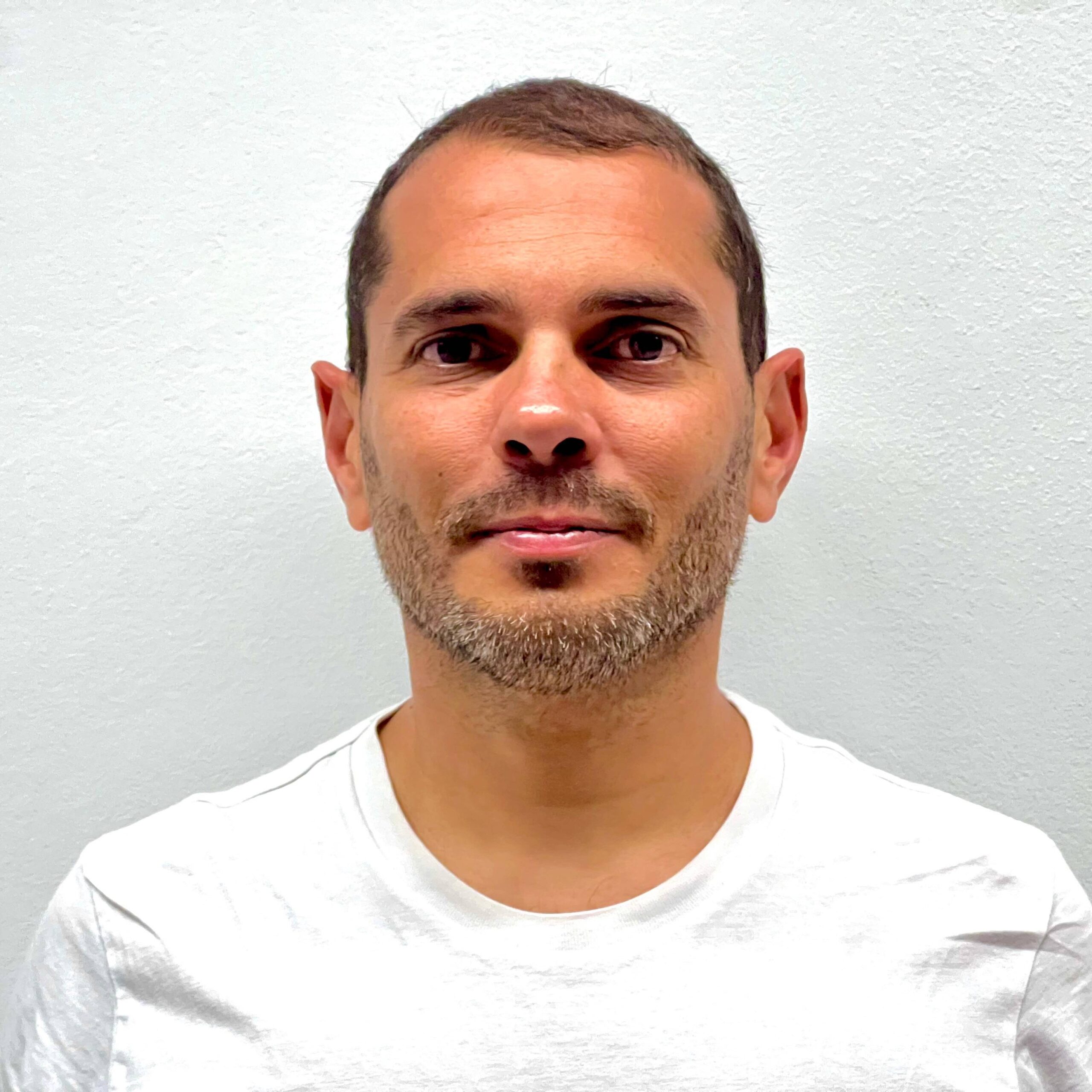
Miguel Pereyra Chico

Graduate in Security and Risk Control from ULPGC. Master's in Management, Decision Making
Decision Making and Conflict Resolution, Basic Psychology. Pilot Trainer and Examiner
RPAS specialist. Member of the ACUDROPOL association. Instructor for UAS training.
in University Extension courses at the ULL.

José Andrés Correa Cordobés

Career officer with the Arona Local Police. Member of the ACUDROPOL association. Advanced RPAS Pilot. RPAS Pilot Trainer and Examiner. Co-director and instructor for UAS training in University Extension courses.
the ULL.

Share this microcredential