Government Pavilion, C/ Padre Herrera s/n
Post Office Box 456
38200, San Cristobal de La Laguna
Santa Cruz de Tenerife - Spain
Switchboard Tel.: (+34) 922 31 90 00
Hours: Mon, 8:00 a.m. to 9:00 p.m.
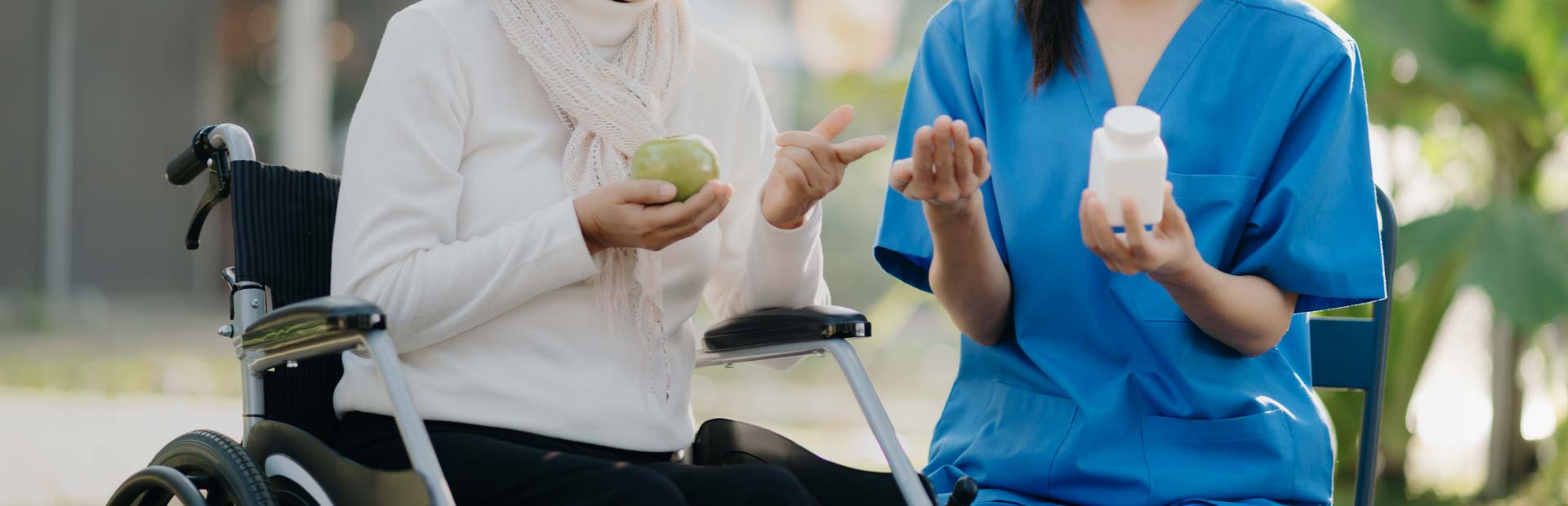
This microcredential addresses the identification and prevention of burnout, fatigue, and stress in healthcare settings, analyzing their impact on professional performance and patient safety. The program provides training in self-care strategies, emotional regulation, and resilience, as well as in integrating human factors to promote healthy work environments and safe decision-making.
● Identify and analyze the risk factors, signs and consequences of burnout, fatigue and stress in the healthcare field.
● Apply self-care, emotional regulation and resilience strategies geared towards professional well-being.
● To prevent the impact of stress and fatigue on clinical performance, contributing to improved patient safety.
A university degree is not required to access this micro-credential. However, students wishing to access it must meet the following access requirements:
● Students must be between 25 and 64 years old on the date the training begins.
● Be in possession, at a minimum, of a Baccalaureate degree or a Vocational Training qualification of intermediate level or equivalent.
The training is primarily aimed at healthcare professionals, including doctors, nurses, emergency medical technicians and nursing assistants who meet the established academic requirements.
Students in their final year of health-related degrees, as well as professionals in specialized health training (residents), may also be admitted, provided they meet the age requirement.
No specific prior knowledge of the subject is required, as the training program is designed to progressively provide the necessary skills for the identification, prevention and management of burnout, fatigue and stress in the professional field.
Module 1: Stress and mental workload in the healthcare field (3 hours)
● Concept of stress: acute stress vs. chronic stress.
● Physiological and psychological response to stress.
● Impact of stress in emergency and urgent care settings.
● Psychosocial risk factors in the healthcare field.
Module 2: Burnout in healthcare professionals (3 hours)
● Definition and dimensions of burnout syndrome.
● Triggering factors and evolution of burnout.
● Warning signs and early detection.
● Consequences at a personal, professional and healthcare level.
Module 3: Operational fatigue and performance (3 hours)
● Sleep deprivation and circadian rhythms.
● Impact of shifts and guards on performance.
● Cognitive impairment associated with fatigue.
● Relationship between fatigue and patient safety.
Module 4: Self-care and emotional regulation strategies (4 hours)
● Emotional regulation techniques in stressful situations.
● Sleep hygiene and physical recovery.
● Mindfulness applied to the healthcare environment.
● Strategies for disconnecting after the workday.
● Post-intervention routines and emotional recovery.
● Self-awareness and monitoring of one's own emotional state.
Module 5: Prevention and organizational culture (2 hours)
● Importance of peer support.
● Debriefing and critical event management.
● Promotion of healthy work environments.
● Organizational strategies for burnout prevention.
Module 6: Seeking professional help and support (2 hours)
● Identification of warning signs that require professional intervention.
● Barriers to seeking help in the healthcare field (stigma, professional culture,
self-demand).
● Psychological and professional support resources available.
● Importance of early detection and intervention.
● Promoting a culture of support and care among professionals.
Module 7: Human Factors and Patient Safety (3 hours)
● Concept of human factors in healthcare.
● Relationship between fatigue, stress and human error.
● Impact on clinical decision-making.
● Patient safety in emergency settings.
● Safety culture and error prevention.
The training activities to be carried out during the delivery of the micro-credential will be:
● Online theoretical classes, aimed at acquiring up-to-date knowledge on burnout, fatigue, stress, human factors and patient safety, based on current scientific evidence.
● Analysis of practical cases, focused on the identification of real situations in the health field, recognition of psychosocial risk factors and proposal of coping and self-care strategies.
● Guided reflective activities, aimed at developing self-awareness and
identification of one's own emotional state in relation to the professional environment.
● Resolution of practical cases, through written or narrated scenarios that allow working on decision-making, stress management and the application of preventive measures.
● Independent student work, aimed at reviewing, integrating and consolidating the theoretical content of the training program.
● Reflective debriefing, based on the structured analysis of cases and situations presented, promoting critical reflection, emotional management and the development of non-technical skills.
● Evaluation, through multiple-choice theoretical tests and the resolution of practical cases that
allow for the assessment of the acquisition of knowledge and skills related to burnout, fatigue, self-care, and patient safety.
Regarding the organization of teaching to achieve the objectives of the micro-credential, the following organizational approach will be adopted:
● Lectures/expository method: presentation and explanation of content by
Part of the teaching staff will be in online format, supported by audiovisual resources and digital materials.
● Individual work: carrying out activities aimed at reinforcing learning and
Development of self-knowledge, including analysis of written cases, resolution of exercises and elaboration of reflections on the contents of the program.
● Personal study: preparation, review and integration of theoretical content through
the students' independent study.
● Assessment: multiple-choice theoretical tests and resolution of practical scenarios based on
real-life situations in the healthcare environment.
● Active methodologies: case-based learning, problem-solving
problems and participation in discussion forums aimed at reflection and exchange of
experiences, promoting participatory and applied learning.
The microcredential will have an evaluation system (ES) based on the following assessment tests:
● Objective tests (true/false, multiple choice, test-type): assessment tools designed to evaluate the acquisition of knowledge about burnout, fatigue, stress, human factors, and patient safety, promoting objectivity in grading. These tests will include self-assessments throughout the course and a final test.
● Case resolution, exercises and problems: tests in which students must analyze situations in the healthcare environment, identify psychosocial risk factors and propose coping strategies, self-care and improvement of professional well-being.
● Attendance, participation or attitude in teaching activities and forum: assessment of the active participation of students in online training activities and follow-up sessions.
● Individual written activities: completion of short exercises, reflections or short reports aimed at the practical application of the content and the development of self-knowledge.
Credits: 2 ECTS
Duration: 11/05/2026 – 24/05/2026
Teaching modality: Virtual
Location: Virtual Campus of the University of La Laguna
The cost of tuition for this Microcredential will be subsidized by the 'Plan for the development of university microcredentials', investment 6 of component 21 of the Addendum to the 'Recovery, Transformation and Resilience Plan', financed by the European Union – Next Generation EU, year 2025.
Short courses available in various formats (in-person, online, or hybrid). Ideal for learning without interrupting your professional life.
Content created and delivered by professionals and experts in the field, designed for immediate application.
Endorsed by the University of La Laguna. You will receive an official ECTS certificate, valid in the European Higher Education Area.
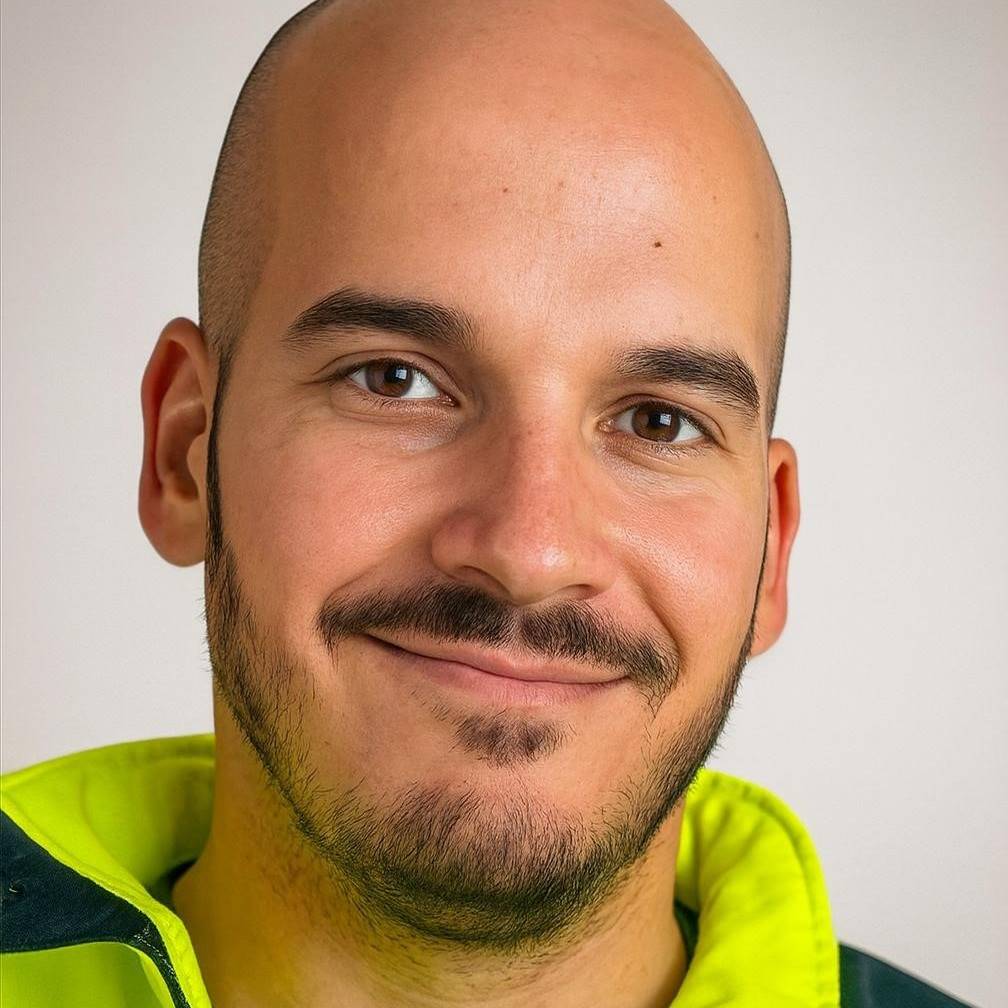
Emergency Medical Services (EMS) Nurse. Master's in Emergency, Critical Care Nursing. Instructor.
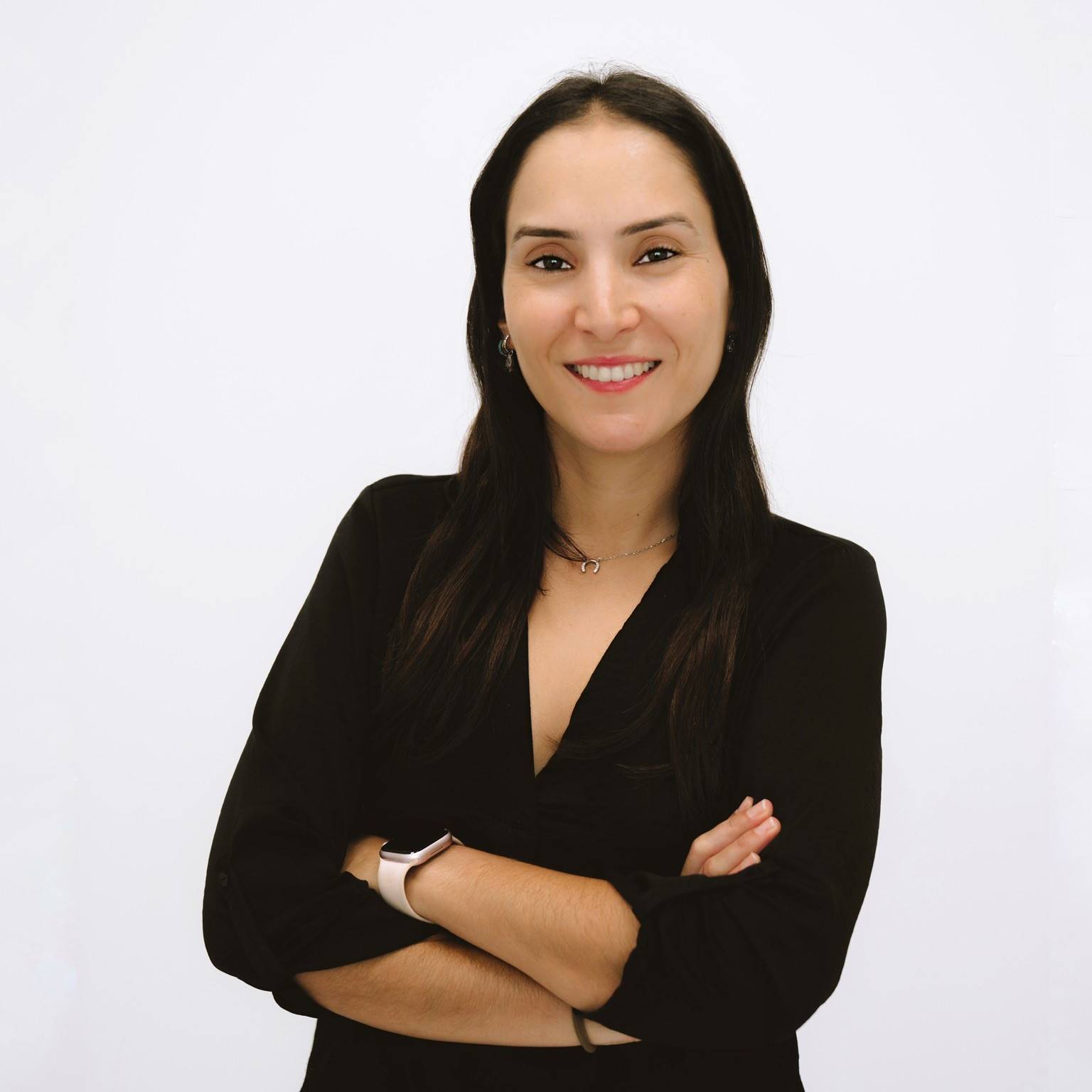
Specialist in Family and Community Medicine. Doctor of Medicine
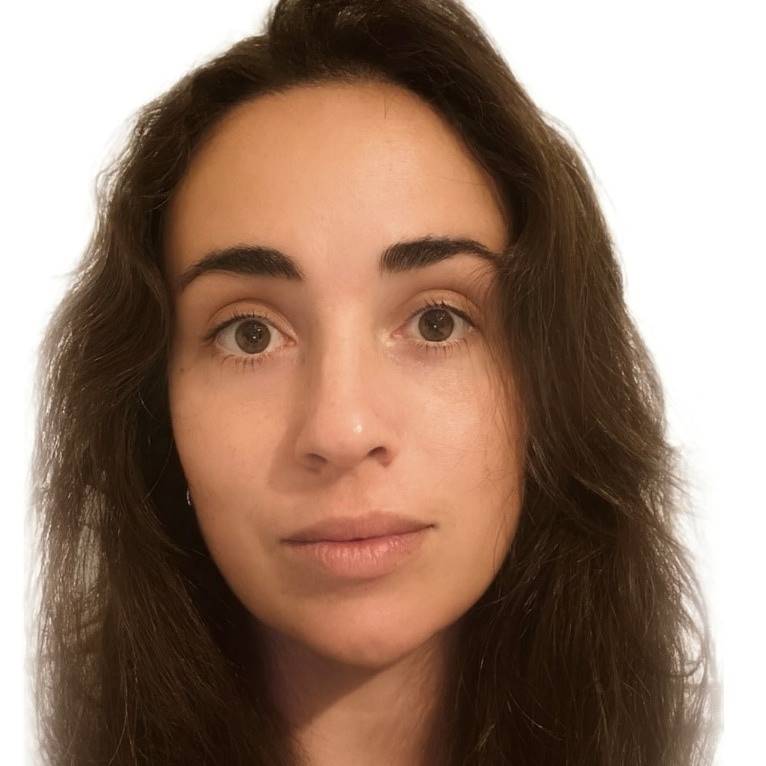
Advanced Life Support Nurse. Master's in Emergency, Critical Care Nursing. Instructor.
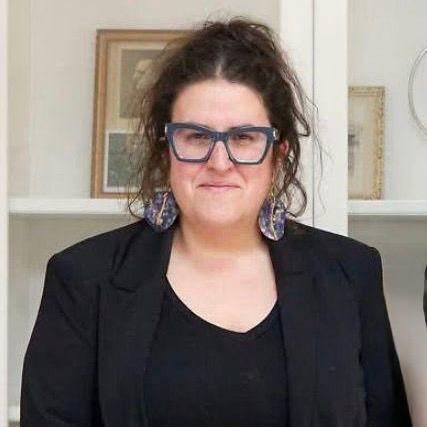
Contracted Professor with a PhD at the ULL. Lecturer in Internal Medicine with extensive experience in practical courses for professionals.

Government Pavilion, C/ Padre Herrera s/n
Post Office Box 456
38200, San Cristobal de La Laguna
Santa Cruz de Tenerife - Spain
Switchboard Tel.: (+34) 922 31 90 00
Hours: Mon, 8:00 a.m. to 9:00 p.m.
