Viana Building
Viana Street 50.
Postal code 38201. San Cristobal de La Laguna.
Santa Cruz de Tenerife - Spain
Tel.(+34) 922 31 95 59
Funded by the Vice-Ministry of Foreign Action of the Government of the Canary Islands (Resolution of September 30, BOC No. 201 of 10.10.2025).
The project PAMBAMESA, Led by the University of La Laguna in collaboration with the Pontifical Catholic University of Ecuador (Santo Domingo Campus – PUCESD), the project is being developed in the Jesús del Gran Poder neighborhood, an urban-peripheral area in the province of Santo Domingo de los Tsáchilas (Ecuador). This initiative seeks to contribute to the prevention of chronic child malnutrition by promoting food sovereignty, empowering women caregivers, and strengthening the community fabric.
With a comprehensive and participatory approach, the project promotes the creation of two permanent community spaces: the Living Classroom and the Organic Kitchen, These workshops are designed as practical learning environments in agroecology, healthy nutrition, and sustainable water management. Participants will be able to exchange traditional knowledge and technical expertise, developing skills that directly impact children's health and well-being.
PAMBAMESA promotes the training of 40 women in agroecological practices, healthy cooking, and community leadership, indirectly involving more than 80 children in educational activities about nutrition and care. It also fosters the creation of a network of women caregivers as a space for mutual support, leadership, and collective action, strengthening social cohesion and the role of women in transforming their environment.
The project also includes the installation of greywater and rainwater harvesting and treatment systems, the organization of seed and knowledge exchange fairs, and the creation of a community recipe book that will compile healthy culinary practices based on local products. All activities are developed under a rights-based, gender-sensitive, and sustainability-focused approach, aligned with Sustainable Development Goals 2, 3, and 5 (Zero Hunger, Health and Wellness, Gender Equality).
With a duration of 1 year (November 2025 – October 2026) and funding of 59,900 euros granted by the Vice-Ministry of Foreign Action of the Government of the Canary Islands, PAMBAMESA represents a transformative university cooperation model, which combines scientific knowledge, local knowledge and social commitment to improve child nutrition and strengthen community resilience in Ecuador.
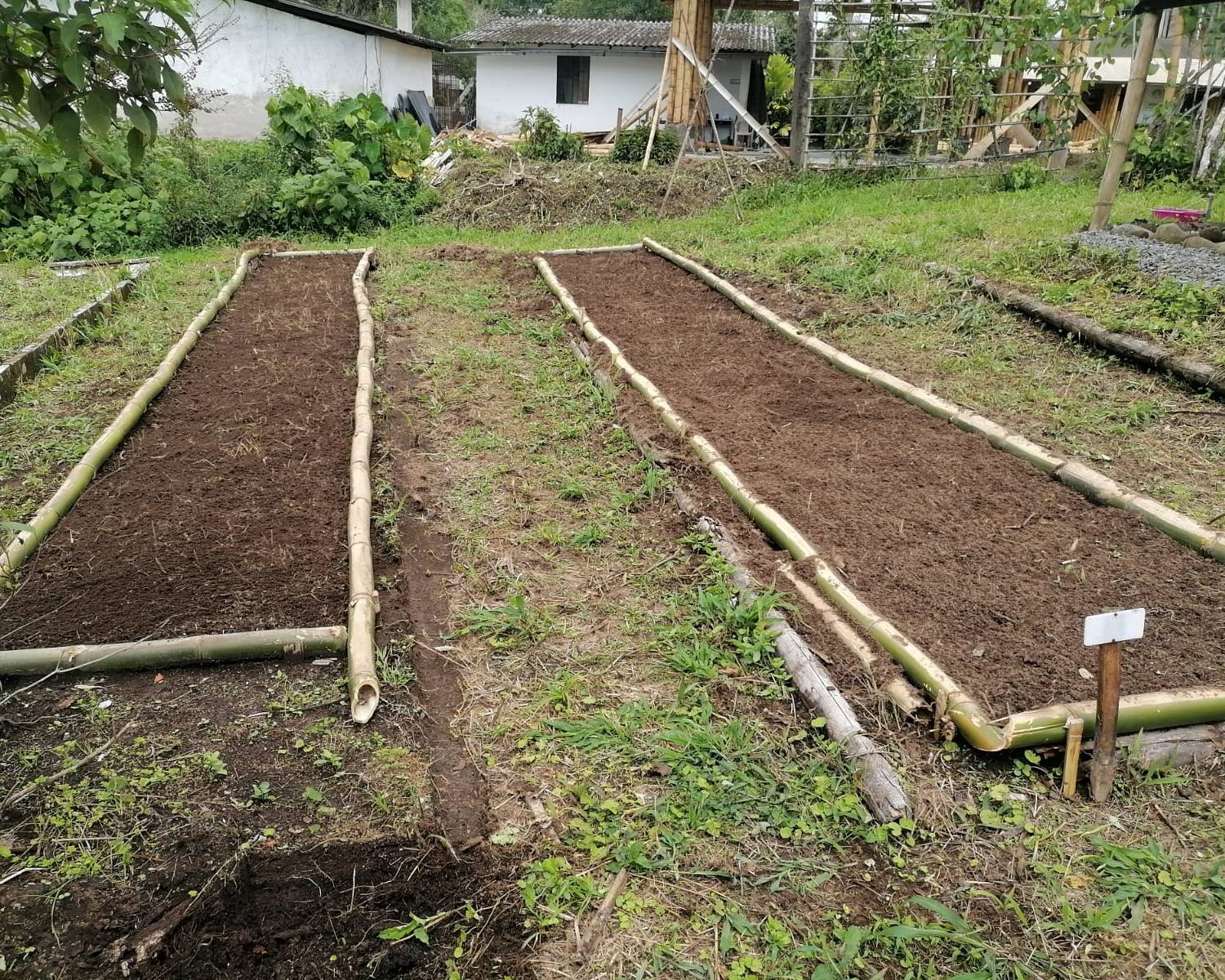
The Call for Aid for the implementation of Cooperation project identification workshops, launched for the first time in 2025, represents a significant advance over the previous Call for projects, given its eminently technical approach and its link to a training plan for applicants.
The objective of the workshops is to identify alternatives that may constitute, in the future, CUD projects, promoted by the VIC, which can be submitted to external competitive calls, both national and international (AECID, Calls of the Government of the Canary Islands and the Island Council of Tenerife, etc.).
The call for applications therefore has four purposes:

Location: Dakar, Senegal
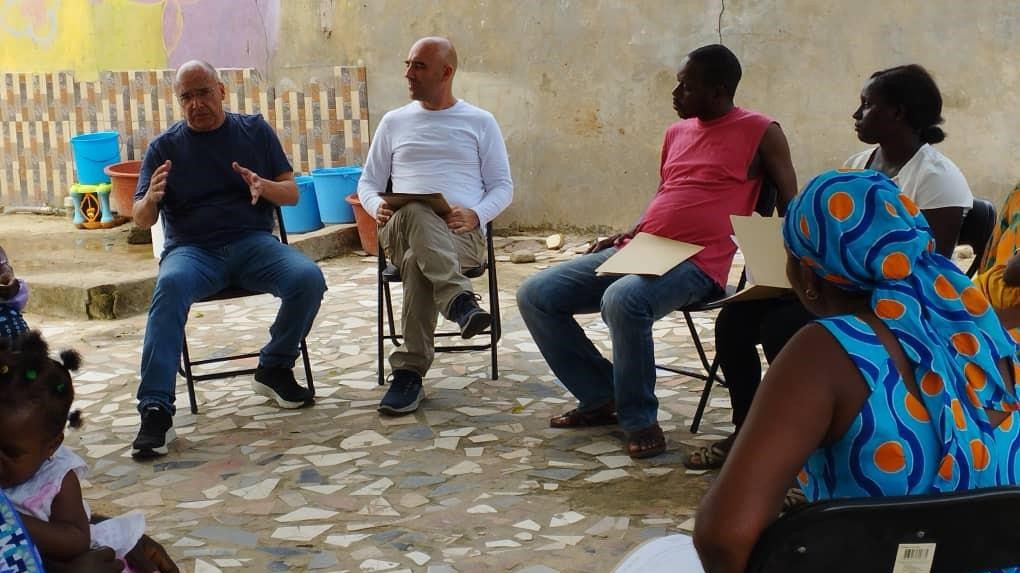
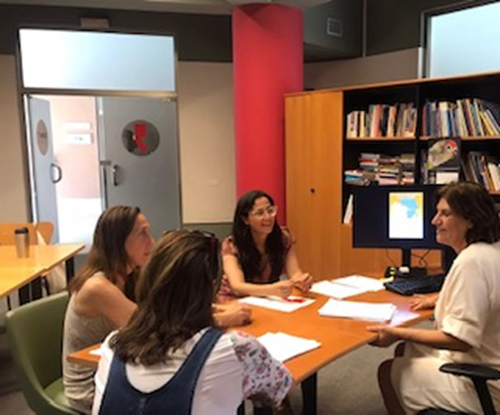
The team comprised of Isabel Teresa Martín Mateos (PDI) and Sara González Pérez (PDI) conducted an identification process in Dakar aimed at analyzing, together with local educational stakeholders, the main challenges facing the school environment in several public schools. The initiative included participatory workshops based on the Logical Framework Approach, which focused on stakeholder analysis, problem tree analysis, objective tree analysis, and intervention alternatives.
During these meetings, key information was gathered on learning conditions, teachers' needs, and the educational system's institutional priorities. The diagnostic results provide the foundation for a future project focused on strengthening teachers and improving healthy learning environments.

Location: Diogo, Thiès region, Senegal
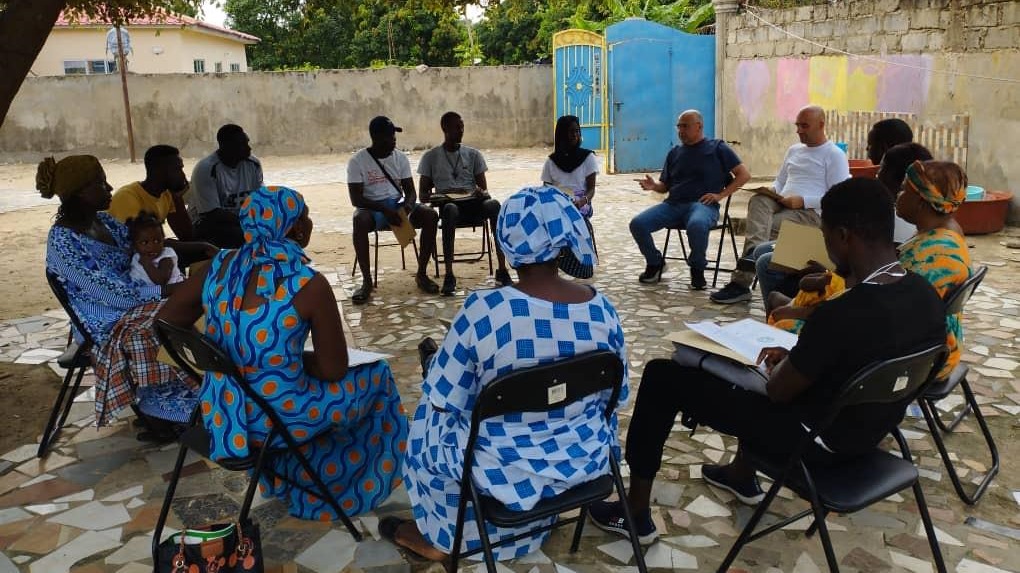
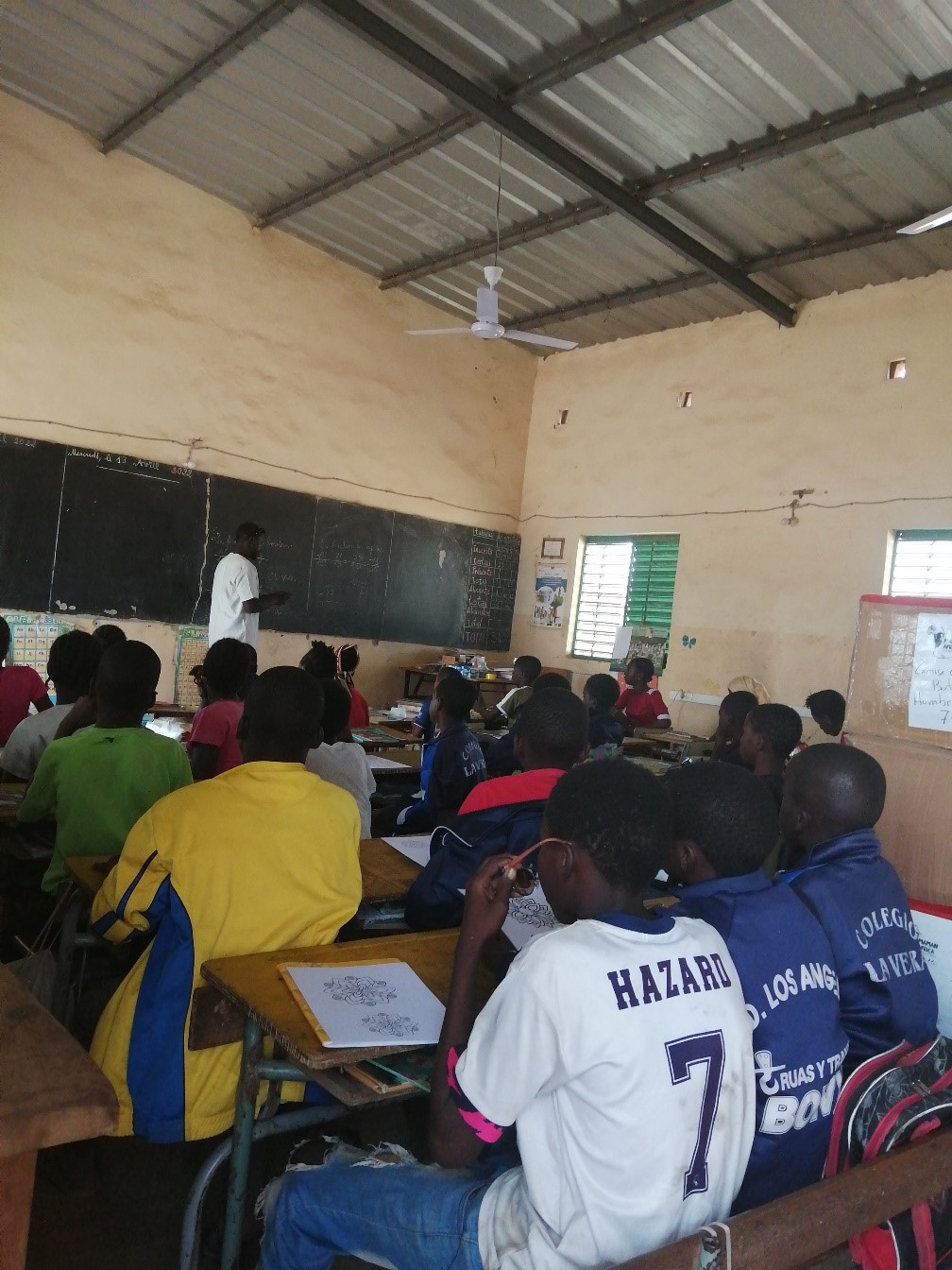
This identification process was coordinated by Alicia González Navarro (PDI) and involved a multidisciplinary team comprised of María Díaz Delgado (Teacher Training student), Raquel Gómez Navarro (Social Work student), Abdou Kane Ka (president of the Diogo Migrant Association), Fernando Lahoz Zamarro (PDI), Francisco José Ledesma Rodríguez (PDI), Lourdes Melero Bosch (PDI), and Sara Martín Martín (PTGAS). Through participatory workshops with the elementary school, high school, nursery school, health center, women's associations, and migrant groups in Diogo, a structured analysis was conducted of the main problems affecting access to education, energy, and community services. This work allowed for the prioritization of two key areas for the formulation of a future project proposal: • improving the energy supply of the health center through photovoltaic systems; • equipping the high school with a science lab to enhance students' hands-on learning. The diagnostic results provide the necessary technical and community basis to move towards a sustainable project with high local impact.

Location: Louga / Saint-Louis, Senegal
The process was coordinated by Luis Antonio González Mendoza (PDI) with the participation of María Maravillas Aguiar Aguilar (PDI). Its purpose was to analyze, together with local authorities, school administrators, and community associations, the shortcomings affecting access to drinking water, sanitation systems, and hygiene practices in rural schools in the Louga region. Through an intensive workshop based on the Logical Framework Approach, the problem tree, the objectives tree, and preliminary intervention alternatives were developed collaboratively. The diagnosis revealed significant deficits in infrastructure, community management, training, and awareness-raising, thus establishing the essential elements for the future formulation of a project in collaboration with locally based organizations such as Le Partenariat and CIDEAL. The information gathered will allow for the development of a robust proposal aimed at improving school health and strengthening educational equity in rural areas.

Location: Praia, Santiago Island, Cape Verde
The process was coordinated by Matilde C. Díaz Hernández (PDI), along with Yasmina Álvarez González (PDI). It also included the participation of Carmelita Afonseca Silva (CIGEF, University of Cape Verde) and Vanesa María Felipe Martín (PTGAS). Through meetings and workshops with community organizations and the Center for Research and Training in Gender and Family, the team developed a comprehensive assessment of the situation of young women with disabilities and family responsibilities in the Jamaica and Safende neighborhoods. The work identified multiple barriers related to economic autonomy, access to services, training, social participation, and equal opportunities. The information generated forms the basis for formulating a project aimed at promoting the economic and social empowerment of these women, integrating tailored training, community support, and institutional strengthening actions in the area of gender.

Location: Cojímar, Havana, Cuba
This process was coordinated by Natalia del Pino Brunet (PDI) and developed in collaboration with Amanda Negrín Plata (PDI), Óscar Acosta Díaz (PTGAS), and María Bernal Rodríguez (a Social Work student), with the Faculty of Geography at the University of Havana and the community-owned company ISLA SRL. Over several weeks, meetings, observation tours, and workshops were conducted with community focus groups, local leaders, and institutional representatives. The diagnostic assessment allowed for an analysis of the main economic, social, and environmental problems affecting the area: waste management, environmental degradation, vulnerability to flooding, lack of transportation, and the fragility of community networks. The process concluded with the development of a preliminary intervention proposal aimed at strengthening community resilience, promoting social participation, and improving the quality of life in Cojímar. The information generated will allow for progress toward a complete project formulation in collaboration with local stakeholders.
MINPLASTIC Project: Transforming Plastic Waste Management in Gandiol, Senegal
Funded by the Vice-Ministry of Foreign Affairs of the Government of the Canary Islands
(Resolution 164/2024 dated 16/04/2024)
The MINPLASTIC project, led by the University of La Laguna in collaboration with the local association Hahatay and the Gaston Berger University of Senegal, is being developed in the rural community of Gandiol, located in the Saint-Louis region of Senegal. This initiative seeks to establish a sustainable solution to the critical problem of plastic waste, promoting equitable human development, environmental preservation, and community empowerment.
With a comprehensive approach, the project promotes the strengthening of the social enterprise DEFARATT, dedicated to the recycling and transformation of plastics through the use of solar energy, enabling sustainable operations even in a context of limited resources. Furthermore, the project promotes the training of technical staff and supports the design of strategies to ensure the company's financial and operational sustainability.
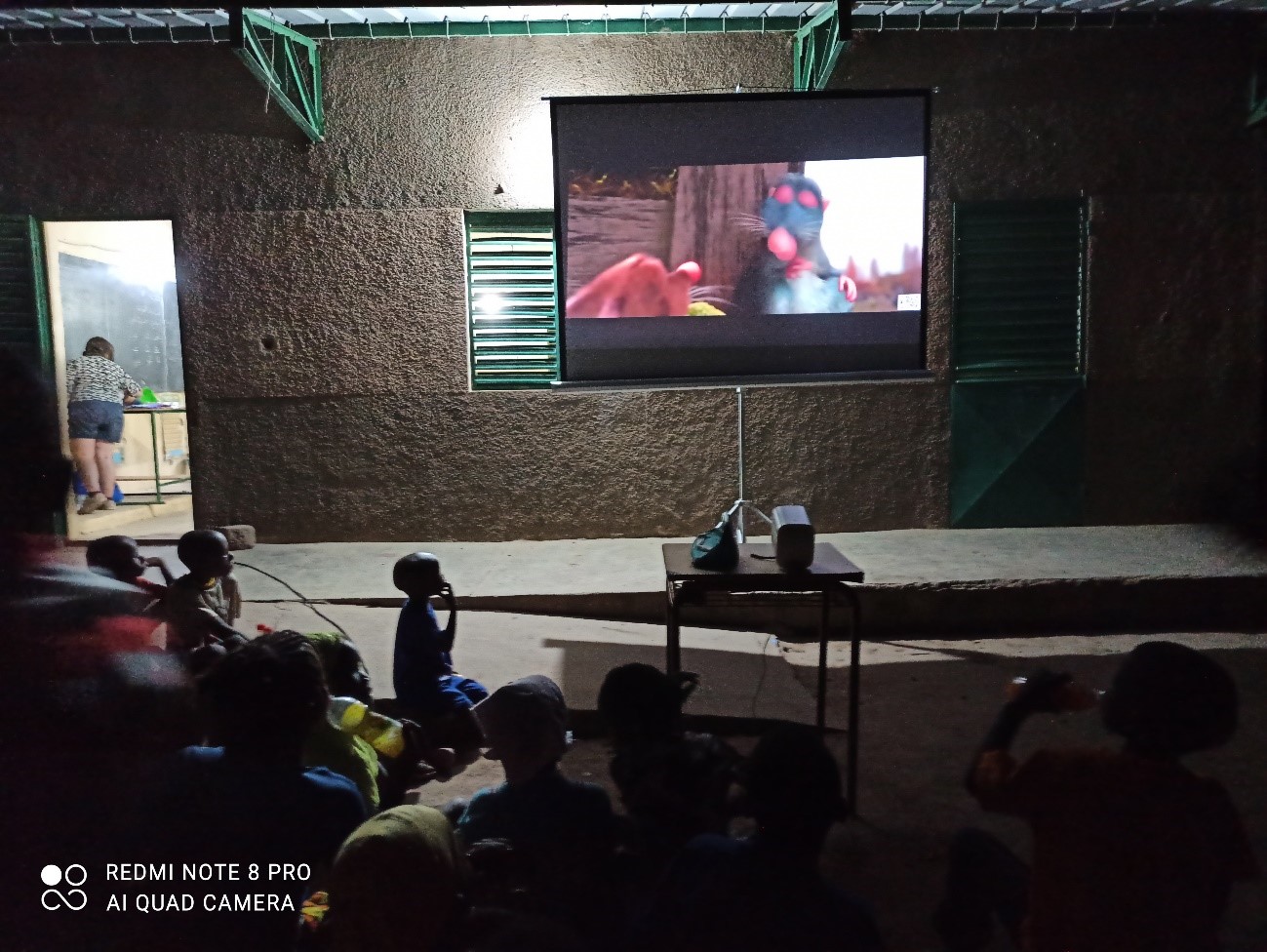
In the area of awareness-raising, community workshops are organized on waste separation, environmental awareness, and community empowerment. MINPLASTIC promotes the integration of cultural activities, such as an interactive play and audiovisual programs, as a way to mobilize the community toward sustainable practices. These actions directly involve the local population, especially women and youth, in environmental protection.
The project also focuses on installing waste sorting containers and improving the technical capabilities of community centers. Through agreements with local authorities, the project ensures the continuity of the implemented practices and creates a replicable model for other communities in Senegal. With a planned duration of 12 months and €80,000 in funding from the Vice-Ministry of Foreign Action of the Government of the Canary Islands, MINPLASTIC is an example of international cooperation that combines science, culture, and sustainability to address environmental and social challenges in a vulnerable region.
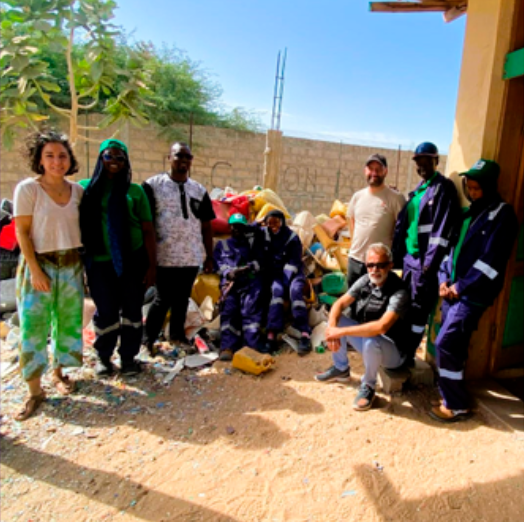
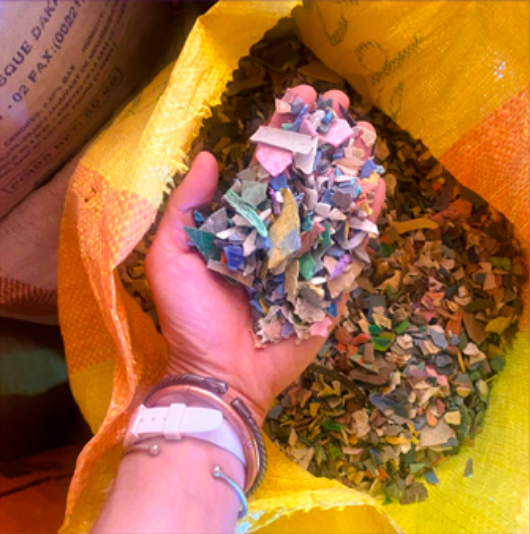
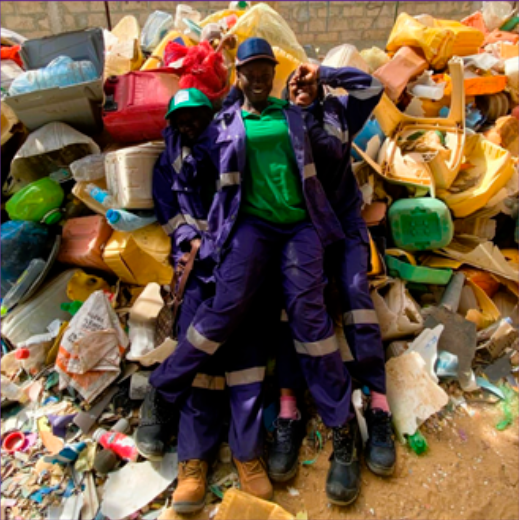
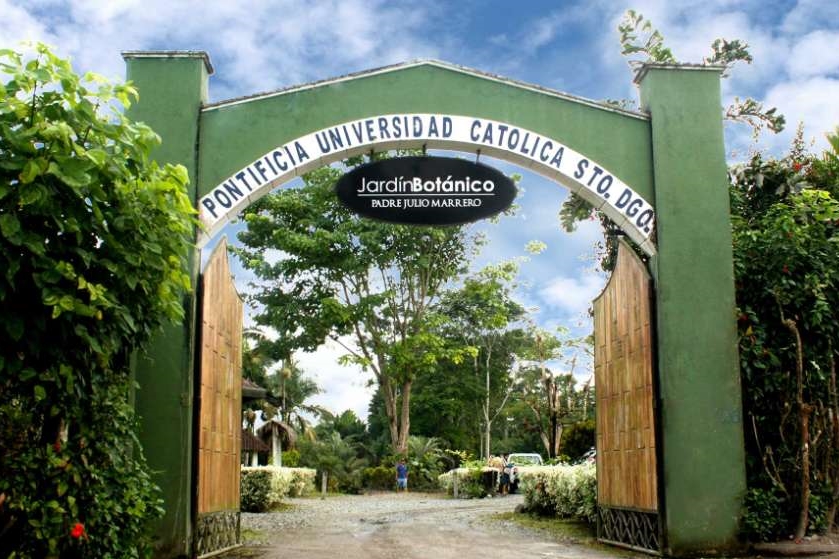
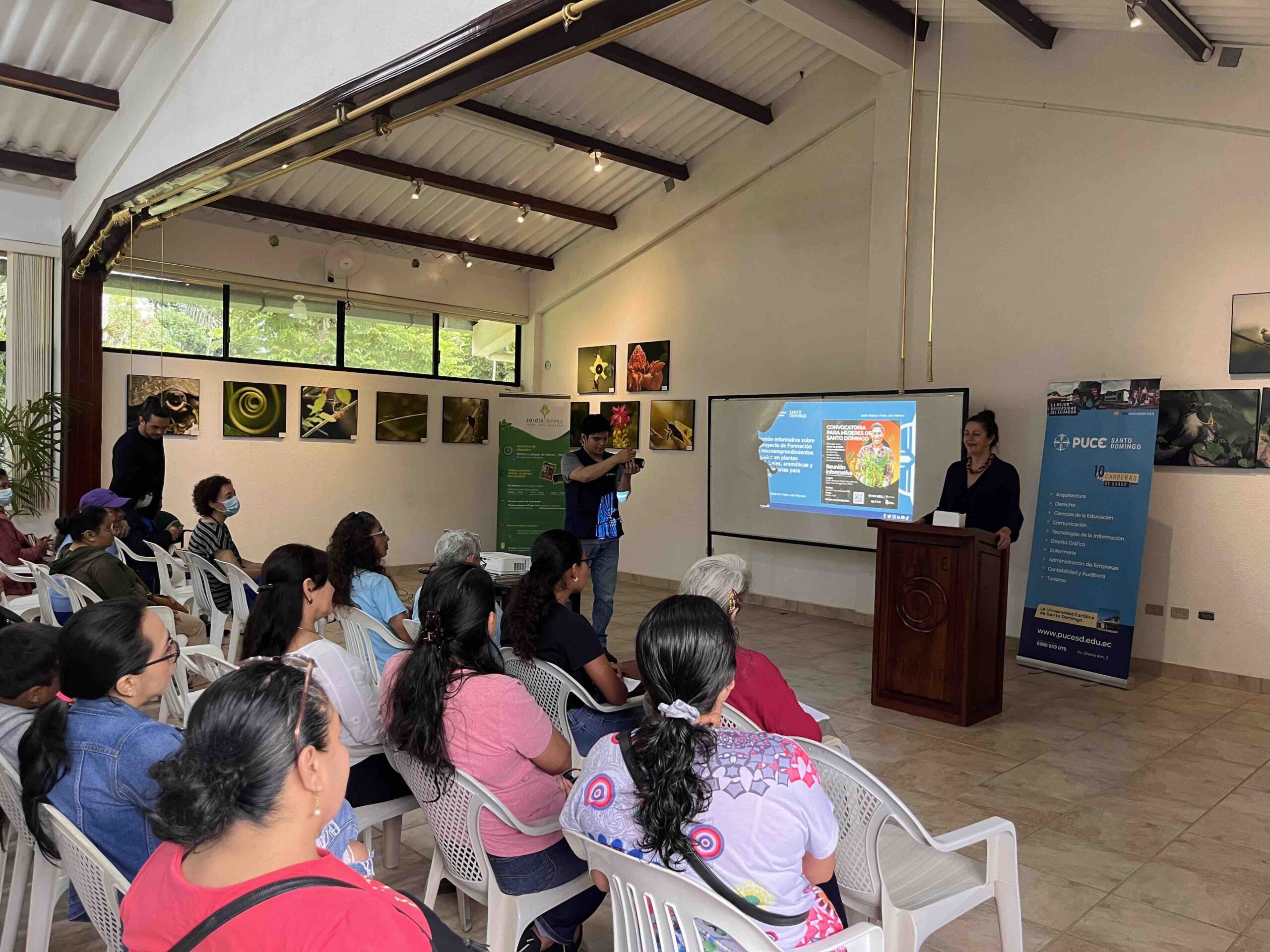
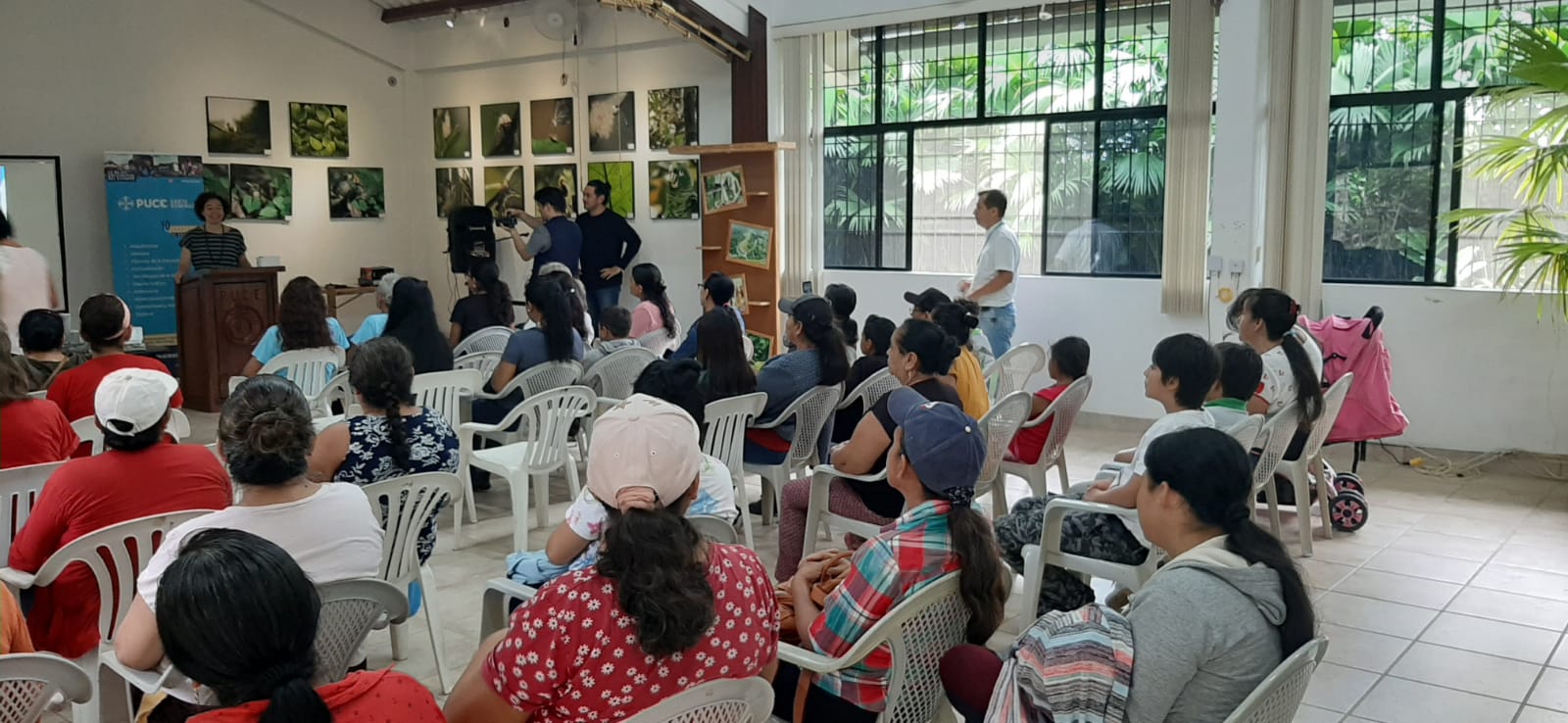
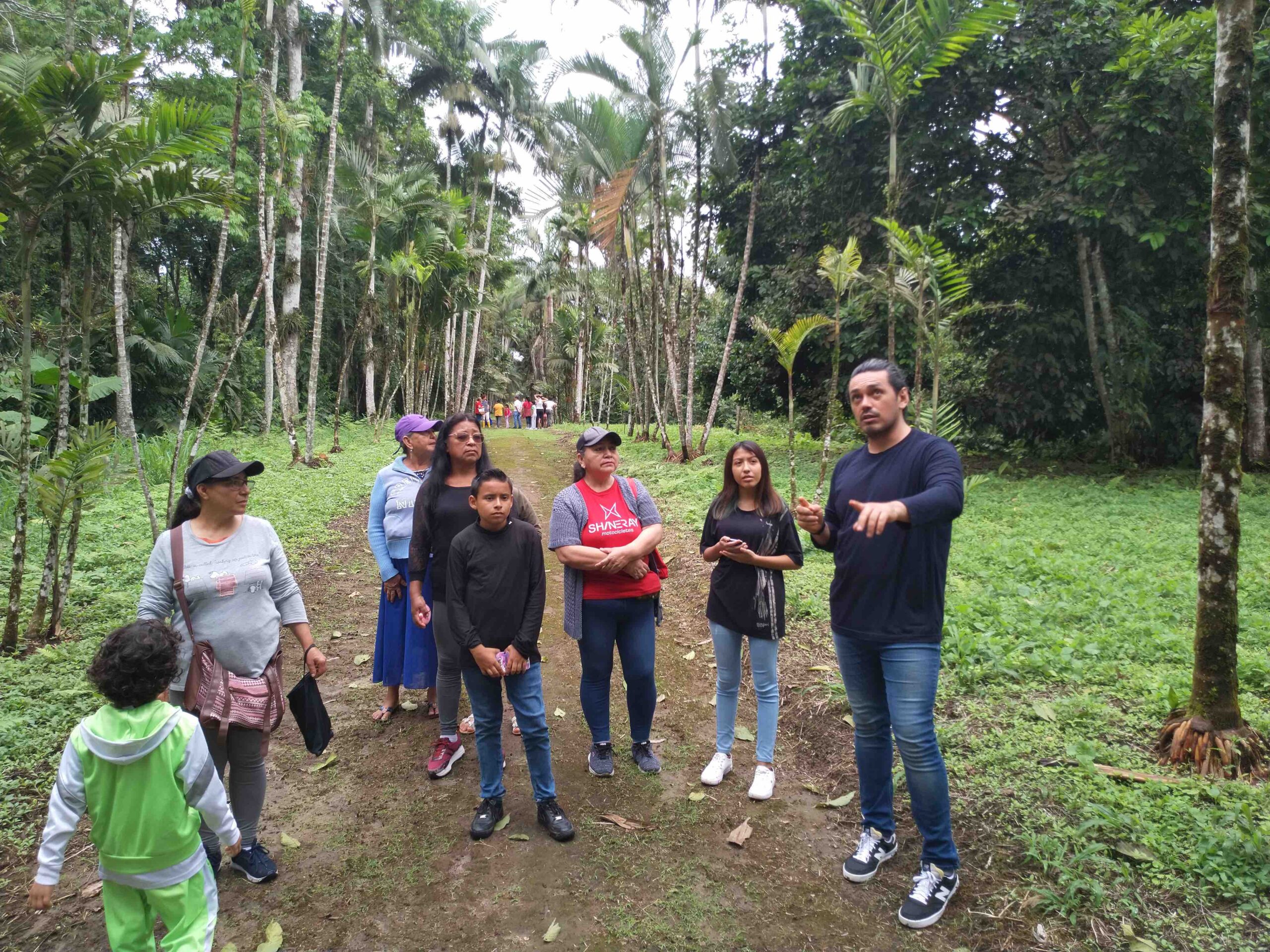
Training for the development of micro-enterprises for vulnerable women through a medicinal, aromatic, and spice plant nursery at the Padre Julio Marrero Botanical Garden in Santo Domingo, Ecuador.
Funded by the Vice-Ministry of Foreign Affairs of the Government of the Canary Islands
(Resolution of 07/27/2022, BOC No. 157 of August 9)
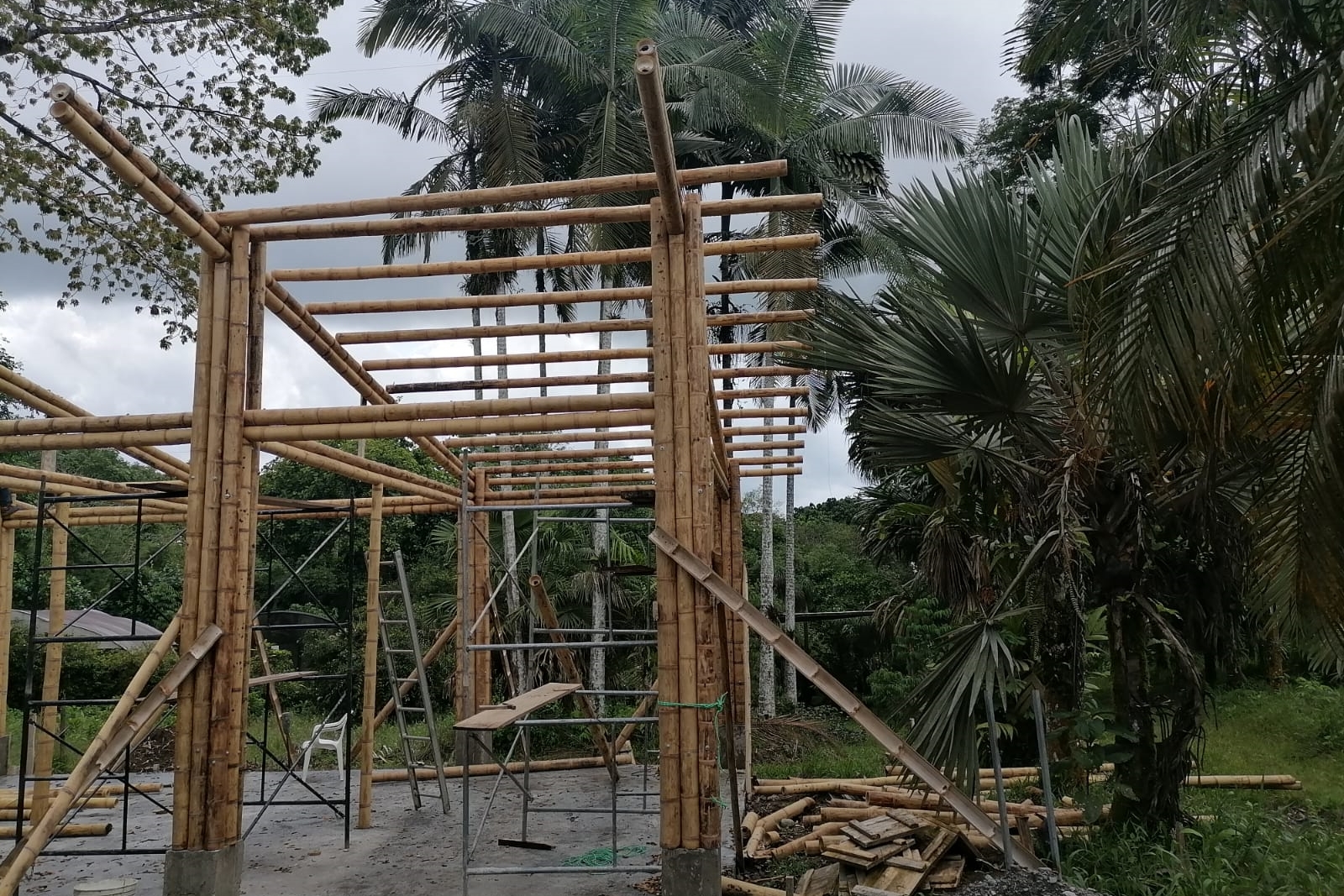
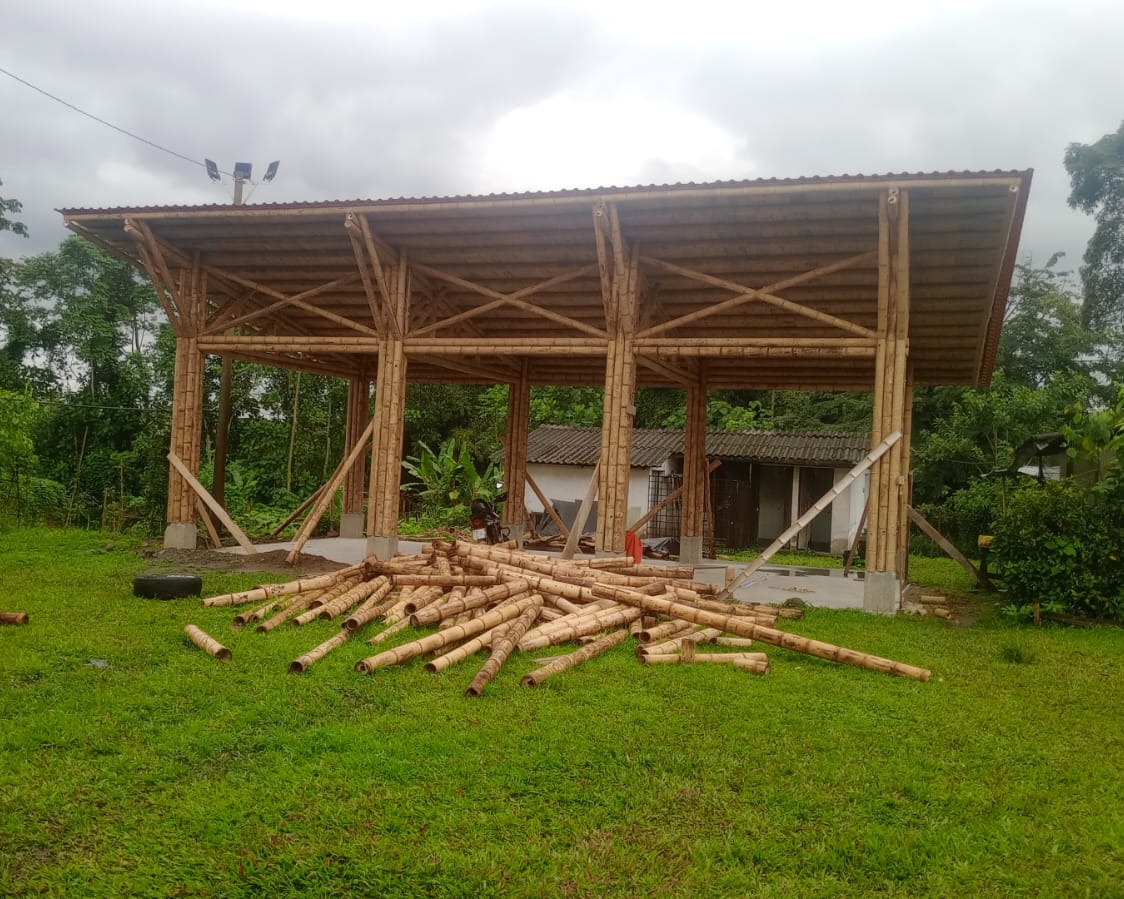
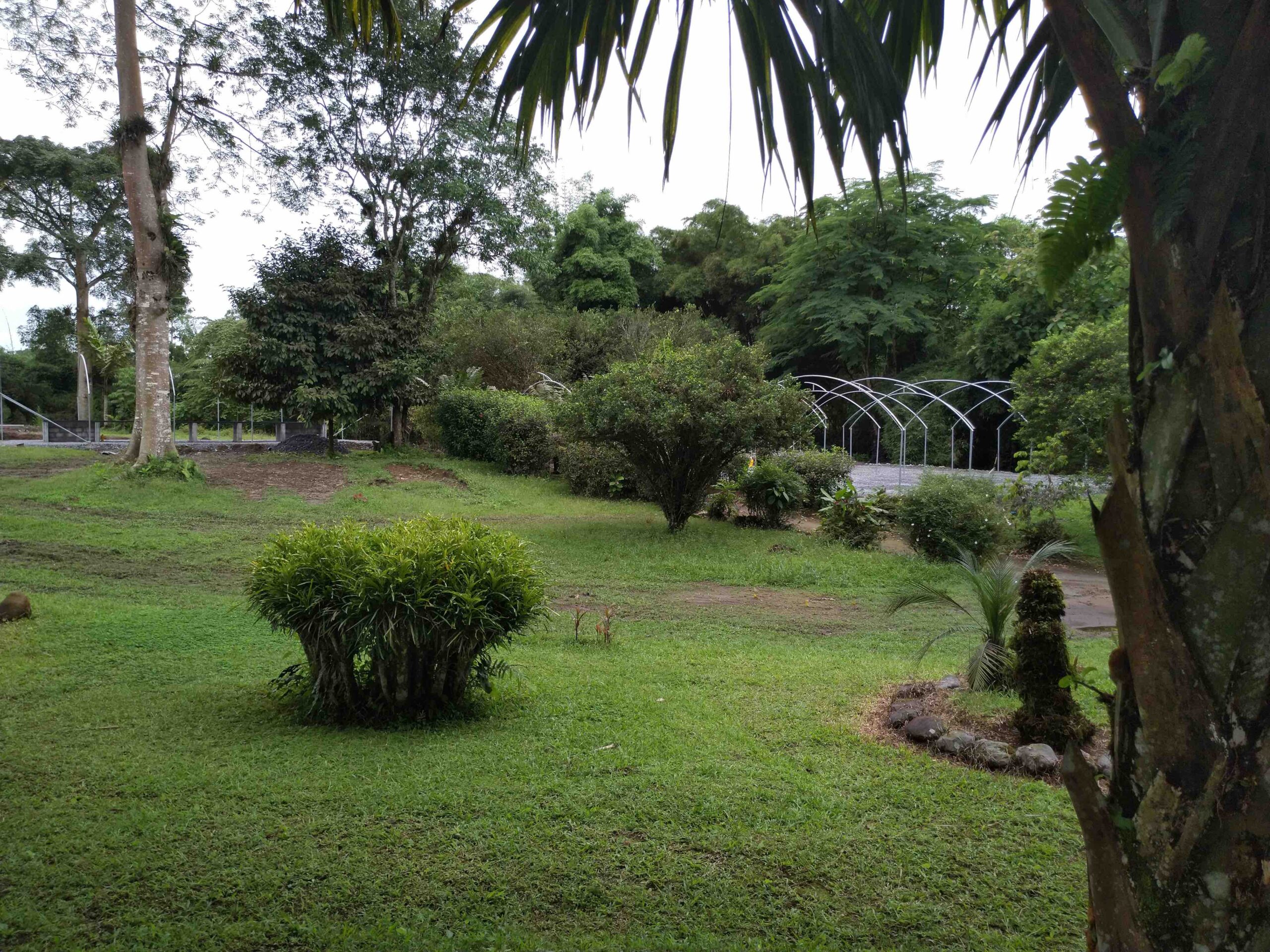
The purpose of this project is to promote social and gender inclusion in a highly marginalized neighborhood in Santo Domingo, Ecuador. The project included the construction of four greenhouses in the Padre Julio Marrero Botanical Garden, owned by the Pontifical Catholic University of Ecuador (PUCE) in Santo Domingo, as well as a training program for 80 women in micro-enterprises related to plant cultivation and marketing. The training included agricultural techniques, entrepreneurship, financing plans, and marketing plans.
The 17-hectare Botanical Garden boasts a rich biodiversity, which PUCE maintains for educational, conservation, and research purposes. It is a member of several global conservation networks and accredited by BGCI Botanic Conservation International. It will serve as a research and internship center for the ULL community.
Needs assessment, design and implementation of a training program to support rural social entrepreneurs in the Santa Clara region (Cuba), within the framework of the Sustainable Development Goals.
Funded by the Vice-Ministry of Foreign Affairs of the Government of the Canary Islands
(Resolution of 12/13/2021, BOC No. 256 of December 17)
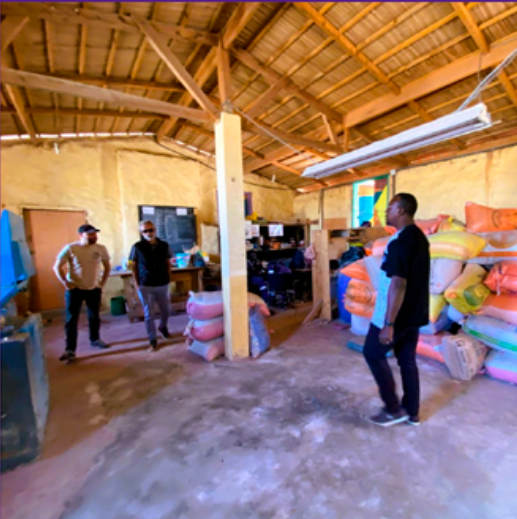
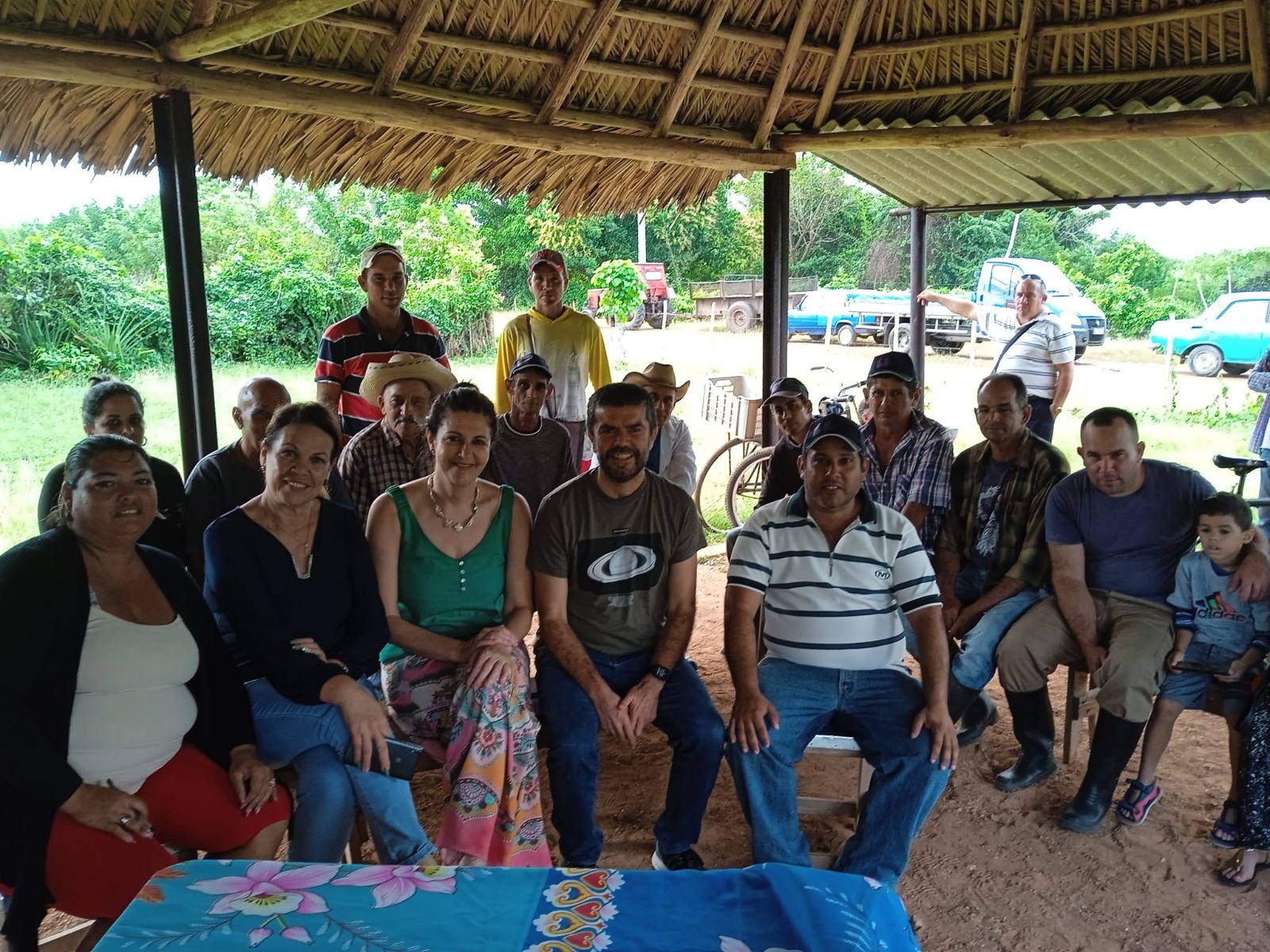
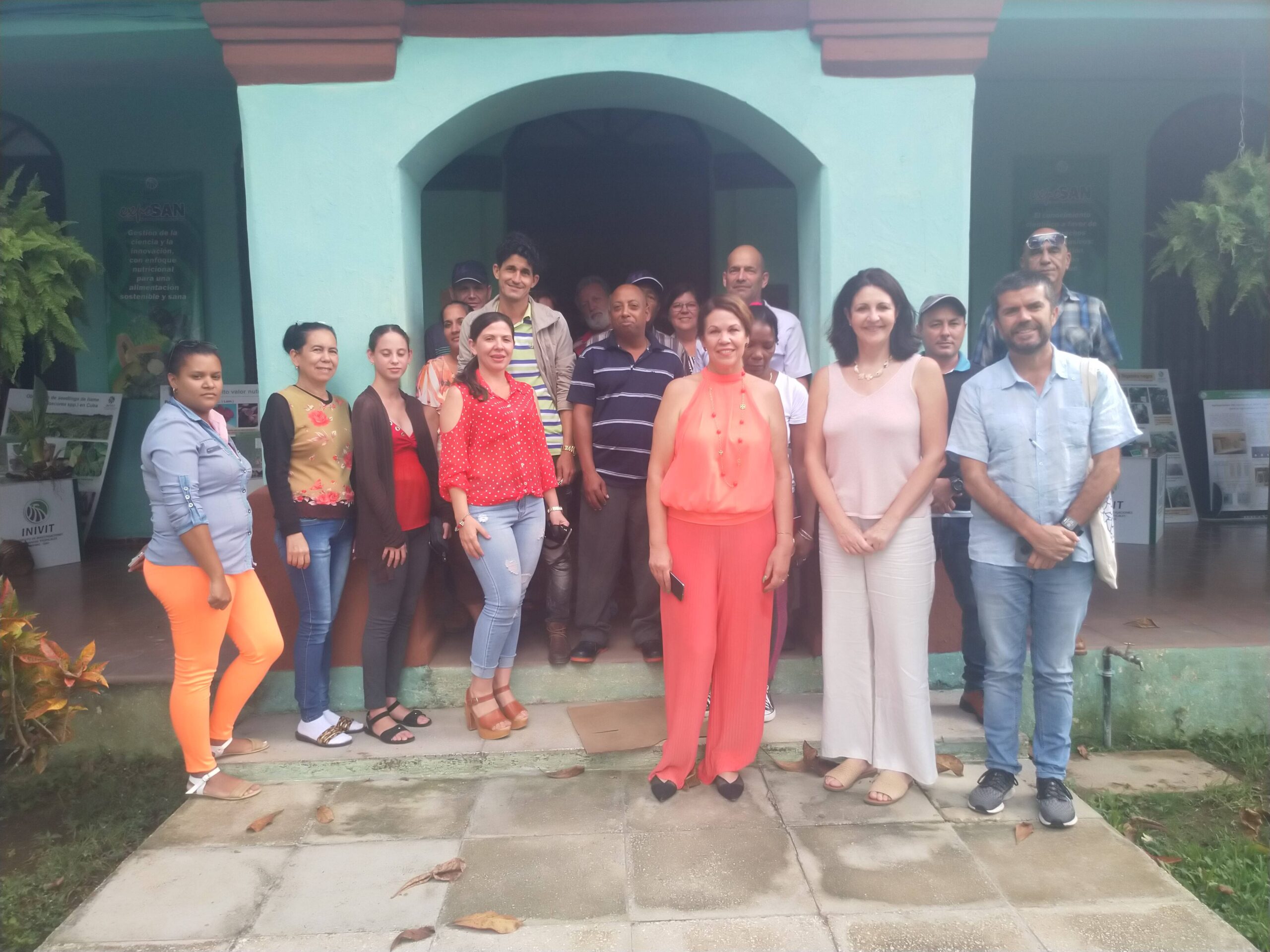
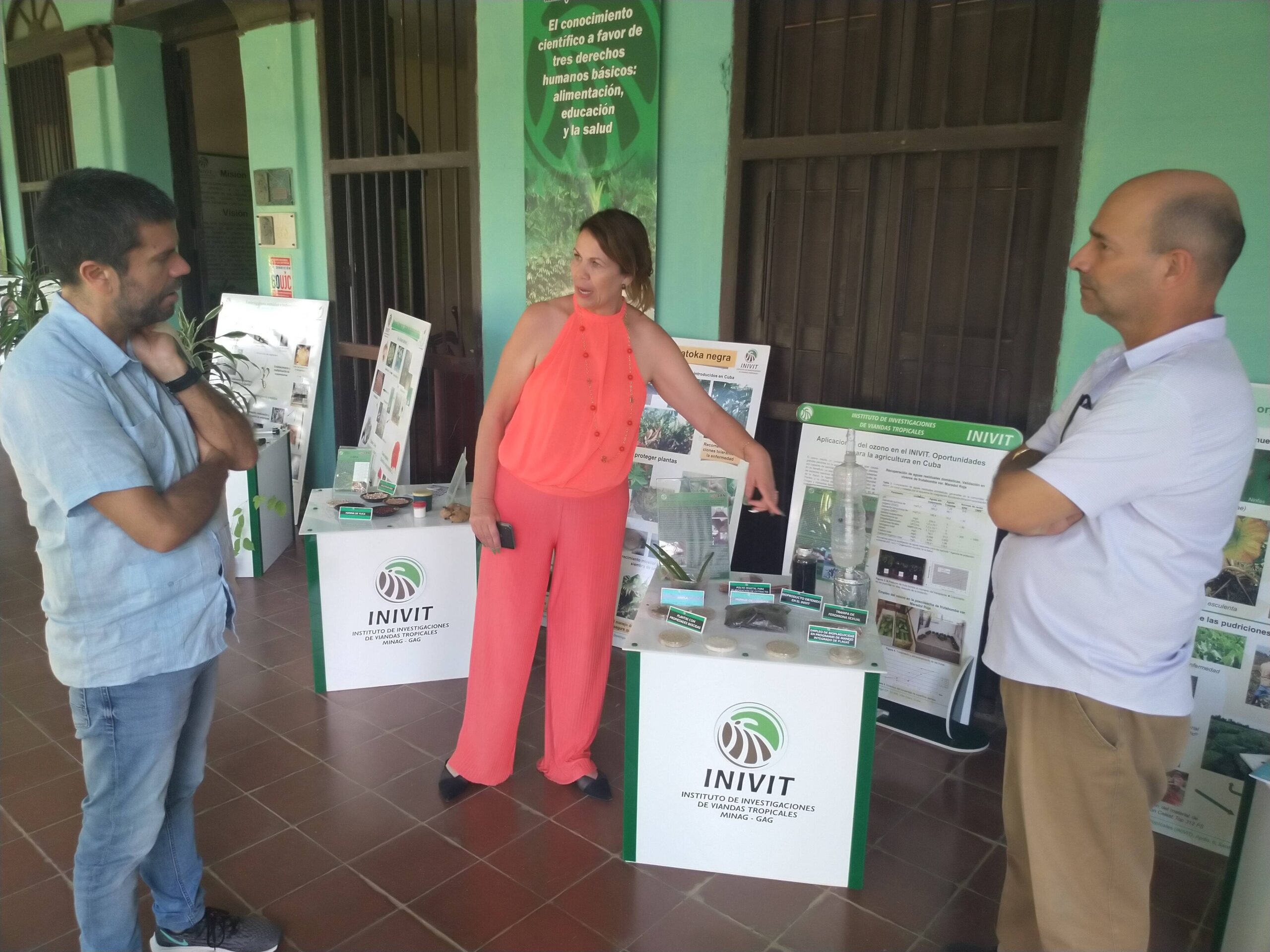
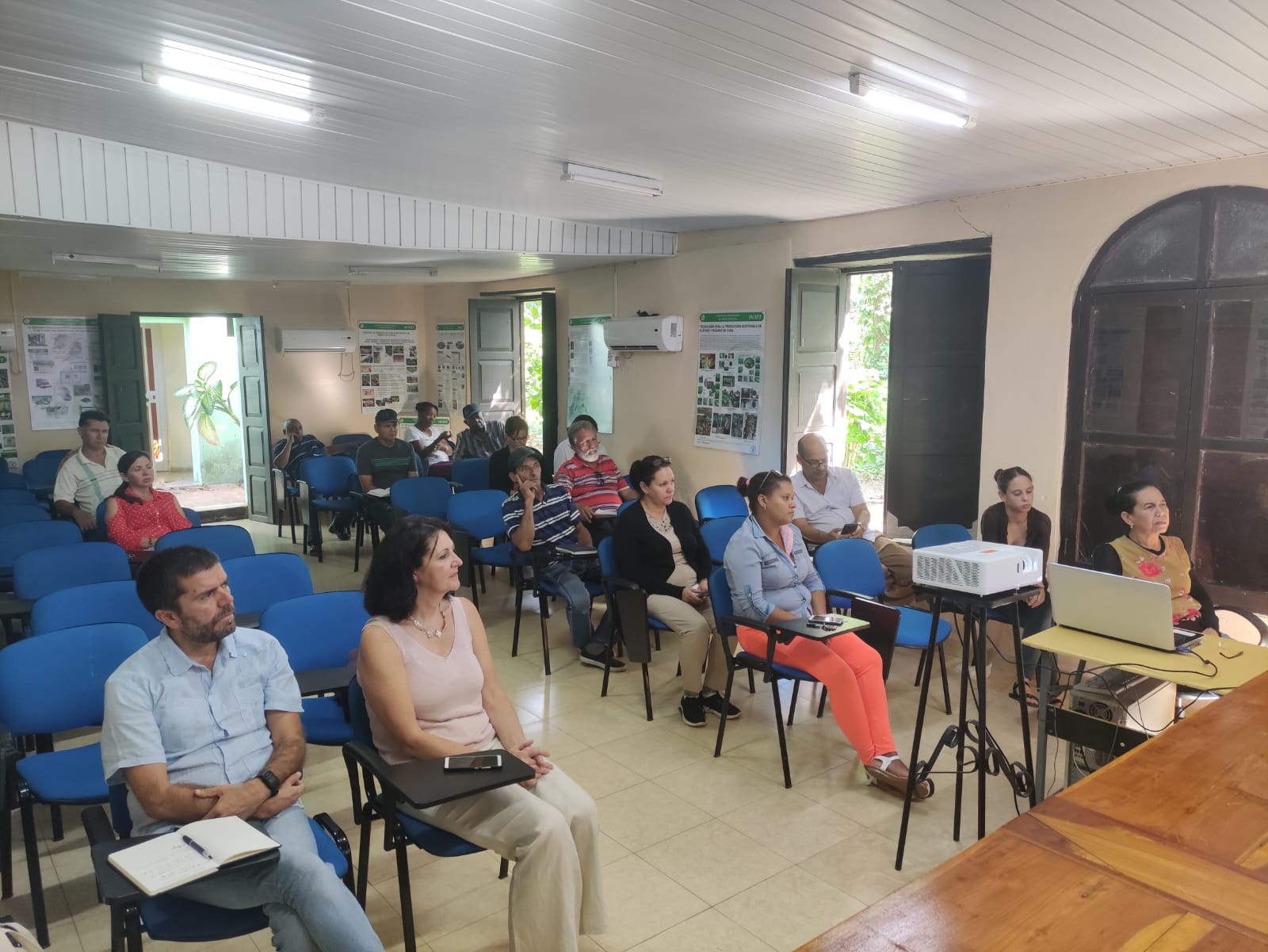
The purpose of this project was to develop a training program related to business entrepreneurship for harvesters belonging to three agricultural cooperatives in the Santa Clara region (Cuba), in collaboration with the National Institute for Research in Tropical Root Vegetables (INIVIT). Other objectives included supporting the ULL in the preservation and transformation of local socioeconomic systems, the recovery of the productive fabric, and the strengthening of democratic governance in the participating productive structures. As a result of this project, chili peppers are being exported, as well as direct distribution of all agricultural products to local hotels.
Founding of a training and social education center to provide educational support for boys and girls, promote educational interventions with women, and develop curricular cooperation practices for ULL students.
Funded by the Vice-Ministry of Foreign Affairs of the Government of the Canary Islands
(Resolution of 12/17/2020, BOC No. 269 of December 30)
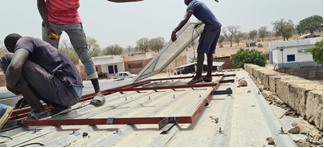
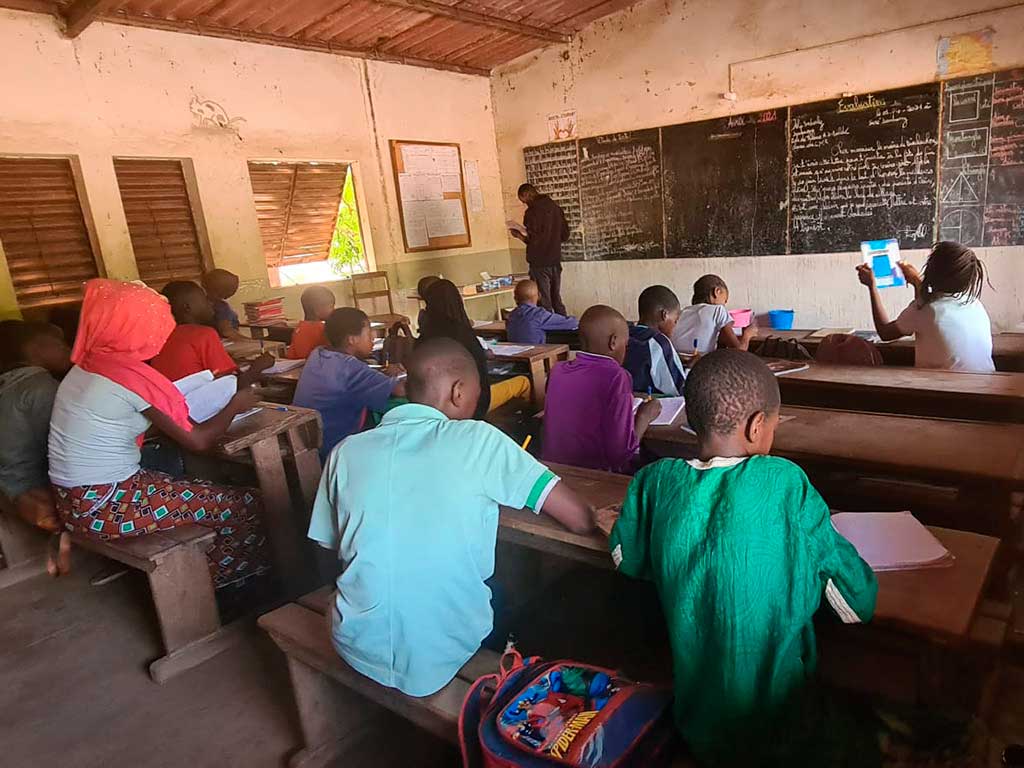
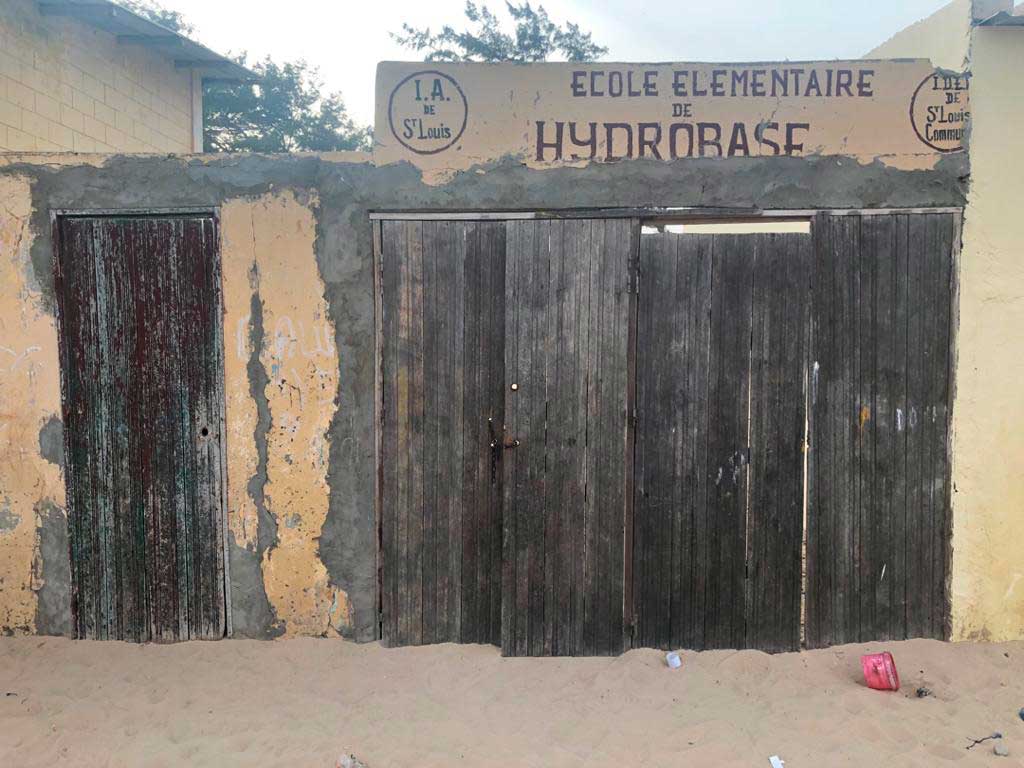
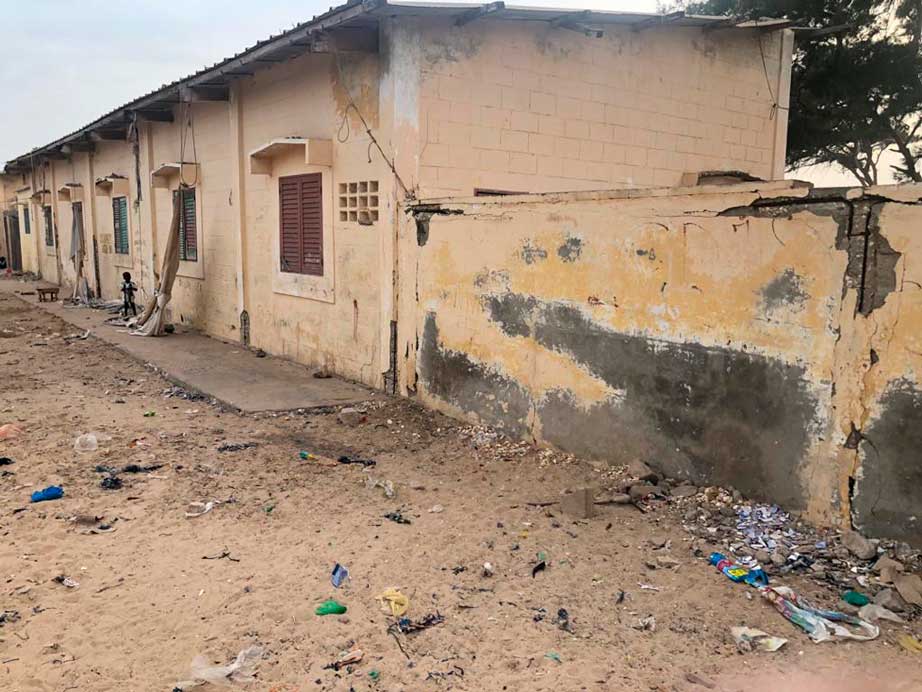
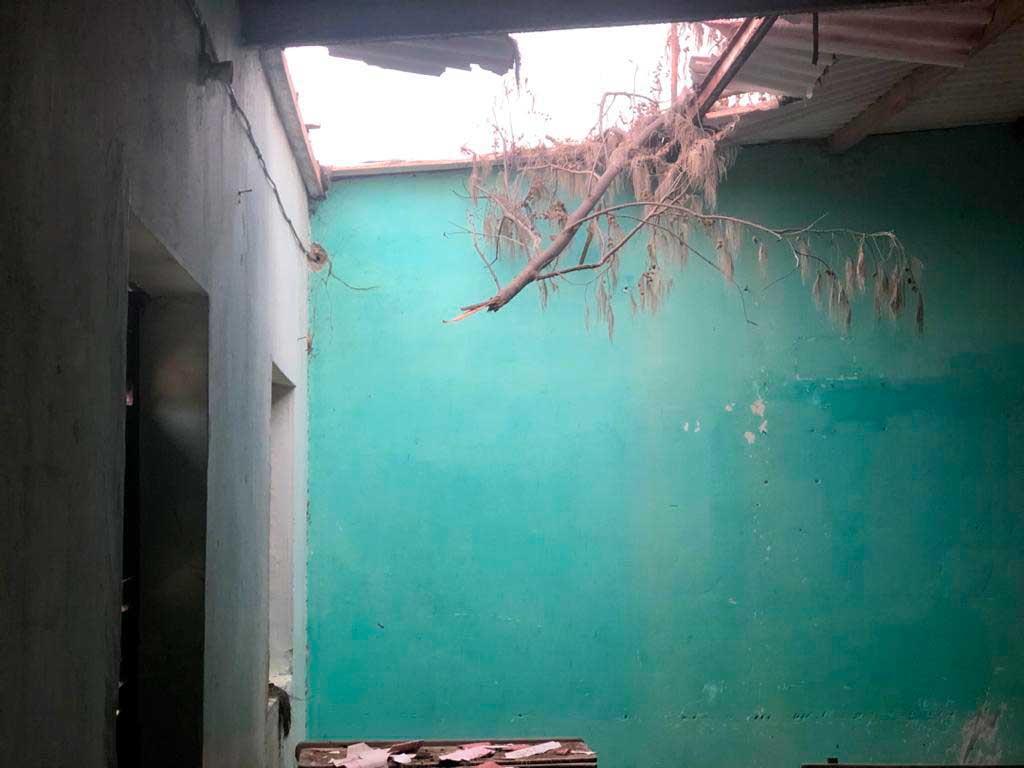
The proposal involves the rehabilitation of an existing elementary school located in the Saint Louis region (largely unusable due to deterioration). The goal is to convert it into a school internship center and the development of socio-educational and community intervention projects, with the cooperation of ULL interns and faculty. This facility will also serve as a development cooperation center promoted by the ULL and a future reference point for innovation and research projects, as well as for the development of students' final degree projects.
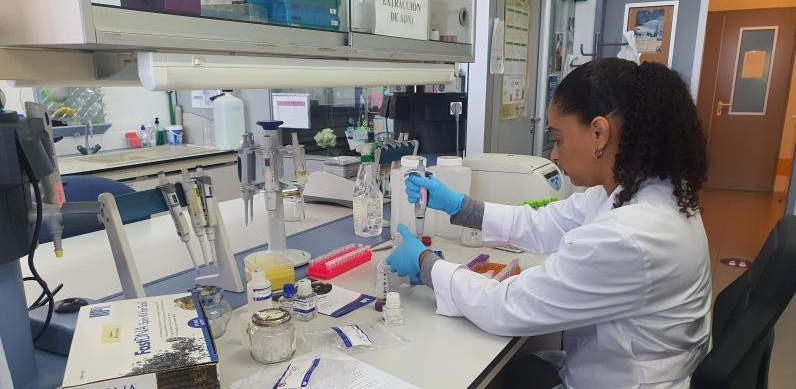
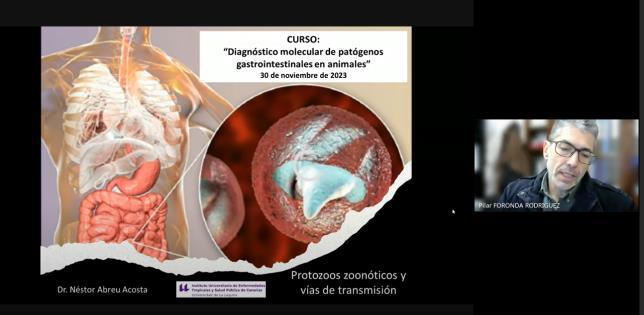
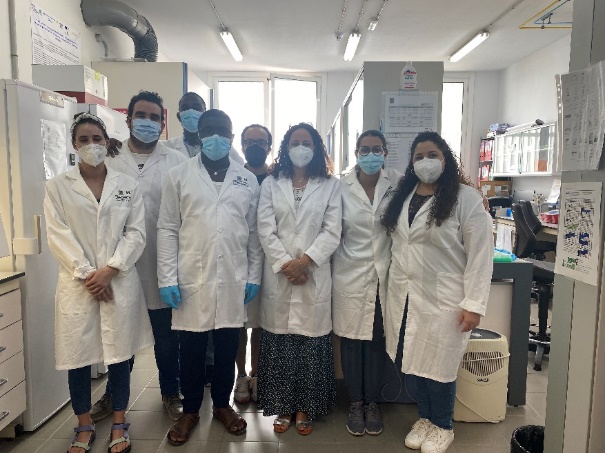
The INPA (Parasitology Research) research group has participated continuously in this call since its creation in 2020, focusing on training Cape Verdean researchers to specialize in the detection of pathogens of epidemiological relevance in an increasingly extensive geographical area of the archipelago.
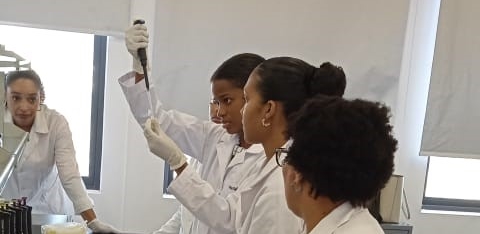
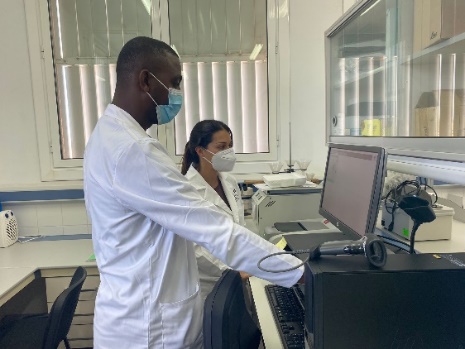
This year's edition featured a training course for students and staff of the Cape Verdean Directorate-General for Agriculture, Forestry, and Livestock. Dr. Denise Andrade Colito, a renowned Cape Verdean researcher, had the opportunity to train in microbiology and parasitology techniques at the University Institute of Tropical Diseases. ULL students, for their part, also benefit from this project by completing their final projects and master's thesis in the same fields.
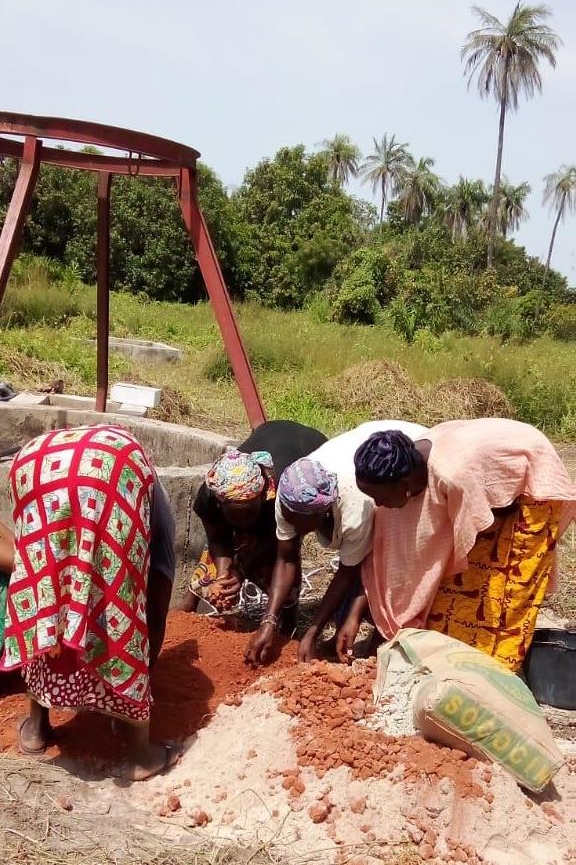
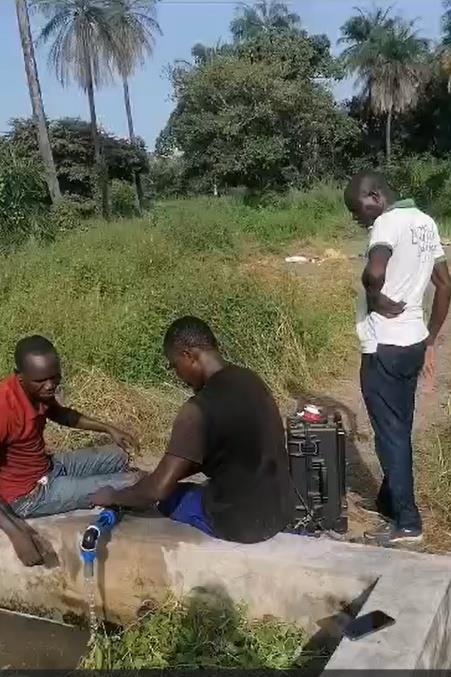
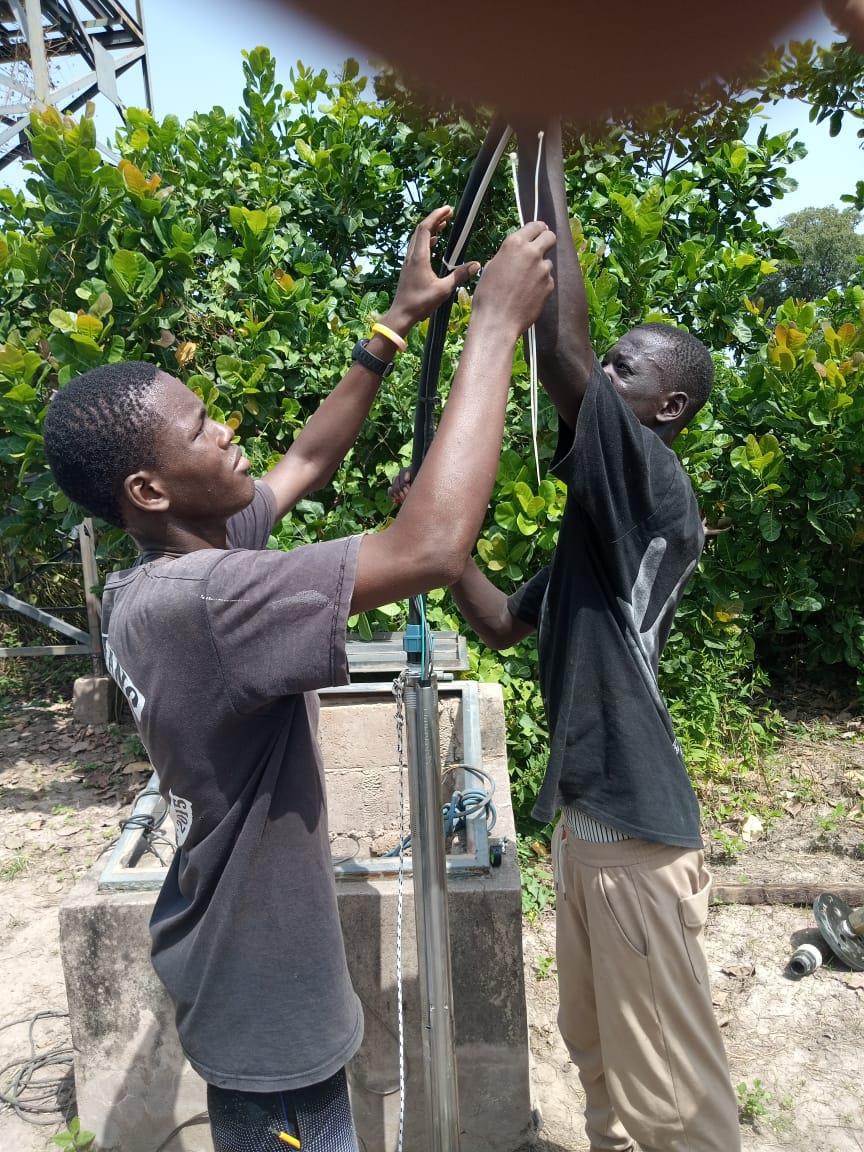
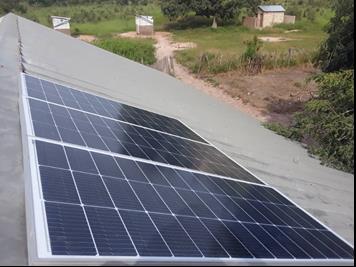
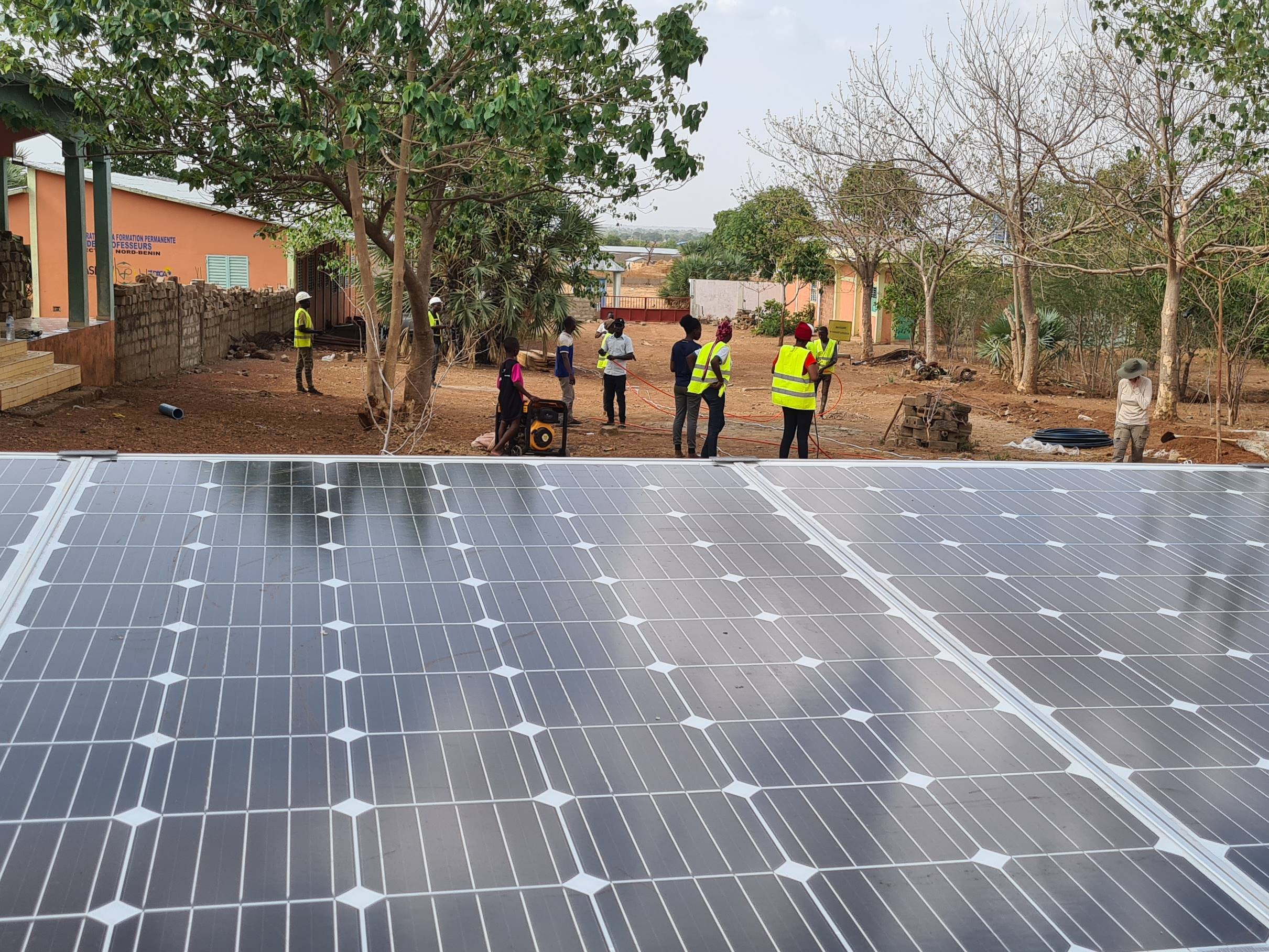
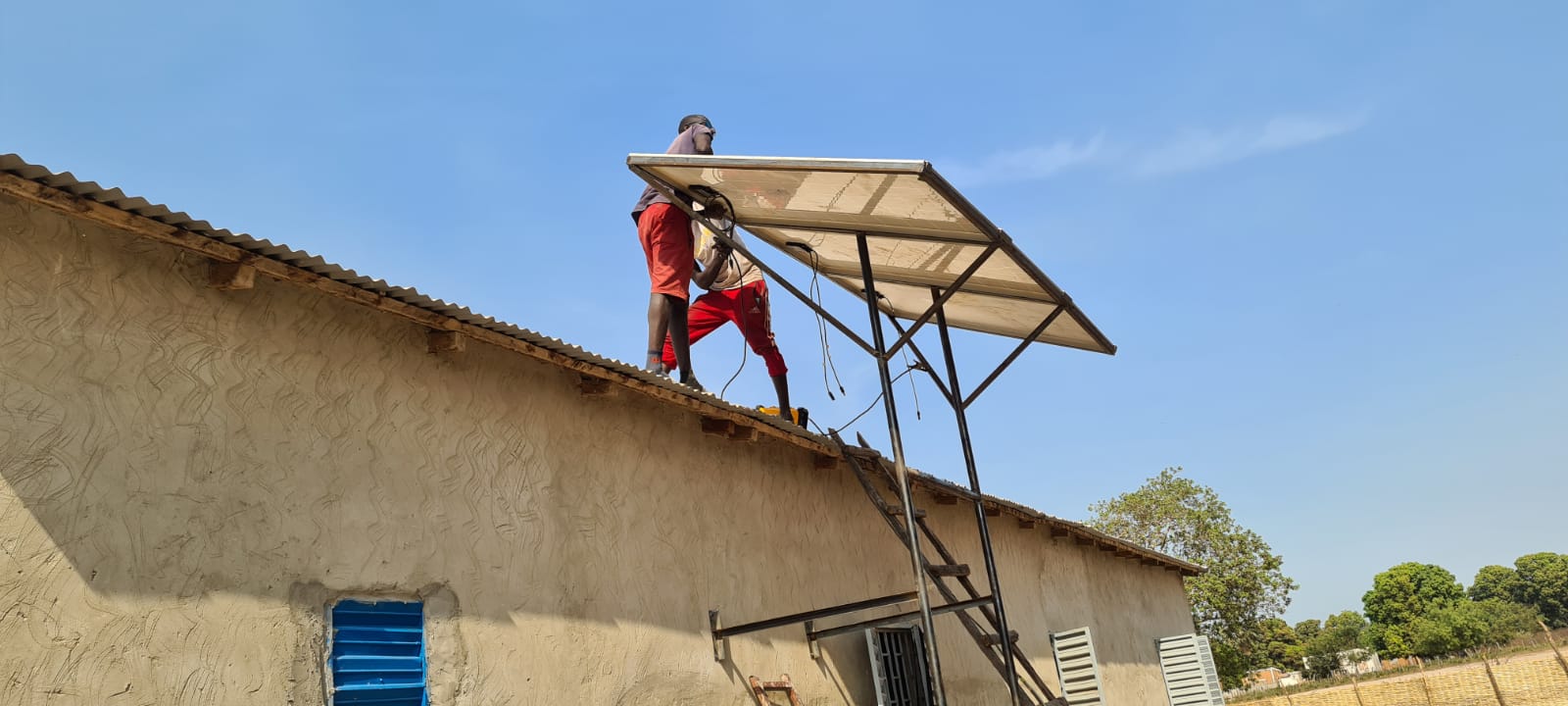
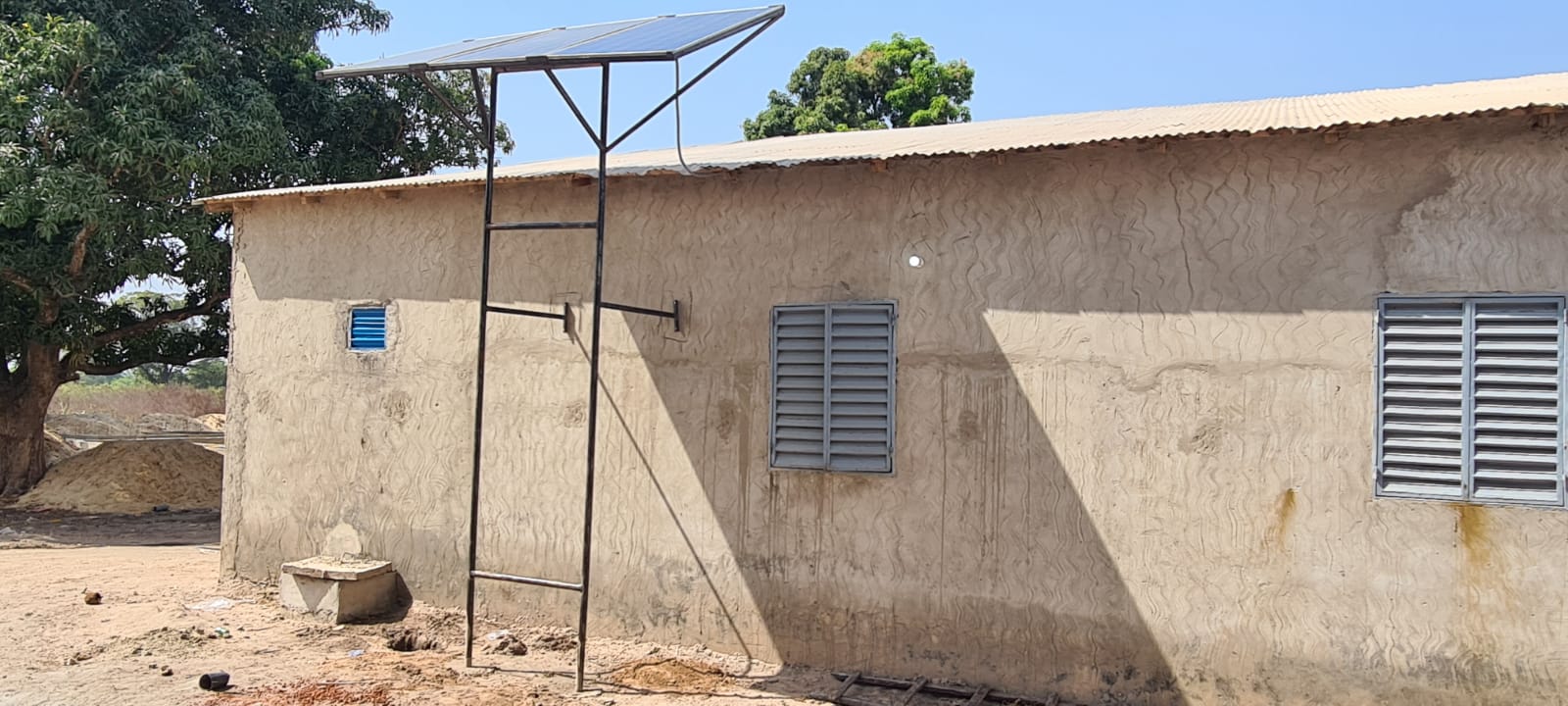
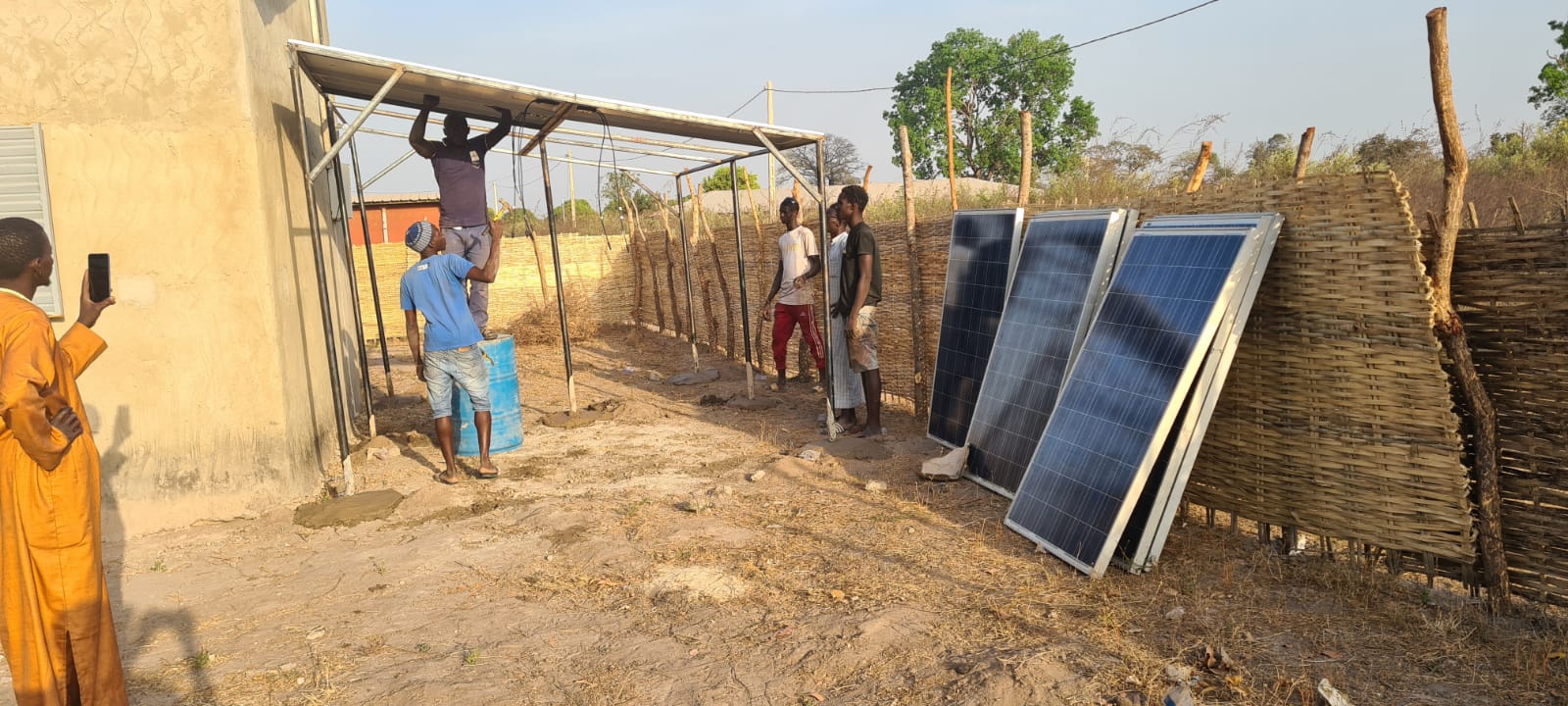
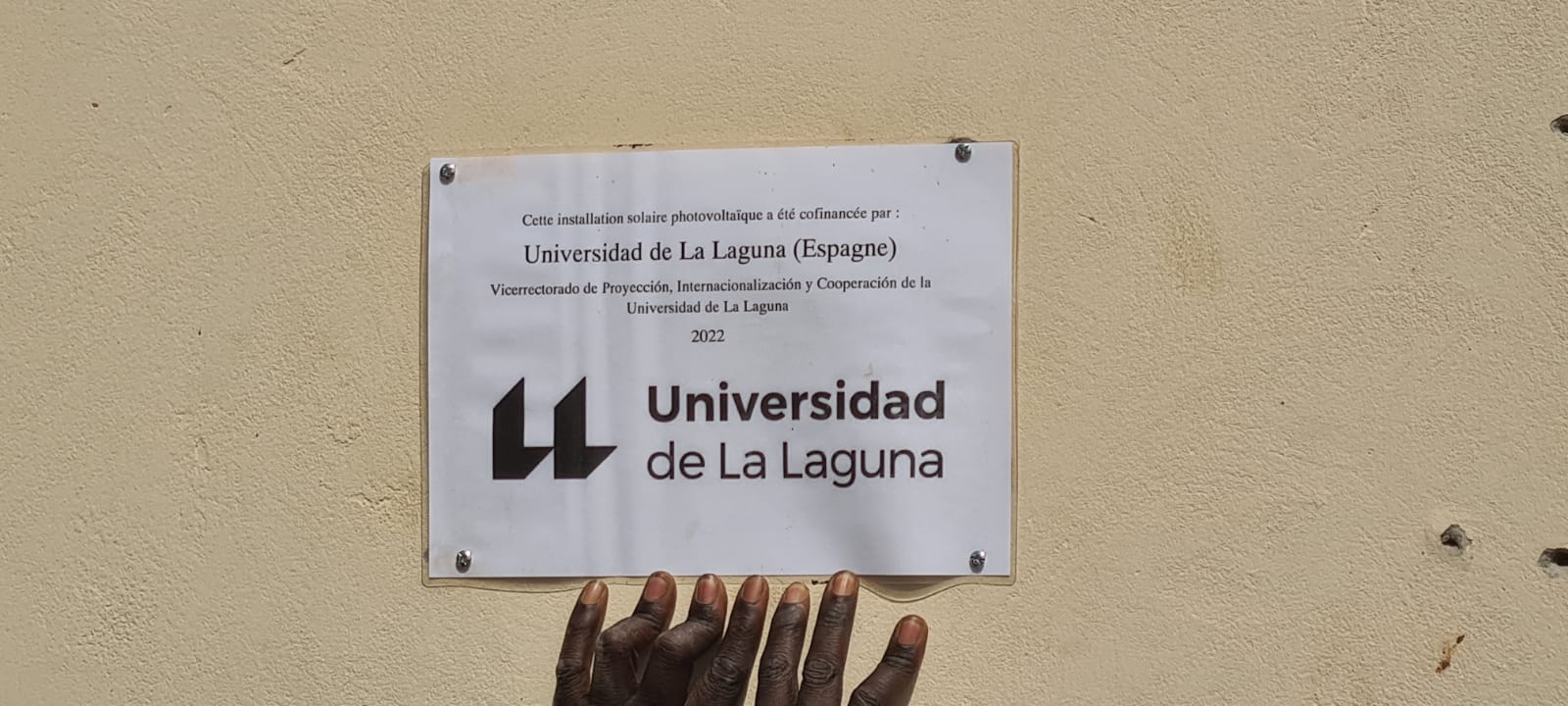
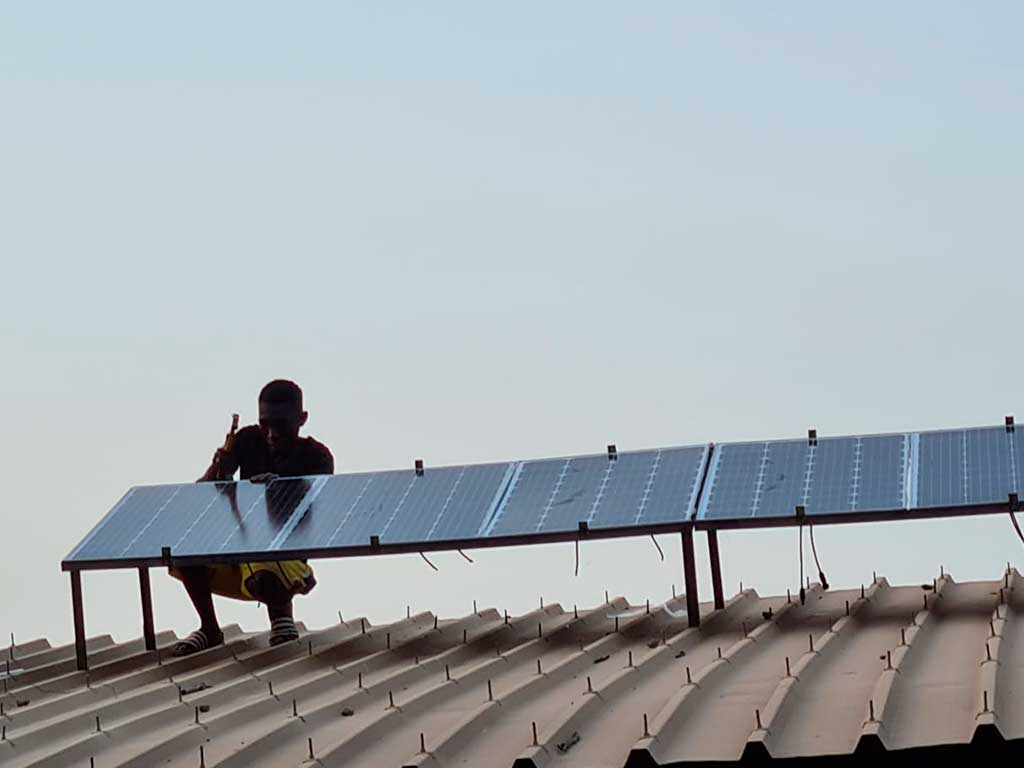
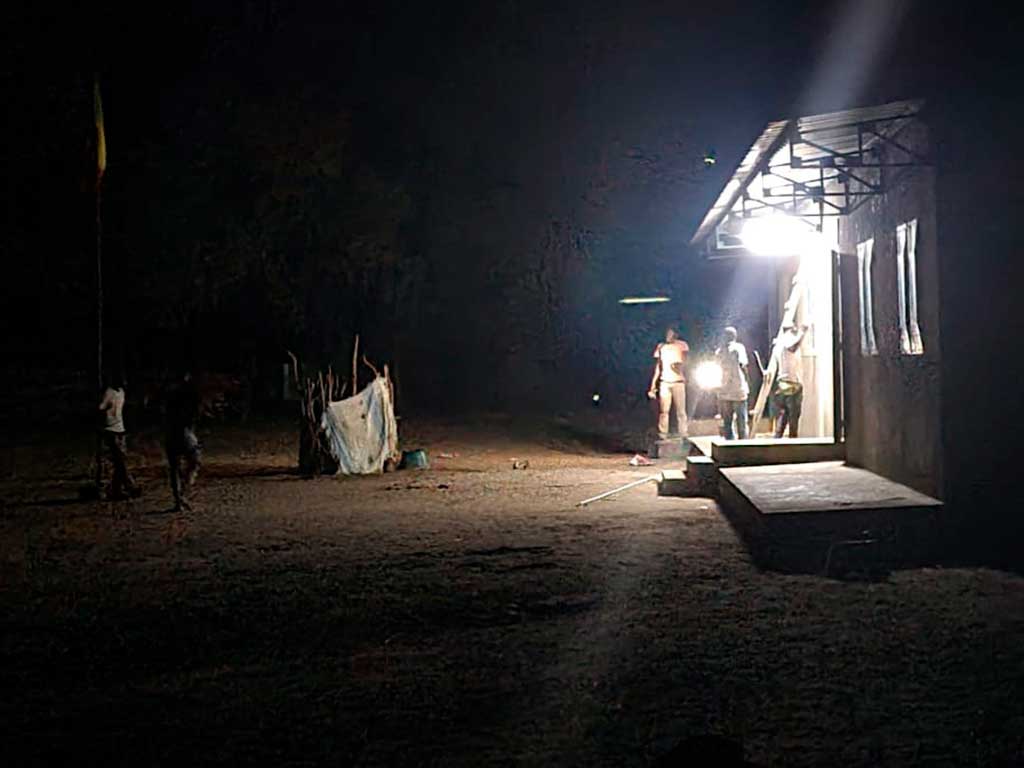
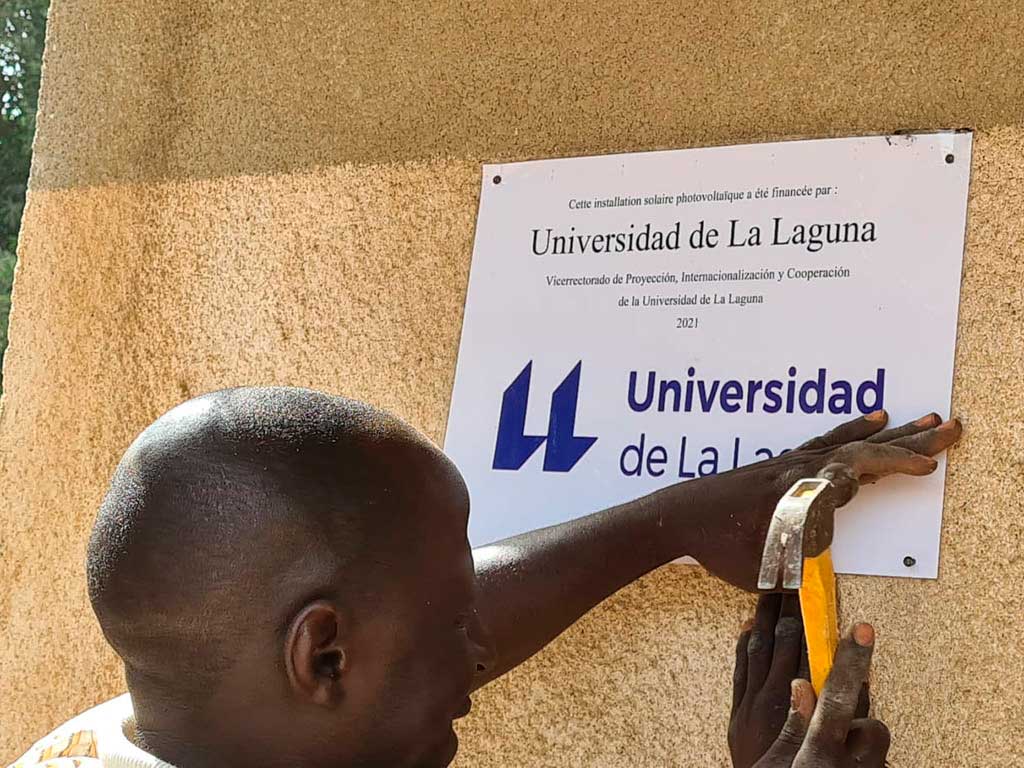
This is the fourth project in which students of the Bachelor's and Master's degrees in Physics have had the opportunity to present their final projects and master's thesis projects in the field of renewable energy, which, through small-scale installations, have a significant impact on the quality of life in rural areas in Senegal.
The designs were designed to meet the water and lighting needs of a crop area and a poultry farm in the Casamance region, both operated by women's cooperatives. Women also received training in facility maintenance from the local installation company. ULL students were able to collaborate.
with other students and professors from Assane Seck University in Ziguinchor, Senegal, the project's local partner.
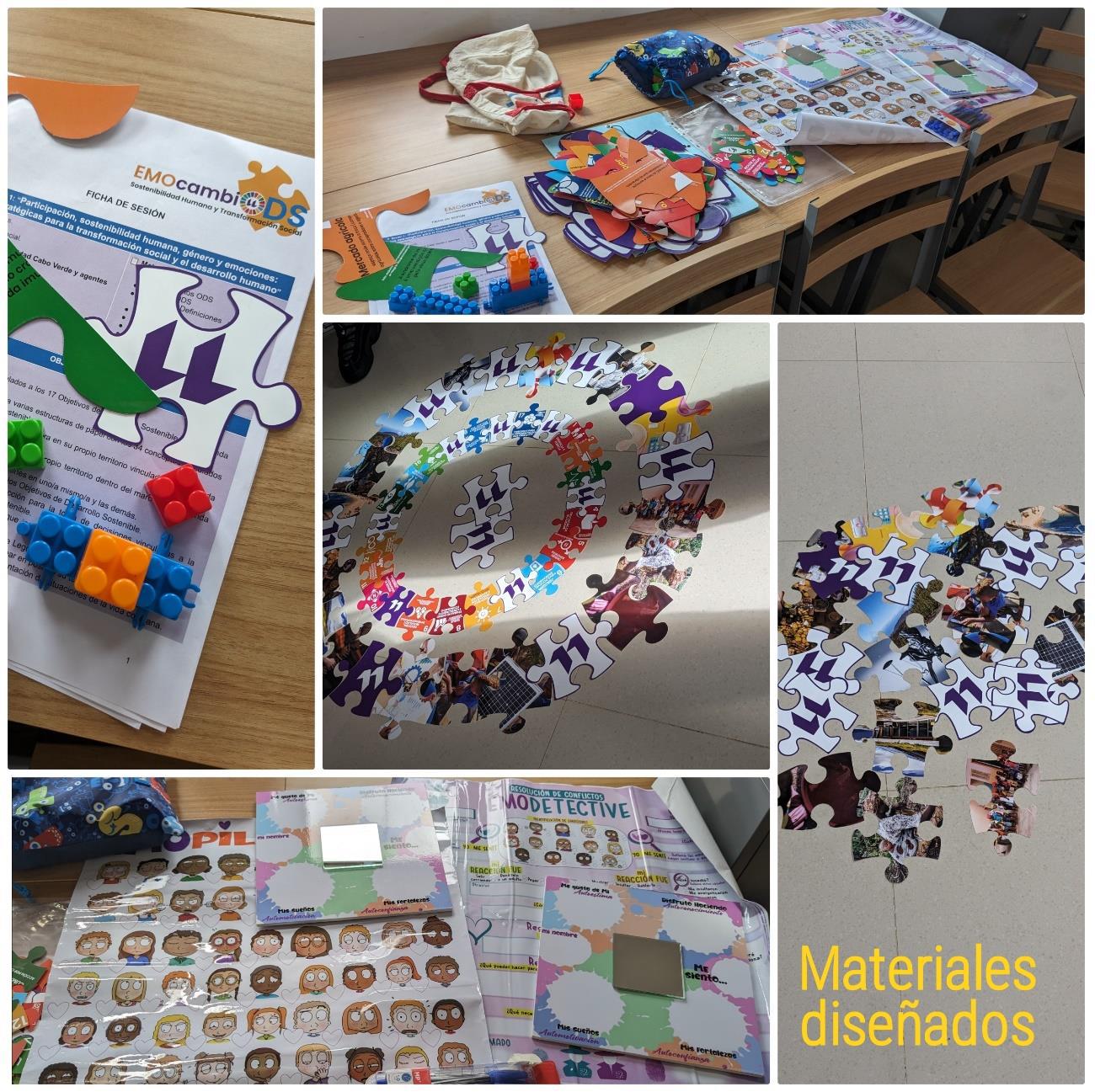
This project focuses on the dissemination of SDGs 4 (Quality Education), 5 (Gender Equality), 11 (Sustainable Cities and Communities) and 17 (Partnerships for the Goals), through the organization, both at the ULL and at Gaston Berger University, of training days, with the participation of Senegalese and Spanish teaching staff, aimed not only at students from both universities, but also at members of women's cooperatives and teachers from schools in Saint Louis, among which Hydrobase stands out, where the ULL financed, in 2021, an extensive renovation and inaugurated a School Center for practice and development of socio-educational and community intervention projects.
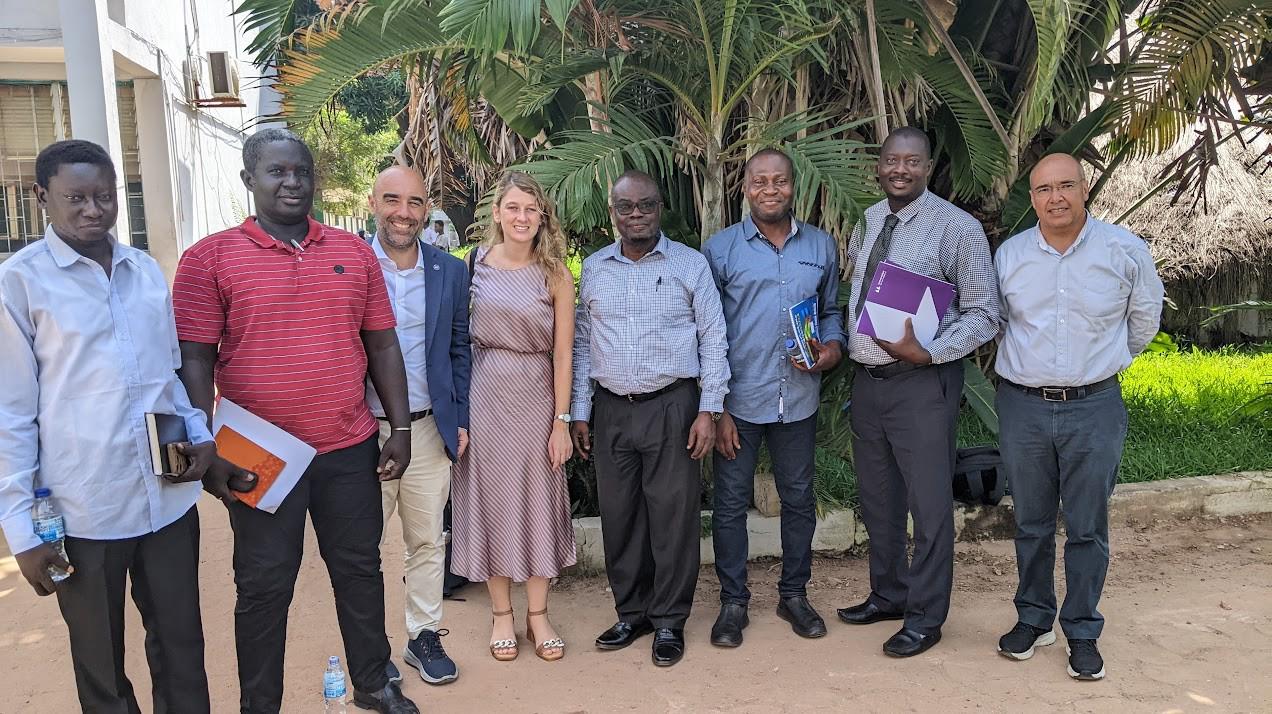
AVACO-Gambia focuses on promoting and seeking synergies between the ULL, the University of Gambia, the University of Applied Sciences, Engineering and Technology, and various local stakeholders, building on the contacts established and agreements signed as a result of the project funded in the previous call. Among the results of this project are the identification of academic areas of common interest, such as the participation of Gambian universities in the Erasmus+ program and the strengthening of doctoral training in that country. Furthermore, discussions were held and objectives were set for the implementation of gender equality initiatives at Gambian universities.