Viana Building
Viana Street 50.
Postal code 38201. San Cristobal de La Laguna.
Santa Cruz de Tenerife - Spain
Tel.(+34) 922 31 95 59
The KA2 Action, Cooperation between Organizations and Institutions – Erasmus+, is the second key action within the Erasmus+ programme's opportunities framework, promoting five main activities:

Partnerships for cooperation: to gain experience in international cooperation and consolidate their capabilities, but also to produce high-quality, tangible and innovative results.

Alliances for innovation: to strengthen Europe's innovation capacity in higher education, vocational education and training, business and other areas.

Capacity building (youth): to promote cooperation and exchanges, improve the quality and recognition of youth work, and support new mobility projects for non-formal learning in partner countries.

Erasmus Mundus design measures: Projects that support the design of high-level master's degree programs, jointly delivered by an international consortium of higher education institutions from different countries around the world.

Erasmus Mundus Joint Master's Degrees: high-level integrated study programs offered at the master's level.
The project "Artificial Intelligence Model to Enrich and Improve Mathematical Skills in Adolescent Students" (MathIA) has received significant funding from the competitive Erasmus+ international call for proposals. This ambitious three-year program, which will conclude in October 2026, represents a significant advance in the application of artificial intelligence in education.
A team of researchers from the University of La Laguna is actively involved in this project, comprised of four specialists in mathematics, four in physics and engineering, three in social sciences, and three in behavioral sciences. This group of experts collaborates with educational institutions across Europe in the development of MathIA.
The overall coordination is led by Ana Fuensanta Hernández of the University of Murcia, in conjunction with institutions such as the University of Pavia, the University of Madeira, Vicente Medina School, Mayco School, the Di Via Angelini Comprehensive Institute, and the University of La Laguna. In total, the consortium is comprised of eight institutions from Spain, Portugal, and Italy, all committed to innovation in mathematics teaching.
MathIA's fundamental objective is to improve academic performance in one of the subjects that students often struggle with the most: mathematics. Through the development of an artificial intelligence model, the project seeks to optimize adolescent learning by providing tools that foster a more personalized pedagogical approach. It also aims to promote equal opportunities and attention to diversity, with a special emphasis on raising awareness about high abilities, learning difficulties, and special educational needs.
The potential impact of this project on the educational community is considerable, as it will not only benefit students but also provide innovative tools for teachers, facilitating the transfer of knowledge to society. MathIA is based on an ethical and responsible application of artificial intelligence, with the aim of adapting teaching to the individual needs of each student, thus promoting more equitable and inclusive education.
As part of its initial actions, the team has developed an introductory training course in artificial intelligence for secondary school teachers, which began implementation in September 2025. In addition, a bank of teaching resources is being developed to facilitate lesson planning, promote learning in STEM areas, and help reduce test anxiety.
To achieve these objectives, the project is structured into five lines of work focused on the design and development of the AI model, its impact on math and STEM skills, as well as promoting equality and addressing diversity. The creation of three digital platforms is also planned: one dedicated to disseminating the project, another for teacher training, and a third that will host the database used to train the artificial intelligence system.
MathIA represents a significant advance in the intersection of technology and education, promoting an innovative approach tailored to student needs and establishing itself as a key initiative in the modernization of mathematics learning at the European level.

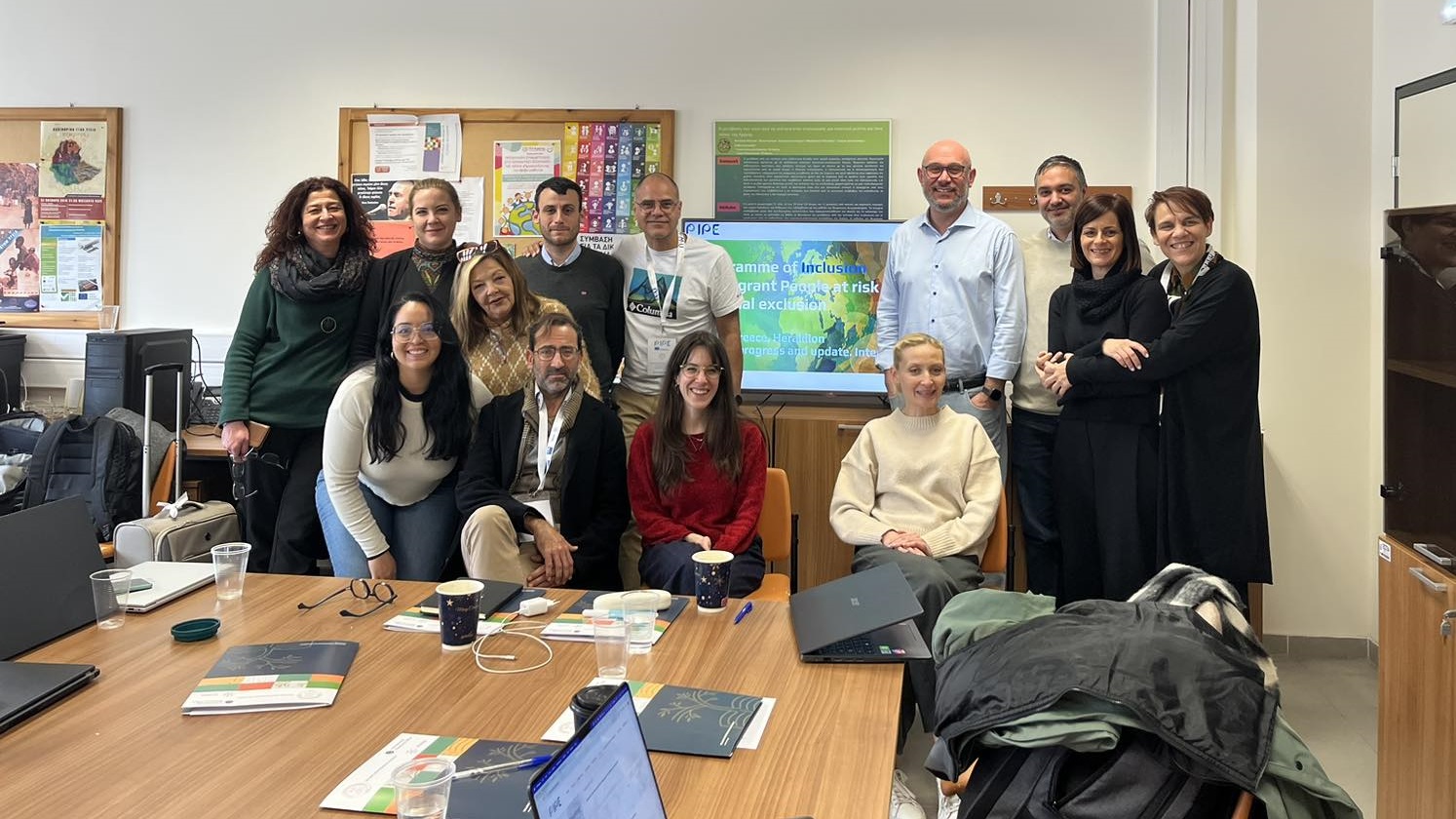
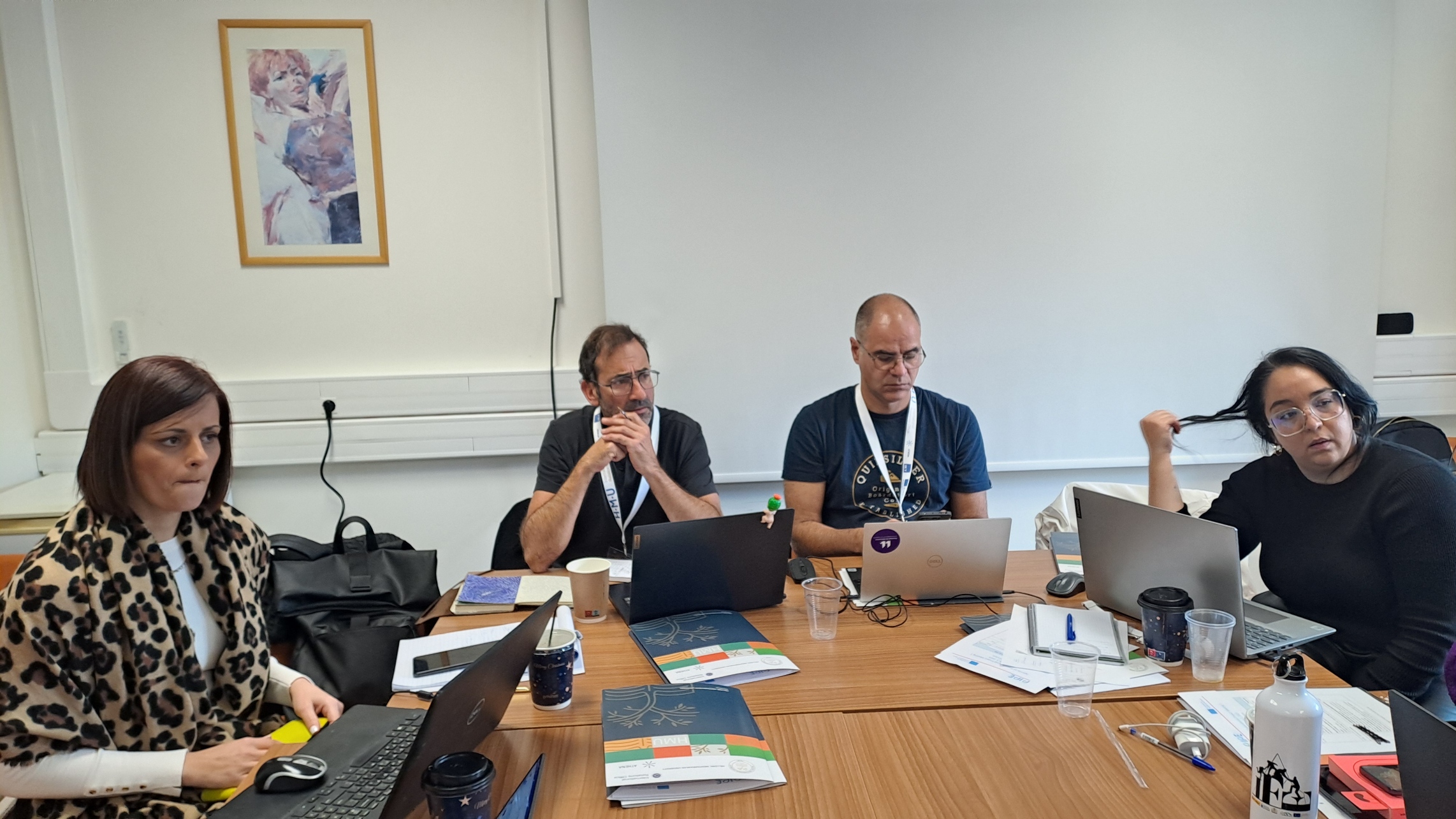
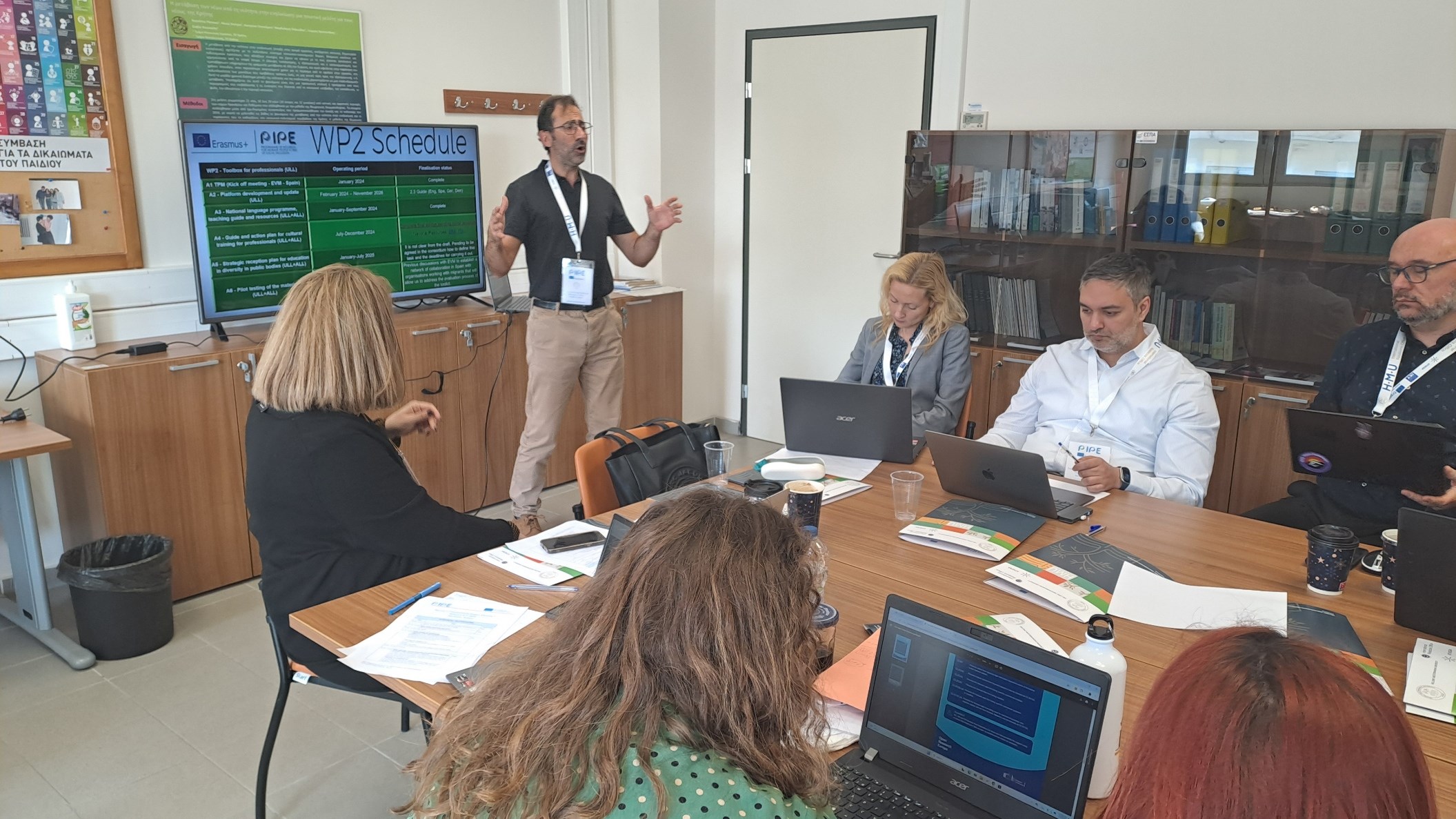
The critical pedagogy group PEDACRI of the ULL has been collaborating since 2023 in the Program for the inclusion of migrants at risk of exclusion (PIPE). Coordinates the design of a Toolkit for professionals, volunteers, and public institutions (WP2) working with, for, and by migrants.
Since the creation of an accessible interactive platform, the team of researchers at ULL has developed a Guide to teaching the national language to migrants, in six languages - you can access the Spanish version here.
A guide based on the principles of critical pedagogies, focusing on interculturality, the dialogue of knowledge, an ethic of hospitality, feminism, sustainability, and digitalization. It has also just concluded its Guide and action plan so that institutions, NGOs and associations can design training strategies based on the continuum of cultural competence, implementing principles of a pedagogy of hosting from the integration of an ethic of mestizaje. Currently, the PIPE toolbox is developing strategies to identify areas for improvement in diversity policies at different institutional levels, with the aim of connecting them with training resources. To this end, it has organized and categorized tailored and personalized resources for each user, contextualized in the countries and languages participating in the project. The pedagogical tools hosted in the PIPE toolbox will be tested, through workshops and colloquial talks. by institutions and professionals from Greece, Denmark, Italy, Germany, and Spain, in the coming months, with the aim of creating, with the participation of those who will be on the front lines of the reception processes, summative elements that reinforce inclusive policies in the European Union, in the face of hate speech and the emergence of nationalist movements.