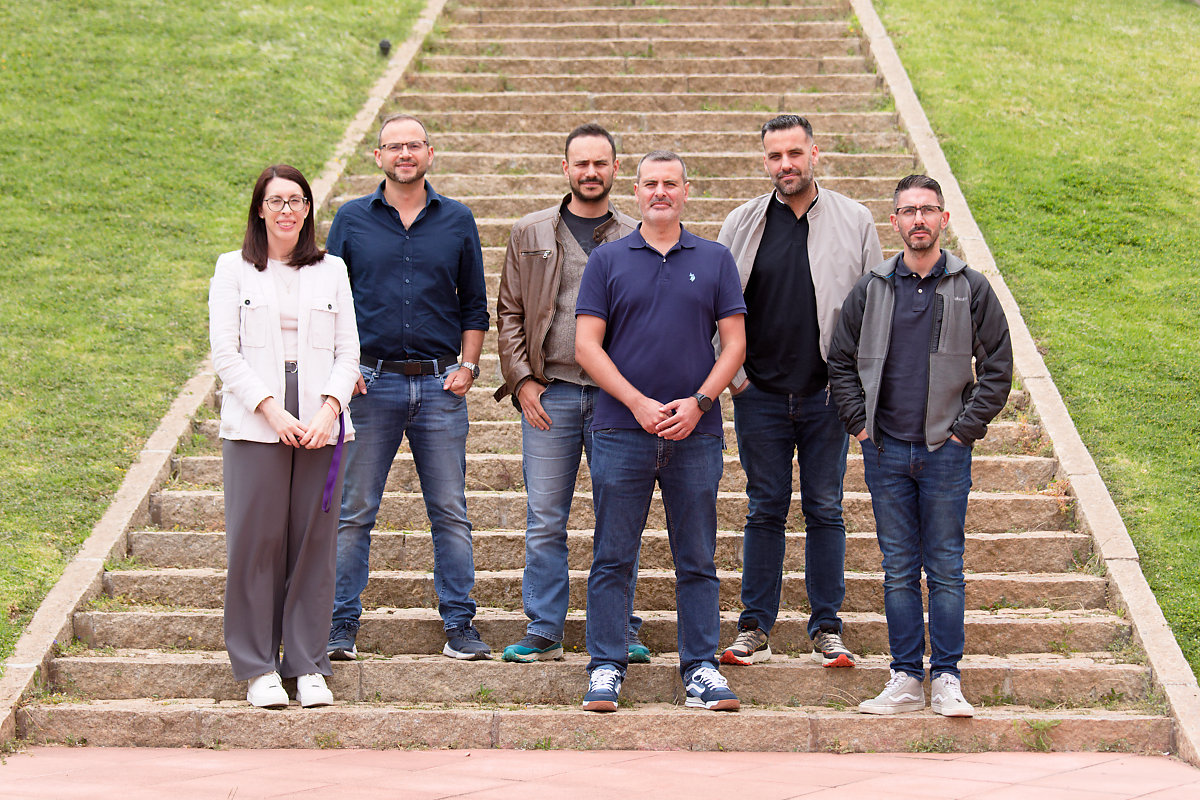
The Ramón y Cajal Program is a research program funded by the Ministry of Science, Innovation and Universities to attract and retain research talent, both national and international, in Spanish research centers. The University of La Laguna has 14 postdoctoral researchers on its staff who are part of this initiative, designed with the ultimate goal of facilitating the stabilization of research personnel within the Spanish science system.
Ramón y Cajal contracts typically last five years, during which time researchers can develop projects with stable funding. Currently, these projects cover diverse areas such as quantum technologies, improvements to agri-food analysis, and asteroseismology.
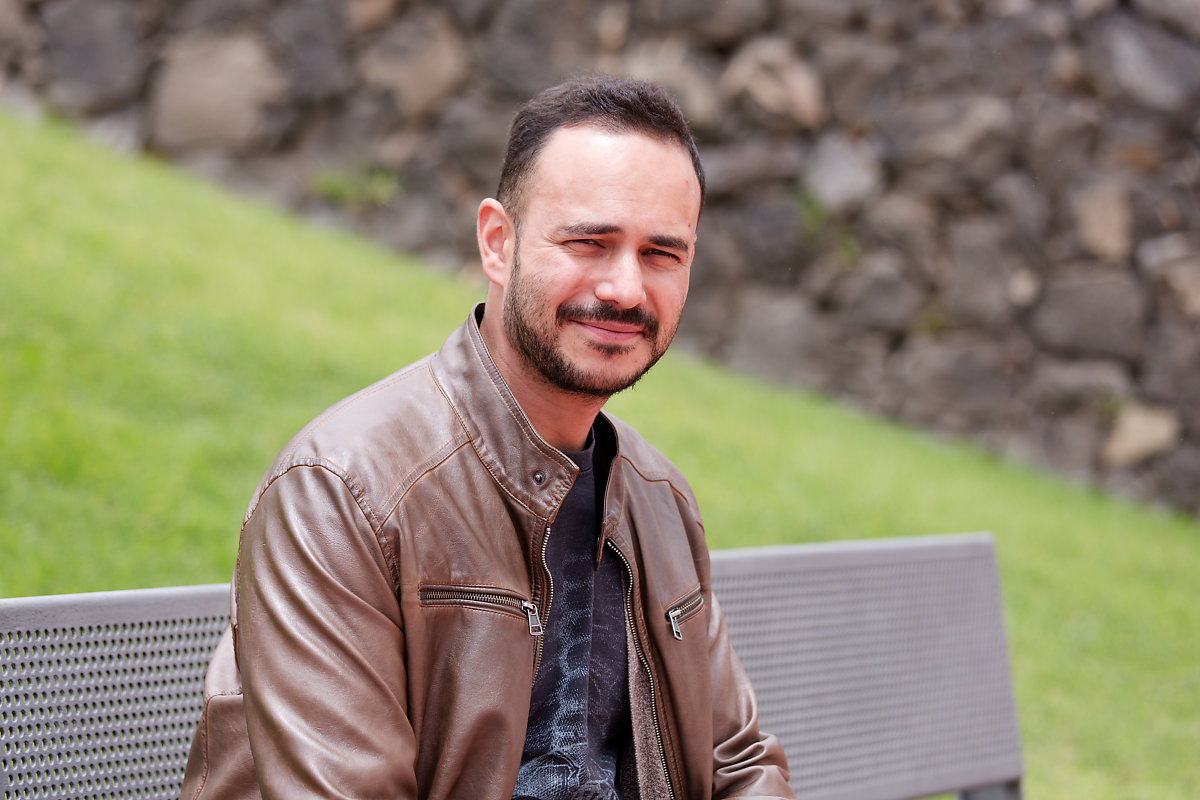
Luis Alberto Correa
Quantum technologies
The investigation of Luis Alberto Correa Marichal His work falls within the field of quantum technologies. Having earned his PhD from the University of La Laguna (ULL) in 2014, he currently works in the Microscopic Systems Physics group, part of the Applied Physics department, and at the University Institute for Advanced Studies in Atomic, Molecular and Photonic Physics, also at ULL. His research focuses, on the one hand, on studying how an individual quantum system interacts uncontrollably with its surroundings and, on the other hand, on attempting to describe these "open" quantum systems using the language of conventional thermodynamics, within the rapidly growing field of quantum thermodynamics.
On the other hand, the research team is working to establish the ultimate limits of temperature measurement precision through quantum information theory. The goal is to optimize the design of temperature measurement protocols in the laboratory, thereby achieving greater precision and reliability in thermometry at very low temperatures. This is fundamental for the development of new quantum technologies with potential applications in the development of new materials and drugs. According to Correa Marichal, the University of La Laguna's commitment to stabilizing its Ramón y Cajal researchers makes it possible to develop research lines with medium- and long-term objectives and to strategically plan for building an internationally competitive research group.
More sensitive and sustainable analysis methodologies
The line of research of María José Trujillo Rodríguez As a Ramón y Cajal researcher within the Materials for Chemical Analysis (MAT4LL) research group, she focuses on the
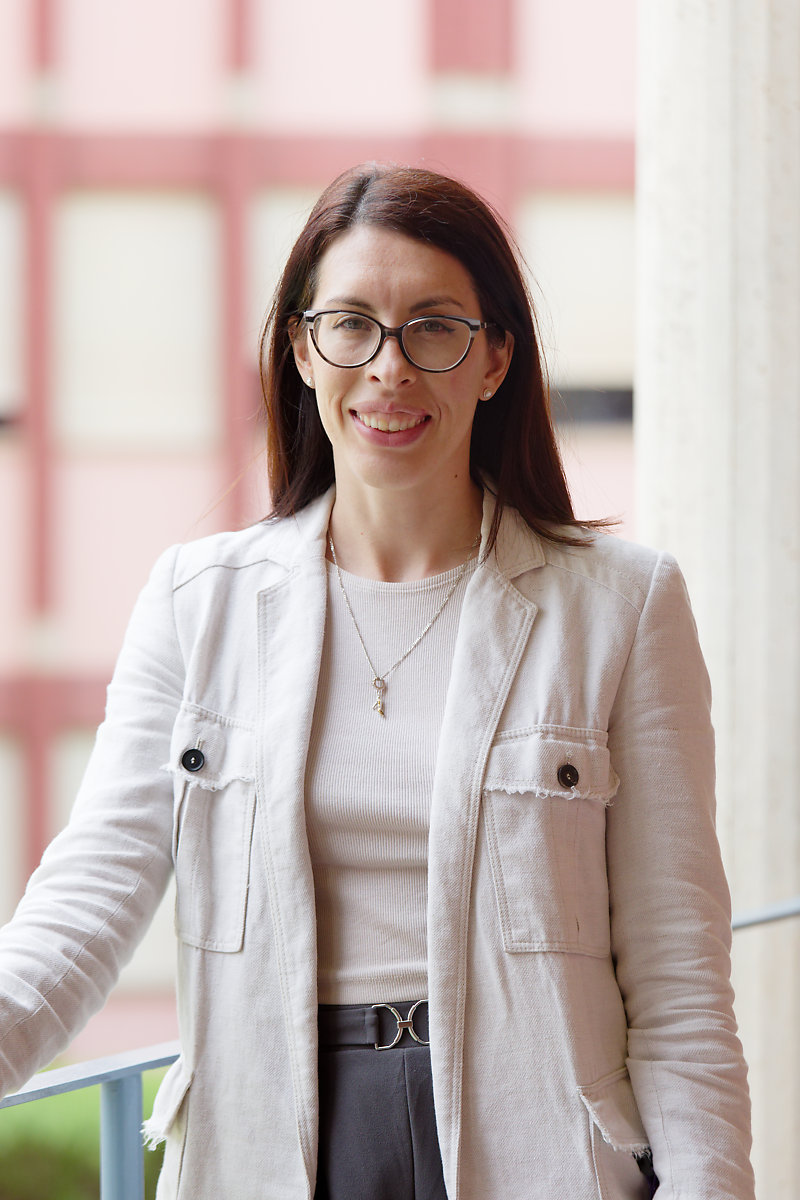
María José Trujillo.
The development of analytical methodologies relevant to the biological, environmental, and agri-food sectors. Their work involves developing simpler, faster, more economical, and environmentally friendly chemical analysis methods using microextraction techniques combined with chromatography. Furthermore, these methodologies are developed by implementing new, advanced materials, such as magnetic ionic liquids and metal-organic frameworks, which improve the method's sensitivity to smaller concentrations of biomarkers or contaminants.
For Trujillo Rodríguez, the Ramón y Cajal contract represents not only the opportunity to join a leading multidisciplinary group internationally recognized for its work in new materials and analytical microextraction, but also to contribute to the research and training of new generations at his alma mater. He emphasizes that the program is a particularly valuable opportunity in the early stages of a scientific career, when accessing funding can be especially difficult. Furthermore, he appreciates that the program fosters the development of a solid research curriculum through regular evaluations based on R3 criteria, with a view to potential tenure as a university professor.
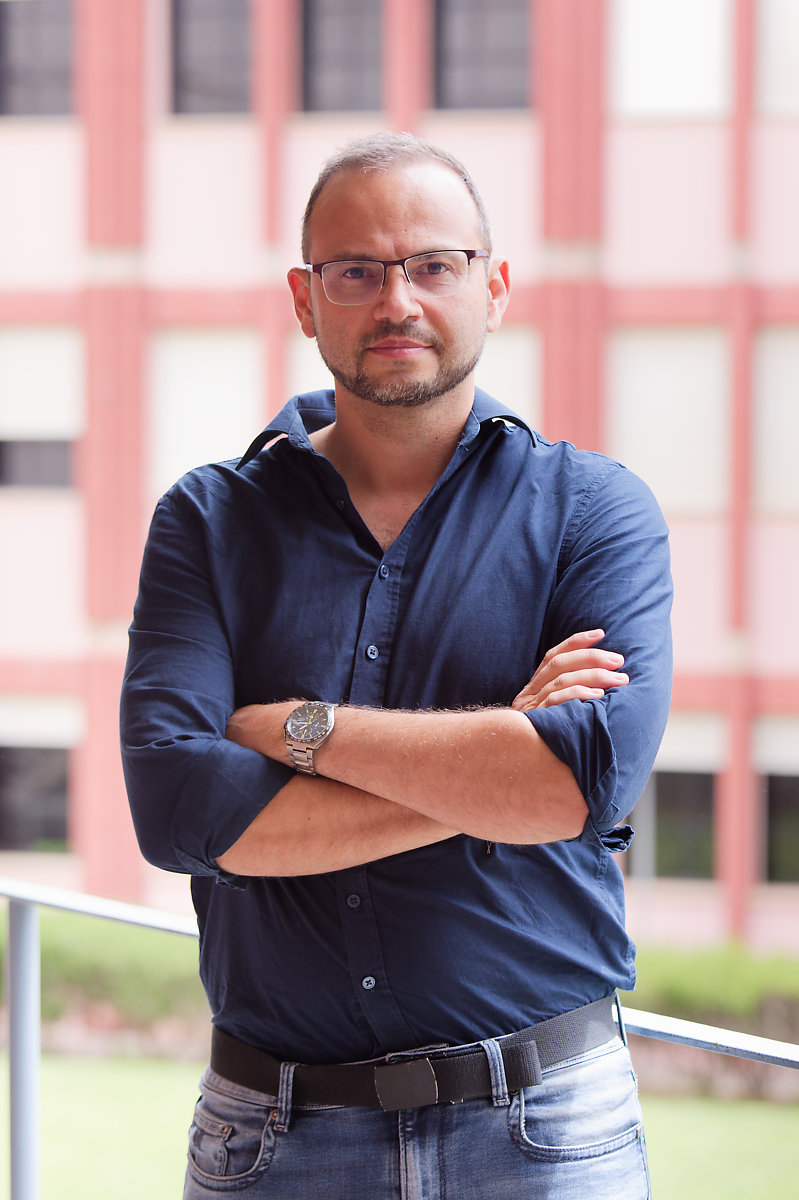
Paul Beck.
Calculating the age of stars
For Paul Beck, Beck, a researcher from Austria, has secured this type of postdoctoral contract to consolidate his research at the Instituto de Astrofísica de Canarias (IAC), where he had already been conducting research through the Juan de la Cierva program. He has joined the IAC's Solar and Stellar Seismology and Exoplanet Search group and particularly values the opportunity to mentor junior researchers at this international center of excellence. Through this program, he also had the opportunity to organize an international conference, the SONG global network meeting, held in 2024.
His research is based on stellar astrophysics, specifically on Sun-like stars and red giants in binary star systems. Through asteroseismology—the study of stellar oscillations to reconstruct their structure, similar to how terrestrial seismology studies the Earth's internal structure—he aims to improve the accuracy of techniques for determining properties such as the age of stars.
Complex mathematics and a teaching vocation
The mathematician Daniel Seco Forsnacke His research focuses on the intersection of complex analysis and operator theory, specifically on...
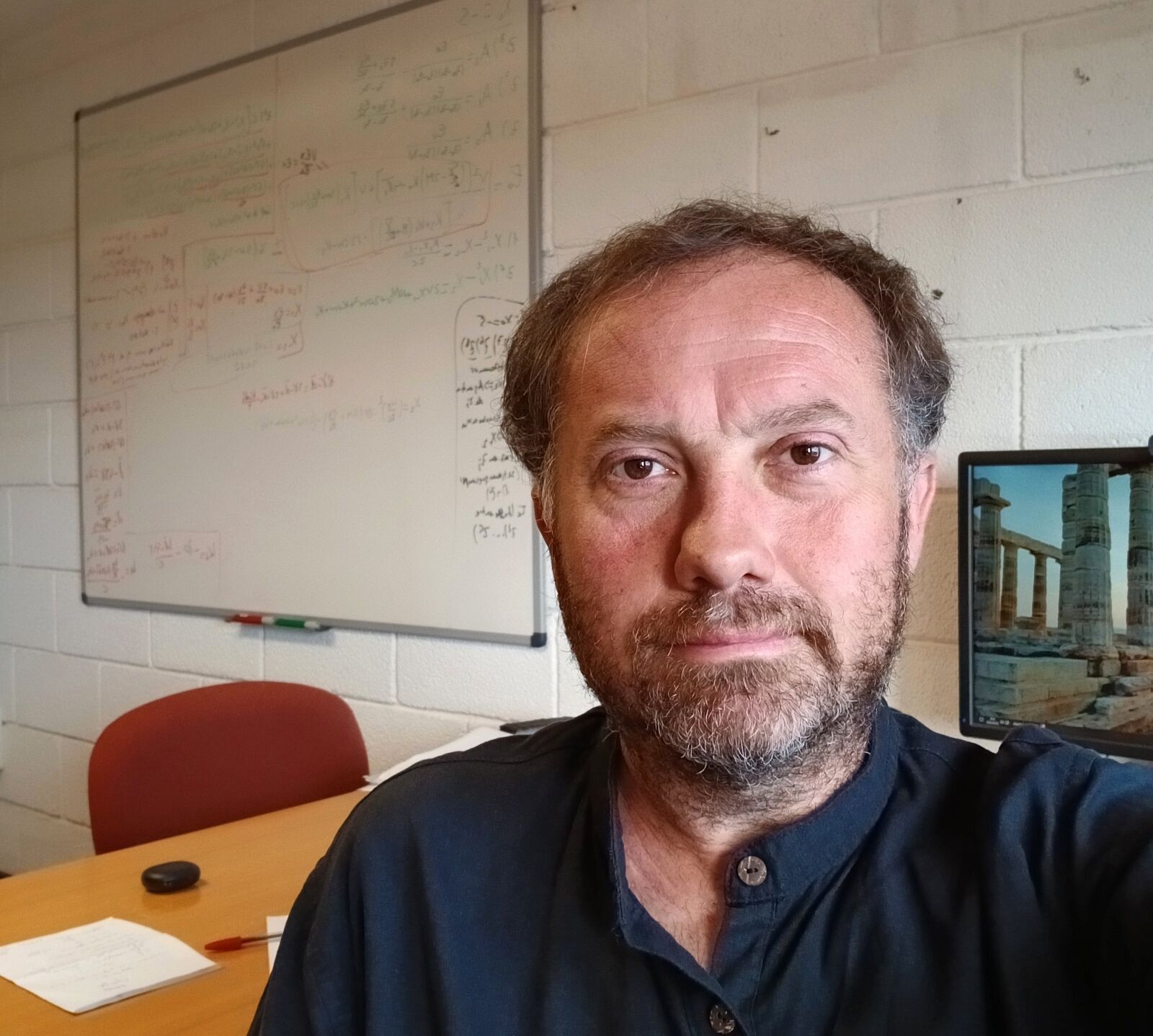
Daniel Seco Forsnacke
His study of analytic function spaces and their invariant subspaces for the shift operator was conducted through his project “Invariant Spaces and Approximation Theory.” It was the existence of the Complex Analysis, Operator Theory and Dynamics (ACOTADO) research group within the Department of Mathematical Analysis that led him to apply for the Ramón y Cajal program at the ULL.
In addition to being able to continue his high-level research, this excellent postdoctoral program attracted Seco Forsnacke because of the opportunity to teach undergraduate mathematics courses and supervise doctoral theses. His goal is to continue combining these two roles, for which he has already been accredited as a tenured professor, which he hopes will help him secure his future job security.
Understanding galaxies outside the Milky Way
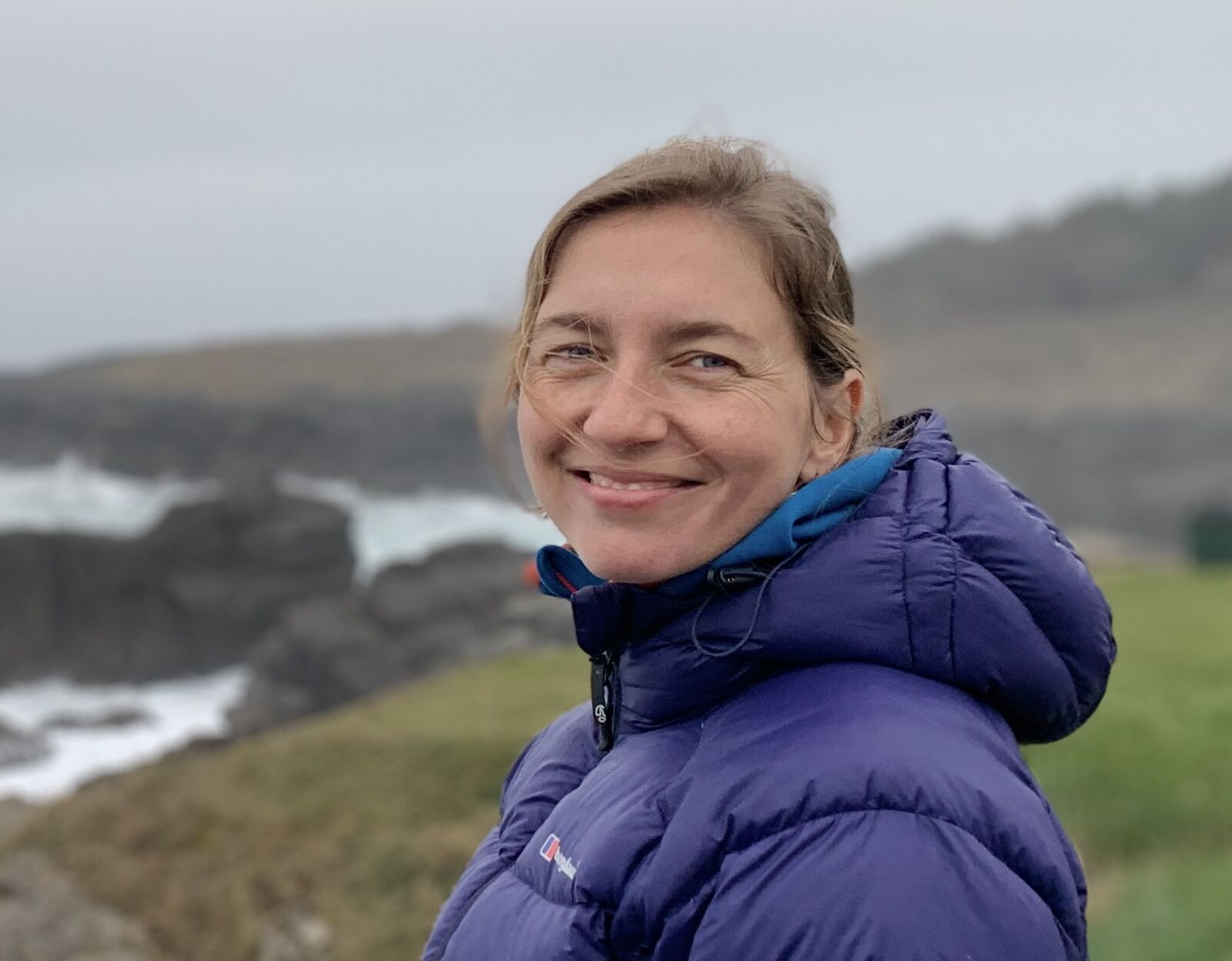
Adriana Lorenzo de Cáceres
Extragalactic astrophysics is the field of research in which the work of Adriana de Lorenzo-Cáceres Rodríguez. Within this study of galaxies outside the Milky Way, the postdoctoral researcher, associated with the IAC, is developing two main lines of research: the analysis of galaxies with star bars and the analysis of galaxies analogous to the Milky Way. To this end, she employs “extragalactic archaeology,” a technique that involves studying the properties of the stars that make up galaxies today to reconstruct the evolutionary history of complex systems like our Milky Way, using integral field spectroscopy data from nearby galaxies, photometric data, numerical simulations, and data from more distant galaxies.
When considering her motivations for applying to the Ramón y Cajal program, De Lorenzo highlights the importance of finding outstanding researchers with similar research interests within the Astrophysics Department at the University of La Laguna (ULL), recently established as the Cosmic Evolution of Milky WAY-like Galaxies (CEMWAY) research group. The researcher emphasizes that astrophysics in Tenerife is at the highest level both nationally and internationally, and she hopes that this postdoctoral program will allow her to continue promoting cutting-edge research and contribute to the training of young scientists.
The role of telomeres in aging and cancer
The investigation of Jonathan Barroso González It focuses on the study of alterations in telomeres, protective structures at the ends of chromosomes, and their influence on the
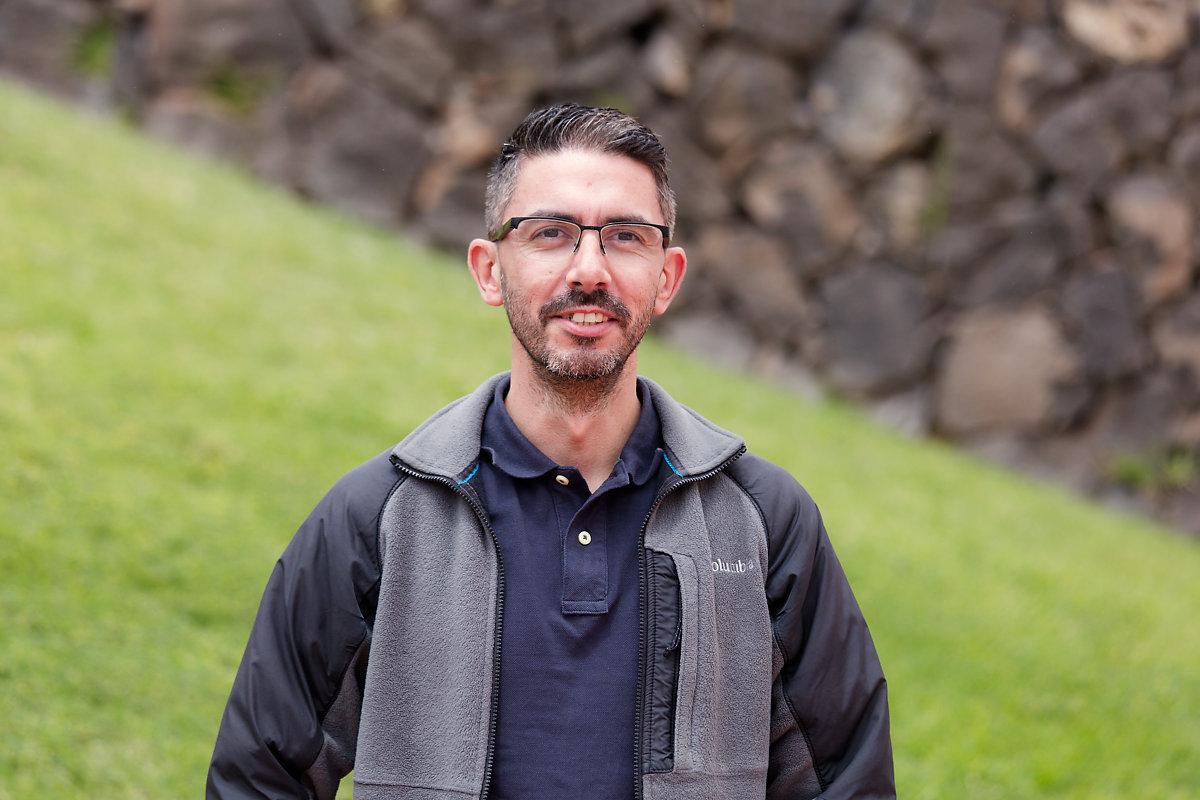
Jonathan Barroso
Cellular transformation, cancer, and other pathologies related to premature aging are studied. To understand how and why these changes occur, techniques related to genetics, molecular biology, and cell biology are used. Thus, their work is carried out in the Genetics area of the ULL, specifically within the group Molecular Basis of Neoplasms (MOLNEO), from which he leads the research line “Telomeric integrity in aging and cancer”, which is also integrated into the Institute of Biomedical Technologies (ITB).
For Barroso, the Ramón y Cajal program represents a unique opportunity to consolidate his research career, allowing him to establish his own independent lines of research with a future-oriented perspective. His goal is to consolidate a stable laboratory from which to continue advancing the understanding of diseases such as cancer or [unclear - possibly "the disease" or "the disease"].
premature aging, as well as contributing to the training of new researchers and establishing collaborative networks with other groups both within and outside of Spain, highlighting the work that is developed at the ULL in key areas such as biomedicine.
To better understand cellular protection systems
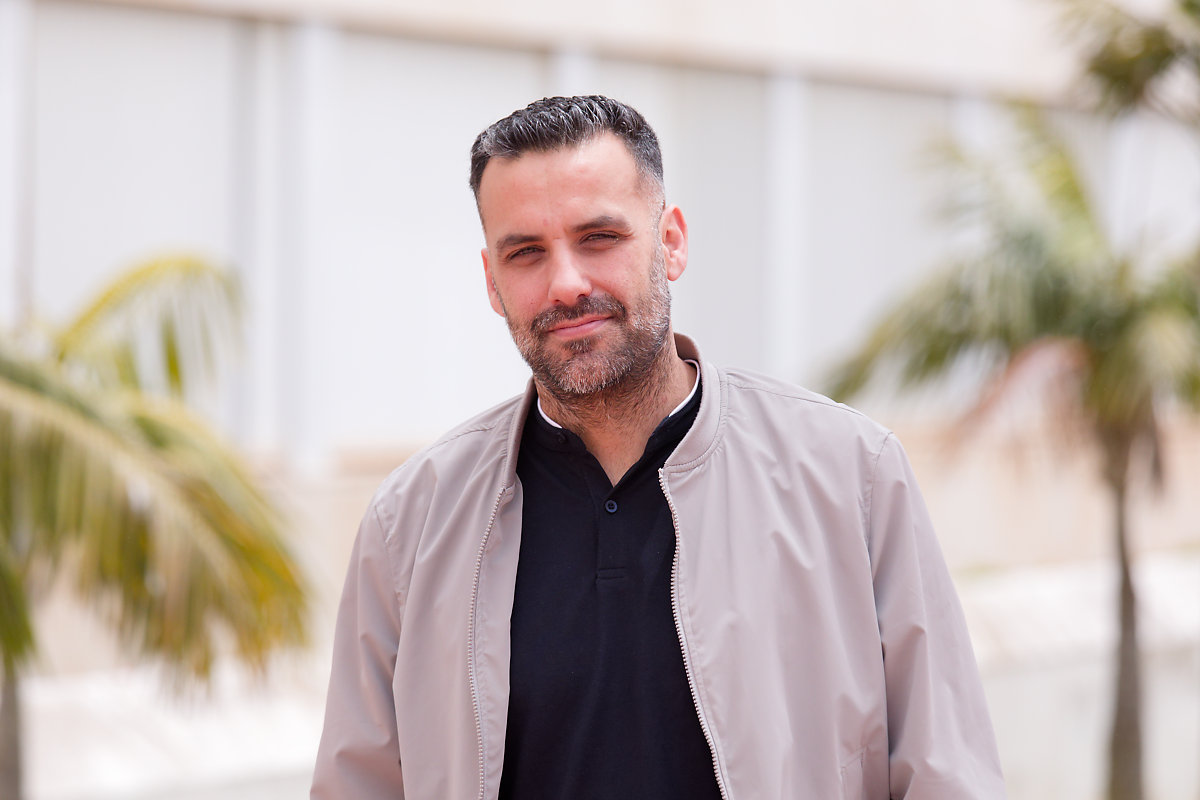
Jonay García
The objective of the research developed by Jonay García Luis At the University of La Laguna (ULL), the research focuses on the defense systems that cells activate to protect their genetic material against retrotransposons. Retrotransposons are fragments of DNA capable of copying themselves and inserting into new parts of the DNA, and their uncontrolled activation can disrupt the balance of the genome and contribute to the development of diseases such as cancer or neurodegenerative disorders. The project, led by this researcher within the Chromatin Metabolism (ChroMet) group at the ITB (Instituto Tecnológico de Barcelona), aims to analyze how cells detect and silence these retrotransposons to prevent them from causing damage. They are also studying what happens when these defense mechanisms fail, as occurs in certain types of cancer, with the goal of developing new strategies in the future to help prevent or treat diseases caused by DNA instability.
For García Luis, being able to dedicate himself each day to trying to answer these kinds of scientific questions is a profoundly motivating and rewarding experience. His future plans include continuing to actively contribute to the advancement of scientific knowledge and to society, and continuing his research work at the University of La Laguna (ULL).
Seeking answers in solar physics
For Sergio Javier González Manrique, The Ramón y Cajal contract represents a key opportunity to consolidate his scientific career and develop his own line of research in physics.
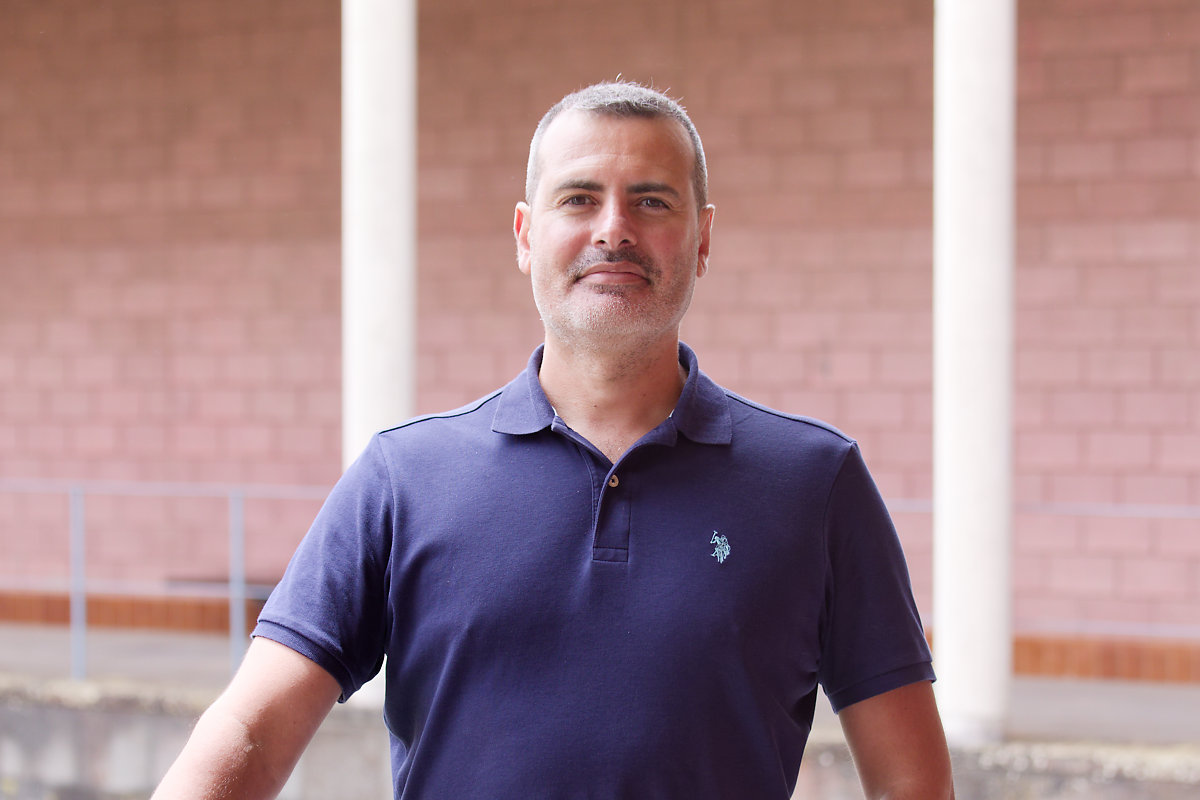
Sergio Javier González
A solar physicist based in the Canary Islands with an international reach, her research focuses on the study of the Sun, specifically the physics of its lower atmosphere—the photosphere and chromosphere—analyzing dynamic and magnetic phenomena such as filamentary structures and solar flares. These processes are closely related to one of the great mysteries of current solar physics: understanding why the solar corona reaches such high temperatures, far exceeding those of the inner layers. This is a question of particular relevance not only for astrophysics but also for better understanding how solar activity can influence Earth's space environment.
This research is being conducted within the solar group of the Department of Astrophysics at the University of La Laguna (ULL), in close collaboration with the Solar Physics research group at the IAC (Instituto de Astrofísica de Canarias). González also actively collaborates on the development of scientific instrumentation in coordination with the Leibniz Institute for Solar Physics (KIS, Germany) and is actively involved in the preparation of the future European Solar Telescope (EST), working on drafting the scientific operations plan document that this telescope will carry out when it becomes operational.
Exploring fluid behavior through mathematics
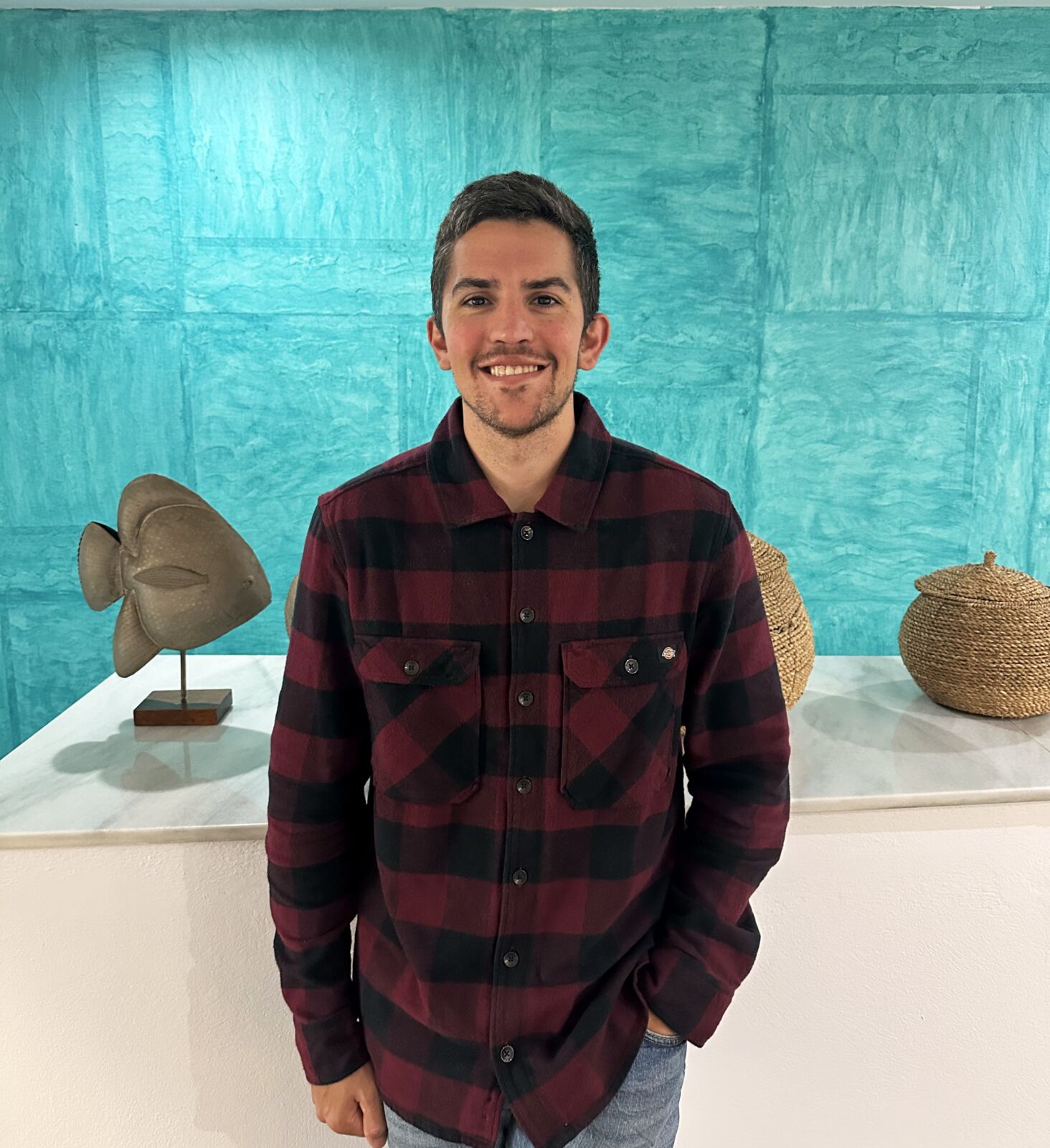
Diego Alonso Orán. Photo provided.
The investigation of Diego Alonso Orán It focuses on fluid dynamics, a branch of partial differential equations that allows for the modeling of complex physical phenomena. In particular, it studies the properties of certain equations derived from mathematical physics that are key to modeling phenomena of diverse nature, such as the evolution of temperature fronts, the movement of ocean waves, or more complicated phenomena like the evolution of plasma in the solar corona. Unlike other approaches within applied mathematics, its work takes a more theoretical approach, seeking to understand the structure of the solutions in depth, beyond their immediate application.
After 10 years of research outside the Canary Islands, Alonso appreciates the opportunity this program offers him to return to his work at the University of La Laguna (ULL) and focus on his research for five years, while also contributing to the research work of the Department of Mathematical Analysis. His goal is to continue progressing towards a tenured professorship, enjoying the process without losing sight of his scientific vocation.
Emerging technologies applied to everyday solutions
The engineer Julio Francisco Rufo Torres It investigates the design, development, and implementation of intelligent systems based on communication technologies.
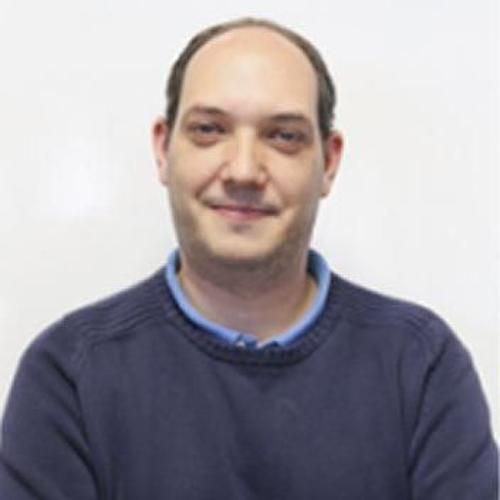
Julio Francisco Rufo Torres. Photo provided.
Emerging technologies, specifically those related to Unguided Optical Communications (OWC) and the Internet of Things (IoT), are the focus of this research. Their main objective is to explore new ways of transmitting and processing information in environments where traditional technologies have limitations, such as underwater applications, industrial settings, and smart cities. More specifically, they work on integrating unguided optical communication systems with cameras as receivers (OCC) and Visible Light Communication (VLC) with IoT architectures, aiming to optimize performance, energy efficiency, and data security.
The research, which Rufo is conducting within the Electronic Systems and Unguided Optical Communications (CCPANDTA) group, has an applied focus. Therefore, specific use cases, such as environmental monitoring, logistics management, and access control systems, are also being evaluated to validate the viability and scalability of the proposed solutions. The Ramón y Cajal program has given him the opportunity to integrate into an academic environment with established research groups and actively participate in projects with scientific, technological, and social impact.

 Spanish
 English
 French