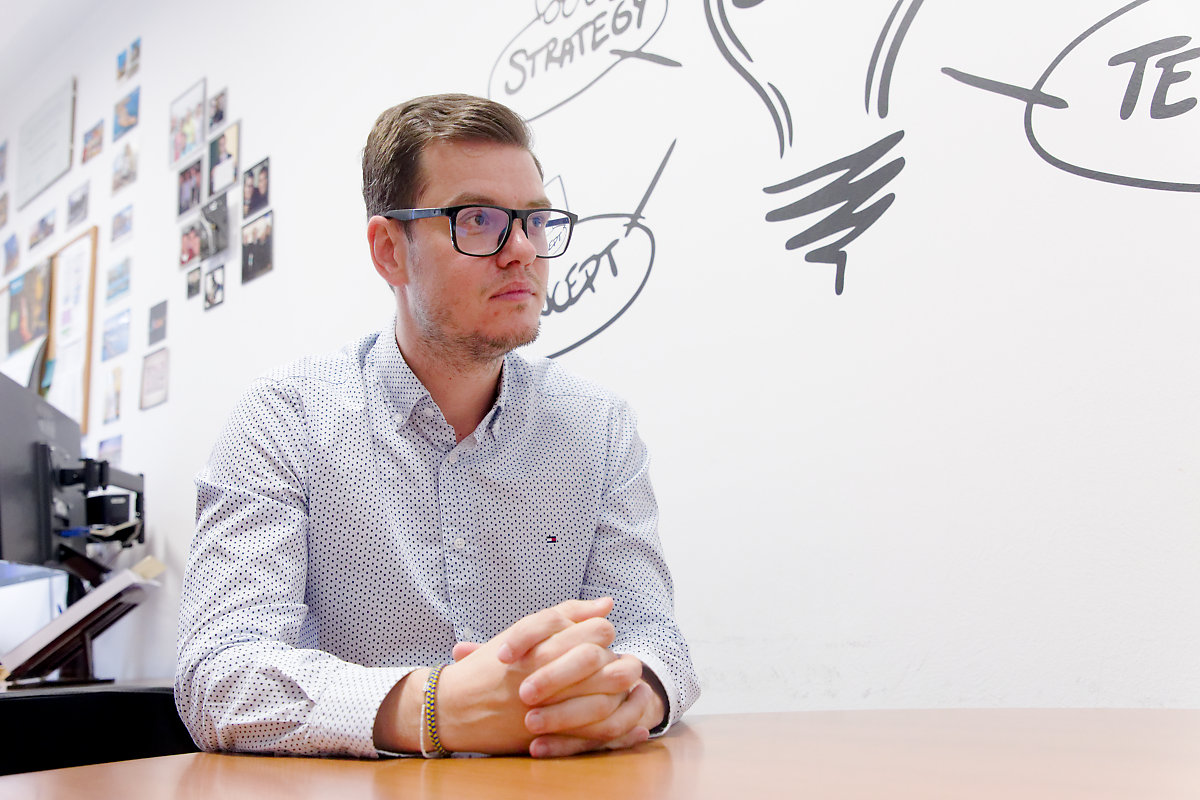
Sometimes, passions and vocations don't arrive as sudden revelations, but rather incubate on the margins of everyday life. In the case of David López Aguilar, As a tenured professor in the Department of Didactics and Educational Research at the University of La Laguna, learning and teaching were not late discoveries, but rather early affinities that found their way over time. “I have always enjoyed learning, but also sharing what I know; this has always been the case since I was little. I remember that even in school I shared what little I knew with my classmates.”.
His entry into the world of education was gradual, almost organic. Music, which he studied since childhood, led him to pursue a degree in Music Education upon entering university. But it was in the field of educational psychology where he found his true calling: guidance and support. From then on, he began to see with new eyes that invisible part of the teaching and learning process: life transitions, fears, doubts, study tools, and challenging family environments.
Therefore, she has focused her research career on understanding and improving students' adaptation to the university environment. She has studied educational transitions, the development of adaptability skills, and the factors that influence students dropping out of or continuing their higher education. She has also worked with students with dual career paths, especially elite athletes, to contribute to their academic and professional development. She is also part of research teams involved in regional and state projects that aim for a more inclusive, critical, and transformative university.
His work with elite athletes was one of the most significant settings for applying this approach. At a time when the University of La Laguna was promoting a pioneering mentoring program, López Aguilar dedicated himself to researching how to provide academic and emotional support to students who, by representing the country in regional, national, and international championships, faced high athletic and academic demands. “I was very drawn to their philosophy of life, and I was also concerned about what would happen to them after their athletic careers ended,” he explains.
She conducted a large-scale study, contacting sports federations throughout Spain and surveying and interviewing a diverse range of people. The results confirmed her suspicions: many athletes don't plan for their retirement and, losing their competitive focus, find themselves adrift. "Some even said, 'What do I do with my life now?'" she recounts. Another group of athletes, however, had learned to balance their sporting careers with academic pursuits and a more stable, long-term life plan.
The program that he promoted together with Pedro Álvarez, tenured professor in his own department, called University Tutoring for High-Level Athletes (TUDAN), achieved a milestone: the official recognition of the right of High Level Athlete students to have personalized guidance and tutoring within the university context.
 Transitions in university life
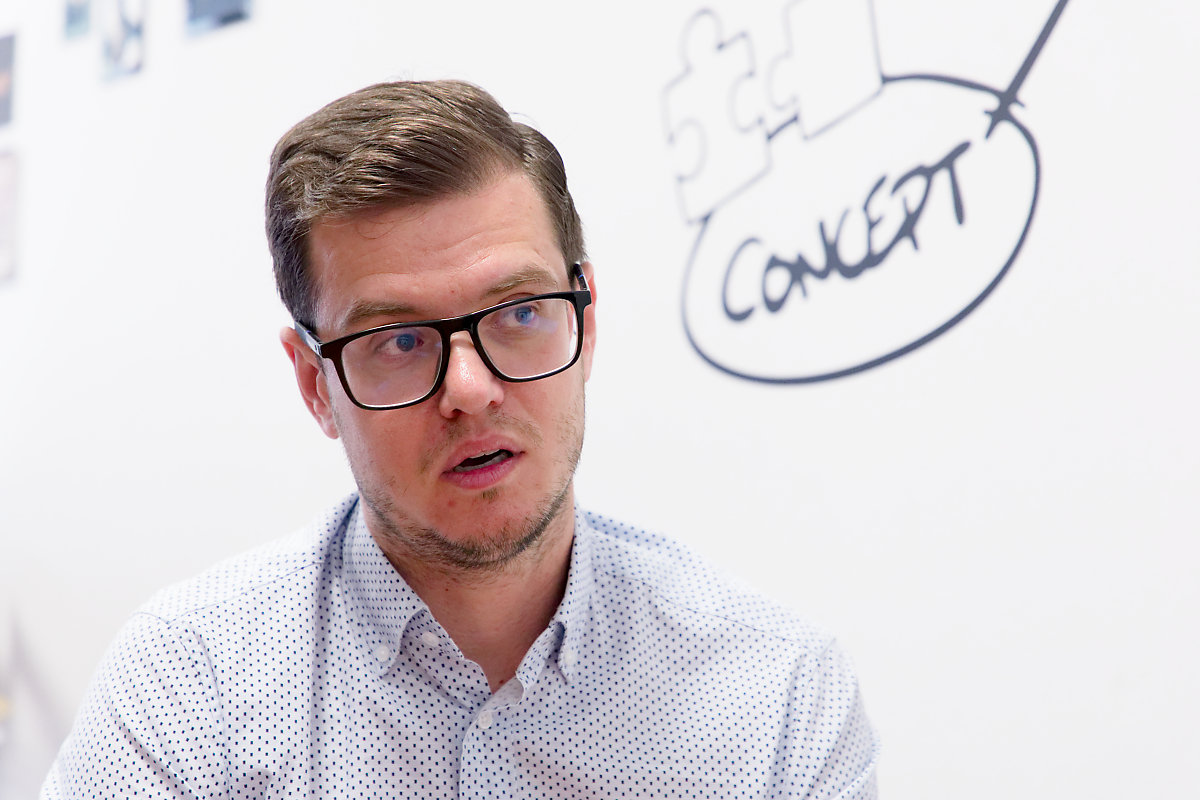
Another aspect that concerns López Aguilar has to do with the transition processes to the university teaching context. “We must continue working and refining how to design an appropriate process that prepares students to enter university classrooms.” Academic transitions are, in fact, a line of research that he is carrying out together with the University Group for Integrated Training and Guidance (GUFOI) in which he participates as a researcher.
For him, another weakness of the system is delegating all the responsibility for change to the students, who are assumed to arrive at university with adaptability skills, established competencies, and no need for support. “I’ve realized that students change. They aren’t the same as they were ten years ago,” he maintains. As an example, he mentions that at the beginning of his teaching career, his students were almost his peers, but today, connecting with them requires extra effort. Therefore, he emphasizes the need for faculty to be trained in methodological strategies that allow them to reach students.
“In any case, there has been a substantial and positive change in recent times with the incorporation of active learning methodologies into the classroom.” His proposal is neither superficial nor opportunistic: it is not about adapting to a supposed “TikTok generation,” but about understanding the cognitive, academic, and social dynamics that govern the lives of young people entering university today.
“At the University of La Laguna, we have been trying to take action for many years. We began the process more than two decades ago.” Tutorial and Guidance Action Programs, "This is especially important for first-year students, because it's been known since the 70s and 80s that the first year is crucial for adaptation and academic socialization. That's why first-year students are assigned a tutor and also a senior student as a peer tutor—someone close to them and a role model from their own degree program. Even so, the problem persists, because ultimately these programs aren't mandatory, and those who attend are often not the ones who need them most, but rather those who are already well-adjusted and prepared," the professor points out.
One of the most enriching projects was ‘'University students for a day'’, “Remember,” she recalls. “Students from high schools who wanted to pursue university studies at the faculty would come to us. Once at the university, they would experience what it’s like to be a higher education student: they would attend classes, participate in tutorials, learn about different university services, and so on. “Ultimately, we were looking for a hands-on experience that would motivate and help with socialization and academic decision-making, and, in the future, facilitate the transition to university,” she emphasizes.
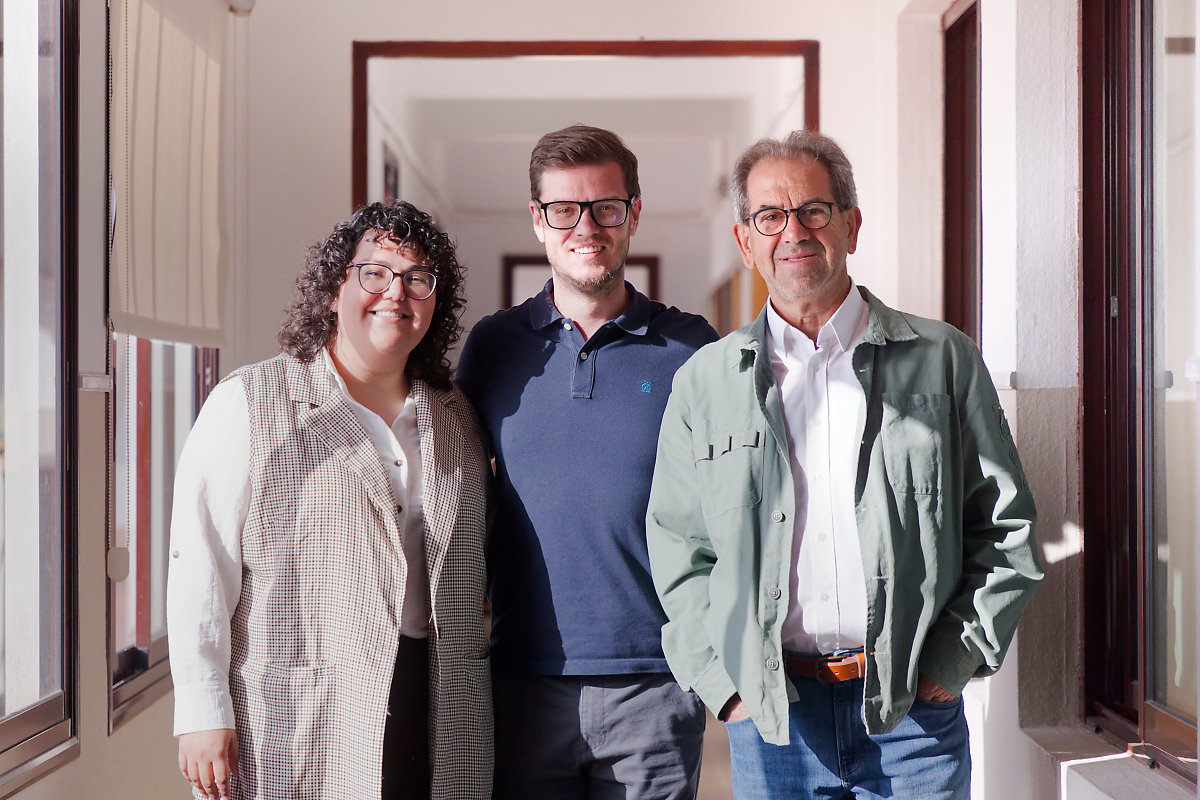
López, along with Nicole González and Pedro Álvarez.
University dropout
Regarding students dropping out, there is another phenomenon to consider: those who change their degree program within the university or transfer to other academic institutions. “Sometimes we think they’ve dropped out, but no: they’ve simply continued their studies in a different environment and are doing well, completing their degrees. The problem is that we lack tracking, hence the importance of developing a system that helps us monitor these students,” the professor explains.
In their research group, which has been working extensively on the phenomenon of university academic dropout, they have been immersed in identifying different variables that explain the interruption of studies: academic commitment, academic satisfaction, sense of belonging, resilience, self-efficacy, self-regulation of learning and academic performance, among others.
At this time, the team led by Professor Pedro Álvarez and in which he also participates Nicole Gonzalez, They have designed a system for the early detection of academic dropout. Through data mining procedures and with university statistics and information collected through questionnaires, the team has analyzed and studied those who actually dropped out—not intentionally, but through actual dropout—and with this information has built a predictive model.
During the 2022-23 academic year, they applied this model to university students enrolled in real time. Using the data, they identified those who fit risk profiles and grouped them into four quartiles, the first of which represented the highest risk of dropping out. Based on this, they designed personalized guidance and mentoring programs. “We want to create a broader intervention program and evaluate its impact. We would like these types of initiatives to become institutionalized, given their significant impact on students, but also on Canarian society in particular.”.
The “silent student”
One aspect that López Aguilar highlights is the inertia that sometimes exists within the university system. “We say it’s important for students to come to class for continuous assessment, and therefore we record attendance and students have to sign in to confirm they’re here.” In his view, “classes should offer added value through the teaching methodologies employed, encouraging students to attend voluntarily because they know their active participation significantly contributes to their learning process and their future professional development.”.
And, in this sense, he points out that physical presence does not guarantee students' academic success. “We have recently studied what we have termed as Phantom Effect, The silent student: a student who sits in the classroom but is not engaged with the lessons being taught.” What he proposes, essentially, is a silent revolution: a university that doesn't cling to the classroom as a refuge, but rather dares to rethink itself. “More dynamic classes, simpler and more accessible resources and materials, and above all, making the student a participant in the process,” he summarizes.
AI and education
Regarding Artificial Intelligence, David points out that “the biggest problem is the fear we may have of a new tool, especially a powerful one in this case. As teachers, our fear of change and the unknown is natural. But this type of resource isn't new. There were other applications before, like Encarta, the arrival of the internet, or even the encyclopedias our grandparents had on their shelves. The resource has changed, but the logic is similar. The difference is that now we have a virtual assistant that responds immediately and naturally. And that has generated some fear; undoubtedly, we are facing a significant change, like the arrival of the internet itself, and we have to adapt.”.
In this regard, López Aguilar argues that more training time should be dedicated to teaching students how to apply the theoretical knowledge covered in the classroom. Artificial intelligence can be a great ally in this. But achieving this also presents a significant challenge: fostering critical thinking among students and teaching them to validate information, curate content, and distinguish reliable from dubious sources. And this requires training.
 Continuing education focused on values
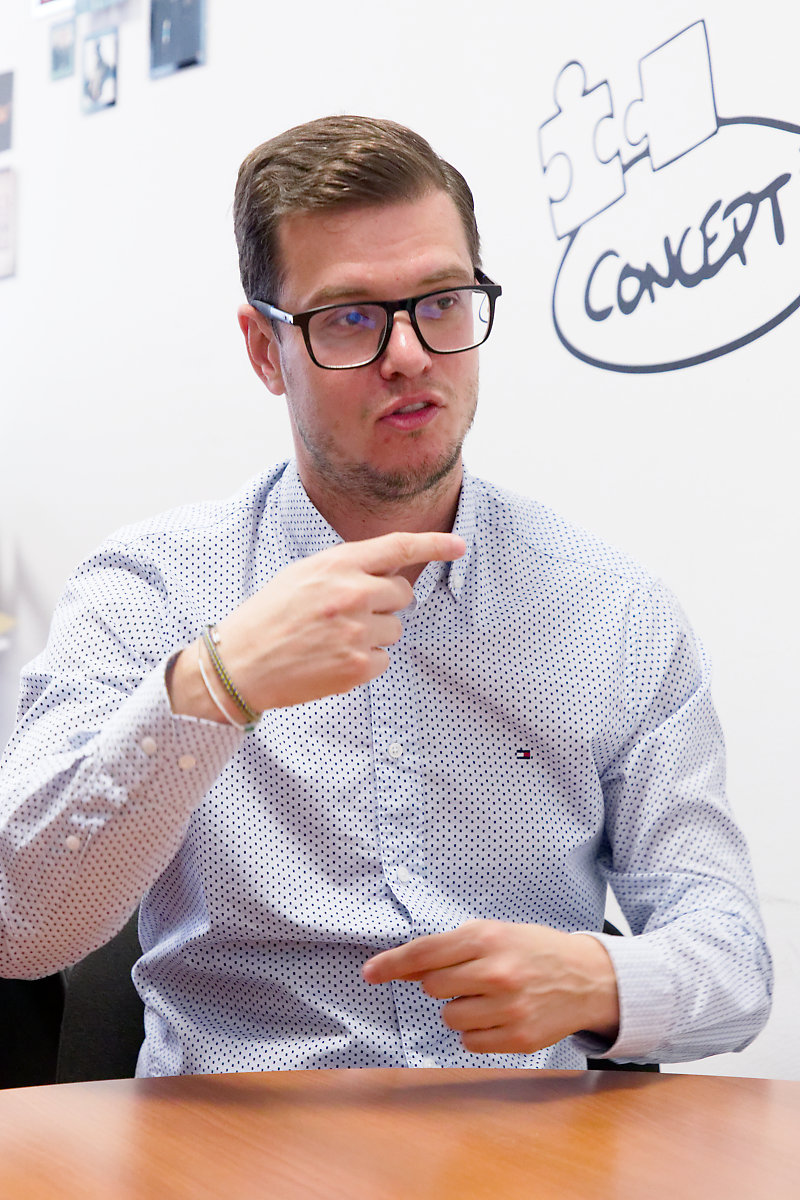
“We mustn’t overlook the importance of education based on more human values,” the teacher and researcher points out. “What I mean is that, yes, the knowledge and skills we impart are undoubtedly important and essential for professional performance. But it’s also necessary to educate people with values and ethics. I’ve always believed that the most important thing in life is to be a good person, and I repeat it often: being a good person is a fundamental skill.”.
From there, he explains that education, whether professional, technical, or university-level, opens doors, but it isn't everything. “Success isn't always about having many degrees, but about having good ideas, a positive attitude, commitment, loyalty, and leaving a good impression on others. If you're someone people enjoy working with, they'll want you to stay, and companies and institutions will want to help you,” the professor states.
Throughout this conversation, López Aguilar reflected on educational guidance, applied research in the university setting, and the importance of support throughout students' academic journeys. His testimony not only demonstrates a solid professional career but also a firm commitment to teamwork, which he develops primarily with Pedro Álvarez and Nicole González. He currently participates in networks and reference groups such as RIPO (Interuniversity Network of Guidance Teachers) y AIDIPE (Interuniversity Association for Pedagogical Research), in addition to the aforementioned GUFOI and the GICA innovation group, focused on student learning skills.
Their joint work exemplifies academic collaboration aimed at the continuous improvement of educational processes. “Teaching is not just about transmitting knowledge; it’s about being there for others during key moments. That also transforms lives.”.
Communications Office

 Spanish
 English
 French