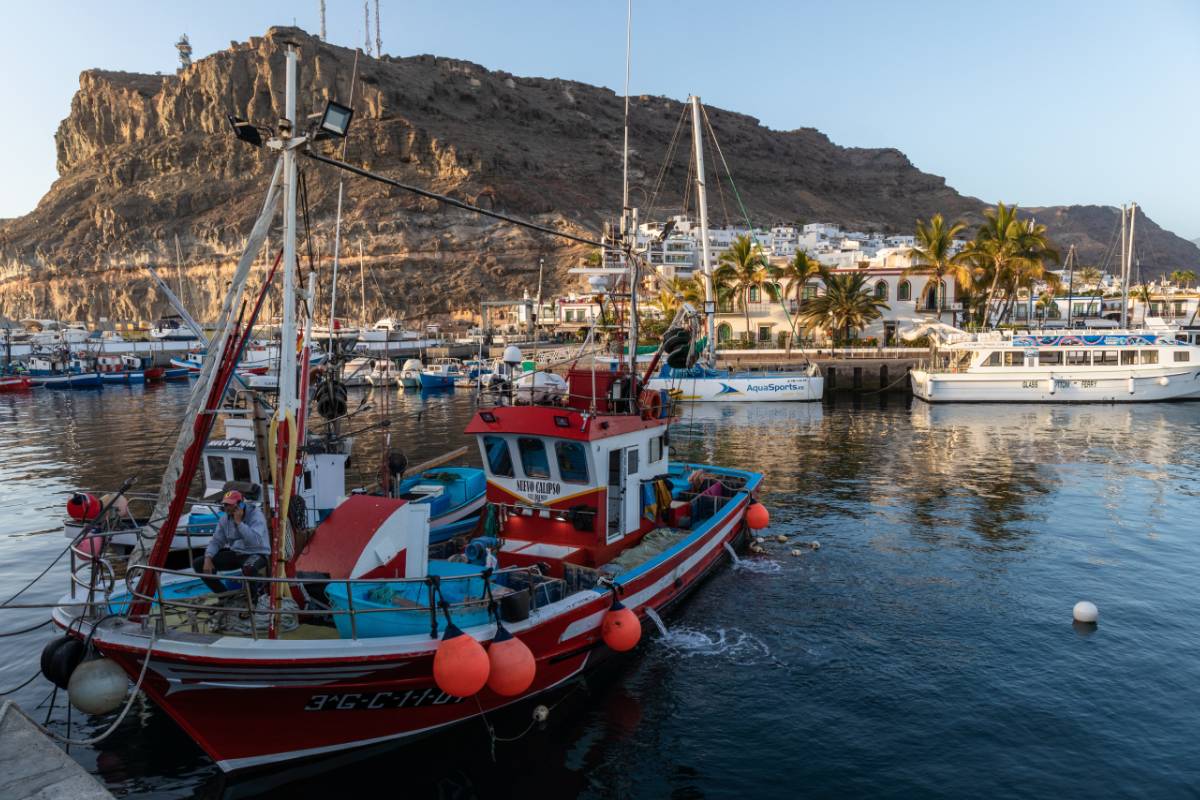
A study A study by researchers at the University of La Laguna analyzes the interactions between small and medium-scale commercial fishing fleets in the Canary Islands and marine megafauna, such as cetaceans, elasmobranchs, and sea turtles. After 232 interviews with fishermen from 31 fishing guilds and ports, the study identified that, while there are instances of beneficial collaboration, there is also predation by marine fauna, which damages fishing gear and results in economic losses, as well as accidental capture of protected species by fishermen. According to the research, the commercial fishing fleets of the Canary archipelago operate in waters that are home to a diverse marine megafauna, creating a complex environment.
The article “Understanding fishery interactions with marine megafauna in the Canary Islands”, published in the journal Ocean & Coastal Management and led by Alicia Rodríguez Juncá, A predoctoral student at the University of La Laguna (ULL), along with other researchers from this university and the Spanish Institute of Oceanography (IEO), conducted extensive fieldwork based on interviews carried out at fishing guilds and landing sites throughout the archipelago, representing approximately 601,000 active professional fishers during that period. The objective was to characterize the interactions between small- and medium-scale commercial fisheries and cetaceans, elasmobranchs, and sea turtles, as well as the mitigation measures used, the perceptions of the fishers, the associated economic losses, and the conservation concerns of the megafauna.
The study identifies two main types of interactions. First, it identifies the widespread use of megafauna to locate target species. The results show that birds, such as shearwaters, and cetaceans, such as dolphins and whales, are used to guide fishing activity, specifically tuna and purse seine fisheries. This type of interaction is perceived by the fishermen interviewed as a valuable resource for improving the efficiency and success of their activities, as it facilitates the location of target species.
On the other hand, there is the interaction of predation or damage to fishing gear by megafauna and the interaction of accidental capture of these animals. The interviews conducted indicate that most fishermen reported having experienced these interactions at least once.
The research demonstrates the important role of marine megafauna in shaping fishing practices in the Canary Islands. These frequent and diverse interactions between fishers and marine megafauna suggest a significant overlap between fishing grounds and the habitats of these species. While some interactions may be key to fishing success, such as the use of shearwaters to locate target species, others pose challenges for animal conservation and economic sustainability. Furthermore, the article notes that protected and threatened species were detected during these interactions.
Although many captured animals are released alive, the failure to remove hooks or the potential for injury raises concerns about their survival after release. Furthermore, while fishers employ various informal mitigation measures, primarily changes in fishing times or locations, there is currently no management of interactions within fisheries policies to help minimize the resulting harm to both wildlife and fishers, including potential financial compensation.
The study provides an estimate of the economic losses associated with these interactions, but emphasizes the need for more specific research. Even so, the data collected demonstrate that predation and damage caused by cetaceans appear to generate the greatest losses. Furthermore, the study has revealed a correlation between the species involved in predation and damage to fishing gear and the species caught accidentally, suggesting that one interaction can lead to the other.
This research concludes that specific studies are needed to design solutions that balance animal conservation, the socioeconomic viability of fisheries, and sustainable coexistence between humans and megafauna. Furthermore, the researchers emphasize that collaboration among fishers, scientists, and managers is key.

 Spanish
 English
 French