Students most likely to integrate successfully and achieve better academic results are those who, among other skills, effectively self-regulate their learning in its three main dimensions: planning, execution, and self-evaluation. A self-regulated student is one who correctly implements their own regulatory actions at different points in their learning process, thereby internalizing and assimilating that learning and, consequently, achieving their academic and professional goals.
This was the main result of a study developed by researchers from the University Group for Integrated Training and Guidance (GUFOI) of the University of La Laguna and published in the Multidisciplinary Journal of Educational Research (REMIE), an open access publication of Hipatia Press that publishes research results that make significant contributions to the understanding and improvement of educational processes and is indexed in some of the most important international databases.
The study was conducted with a sample of 309 secondary and high school students from various schools in Tenerife. The research analyzed whether there was a relationship between self-regulated learning ability and academic performance in pre-university students. The hypothesis was that students with self-regulated learning skills achieve better results and, therefore, are less likely to fail academically. From this perspective, self-regulation is an important factor in education and a mediator in the teaching and learning processes at all educational levels.
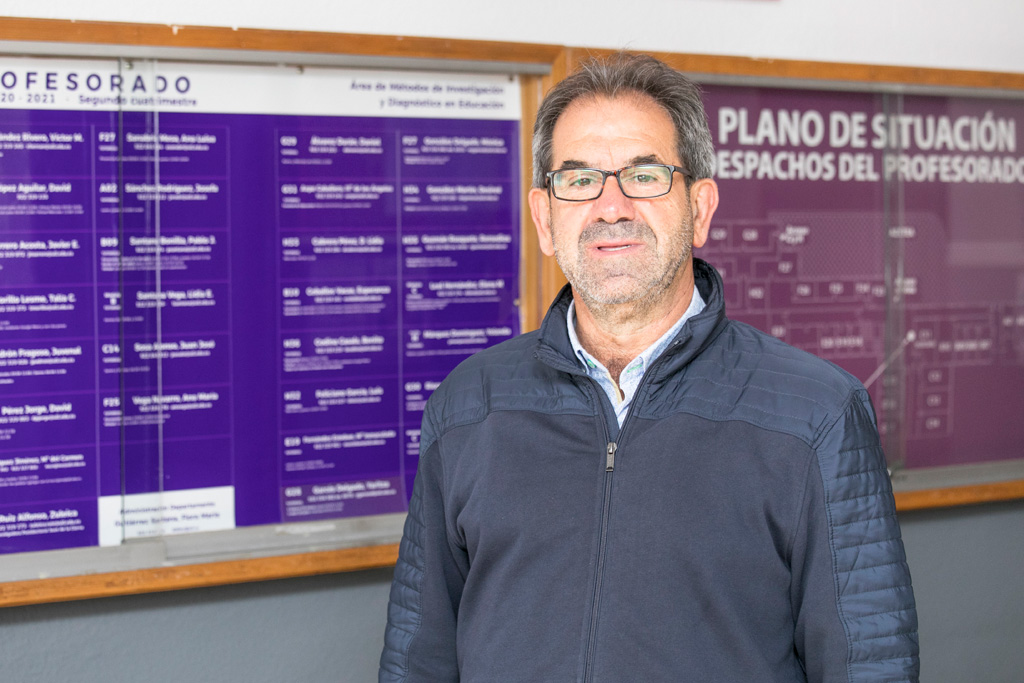
Pedro Álvarez Pérez, Professor , a senior lecturer in the Department of Didactics and Educational Research and one of the authors of the research, points out that the students with the best academic grades were the ones who showed the highest levels of self-regulation of learning, both in planning and execution of tasks, in the use of learning strategies and in self-evaluation.
“Considering these results, we can conclude that self-regulated learning is an important factor in educational processes, given its close relationship with academic performance and school dropout rates. In other words, students who self-regulate well during their learning process, plan their learning, carry out activities effectively, and evaluate their progress, achieve better academic results and are less likely to fail in their studies,” explains Álvarez.
Ensuring students acquire self-regulated learning skills throughout their educational journey will positively influence their motivation, engagement, attitude, and behavior toward their studies, as well as their metacognitive abilities to monitor their learning. Research highlights the need to promote the development of educational support and guidance programs for students to improve their study strategies. Effective training and guidance to strengthen self-regulation skills should be a strategic educational objective throughout students' educational paths and during the development of their individual learning plans. This would increase their chances of academic success and reduce the risk of dropping out.
This work is part of a research line by the GUFOI group focused on analyzing factors that contribute to school dropout, one of the serious problems in education, affecting students, families, and society in general. This is a problem that has yet to be resolved, and it places the Canary Islands first among Spain's autonomous communities with the highest dropout rates in face-to-face universities (19.11% of students), according to indicators recently released by the Ministry of Science, Innovation and Universities for the 2022-2023 academic year. For this reason, there are calls for comprehensive and far-reaching actions to address the problem of school dropout, correcting the system's shortcomings and providing solutions to the diversity, vulnerability, and needs of all students.
“Those who drop out, those defeated by the system and its practices, those who require more support and personalized tutoring, those who need more time, those who struggle to progress because they lack the same resources—all of these individuals are likely to be scarred, feeling responsible for their own failure,” notes Pedro Álvarez. “That’s why we insisted on the need to reduce the impact of the factors that underlie dropout rates. Dropping out is a painful problem in the lives of students who fail, affecting their self-esteem and the development of their own life plans. It is not a secondary or marginal problem, but a phenomenon that reaches very high numbers, and therefore should be a key objective for governments.”
According to the expert, it is worrying that a significant solution has not yet been found. “Why do governments fail to fully acknowledge that the problem of academic dropout at all levels extends far beyond academics? Why have institutions normalized this problem when its effects go far beyond the figures that illustrate year after year in reports on the functioning of the education system? Why do teachers remain passive in the face of this reality? Why aren't systems and policies being implemented within the education system to prevent it? Why isn't student support being strengthened? As we can see, there are many questions and dilemmas to resolve,” Álvarez points out.

 Spanish
 English
 French