Eugène Viollet-le-Duc lived in 19th-century France, where great architectural gems from the medieval period were beginning to show the effects of time in their deterioration. This architect and archaeologist decided to intervene to preserve this heritage for future generations, thus becoming one of the first and most renowned restorers of monuments and castles in Europe. His career brought restoration and conservation work to the forefront of the art world, to the point that January 27, the anniversary of his birth, is commemorated as International Conservator-Restorer Day, as established in 2011 at the 18th International Congress on Conservation and Restoration of Cultural Heritage in Granada.
Currently, the task of preserving cultural heritage through techniques that guarantee its conservation over time encompasses far more than imposing castles and is based on anonymous work in which the first step is not intervention, but diagnosis and information gathering. At the University of La Laguna, students of the Degree in Conservation and Restoration of Cultural Heritage He is exposed to this principle from the beginning of his training.
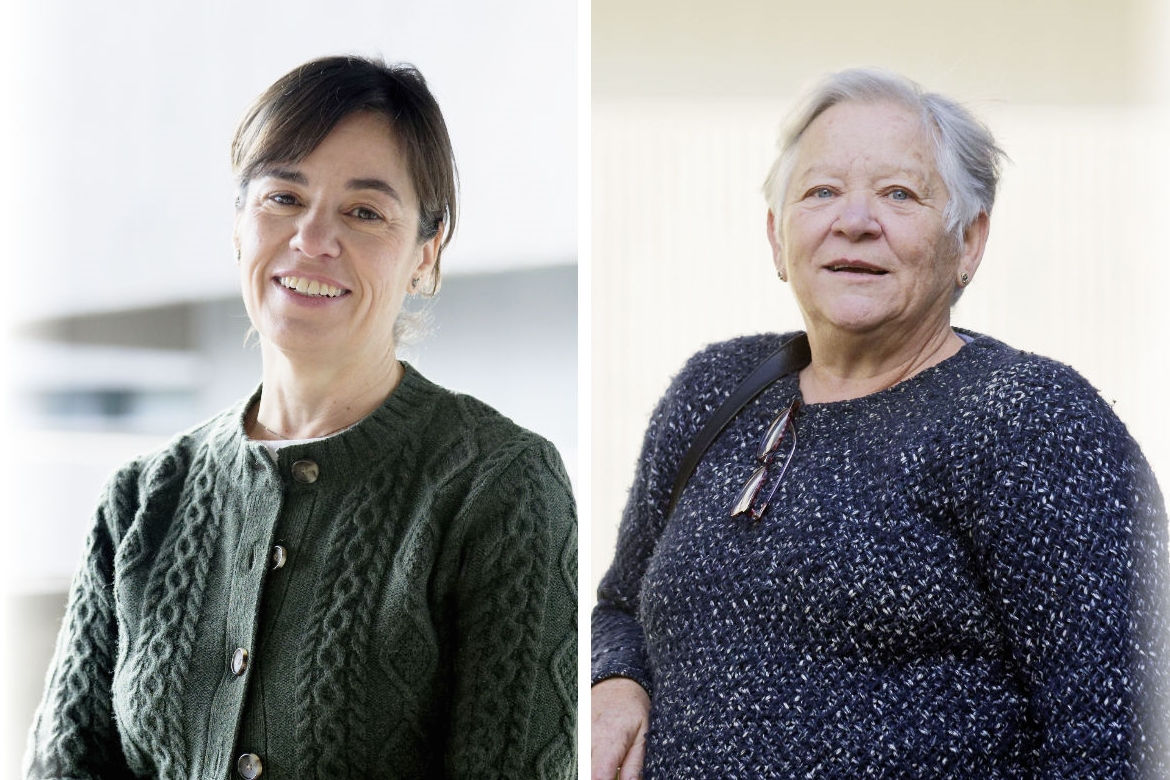
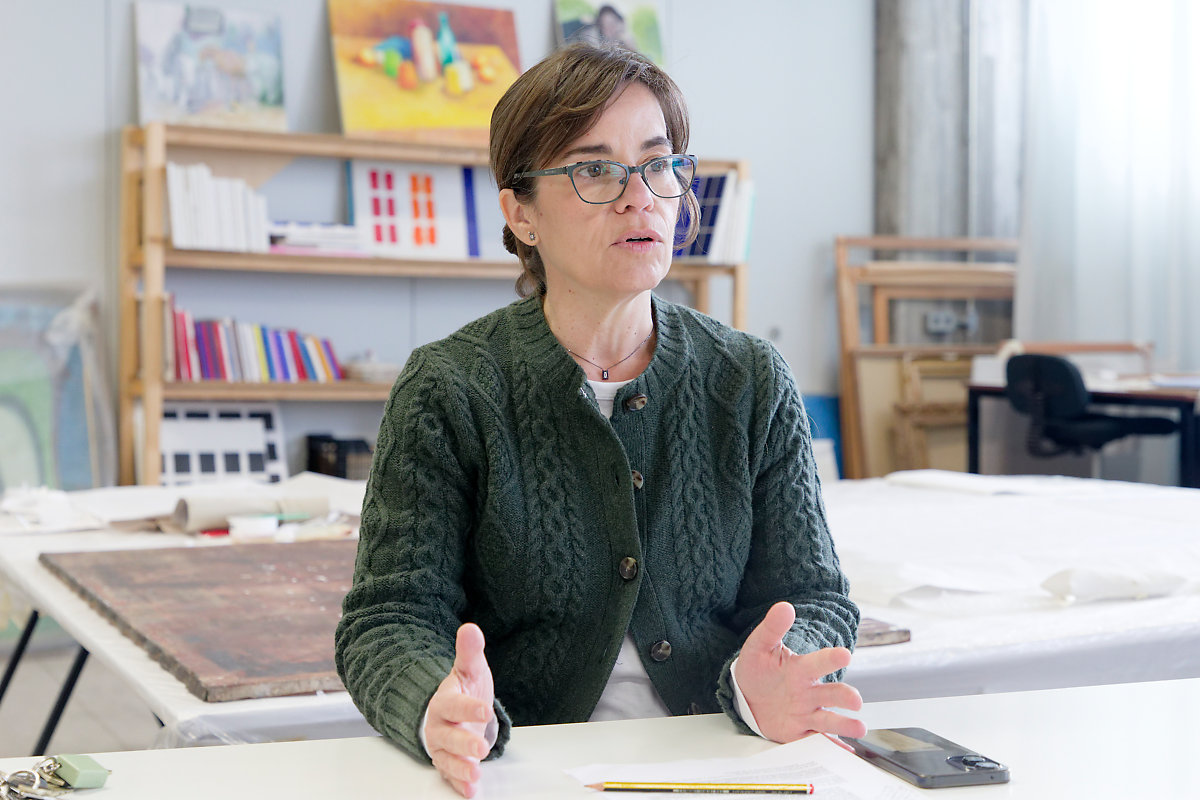
Studying the materials that make up a cultural asset is a fundamental step in heritage conservation, a discipline that is increasingly receiving more resources and specialization. “It is essential to thoroughly understand the object, both artistically and structurally, including its chemical composition,” he maintains. Elisa Díaz González, PhD contracted professor in the Degree in Conservation and Restoration of Cultural Heritage and scientific head of the Service for the Analysis and Documentation of Works of Art (SADOA), belonging to General Research Support Service (SEGAI) from the University of La Laguna. Diagnosis is becoming more important and is being carried out in an increasingly interdisciplinary way, "because we try to be as specific as possible when establishing treatments," adds Díaz, noting that the current orientation of the profession is to "conserve rather than restore.".
The interdisciplinary nature of this profession was already present in the career of Viollet-le-Duc, an architect and archaeologist, although the scientific component is gaining relevance today thanks to the development of more specialized tools. “The scientific component has always been present in restoration,” notes Díaz, who graduated in Fine Arts with a specialization in Pictorial Restoration from the University of Granada and obtained a diploma in Conservation and Restoration of Graphic Documentary Cultural Heritage from the Escola Superior de Conservació i Restauració de Béns Culturals de Catalunya.
Maribel Sánchez Bonilla.
Artistic research of bathrobe and boot
The role of a conservator requires artistic sensitivity, but also a detailed knowledge of materials and intervention procedures. This is why SADOA, located in the Faculty of Fine Arts on the Guajara Campus, has equipment such as multispectral systems, adapted cameras, and structured light scanners for heritage documentation, which, according to its scientific director, makes it a unique service in the Canary Islands.
One example is multiband photography, a non-destructive analytical technique that allows for the characterization of historical pigments across various bands of the electromagnetic spectrum. This helps to elucidate the execution of artworks by studying underdrawings or artists' pentimenti, and can even detect retouching carried out by the artists themselves or by restorers over time. These tools facilitate a detailed understanding of the different components of the object being studied and, above all, allow for more precise diagnoses of its condition in order to design preventive conservation strategies.
Furthermore, the information provided can contribute to authorship attribution processes and help determine the authenticity of objects in heritage collections on the islands that have not been previously studied. “New technologies allow us to consider new ways of looking at and analyzing the works,” Díaz attests, which perhaps results in a process that is not as fast as before, but which, according to the specialist, allows for a thorough study of the object and its components before taking any action. “Over the years, I have adopted an increasingly less interventionist approach,” because it is essential to have a very good understanding of the materials before proposing any manipulation that could be counterproductive.
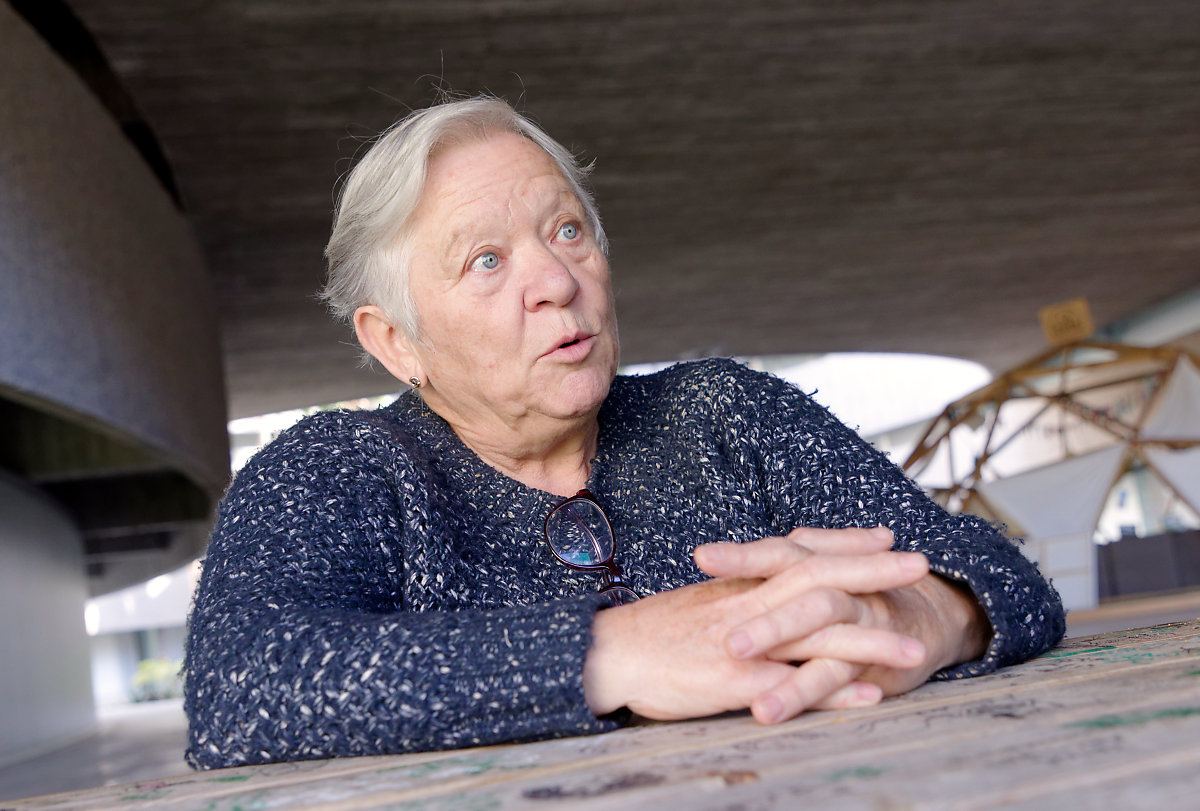
This need to gather as much information as possible about the object before deciding how and when to intervene is something the professor agrees with. Maribel Sánchez Bonilla, specializing in the conservation and restoration of heritage assets made of volcanic stone. “When I began to apply my training in stone conservation, I found that there was no specific documentation on volcanic stone, neither in sculpture nor in heritage elements,” says Sánchez.
In a territory like the Canary Islands, where much of the artistic and architectural heritage is derived from local materials, identifying these components and their properties is essential for their conservation. “Furthermore, a heritage city with volcanic rock, like Arequipa in Peru, is typically built entirely from the same type of stone; but if you walk through the historic center of La Laguna, you won't find just one type of volcanic rock, but seven,” she adds. The professor, who has led restoration projects such as the fountain in the Plaza del Adelantado in La Laguna, points out that volcanic rock is characterized by its specificity, as these are complex rocks with very different properties, so “there are no general solutions.” She adds that these preliminary examinations involve significant archival and documentary work, as well as a deep contextual understanding of the stones from the different islands of the archipelago and their origins.
“In a relatively small area like this, the stone, especially in the oldest buildings, which are the ones we now find most damaged, has always been sourced locally,” Sánchez maintains. In this regard, she cites construction records as a fundamental source for her work, since they often indicate not only the physical characteristics of the original building materials, but even the quarry from which the stone was extracted. For this reason, she insists, it is essential to value local restoration teams, “who know the surroundings, the local materials, and which historians to consult for information.” In this sense, the establishment in 2011 of the Bachelor's Degree in Conservation and Restoration of Cultural Heritage at the University of La Laguna was, according to this specialist, necessary. She also highlights the specialized research work carried out by its students in recent years, through undergraduate and master's theses and doctoral dissertations, which, in her opinion, “have contributed to the study of heritage elements of the islands, providing details that allow us to understand them better and better.”.
Elisa Díaz.
Innovative technology to better understand the work
Located within the same Faculty of Fine Arts, inaugurated in 2014, is the Art Analysis and Documentation Service. This service offers technical studies and treatments of various cultural assets to the university community, as well as to institutions, companies, and professionals in the sector, using instrumental techniques. In the last year, they have added anoxic disinfection to their services. This method, used for pest control, involves creating a sealed chamber around the object and progressively extracting oxygen for greater treatment effectiveness. According to Díaz, this process is more sustainable and safer for both the technicians and the artwork being handled. Currently, this service is part of a collaborative project for the treatment of the Nava Carriages, which are part of the collection of the Museum of History and Anthropology of the Tenerife Island Council, located in the Casa Lercaro.
Díaz points out that this cross-disciplinary nature that defines the work of a conservator also extends to the daily work in the Art Analysis and Documentation Service, where they have established close collaborations with other SEGAI services. “For us, SEGAI is a great opportunity,” she says. In this regard, they work with the Genomics Service to identify the microorganisms present in artworks; with the Electron Microscopy Service to analyze an object's composition, internal structure, and deterioration; and with the Infrared Spectroscopy Service, which allows for the analysis of pigments and materials used. Recently, the Electronics Service has been invaluable in implementing anoxia disinfection technology, while the Digital Design and Fabrication Laboratory has been a fundamental support in documenting two-dimensional artworks using orthomosaic processes. “We are 100% interdisciplinary, and we believe that restoration should continue in this direction.”.
For Elisa Díaz, one of the aspects that she believes should be given greater visibility in the field of conservation in the Canary Islands is documentary heritage. Although UNESCO launched the Memory of the World Programme in 1993 to raise awareness about the importance of preserving archival collections, Díaz states that "documentary heritage is not included in the intervention plans of many institutions; it is one of the great forgotten areas." For this reason, she has been involved for years in the study of metallo-acid inks present in many historical documents in Canary Island archives and heritage libraries, with the aim of halting the corrosion caused by the deterioration of these inks and the degradation of the documents.
Similarly, in 2022 a process of inventorying and cataloging the artworks of the University of La Laguna began, and from 2024 onwards, its photographic collection, comprising more than 2,000 items, will be added. “The objective is not only to identify and inventory the collections, but also to conduct a physical study of the objects in order to decide under what conditions to preserve or exhibit them,” Díaz explains regarding this process, which she expects will continue for some time.
These less prominent collections in the field of conservation, which Elisa Díaz also includes contemporary art among, suffer from a lack of restoration specialists as permanent staff in the institutions that house heritage collections in the Canary Islands. “It’s curious, because with the existence of a Senior Faculty Corps for Conservation and Restoration of the Government of the Canary Islands, we are ahead of other regions in terms of professional regulation, but positions are not being advertised, or the appropriate profiles are not being advertised,” she points out. She adds that the specialization that characterizes this field of work can be beneficial for incorporating professional profiles into institutions that complement those already existing, which, in the long run, will be more cost-effective than hiring external companies or the possibility of encouraging unqualified individuals working in the field and causing harm to the materials in these collections. “In my opinion, the monetary expenditure should be seen as an investment when so much heritage is saved,” she concludes.
Promoting the professionalization of the sector from the university
The University of La Laguna is one of the few Spanish universities that currently offers a degree in Conservation and Restoration of Cultural Heritage. The Spanish Professional Association of Conservators and Restorers (ACRE) insists that regulating the profession is increasingly necessary, which requires specialized training and the establishment of clear, defined, and exclusive competencies for conservators and restorers.
On International Conservator-Restorer Day, both professors are clear that the path forward lies in professionalization and specialization. Maribel Sánchez emphasizes that, while restoration involves multiple facets that work together, each professional intervenes in a specific field: “These professions don't clash, but rather complement each other, and when they don't, it's because someone is missing, and it soon becomes apparent in the project.” Above all, they agree that the important and often overlooked heritage of the Canary Islands would greatly benefit from a greater presence of conservators and restorers in the institutions and organizations that manage it. According to Elisa Díaz, the students of the Bachelor's Degree in Conservation and Restoration of Cultural Heritage at the University of La Laguna are not only trained to carry out this work, but are also very enthusiastic about the prospect: “They just need to be given an opportunity.”.
(This report is an initiative framed within the InvestigaULL Commemorations Calendar, a scientific dissemination project promoted by the University of La Laguna).
Scientific Culture and Innovation Unit (Cienci@ULL)

 Spanish
 English
 French