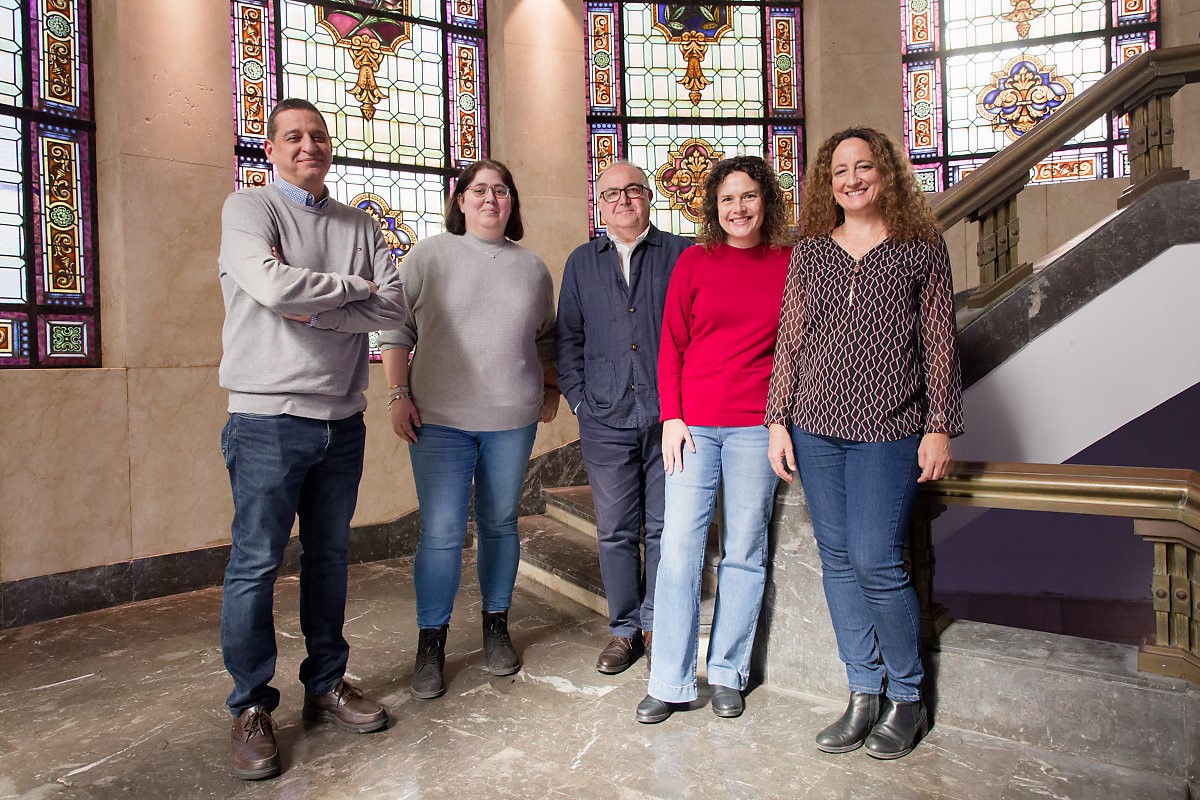
The resolution awarding the María del Carmen Betancourt y Molina Research Support Program grant from the Canary Islands Agency for Research, Innovation and the Information Society has recently been published. This call for proposals has recognized seven applied research projects from the University of La Laguna, addressing topics such as the blue economy, the development of artificial intelligence for medical diagnosis, innovations in biomedical sustainability, and emerging industries. With a success rate of 701%, the projects from this academic institution will receive over €1,150,000 in grants and will be carried out between 2024 and 2026. Let's take a closer look.
Optical sensors
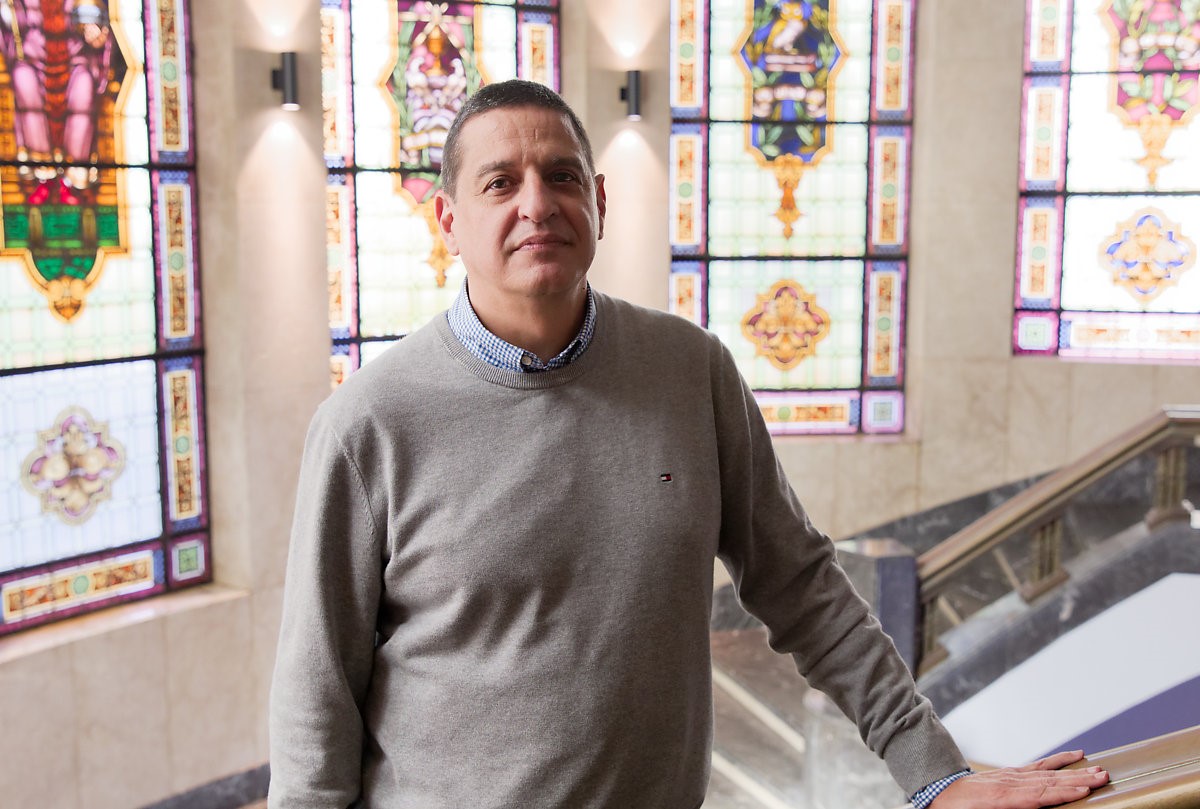
Ulises Ruymán Rodríguez.
The project entitled 'Optically active functional materials for sensor applications under extreme conditions. Correlation between structural and optical properties' has as its Principal Investigator (PI) Ulises R. Rodríguez, from the research group Laser Spectroscopy and High Pressures from the University of La Laguna, specializing in the study of optical spectroscopy.
The group studies the interaction between radiation and matter across the electromagnetic spectrum, from 200 nanometers (ultraviolet) to 3000 nanometers (near-infrared), with the aim of optically characterizing various materials with applications in photonics (LEDs, OLEDs, etc.), photovoltaic cells, optical sensors, and other fields. To this end, they propose synthesizing materials such as nanocrystals and coordination polymers doped with transition element and rare-earth ions to characterize their optical properties from the perspective of optical absorption and luminescence.
One of the group's strengths is its ability to study these properties under extreme pressure and temperature conditions. It is one of the few teams in Spain that can combine both thermodynamic variables, with a pressure range from ambient pressure to approximately 500,000 atmospheres (50 GPa) using diamond anvil cells, and a temperature range from 15 K to 600 K. Furthermore, high-pressure structural characterization using X-ray diffraction allows for the correlation of structural and optical properties.
The project focuses on the design of optical sensors based on luminescent materials that respond to pressure and temperature, with applications in diverse environments, especially in industrial process control. According to Rodríguez, controlling these variables allows for a better understanding of the behavior of materials under different conditions and facilitates the synthesis of materials with predefined properties.
This is a multidisciplinary project involving seven professors: two from the Department of Chemistry and five from the Department of Physics at the University of La Laguna. The collaboration encompasses everything from materials synthesis to their optical and structural characterization. Researchers from the Department of Chemistry are responsible for the synthesis and optimization of the materials, while those from the Department of Physics focus on their optical and structural characterization. The project also includes the participation of Javier González, González, a researcher in the Physics department, will be responsible for the high-pressure structural characterization and the development of software for determining equations of state. He has been in charge of the X-ray diffraction service at the University of La Laguna for many years.
Modification of materials at the nanoscale
On the other hand, 'Chemically functionalized nanostructured zinc oxide biomimetic surfaces for the production of reactive oxygen species' is the title of the work that has

Miriam Candelaria Rodríguez.
as IP to Miriam Candelaria Rodríguez, from the group of Nanoscopies, Surfaces and Molecular Electrochemistry from the University of La Laguna. This group focuses its activity on the modification of materials at the nanoscale. In this sense, the project proposes modifying steel surfaces by first applying a nanostructured metallic layer of zinc oxide to which some molecules that promote the generation of reactive oxygen species will later be incorporated.
Bacterial proliferation on surgical materials and prostheses has become increasingly common, posing a complex problem due to bacterial resistance to drugs. One strategy that has sparked the group's interest is preventing bacterial growth through a nanostructured surface (in this case, zinc oxide) composed of a set of pillars that isolate bacteria, preventing biofilm formation. Furthermore, the group aims to eliminate bacteria by generating reactive oxygen species, which also prevents biofilm formation on the surface.
Regarding the project phases, from a chemical perspective, the group is focusing on three key stages: surface construction, synthesis of the compound that will generate the desired activity, and evaluation of the material using bacteria. A conventional steel will be compared with one that has the modified surface to determine if most of the bacteria that accumulate on the material have been eliminated.
The application of this work is projected to be long-term, as they seek to modify biomaterials used in prostheses and surgical instruments. The advantage of basing this process on chemical and electrodeposition methods is that virtually any metal could be functionalized, allowing for significant savings in the replacement of prostheses and surgical materials.
Trace elements in the environment of the La Palma volcano
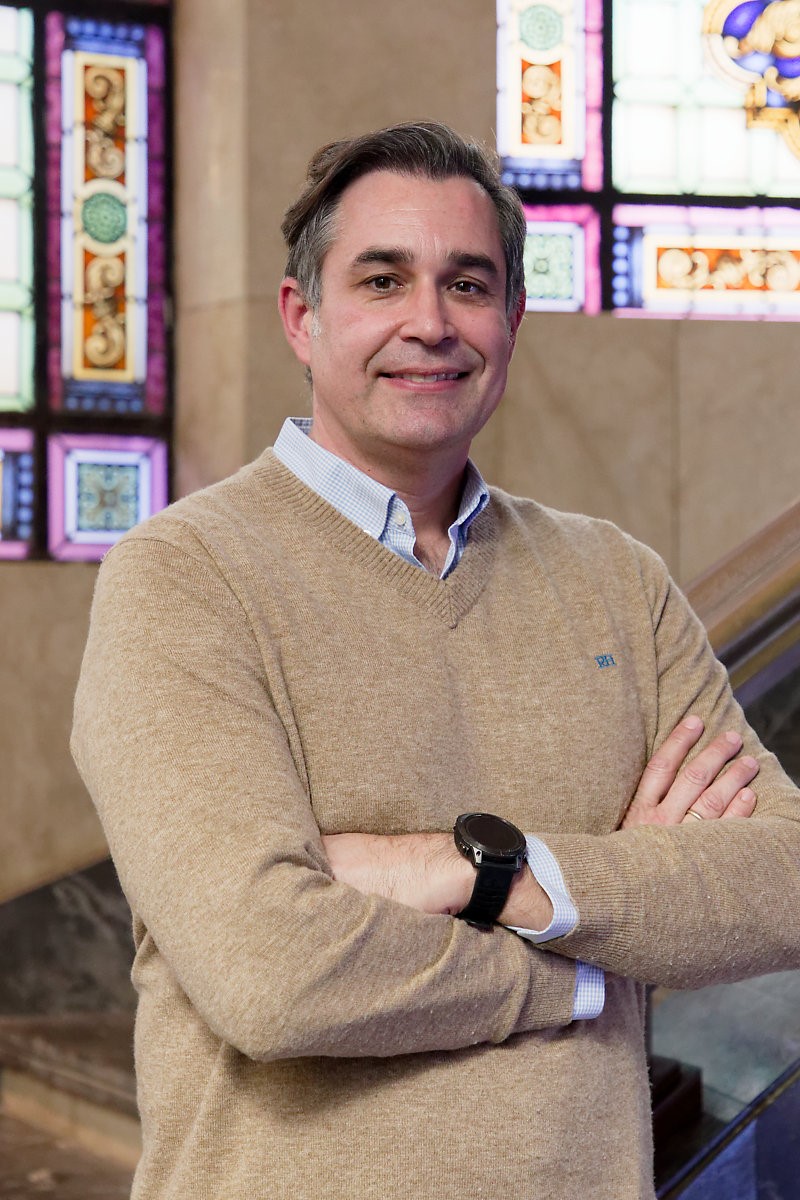
Angel Jose Gutierrez.
Another project that has been selected as a beneficiary in this call is entitled “Effect of the volcanic eruption of La Palma on the monitoring of trace elements in the intertidal zone and assessment of the safety of species of human interest”, whose PI is Angel Jose Gutierrez, from the inter-university group of Environmental Toxicology and Food and Drug Safety from the University of La Laguna.
The main objective of this research, following the end of the volcanic eruption on La Palma that began in 2021, is to verify the presence of trace elements in the environment, paying particular attention to commercially important fish species that inhabit the intertidal zone. The aim is to determine the quantity of these elements, including toxic heavy metals such as lead, that could be transferred to the population through the consumption of fish.
The project involves sampling in six study areas. Two areas directly affected by the eruption, located in and around the new lava flow, will be analyzed; two areas of medium influence, situated approximately seven kilometers away on either side of the island, in relation to the area where the eruption reached the sea forming the lava flow; and one area of low impact, about 15 kilometers from the point where the lava reached the sea.
Two annual sampling campaigns will be carried out for two years, covering animal and plant species, as well as species of commercial fishing interest, in collaboration with local fishermen. The objective is to determine the concentration of trace elements in the biota and assess the potential risk to the population through the consumption of these foods. Gutiérrez states: “We want to guarantee the safety of consuming fish from La Palma, and if any risk exists, establish controls and recommendations regarding appropriate consumption quantities, recommended species, and other important aspects.”.
Magnetic nanoparticles for developing functional materials
‘'Development of adjustable MAGBIO magnetic platforms for BIOmedical applications in biodetection and as a contrast agent in magnetic resonance imaging, MAGBIO' aims to design
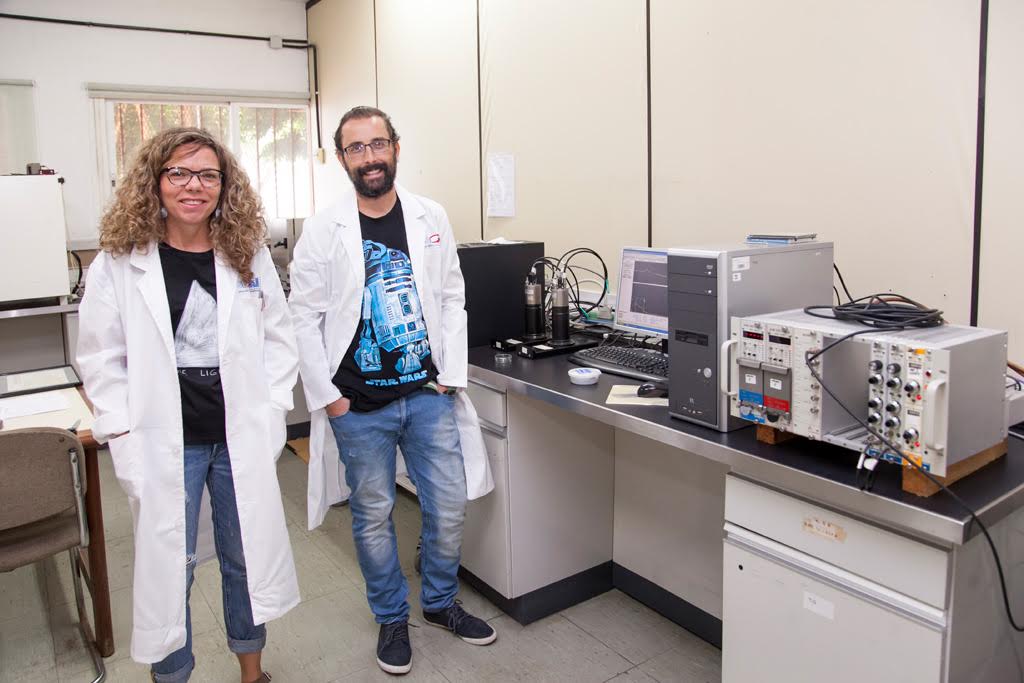
María López and Pedro A. Salazar.
of functional materials based on the use of magnetic nanoparticles. Magnetic nanoparticles have received considerable attention in multiple areas such as data storage, biodetection, catalysts, bioremediation, neuronal stimulation, drug delivery, and clinical diagnostics, and offer numerous possibilities for designing biocompatible and biomimetic surfaces for applications in biodetection and bioimaging in biomedicine.
The project's IP, Pedro Ángel Salazar, belonging to the research group Laboratory of Sensors, Biosensors and Advanced Materials The Department of Physical Medicine and Pharmacology indicates that, following this initial phase, various developments will be undertaken, taking advantage of subsequent modifications and adjustments to the designs. One application of this project will be in electrochemistry, with the aim of detecting analytes of interest, while another involves modifying these nanoparticles with porous silica layers to load them with drugs and produce pharmacological release, a process that could have applications in cancer treatments.
A third application will involve using these magnetic nanoparticles as contrast agents in nuclear magnetic resonance imaging. The synthesis of these materials will utilize chemical precipitation methods, but will also employ biosynthesized magnetoparticles, which are biocompatible and easily functionalized, as noted by the researcher from the Physics department. Paul Soto, co-responsible for the project. MAGBIO is structured as a multidisciplinary project, since it has the participation of researchers from the Department of Physical Medicine and Pharmacology, Physics, Inorganic Chemistry and Physical Chemistry of the University of La Laguna, as well as collaborators from the University of Aix-Marseille, in France.
Bioactive molecules in microalgae
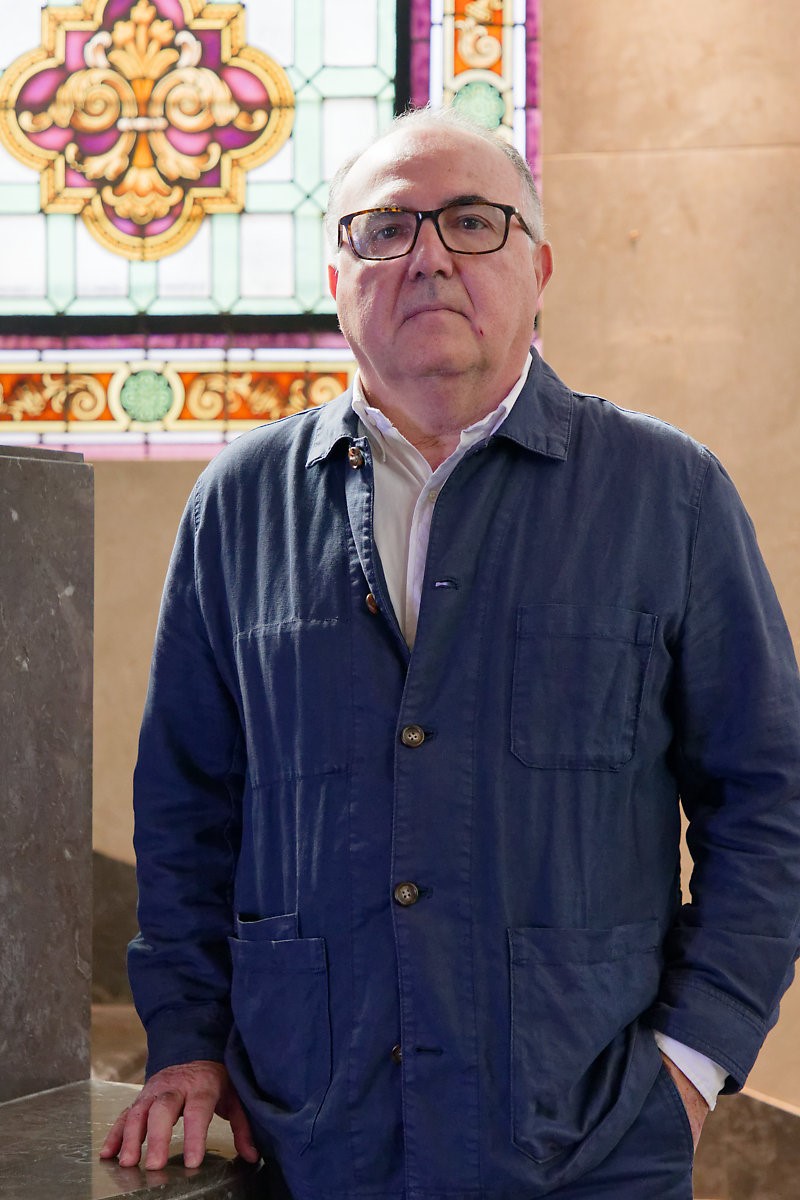
Javier Fernández.
On the other hand, the BIMICMAR project, 'Bioprospecting of the marine microbiome through sustainable alternatives for disease control in the primary sector (agriculture and aquaculture)', is led by the PIs José Javier Fernández, of the Antonio González University Institute of Bio-Organic Sciences (IUBO AG) and Ana Raquel Díaz, from the Institute of Natural Products and Agrobiology (IPNA) of the CSIC. This project aims to study microalgae and bacteria for the isolation and identification of high-value bioactive molecules with applications in agriculture, aquaculture, or food safety.
Microalgal biotechnology can be considered the cornerstone of blue biotechnology. However, microalgae-based bioprocesses for the production of secondary metabolites and bioactive products of interest are still under development. This contrasts with the biotechnological importance of species that produce bioactive substances, which can have attractive applications in the agri-food, aquaculture, and pharmaceutical industries. The expected results of this project could contribute to reducing the high chemical pressure in intensive food production and mitigating the emergence of drug-resistant pathogens.
The BIMICMAR researchers' interest lies in discovering bioactive substances originating from marine microbiota that could be useful in treating pathogens in the primary sector. The project employs a multidisciplinary strategy and will have a second component, in which they will collaborate with researchers from Institute of Tropical Diseases and Public Health of the Canary Islands and the research group BIOLAB The project, which has received one of the highest grants in this call for proposals, involves researchers from the Departments of Chemistry, Organic Chemistry, and the General Research Support Service (SEGAI) at the University of La Laguna.
AI for early diagnosis
‘'Towards a collaborative strategy for glaucoma diagnosis using explainable deep learning' is the title of the project, whose principal investigator is Silvia Alayón, belonging to Medical Image Analysis Group, which is part of the Department of Computer and Systems Engineering at the University of La Laguna.
This project is the result of close collaboration with researchers in the Ophthalmology Department of the University Hospital of the Canary Islands, with the aim of improving techniques for the
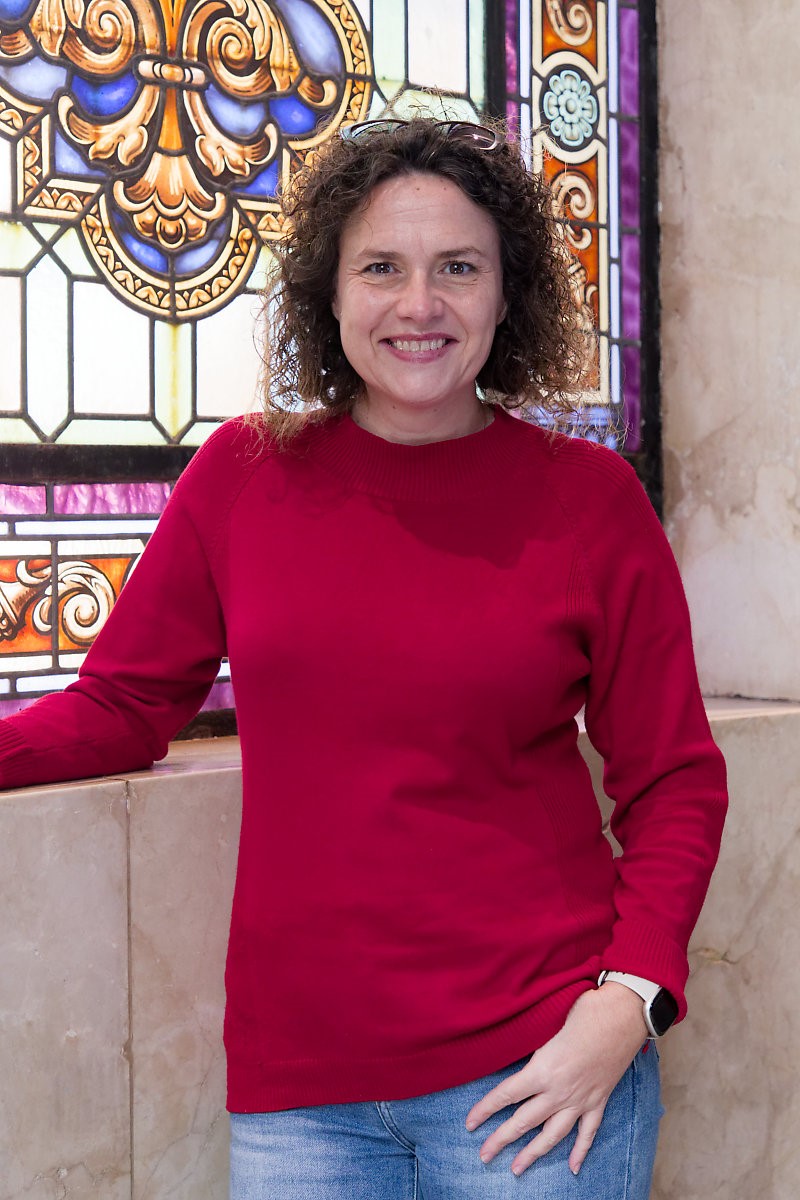
Silvia Alayón.
Early diagnosis of glaucoma through deep learning.
Glaucoma is a chronic, degenerative disease of the optic nerve and the leading cause of irreversible blindness in developed countries. It is difficult to detect in its early stages due to its asymptomatic nature, hence the name "silent blindness." The estimated number of people affected by glaucoma in 2020 was approximately 76 million, with a projection of around 112 million by 2040. This project aims to provide specialists with an additional tool to assist them in this task.
The aim of this project is to create a collaborative service involving specialists from various Spanish medical institutions, utilizing an artificial intelligence system developed for evaluating potential glaucoma cases. This will be achieved by training the system with sets of retinographies (retinal photographs of the fundus) to enable automatic diagnosis regardless of the image source. Furthermore, the project envisions that this system will not only provide the diagnosis but also inform the medical specialist using it about the evidence that led to that diagnosis, thus equipping this deep learning system with explanatory capabilities.
This project is part of a long-term study that has led to the creation of a web application providing diagnostic probability data based on retinal images from the University Hospital of the Canary Islands. The project's main objective is for this diagnostic aid application to be used independently by specialists from various institutions who upload images to the system acquired with their own equipment.
Pathogens in small mammals
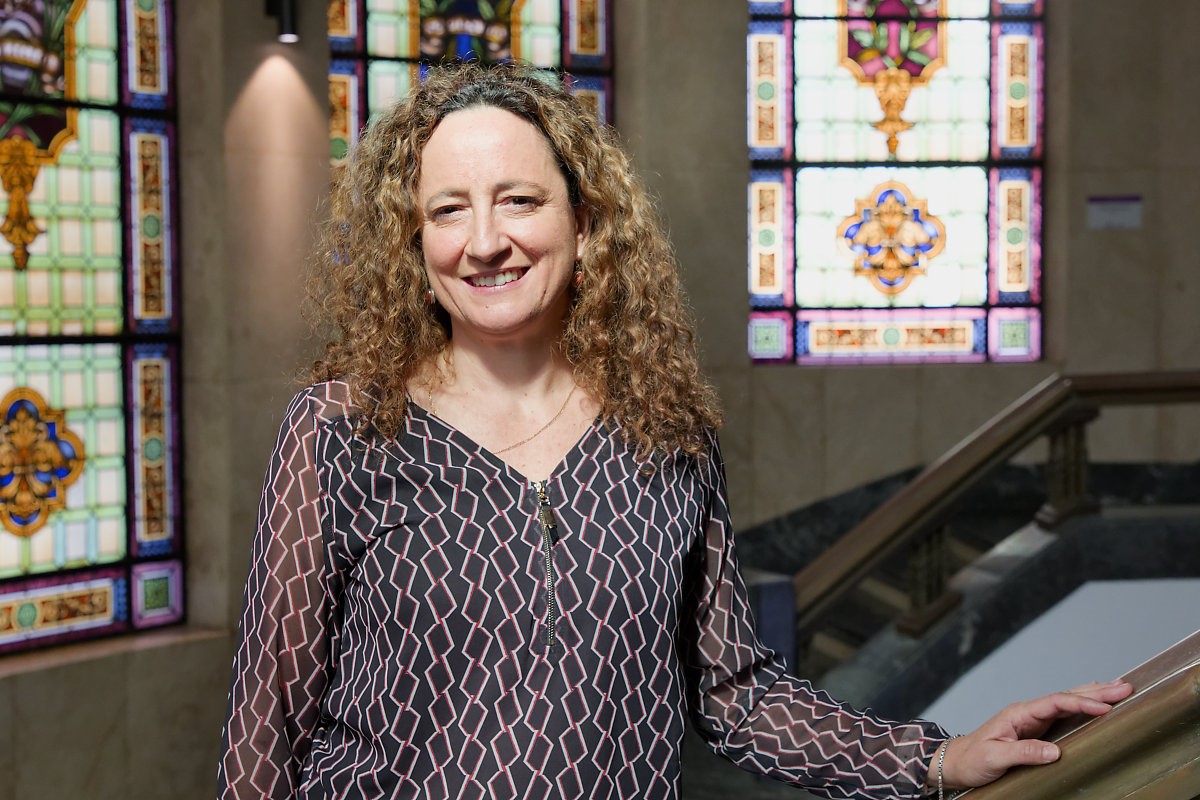
Pilar Foronda.
The research project 'Study of emerging pathogens in micromammals of Spanish islands' is led by the researcher Pilar Foronda, belonging to the group of Research in Parasitology, of the University Institute of Tropical Diseases and Public Health of the Canary Islands. The objective of this project is the analysis of zoonotic pathogens, that is, bacteria, viruses or parasites that can cause diseases in animals and humans, and to assess their presence in these island territories.
The proposal focuses on the study of pathogens on Spanish islands, and three species have been selected for study. On the one hand, Angiostrongylus cantonensis, A little-known nematode parasite recently detected in Spain, which can cause eosinophilic meningitis in humans and animals, will be studied. Areas of its presence will be identified using common parasite hosts and sentinel species. Additionally, a variant of alpha coronavirus called murine coronavirus, present in rodents and affecting the animal's liver, will be investigated. Finally, the presence of Leptospira, a genus of bacteria found in the urine of certain animals such as rats and mice, will be traced in local species.
The first phase of the project will consist of collecting samples from four Canary Islands (Tenerife, Gran Canaria, La Gomera, and La Palma), as well as two Balearic Islands (Ibiza and Menorca). These samples will then be studied to carry out molecular and statistical analyses, allowing for a more precise determination of the areas where these pathogens are present in the Spanish archipelagos. This final phase involves extensive outreach and public awareness campaigns to inform the population about the local incidence of each species and the measures to be taken. It is, therefore, a multidisciplinary project in which researchers from the University of Las Palmas de Gran Canaria, the University of Barcelona, and the University of the Balearic Islands are also collaborating.
The subsidies of Research Support Program María del Carmen Betancourt y Molina, promoted by the Ministry of Universities, Science and Innovation and Culture of the Government of the Canary Islands, through the Canary Agency for Research, Innovation and the Information Society, has funding from the 85% program of the ERDF Canary Islands 2021-2027. These funds allow progress in industrial research and experimental development, strengthening the scientific and technological fabric of the islands.

 Spanish
 English
 French