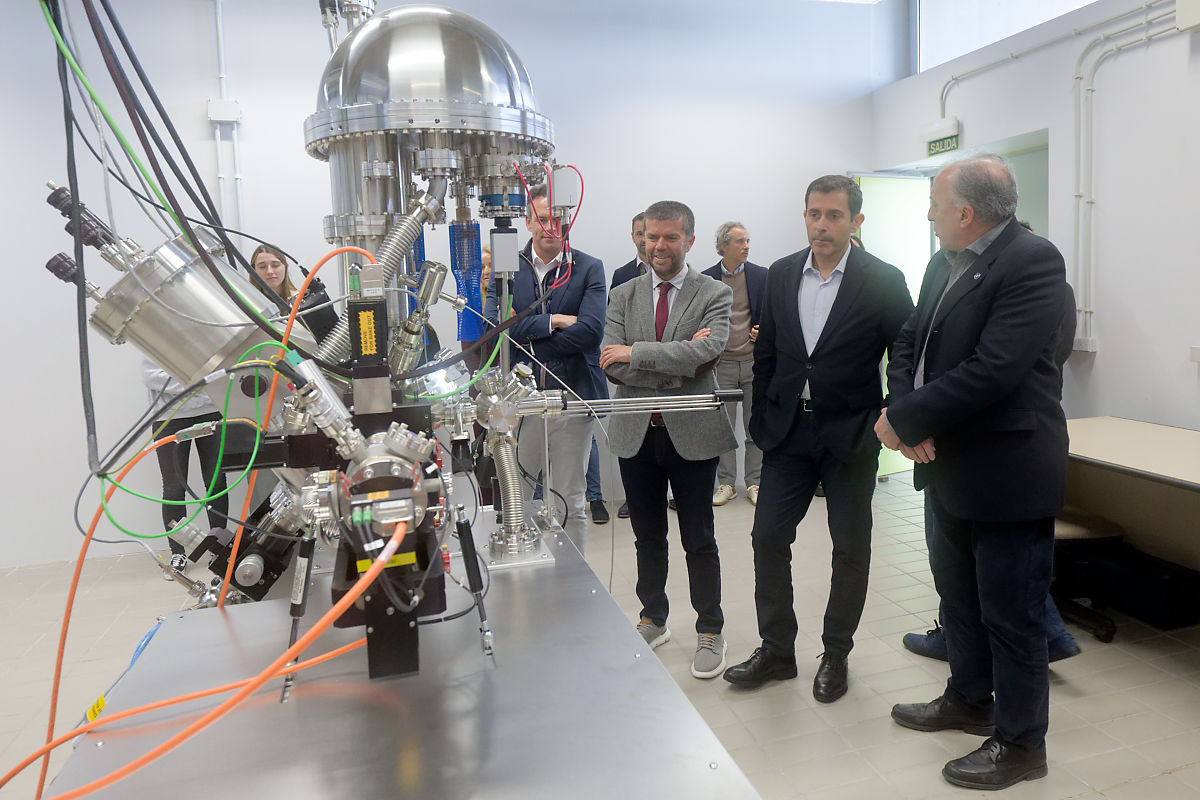
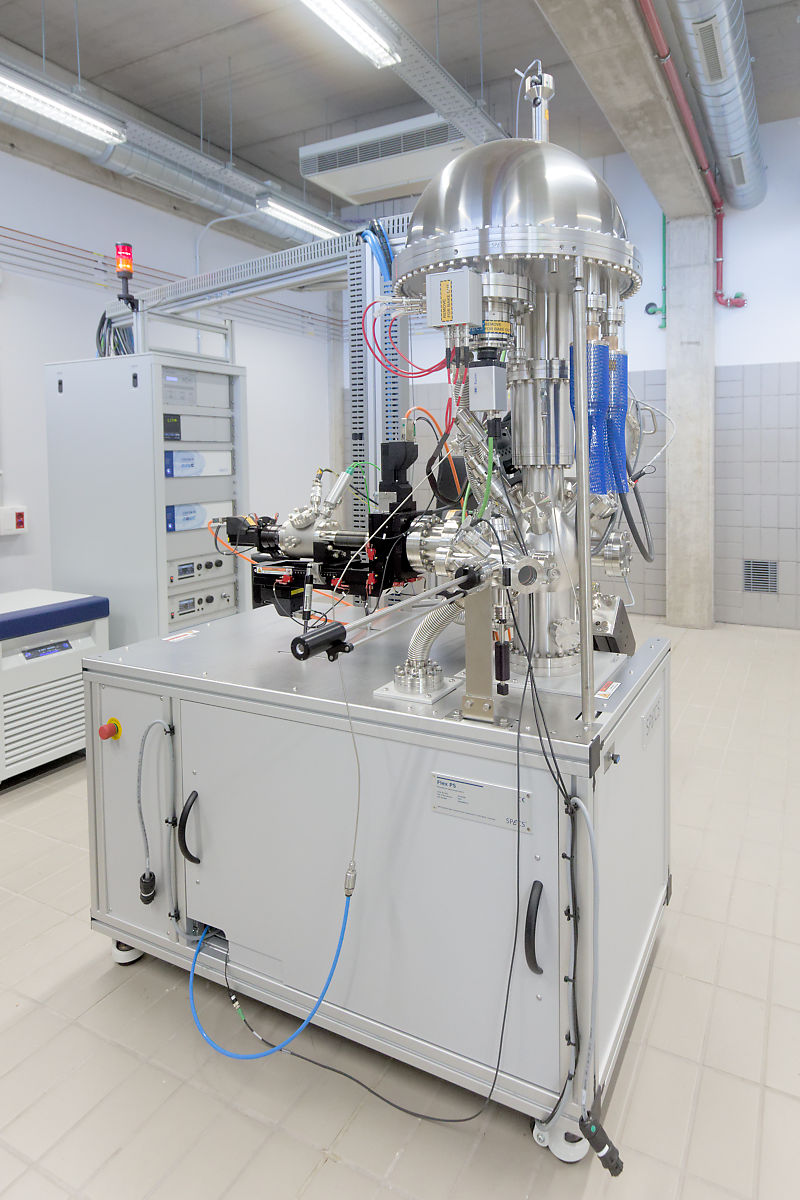
The University of La Laguna has acquired new, high-performance scientific equipment valued at nearly half a million euros, thanks to funding from the Government of the Canary Islands through the Canary Islands Development Fund (FDCAN). This new X-ray photoelectron spectrometer allows for the extraction of qualitative and quantitative information on the chemical composition of a sample's surface.
During the presentation of this equipment, held in the Chemistry Section of the Faculty of Sciences, the rector of the academic institution, Francisco García, thanked the regional government and the island corporation for their support in acquiring this spectrometer, which is already located in one of the laboratories of the General Research Support Service (SEGAIThe rector praised the service as an example of efficient management because it allows university research groups, as well as external groups and private companies, to access equipment that would be unavailable to them without this shared use model.
 With this equipment, research groups at the University of La Laguna will be able to produce more scientific publications and, based on these, transfer research results to society. The rector also highlighted the versatility of the acquired equipment, which has applications in industry, biomedicine, forensics, archaeology, and even artistic heritage. He also expressed his gratitude for the presence of numerous members of the institution's research staff who attended the presentation to personally receive this new equipment.
Juan José Martínez, Councilor for Innovation, Research, and Development of the Tenerife Island Council, highlighted the importance of acquiring top-tier equipment that will serve various research groups. He also praised the communal use model proposed by SEGAI, whose service to scientists and companies "is a plus for the entire R&D ecosystem of Tenerife." He reiterated that diversifying the production model "necessarily involves investing in the knowledge industry," and therefore, the Island Council is incentivizing scientific output. He announced that a call for proposals to acquire mid-range equipment, with a total budget of €400,000, will be published shortly.
The third speaker was David Pérez-Dionis, Director General of Organizational Coordination and Strategic Projects for the Government of the Canary Islands, who briefly congratulated the university on the acquisition of this equipment and the effort it represents. He emphasized the progress that any improvement in research generation and access to cutting-edge technology brings to society. In his opinion, this type of initiative helps achieve the strategic objectives of the Government of the Canary Islands regarding the social and economic development of the region.
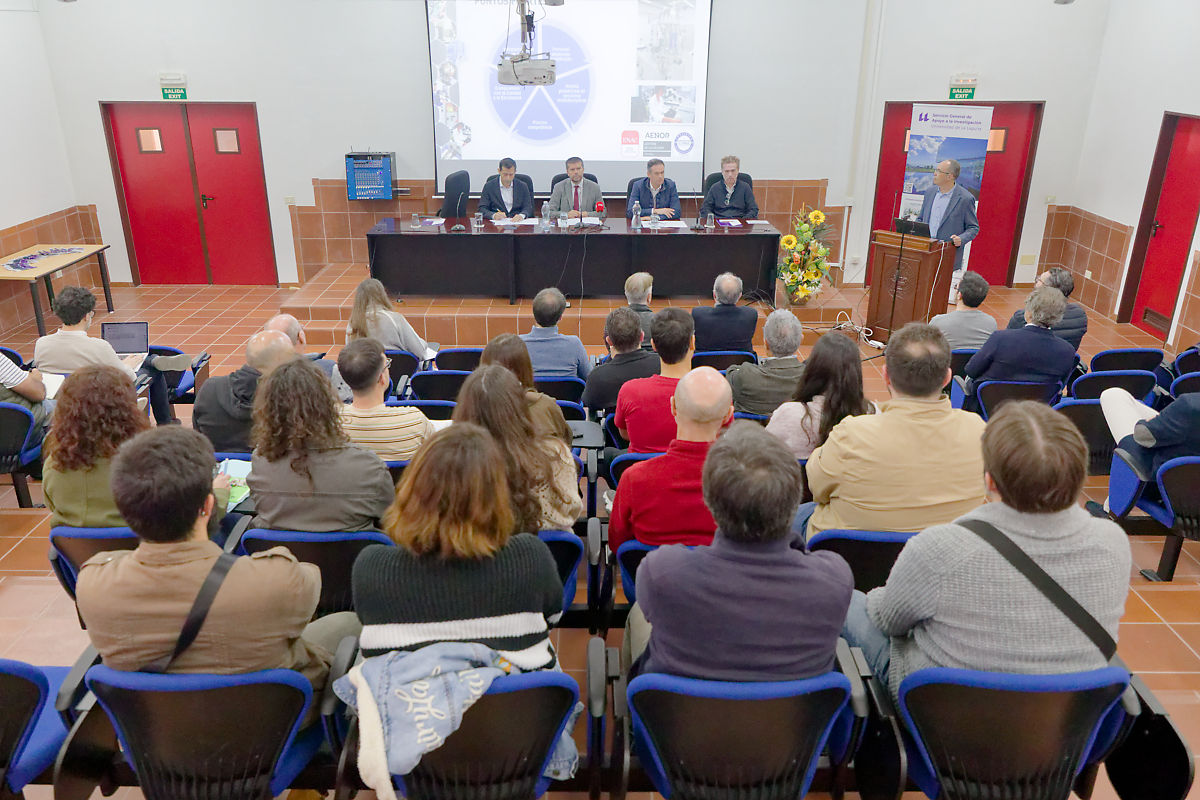 José Luis Rodríguez Marrero, director of SEGAI, took the opportunity to present this service, which comprises high-performance, high-cost scientific equipment—approximately €18 million in total—used by researchers from the university, as well as from other public institutions and companies. It consists of 25 laboratories or services staffed by highly qualified technical personnel and organized into four groups: biomedical technologies, elemental and molecular analysis, technological support services, and materials and surface characterization.
Alex Marco Gil, representative of SPECS, the company that developed the equipment, also spoke at the event, detailing the technical capabilities of this X-ray photoelectron spectroscopy (XPS) instrument. He explained that the device incorporates the maximum number of complementary techniques to those inherent in XPS, allowing for future expansion to meet the needs of the University of La Laguna by adding further components. This equipment generates X-ray photoemission that excites the internal electrons of the sample, producing a spectrum that can be analyzed by the instrument. He also explained the specific software that allows for the control of all analytical parameters.

 Spanish
 English
 French