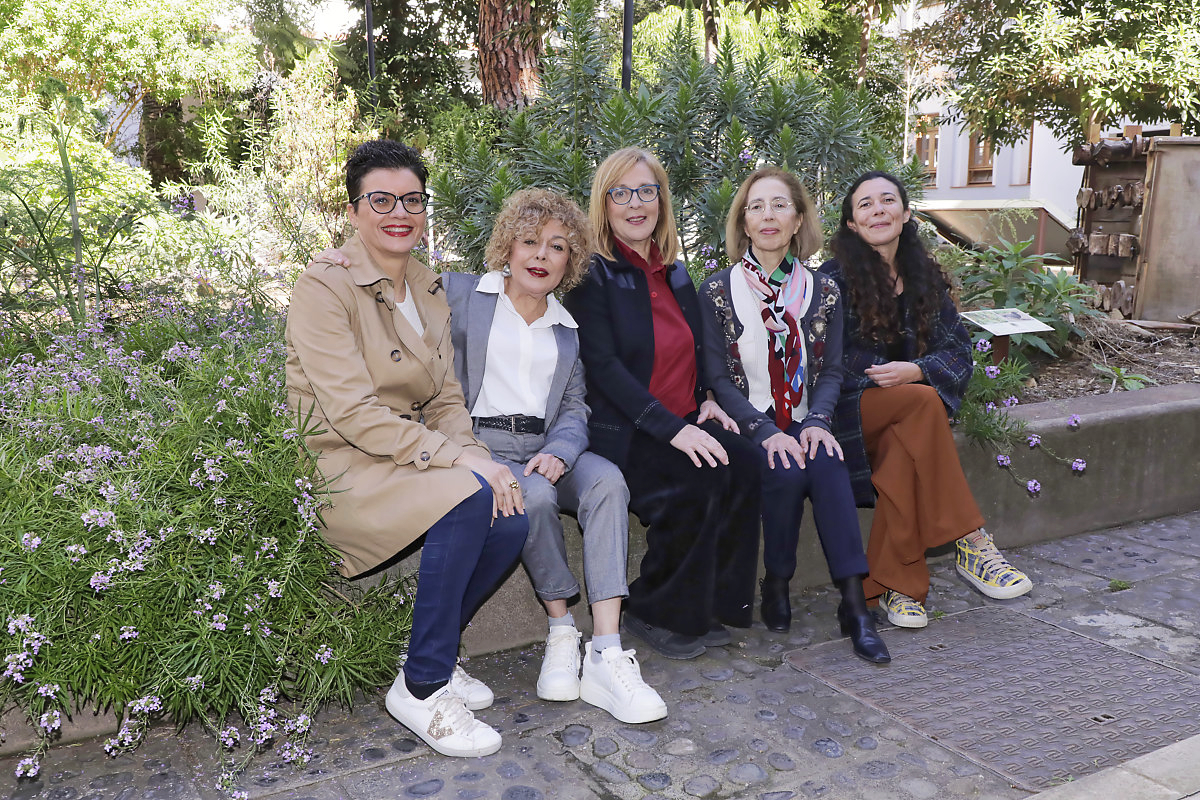
The astronomer, mathematician, and philosopher Hypatia was one of the first recorded female scientists. The mathematician Ada Lovelace is known for her work on Charles Babbage's analytical engine. The physicist and chemist Marie Curie was a pioneer in the field of radioactivity. The inventor and actress Hedy Lamarr created the first version of a modulation technique used in telecommunications. The oncologist Jane Cooke Wright was responsible for making chemotherapy a viable treatment for cancer patients.
These are all women who, throughout history, have made significant contributions to science and can serve as role models for girls and young women interested in pursuing careers in these fields. Every February 11th, the International Day of Women and Girls in Science is celebrated, aiming to highlight the current situation of women working in STEAM fields (science, technology, engineering, arts, and mathematics), with the goal of achieving gender equality in science. It also seeks to raise awareness of the work of women in STEAM, creating role models for girls and young women who can encourage them to choose these disciplines as career paths.
The report Women in Science in Numbers 2023 The study reveals that women are the majority in university studies in Health Sciences (71.8%), Arts and Humanities (62.7%), and Social and Legal Sciences (60.6%). However, their presence decreases in Sciences (50.8%) and is even lower in Engineering and Architecture (26.5%).
All with Cienci@ULL
The University of La Laguna, through its Scientific Culture and Innovation Unit, carries out the educational project “Girls with Science@ULL” and its educational audiovisual series “All with Cienci@ULL”, with the aim of fostering scientific and technological vocations among young women in the Canary Islands. These initiatives are supported by Cepsa Foundation Chair of Ecological Transition and Innovation of the University of La Laguna, the General Directorate of Youth of the Government of the Canary Islands and Cajasiete.
“All with Cienci@ULL” premiered its fifth season in the 2024-2025 academic year, featuring 20 female researchers from the University of La Laguna, representing diverse fields of knowledge. The episodes are organized into five categories: Biomedicine and Health, Science and Technology, Energy, Biodiversity and Environment, Science and Society, and Arts and Humanities.
Rubí Rodríguez, A researcher in the Obstetrics and Gynecology department at the University of La Laguna considers it an excellent project. “It is essential that young women know they have the same opportunities, capabilities, and rights as men to pursue a research career,” she states.
Beatriz Abdul-Jalbar, A researcher in the Statistics and Operations Research department at the University of La Laguna, emphasizes that initiatives like the “All with Cienci@ULL” series are fundamental. “If the situation of women in STEAM fields is not made visible, there could be a setback,” she says.
“I believe these initiatives serve as a springboard for future generations, providing girls and young women with role models that may help them gravitate towards fields that are still more skewed towards the male gender,” she says. Adriana Rodríguez, researcher in the Zoology area of the University of La Laguna.
However, Rodríguez asserts that there must also be genuine support from society to prevent female researchers from abandoning their work simply because they are women and mothers. In her own case, she believes she has experienced discrimination for being a woman, especially in the marine sector, which in the past—although this has changed—was biased towards men.
On the other hand, Rodríguez has felt discriminated against for being a mother, since maternity leave was not considered in research grant applications some time ago. “During both of my pregnancies, I was never entitled to maternity leave because I was on research grants that didn't include it,” she explains. Furthermore, Rodríguez points out that, on many occasions, breastfeeding mothers cannot attend academic conferences because there are no childcare facilities available so they can give their presentations and attend those of other researchers.
For their part, Lidia Santana, Santana, a researcher in the Department of Didactics and School Organization at the University of La Laguna, enthusiastically applauds these kinds of initiatives. “Women scientists have been silenced, with the exception of Marie Curie, whom I only learned about through high school textbooks,” she says. In this regard, when she forms working groups in her university classes, Santana assigns the name of a female scientist to each group so that students can learn about her and appreciate her important contribution to the advancement of science.
Dulce González, A researcher in the French Philology department at the University of La Laguna points out that there is no shortage of women interested in the humanities. In fact, she emphasizes that many young women are interested in these fields. However, González underlines that women in the humanities face greater difficulties in continuing their academic careers. In this regard, she stresses the need to create more opportunities. “Research contracts are precarious and don't allow for a stable living,” she states. She adds, “In the case of women, I think it's even more complicated, since their permanence in academia hasn't been sufficiently incentivized.”.
Biomedicine and Health
In the Biomedicine and Health section of the fifth season of the series “Todas con Cienci@ULL”, researcher Rubí Rodríguez is featured, among others, who shares that, during her
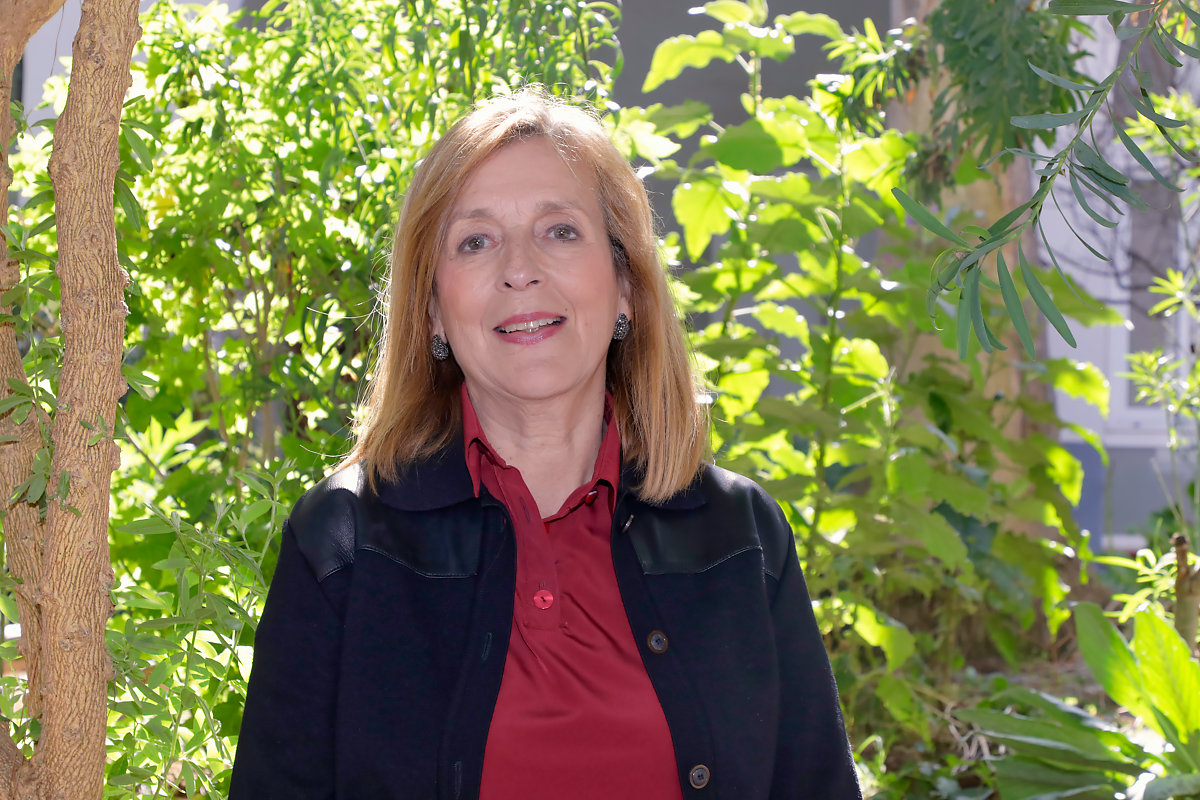
Rubí Nieves Rodríguez.
During his medical studies, he always knew that research was a fundamental aspect of his career. Furthermore, his father, a chemist by profession, planted the seed that inspired him to follow in his footsteps, as he always spoke enthusiastically about the work he carried out with the professor of Organic Chemistry, Antonio González.
“When I finished my degree, I knew it was essential to complete both my undergraduate thesis and doctoral dissertation,” she says. Thus, she focused her undergraduate thesis on vaginitis, under the supervision of researcher José Carlos Alberto Bethencourt. “It was a very enriching experience, as it allowed us to analyze the incidence of sexually transmitted infections (STIs) in the province of Tenerife,” she explains. With her doctoral dissertation, Rodríguez incorporated new techniques and expanded her study to include pathogens such as chlamydia and gonorrhea.
From her beginnings in obstetrics and gynecology, she focused her research on assisted reproduction. Together with three attending physicians, she began working in this field, analyzing and comparing treatments. “In 2015, I focused on studying metals and their impact on reproduction,” she says. There are environmental toxins that affect fertility and assisted reproductive techniques. “Since then, I have dedicated most of my work to investigating the influence of metals on reproduction,” she states.
Apart from Rubí Rodríguez, the Biomedicine and Health area of the fifth season is made up of Ingrid Morales, a researcher in the area of Physiology, who focuses her work on the pathophysiological study of neurodegenerative diseases associated with aging; Itahisa Marcelino, a researcher in the area of Preventive Medicine and Public Health, whose lines of research include clinical epidemiology, genetics and genomics, metagenomics of the diabetes mellitus and other prevalent diseases, as well as the study of microbiota and antibiotic resistance in environmental samples; and Emma Carmelo, a researcher in the field of Parasitology, whose research focuses on the immune response to Leishmania infantum y Trypanosoma cruzi, global patterns of gene expression, and the development of immunomodulatory therapies and immunoprophylactic vaccines.
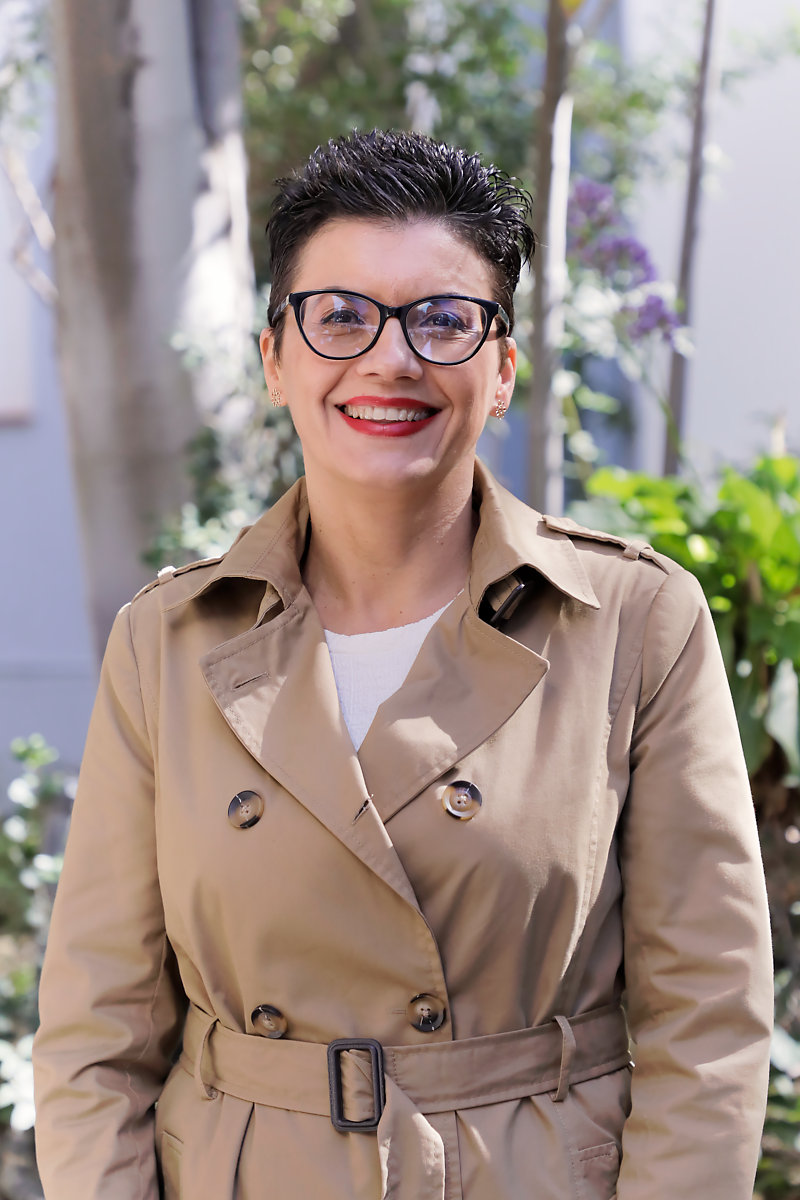
Beatriz Abdul-Jalbar.
Science and Technology
In the field of Science and Technology, we find Beatriz Abdul-Jalbar, who notes that her interest in research began in her final year of university with a course on Operations Research models, taught by researcher Joaquín Sicilia. “I realized how important it was to control inventory so that companies could optimize their profits,” she states. Thus, she became more interested in the topic, delved deeper into the course, and ultimately wrote her undergraduate thesis on mathematical models for inventory management in more complex systems. Subsequently, she developed her doctoral thesis on inventory control in supply chains, one of her main lines of research to this day.
Another area of his research is related to teaching. “Although my area is Operational Statistics, I teach many statistics courses at various levels,” says Abdul-Jalbar. “This has allowed me to collaborate with researchers from other disciplines, helping them analyze complex data using advanced statistical methods,” he adds. For example, he has worked with biologists on aquaculture, contributing to data analysis for designing more efficient diets.
In addition to Abdul-Jalbar, the Science and Technology section of the fifth season of the series is completed by Emma Fernández, a researcher in the field of Astronomy and Astrophysics, whose line of research focuses on galactic archaeology; Angeles Camacho, a researcher in the area of Animal Production, who studies grazing management in the protected areas of the Canary Islands and the characterization of carcass and meat quality of Canarian sheep breeds; and María Montserrat Acosta, researcher in the area of Graphic Expression in Engineering, whose lines of research include the development of participatory processes for conflict resolution in management and planning, as well as the study of green infrastructures.
Energy, Biodiversity and Environment
“From a young age, I was fascinated by marine biology; I loved putting on my goggles and snorkel to observe everything that was happening underwater,” says Adriana Rodríguez. “It was in fourth grade of
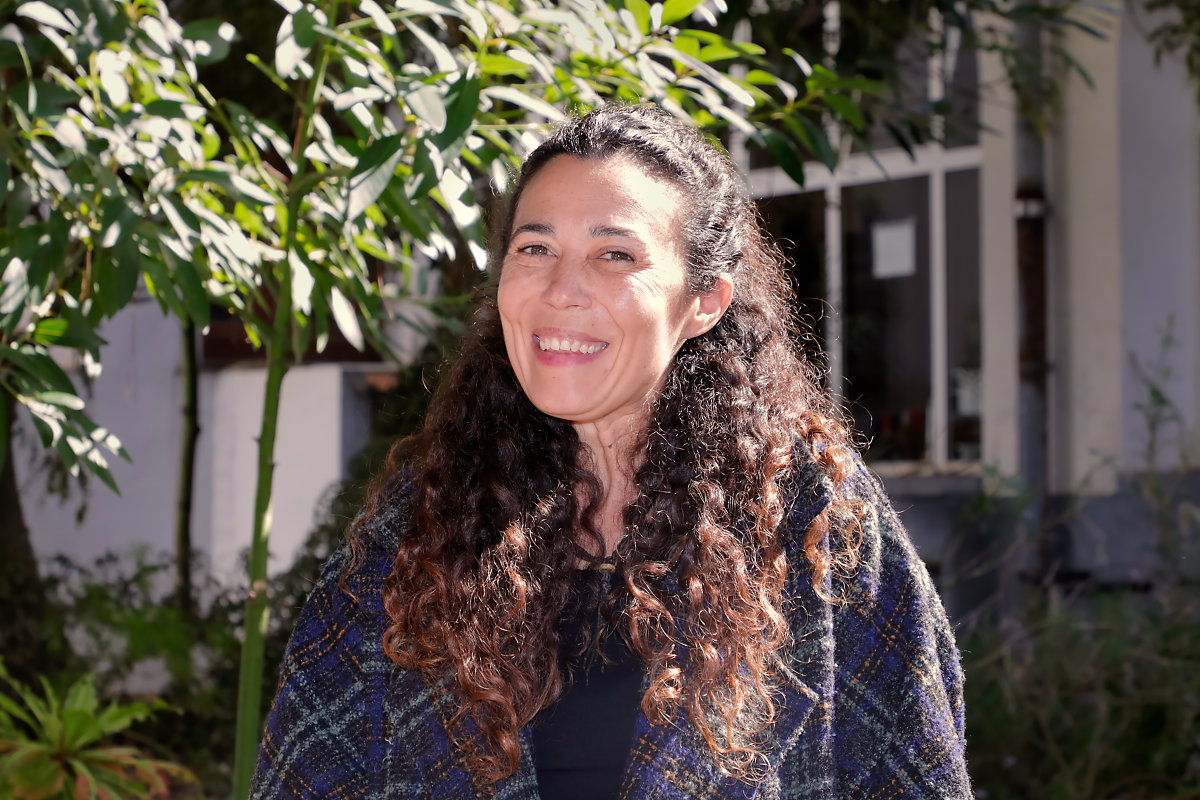
Adriana Rodríguez.
”I discovered biology when researcher Alberto Brito sparked my curiosity to investigate,“ he says. ”At that time, Brito invited me to participate in a scientific campaign in the Mar de Las Calmas marine reserve, in El Hierro. That's when I knew I wanted to dedicate myself to research,” he explains.
In this regard, their research focuses on studying the ecophysiological response of marine organisms to climate change (heat waves, ocean warming and acidification, among other phenomena). To this end, they conduct various hands-on experiments both in the laboratory and in the field, as well as carrying out sampling across a vast region encompassing both temperate and warm zones. In this way, they analyze how these changes affect the distribution of marine organisms.
Along with Adriana Rodríguez, the Energy, Biodiversity and Environment knowledge area of the fifth season of “Todas con Cienci@ULL” is made up of Penelope Cruzado, researcher in the field of Paleontology, who studies the systematics and paleobiodiversity of Cretaceous ornithopod dinosaurs, the fossil fauna of Quaternary vertebrates of the Canary Islands, as well as the zooarchaeology of Holocene terrestrial and marine vertebrates of the Canary Islands; Ana María Rodríguez Alloza, a researcher in the area of Transport Engineering and Infrastructure, whose research focuses on sustainable materials for roads and life cycle analysis for sustainable asphalts; and María del Carmen Arévalo, a researcher in the area of Physical Chemistry, whose lines of research include organic electrochemistry and electrocatalysis, as well as the development of electrosensors.
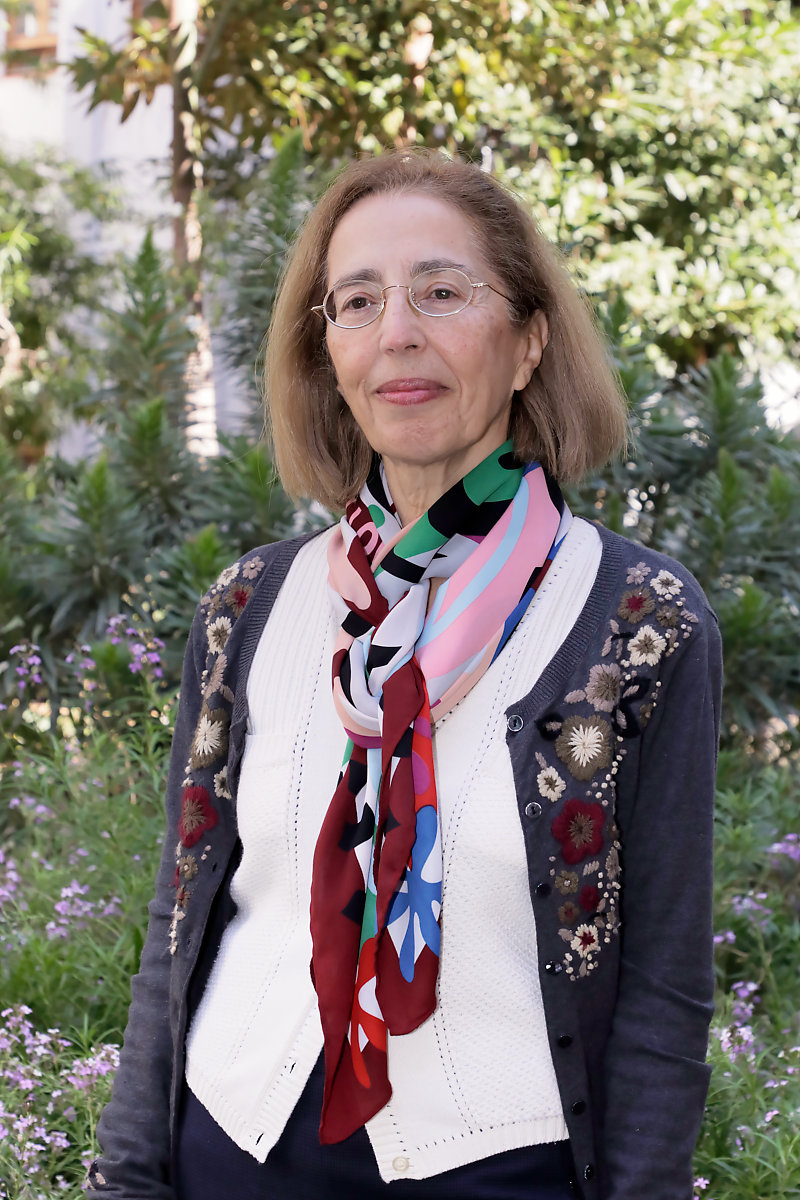
Lidia Santana.
Science and Society
Lidia Santana recounts that the seed of her interest in the exciting, arduous, and challenging world of research was planted by two research projects. The first involved Professor José Luis Moreno, who invited her to participate in a project aimed at understanding the career paths of Economics and Business Administration students. Separately, Santana collaborated on a project with the Institute of Educational Sciences to develop a medical, psychological, and pedagogical assessment of students on the island of La Graciosa, which had a high rate of academic failure.
Among its lines of research are the design, development and evaluation of programs to work on tutorial action of students in secondary school, gender stereotypes and vocational variables in secondary school students, the profiles of decision making of secondary school students, the construction of life project and the didactic quality of the teaching staff, especially in secondary education.
Along with Santana, this area of knowledge is made up of Esther Beltrán, a researcher in the area of Physical Geography, who focuses her research on applied physical geography, the dynamics and typology of the landscape, with special interest in recent and historical volcanic territories; Judit Mendoza, a researcher in the area of Financial Economics and Accounting, whose lines of research include non-commutative algebraic geometry and quantitative finance, among others; and Carmen Ascanio, a researcher in the field of Sociology, whose research focuses on migration, gender, identities and cultural heritage, cultural and development cooperation policies, and qualitative methodologies.
Arts and Humanities
Dulce González delves into the investigation of medieval French literature, encouraged by a professor with whom she wrote her thesis on Marie de France, a 12th-century writer.
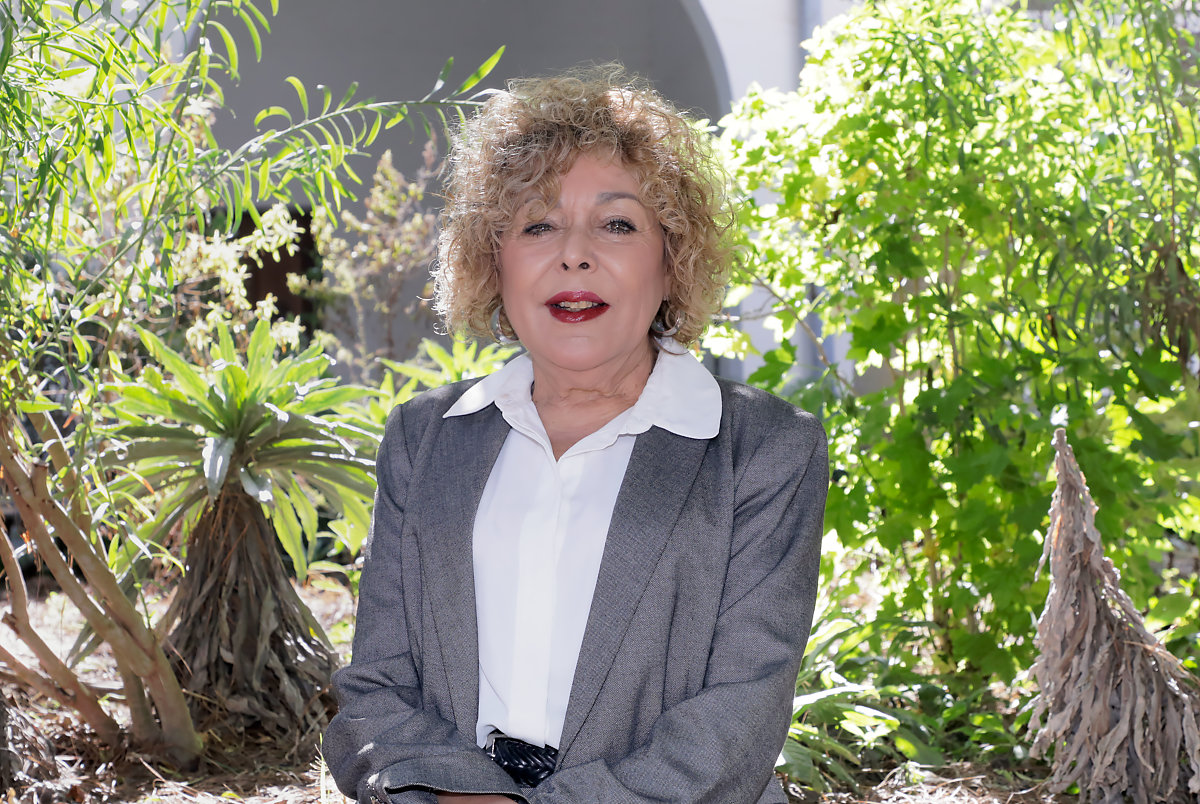
Dulce González Doreste.
the first of which anything written in French is preserved, and her work on the lais. Later, she continued with the same theme for her thesis, but in a much broader way. “It was a thesis that also included linguistic statistics, since it consisted of obtaining keywords to determine whether two works attributed to her were actually hers or not,” she says.
Thus, during various research stays abroad, especially in France, he primarily worked on short genres. Over time, his career led him to participate in international projects, such as the study of the relationship between text and image in the manuscripts of the medieval work. Roman de la Rose, considered a best-seller, since around 300 manuscripts are preserved.
In recent years, González has focused on the 16th century, investigating treatises on women's education and the models of behavior proposed for them in the Middle Ages. All of these projects have been developed within the framework of the Institute of Medieval and Renaissance Studies, where she currently serves as director.
Apart from González, the other researchers who are part of the Arts and Humanities area of the fifth season are Maravillas Aguiar, a researcher in the area of Arab and Islamic Studies, whose research focuses on the study of situations of scientific and intellectual continuity in apparently discontinuous societies and periods from the 14th to the 17th centuries, among other topics; Ana Marqués, a researcher in the area of Didactics of Plastic Expression, who focuses on illustration, picture books, educational materials, photography and new media of representation to apply them to practices in art education; and Sweet Cairos, researcher in the area of Labor Law and Social Security, who studies individual and collective labor law, social security law, as well as international labor law and European social policy.
(This report is an initiative framed within the InvestigaULL Commemorations Calendar, a scientific dissemination project promoted by the University of La Laguna).
Scientific Culture and Innovation Unit (Cienci@ULL)

 Spanish
 English
 French