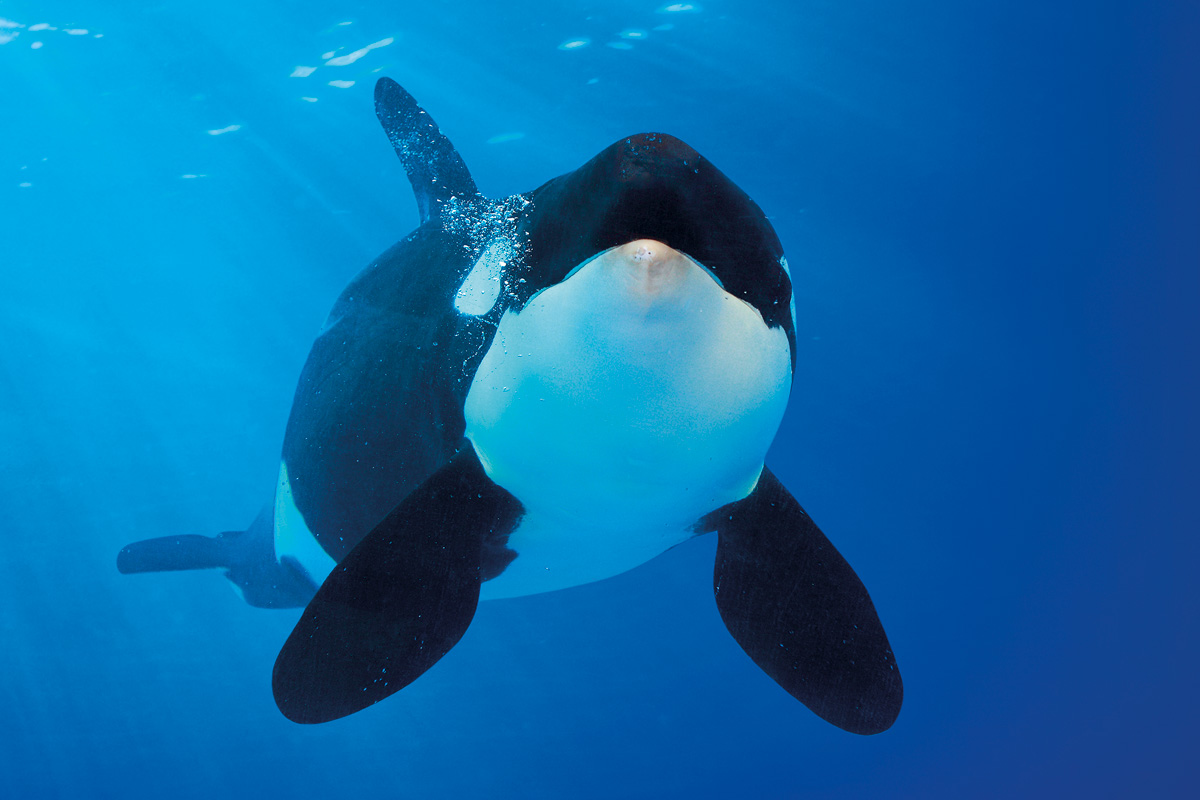
The research group of Physical Bioacoustics and Distributed Multi-sensors from the University of La Laguna has presented in the International Orca Symposium, The conference, currently being held in Tarifa (Cádiz), represents a significant advance in the study of orca communication. It is the first artificial intelligence tool capable of automatically classifying orca vocalizations in real time, a step that could significantly change our understanding of these large marine animals.
The innovative neural network, developed entirely by the research group at the University of La Laguna, has managed to analyze almost two decades of recordings of orca sounds in Loro Parque, to optimize its operation so that it can be run on a minicomputer. This allows the classification of sounds to be performed virtually in real time, opening the door to its application in autonomous instruments at sea, thanks to its low computing requirements. This is a milestone in bioacoustic research, and its replicability broadens the horizons for its use in other species.
The team from the University of La Laguna has worked on both the software —the neural network on which this artificial intelligence system is based— and the hardware, a low-cost, low-power smart node that is already being successfully tested on two oceanographic buoys of the project CanBIO in the Canary Islands. This technology could be an important tool for studying the interactions between human activities and wild orca populations. In this regard, Fernando Rosa, The group's lead researcher emphasizes that real-time identification of animals' vocal activity "can improve our understanding of how these animals respond to human presence.".
Orcas, known for having one of nature's most complex vocal communication systems, possess unique dialects within each family group, consisting of one or two dozen sounds used in various social interactions. Until now, the study of the meaning and use of these vocal signals has been limited by the difficulty of tracking these animals at sea, the complexity of manually classifying the sounds, and the limited amount of available data. According to [author's name/title], Jonah Luke, According to a researcher in the group, this new automated system will allow researchers to access a much larger database, "which can help in the statistical analysis and study of the vocal communication system of these mammals.".
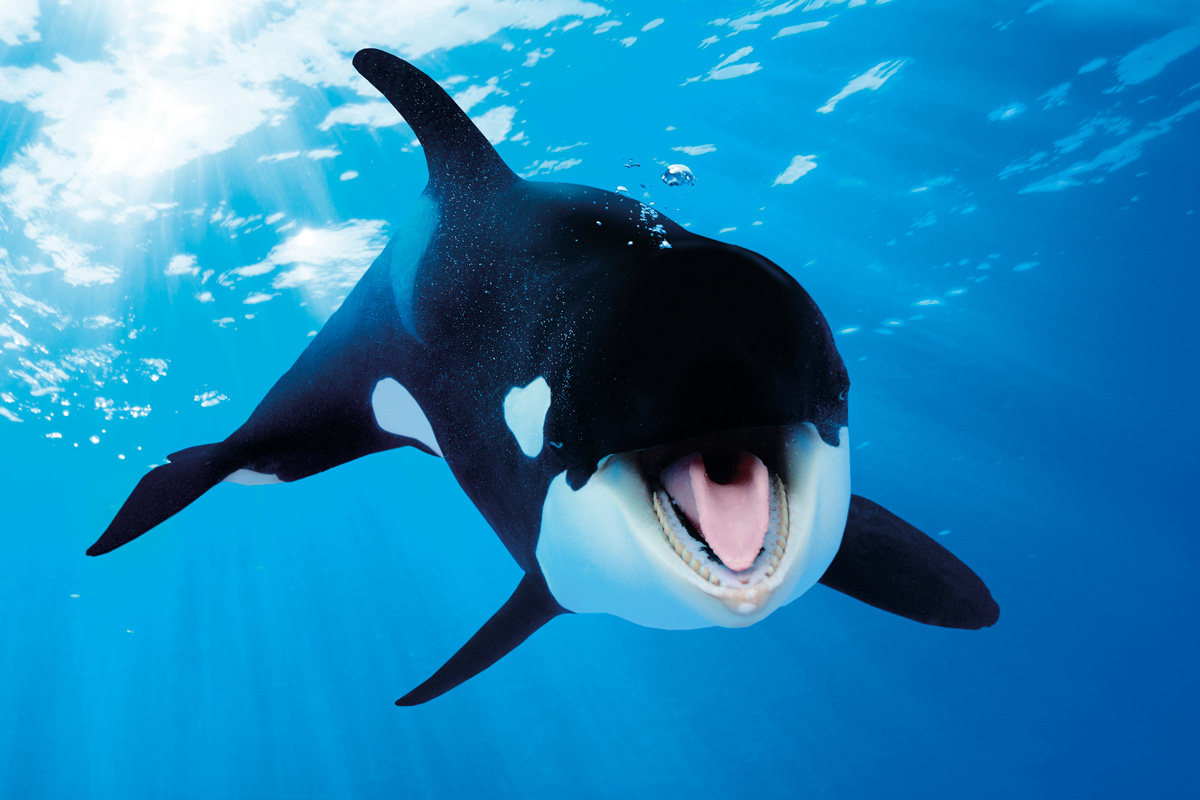 One of the most promising aspects of this research is the possibility of monitoring certain aspects of orca welfare based on the sounds they produce. This practice is already used with farm animals, where sounds indicating social conflict and stress have been identified, allowing for interventions to mitigate problems through environmental changes. Applying this technology to orcas could help optimize their management and welfare under human care, as well as monitor interactions between human activities and wild orca populations, identifying their reactions to human presence.
Although this tool is currently calibrated to identify the specific dialect of the orcas at Loro Parque, researchers are already working to adapt the neural network to the dialects of wild orcas and evaluate its effectiveness in the ocean environment.
The presentation of this breakthrough coincides with a key moment at the International Orca Symposium, where international experts will meet this week to discuss various aspects related to these creatures, including recent interactions with sailboats that have sometimes resulted in the sinking of vessels.
With this milestone, developed entirely in the Canary Islands and thanks to the financial support of the Loro Parque Foundation, the University of La Laguna places Spain at the forefront of research on the communication system of orcas, opening new perspectives for the conservation and understanding of these unique cetaceans.

 Spanish
 English
 French