The Chair of Agritourism and Wine Tourism of the Canary Islands The Canary Islands Institute of Agri-Food Quality and the University of La Laguna have been collaborating for several years with the Gran Canaria Wine Route through joint participation in various events and conferences. This relationship was formalized today, Wednesday, July 16, with the signing of an agreement that will allow it to be strengthened through the organization of joint training, scientific, and outreach activities.
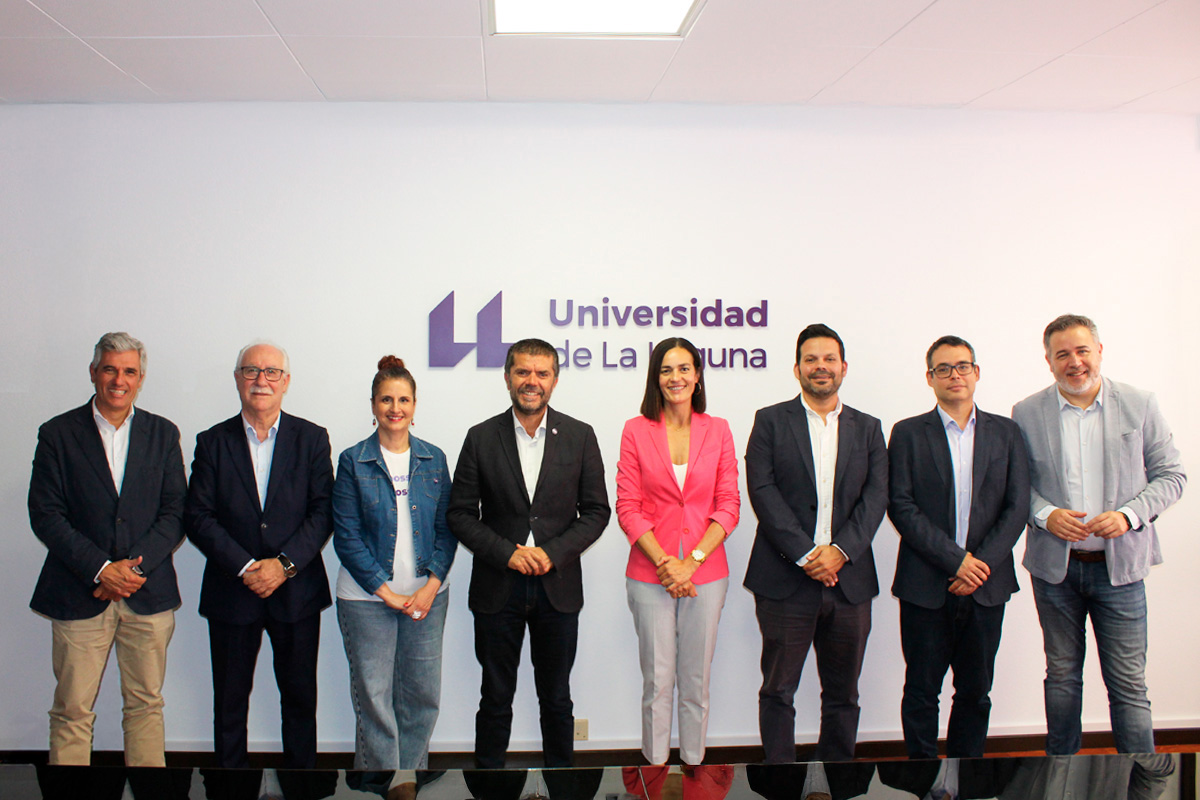
The agreement was signed by Rector Francisco J. García Rodríguez on behalf of the University of La Laguna, and by Sandra Armas Juez, President of the Gran Canaria Wine Route. Also present at the event were Eduardo García, Deputy Minister of the Primary Sector of the Government of the Canary Islands; Miguel Hidalgo, Councilor for the Primary Sector, Food Sovereignty, and Water Security of the Gran Canaria Island Council; Isabel León, Vice-Rector for Culture and University Extension; Alejandro Báez, Island Director of Agriculture, Livestock, and Fisheries of the Gran Canaria Island Council; and Jesús de las Heras and Gabriel Santos, Director and Co-director of the Canary Islands Chair of Agritourism and Wine Tourism, respectively.
The rector praised this agreement as yet another example of the dynamism of the university chair, which has established relationships with stakeholders across all the islands. This initiative allows the university to maintain close ties with the sector through the involvement of all stakeholders, from the public, private, and academic spheres. García also considered that promoting the food and wine tourism sector can help address one of the structural problems of the Canary Islands' economy: low productivity. This can be achieved by enhancing the value of the primary sector, creating synergies with the service sector, and thereby increasing its economic potential.
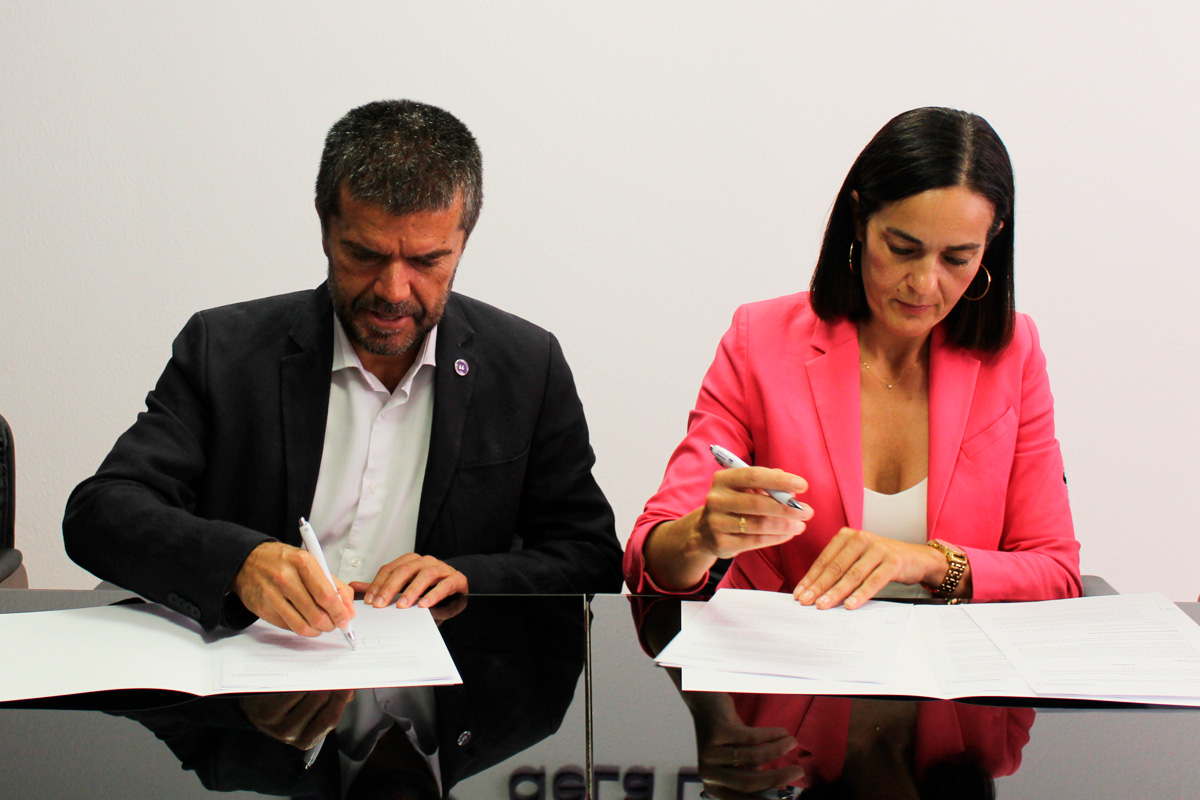 The president of the Gran Canaria Wine Route expressed her gratitude to the university, through its chair, for building bridges between the islands. She noted that the signing of the agreement was a natural progression, given the existing collaboration between the two entities, and that it will now open new doors. In this regard, Sandra Armas emphasized that the goal is to achieve more sustainable wine tourism linked to the countryside, and that research, training, and outreach are all essential to achieving this.
The other participants agreed in praising this agreement, which not only expands the regional reach of the chair but also enhances the value of the primary sector, the work of those involved in it, and even the territory and landscape as resources. For the university chair, it is also highly important to strengthen its relationship with the only Canary Island wine route currently certified by the Spanish Association of Wine Cities (ACEVIN).
The agreement signed today is a general collaboration protocol that has an initial validity of two years, automatically renewable annually if either party does not express its desire to terminate it. It outlines the general lines of work and the mechanisms for organizing and monitoring compliance with the agreement, as well as legal issues related to data protection and intellectual property protection of the results that may arise from this collaboration.

 Spanish
 English
 French