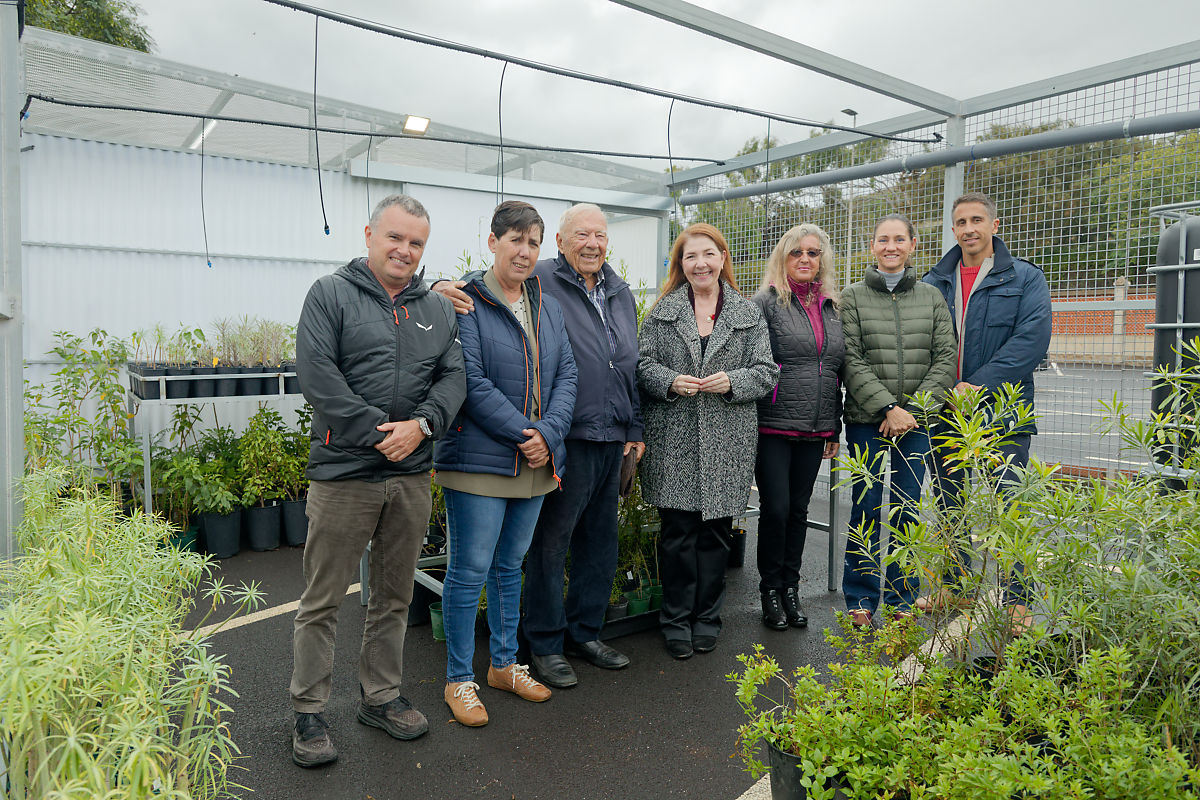
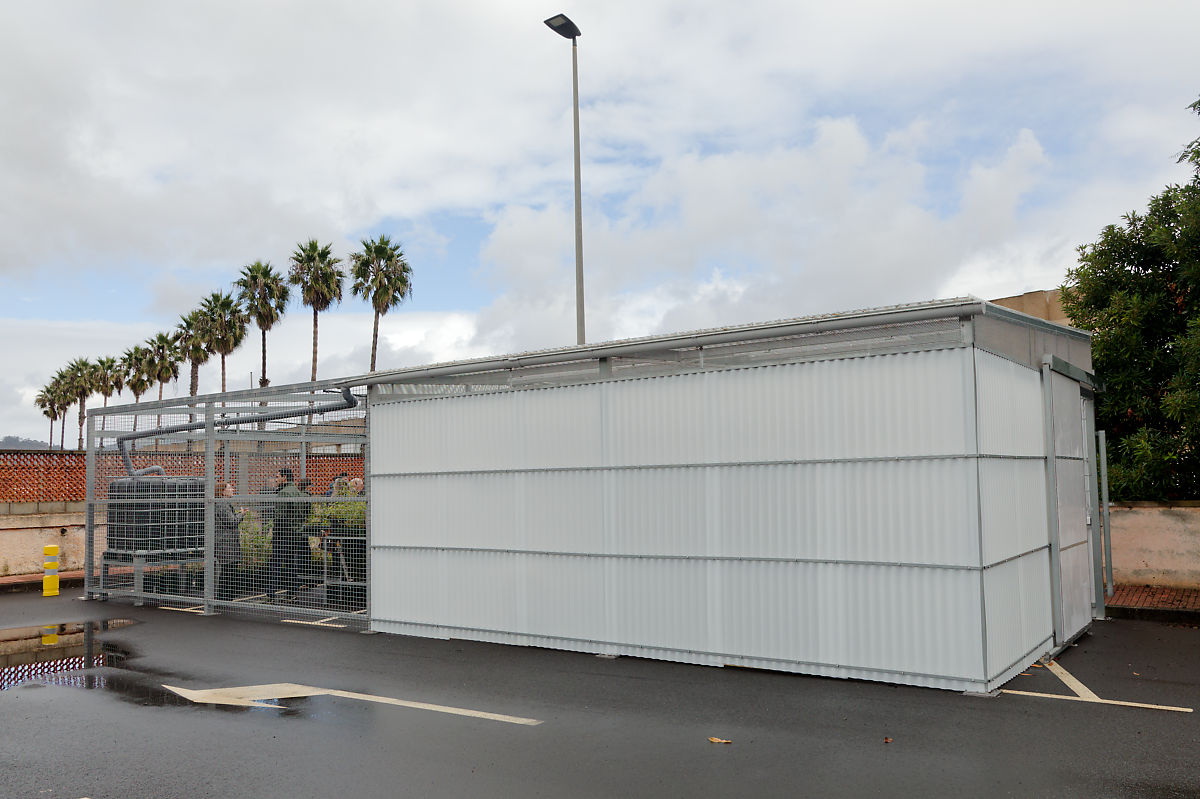
Last Friday, November 21, the University of La Laguna inaugurated the greenhouse of the Renatura Monte de Las Mesas project, a facility located in the rear parking lot of the Faculty of Pharmacy that will serve to acclimatize plant species destined for the ecological restoration of this area belonging to the Biosphere Reserve of the Anaga Massif.
Victoria Eugenia Martín, director of the Wolfredo Wildpret Botanical Garden Chair From the University of La Laguna; Marta Domínguez, Vice-Rector for Sustainability and Infrastructure of the academic institution; Blanca Delia Pérez, Island Councilor for Natural Environment, Sustainability, Safety and Emergencies of the Tenerife Island Council; Belén Machado, head of the Moeve Foundation in the Canary Islands; and Diego Brook, manager of the Santa Cruz Sustainable Foundation. Also present were the Tenerife Mountaineering Federation, the Nivaria Mountaineering Club, and representatives from the Department of Natural Environment.
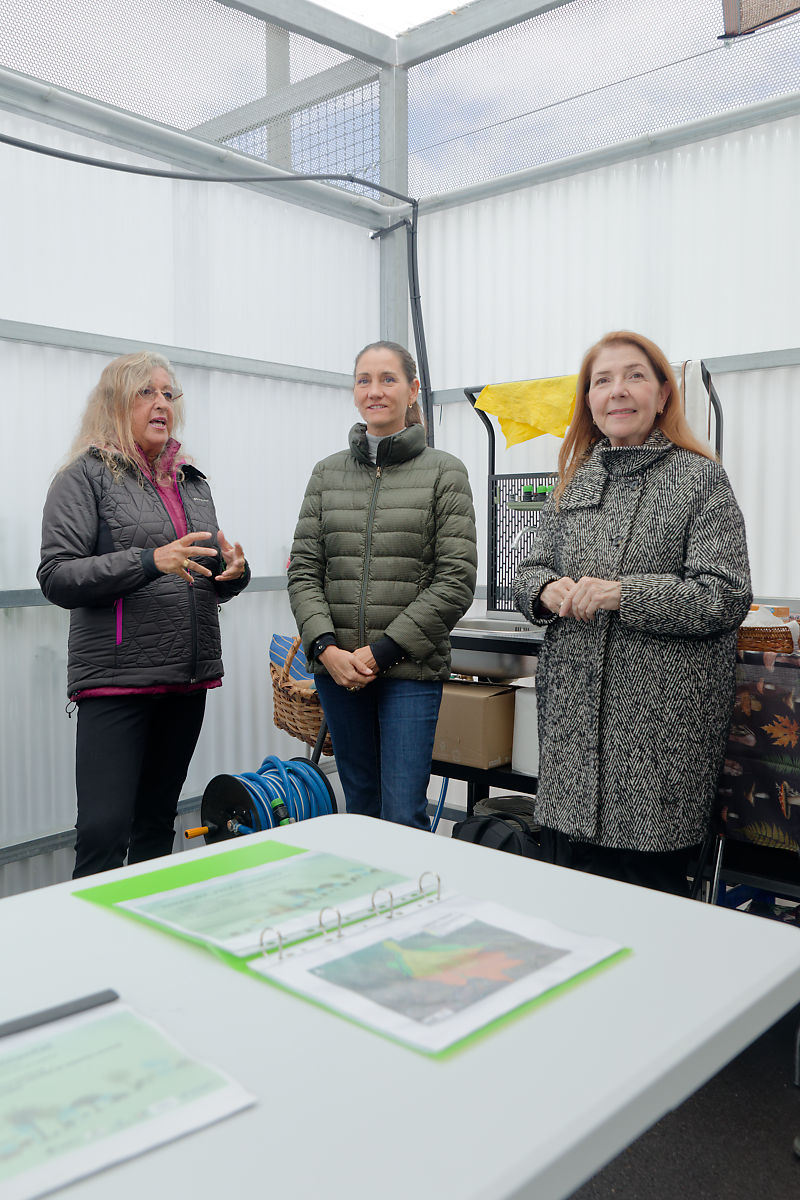
 The chair's director explained that the main objective is "to restore the area's potential vegetation, that is, what once existed but is now degraded." However, she cautioned that it is a long-term process, adding, "The hardest part is yet to come: getting everything there and seeing how it responds." Machado, for her part, highlighted the "satisfaction of seeing a project that began two and a half years ago start to bear fruit," also emphasizing its ability to unite people and promote environmental awareness.
The island councilor insisted that “the success of this project depends on raising public awareness,” an idea echoed by the manager of the Santa Cruz Sustainable Foundation, who emphasized the importance of community involvement. To close the event, the vice-rector stressed that “these kinds of initiatives thrive thanks to people’s commitment,” and highlighted the role of the University of La Laguna as a bridge between the university and society through academic chairs such as the Chair of Environment and Sustainable Development.
The Renatura Monte de Las Mesas project is a joint initiative of the Wolfredo Wildpret Botanical Garden Chair of the University of La Laguna, the Island Council of Natural Environment, Sustainability, Security and Emergencies of the Tenerife Island Council, the Moeve Foundation, the Santa Cruz City Council and the Santa Cruz Sustainable Foundation.
Seeds for restoration
 The new greenhouse is a key element in the ecological recovery of Monte de Las Mesas, an area with a high level of degradation. Approximately 30% of the species in the area are endemic, native to the Canary Islands and even exclusive to Tenerife, many of them adapted to the current periods of drought.
The restoration process begins with the year-round collection of seeds, taking into account the specific phenology of each species. After collection, the seeds are transferred to the germination greenhouse, where they are cleaned, sown, and monitored. Once the seedlings reach adequate development, they are transplanted into individual pots and moved to the acclimatization greenhouse.
This facility has two distinct areas: an enclosed zone, designed to minimize plant stress during the post-transplant period, and an outdoor area where the plants complete their acclimatization to the surrounding environment. Currently, the greenhouse houses approximately 1,200 plants that are ready for their future incorporation into the forest restoration efforts.
Furthermore, the project has an outreach and educational component aimed at the general public and the university community. Plans include the creation of a nature classroom on Monte de Las Mesas itself for workshops and courses focused on environmental conservation. In addition, training sessions will also be held in the greenhouse itself. first activity It will be held this Wednesday, November 26th, and will consist of a practical session dedicated to seed cleaning, a preliminary phase of the germination process.
With the opening of this greenhouse, the University of La Laguna reinforces its commitment to environmental conservation, applied research and raising awareness in society about the importance of protecting and restoring local ecosystems.

 Spanish
 English
 French