Government Pavilion, C/ Padre Herrera s/n
P.O. Box 456
38200, San Cristóbal de La Laguna
Santa Cruz de Tenerife - Spain
Switchboard Tel.: (+34) 922 31 90 00
Hours: Mon-Fri, 8:00 a.m. to 9:00 p.m.

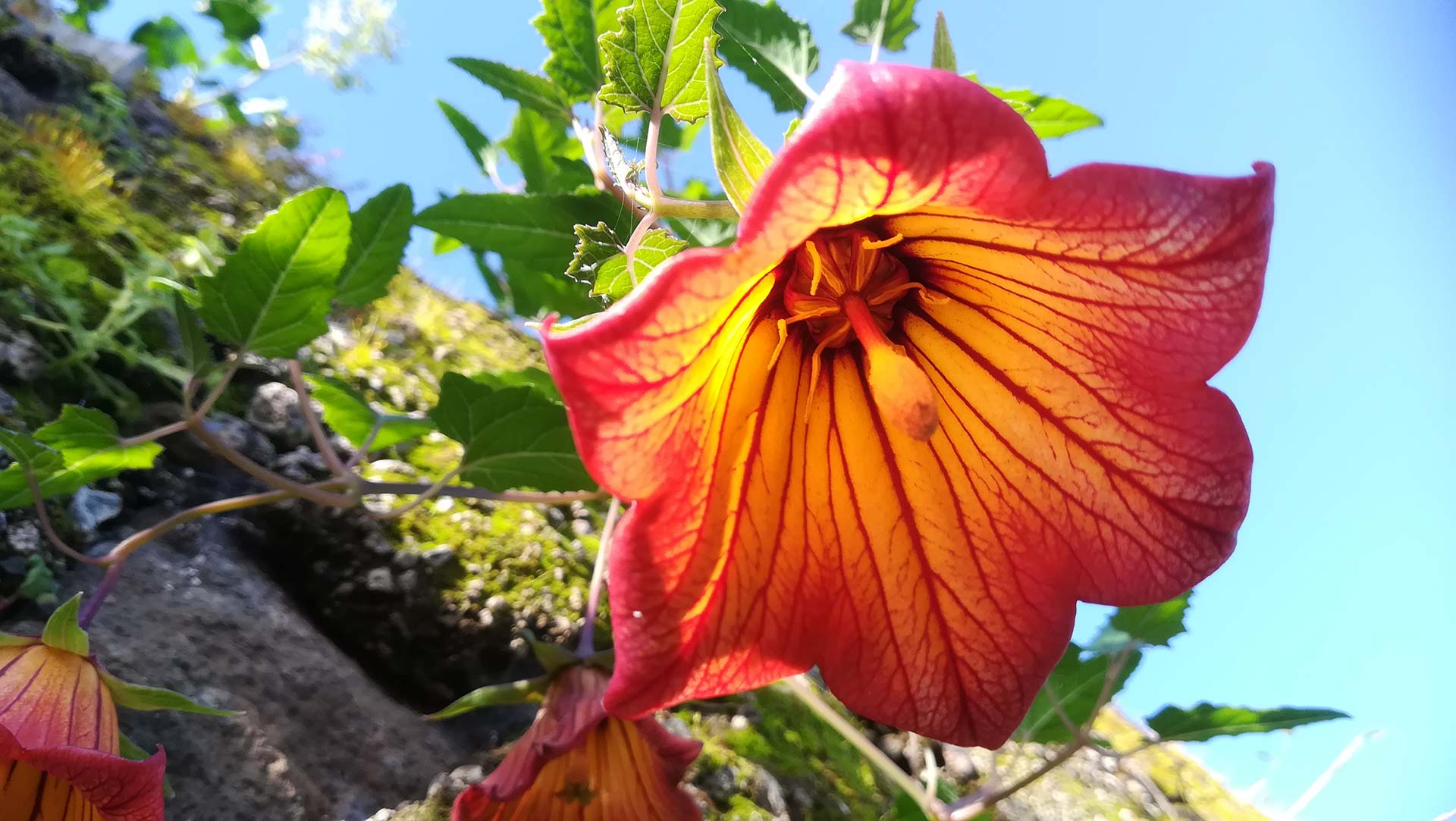
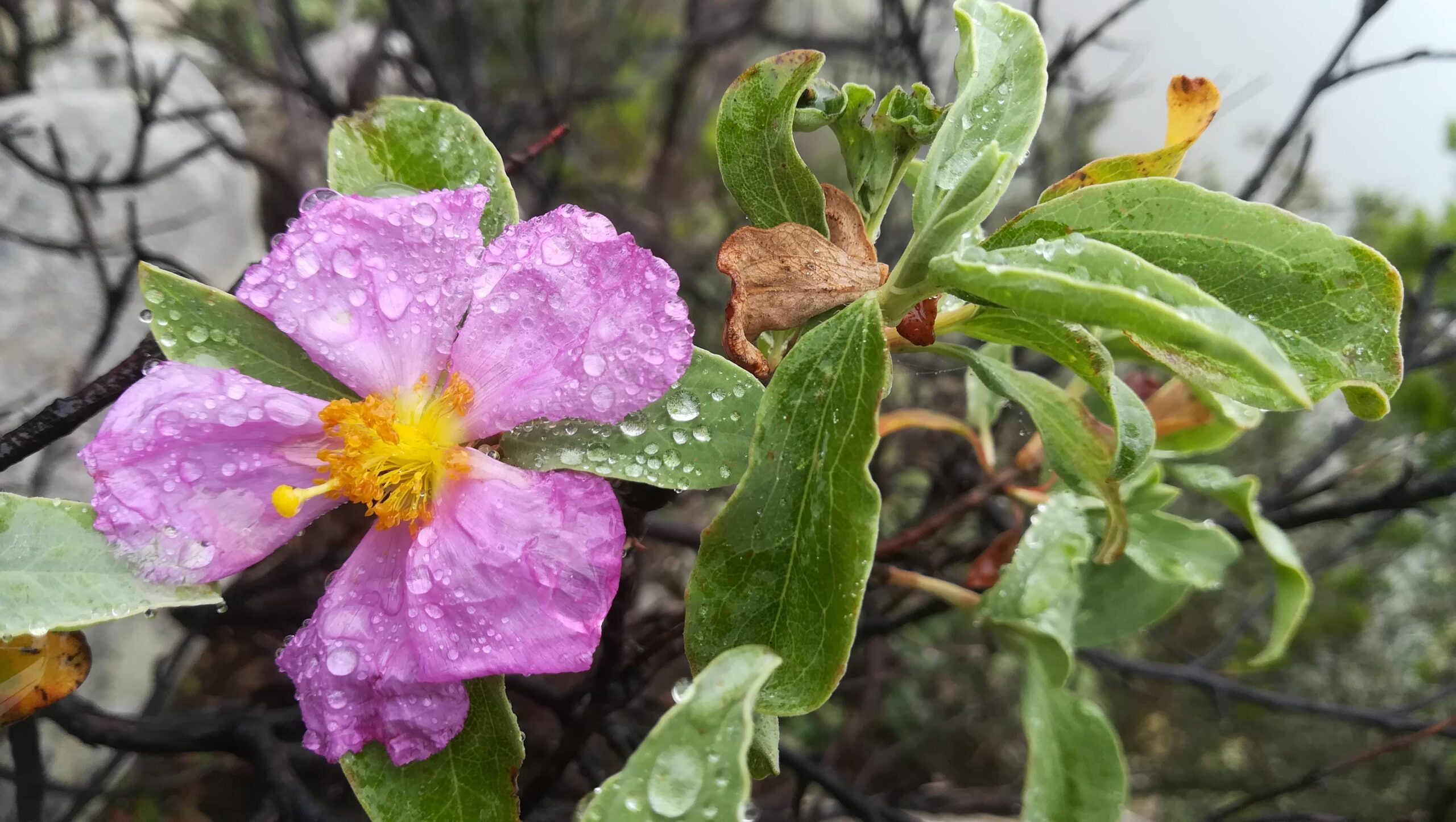
The vast majority of Canary Island plants have their closest relatives in nearby regions. However, the plants that arrived on the islands had to adapt to a new environment, evolving and exhibiting, over a long period, genetic, morphological, physiological, chemical, and ecological changes, among others, giving rise to the current flora of the Canary Islands.
The processes that comprise the evolution of species are known as phylogeny. Phylogeny can occur by anagenesis (one species evolves and gives rise to another, the original disappearing) or by cladogenesis (one species evolves and gives rise to others by branching).
According to David Bramwell (1986), the more than 1,200 native plants and more than 500 endemic plants known in the Canary Islands arose from approximately 186 "mother plants." Therefore, cladogenesis must have been the process that has made the greatest contribution to the origin of the Canary Island flora we know today.


For the process of evolution to take place, changes in the genetic material (mutations) that occur in individuals accumulate over generations, eventually leading to genetic variability (sometimes involving changes in their physiology, biochemistry, morphology, etc.) that can translate into a series of adaptive advantages:
Thus, individuals best adapted to the environment perpetuate their genes (and therefore their beneficial traits) in their offspring (sometimes leading to the process of speciation), while those that do not have beneficial traits to adapt to the environment have more trouble perpetuating their genes in the population, eventually disappearing.
When the diaspora of a taxon reaches an island and manages to establish stable populations, it is not different from the plant of continental origin, but by adapting to this new island environment (over time), and thanks to natural evolutionary processes, the population or populations begin to differentiate from the original individuals, and even from the individuals of other contemporary populations.
In the case where all populations are the same, but different from the original taxon, it is called anagenesis and genetic drift is the most important driver of speciation in these cases (e.g.: Navaea phoenicea, Plocama pendula, Bosea yerbamora, etc.).
In the case where populations diverged from each other, giving rise to different taxa, it would be called cladogenesis or adaptive radiation, with natural selection being the main driver of this type of speciation (e.g., Aeonium, Argyranthemum, Echium, Limonium, etc.).
Government Pavilion, C/ Padre Herrera s/n
P.O. Box 456
38200, San Cristóbal de La Laguna
Santa Cruz de Tenerife - Spain
Switchboard Tel.: (+34) 922 31 90 00
Hours: Mon-Fri, 8:00 a.m. to 9:00 p.m.
