Government Pavilion, C/ Padre Herrera s/n
P.O. Box 456
38200, San Cristóbal de La Laguna
Santa Cruz de Tenerife - Spain
Switchboard Tel.: (+34) 922 31 90 00
Hours: Mon-Fri, 8:00 a.m. to 9:00 p.m.

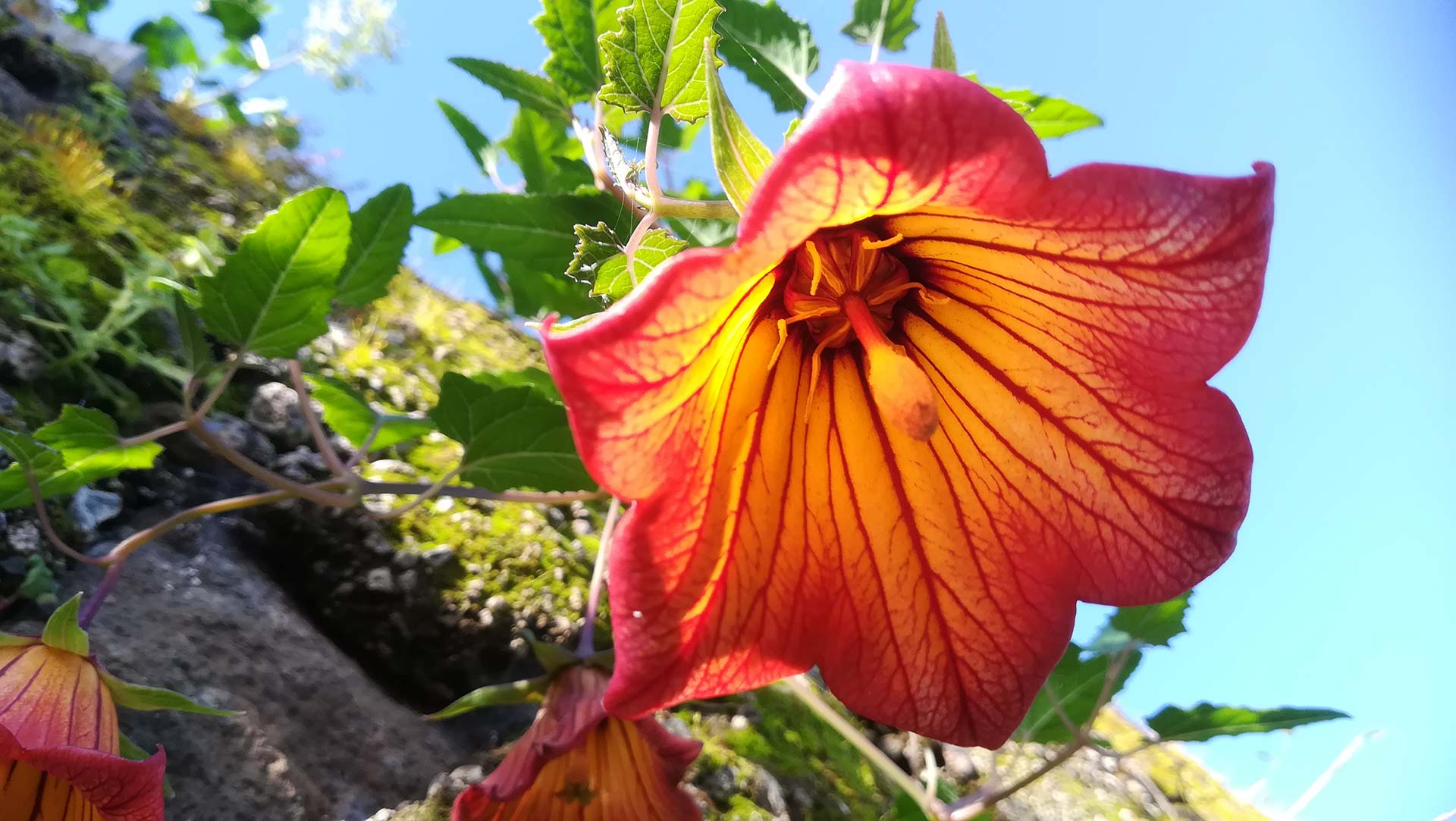
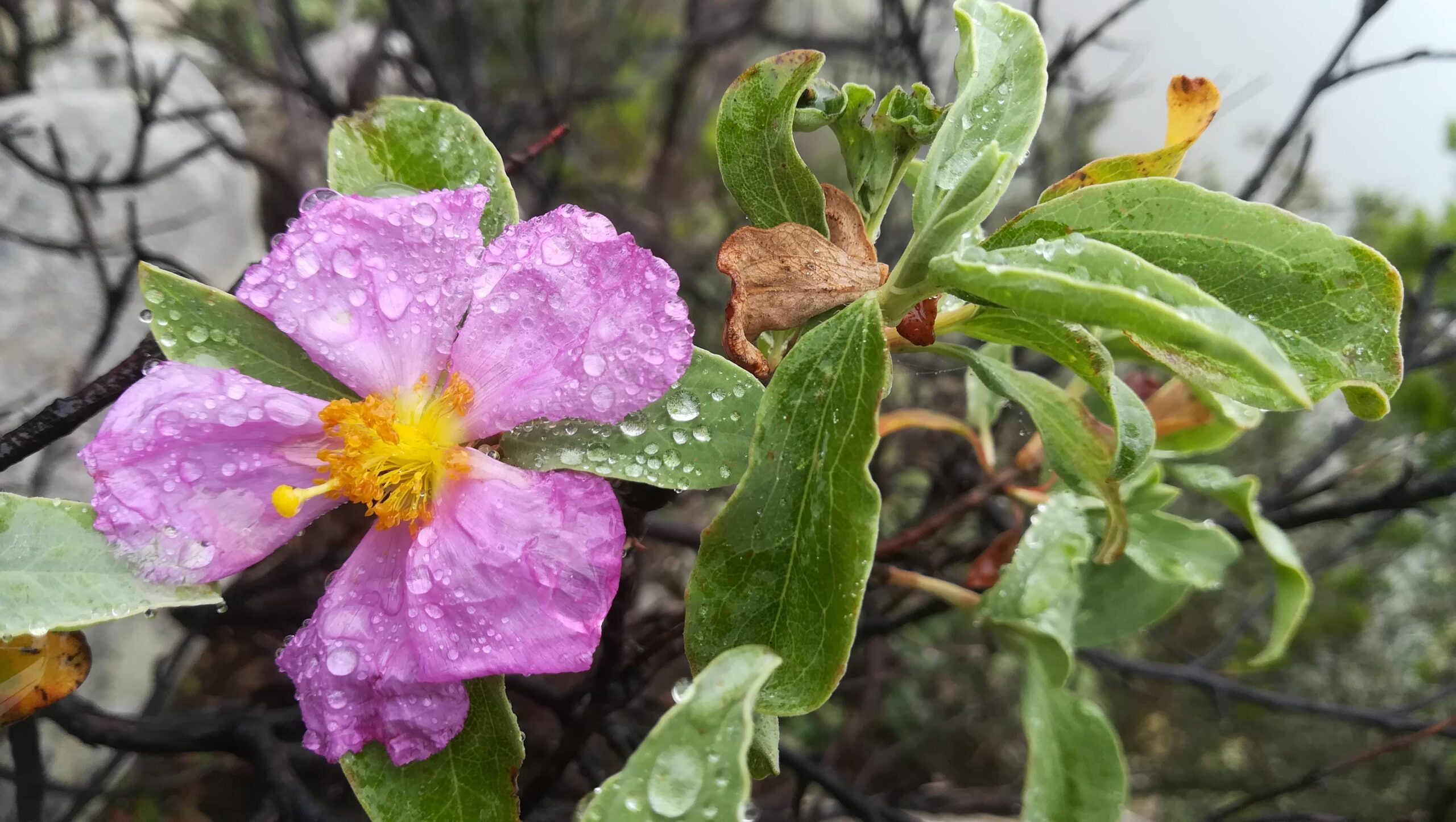
This type of vegetation is found only on La Palma and Tenerife, the two highest islands in the Canary archipelago, between 2,000 m (north-facing) or 2,200 m (south-facing) and 2,900 m (north-facing) or 3,100 m (south-facing), where environmental conditions are extreme. Aridity is high, and the scarce rainfall (between 350 and 500 mm annually) falls mostly as snow. Average annual temperatures range from 6 to 11°C, with significant seasonal and daily variations.


The quintessential tree representative of this ecosystem is the Canary cedar, which, due to its location and the strong prevailing winds, acquires extremely twisted shapes.
In the flat and more protected areas, a scrubland develops where legumes (broom and gorse) dominate, while on the slopes, fissures and rocky escarpments, rock-dwelling vegetation dominates, and at the base of the slopes, where rocks that detach due to frost shattering accumulate, rock-dwelling vegetation specialized in this type of highly dynamic substrates is established, the rock-dwelling vegetation, where, among other plants, the red tajinaste stands out, a plant that resembles other high mountain plants from places as remote as America (an example, therefore, of evolutionary convergence).


At the lower limit of distribution of this shrub community, more or less isolated pines can be found coexisting with broom and gorse.


Government Pavilion, C/ Padre Herrera s/n
P.O. Box 456
38200, San Cristóbal de La Laguna
Santa Cruz de Tenerife - Spain
Switchboard Tel.: (+34) 922 31 90 00
Hours: Mon-Fri, 8:00 a.m. to 9:00 p.m.
