
Government Pavilion, C/ Padre Herrera s/n
Post Office Box 456
38200, San Cristobal de La Laguna
Santa Cruz de Tenerife - Spain
Switchboard Tel.: (+34) 922 31 90 00
Hours: Mon, 8:00 a.m. to 9:00 p.m.

This program aims to provide healthcare professionals with a comprehensive update on the main foot and ankle pathologies from a critical, multidisciplinary, and evidence-based perspective. Through the analysis of the most relevant diagnostic, therapeutic, and surgical controversies, participants will strengthen their skills in clinical reasoning, differential diagnosis, and decision-making, evaluating the indications, benefits, limitations, and risks of different treatment alternatives. Furthermore, the program promotes the resolution of complex clinical cases, the development of a critical and reflective attitude, and a commitment to continuous learning, contributing to the improvement of clinical practice and the quality of patient care.
To train health science professionals in the critical, up-to-date and evidence-based approach to the main diagnostic and therapeutic controversies in foot and ankle pathology, promoting the development of clinical reasoning, informed decision-making and the improvement of care practice.
To hold an official Spanish university degree or another degree in Health Sciences or a related qualification issued by a higher education institution belonging to another Member State of the European Higher Education Area, which qualifies for access to master's level studies in that State.
Holding a degree in Health Sciences issued by an educational system outside the European Higher Education Area or a related qualification without official recognition or declaration of equivalence. In these cases, the academic director will submit a report to the Academic Committee, which will authorize or deny admission. Under no circumstances will authorization imply official recognition of the foreign degree, nor its recognition for any purpose other than pursuing postgraduate studies at the ULL.
Regarding the way to organize the teaching to achieve the objectives set out in the micro-credential, the organizational modality summarized below will be followed:
Lectures/expository method: presentation or explanation by the teaching staff.
Personal study: review at home and reading of recommended bibliography.
Assessment: multiple-choice written tests at the end of each topic.
Tutoring: instruction period in which teachers and students interact with the aim of reviewing and discussing materials and topics presented in class.
The microcredential has an evaluation system (ES) based on the following assessment tests:
Objective multiple-choice tests: These are measurement tools that allow for the evaluation of knowledge, skills, performance, aptitudes, etc. The answers are closed-ended, thus promoting objectivity during the scoring process.
Credits: 3 ECTS
Duration: 01/10/2026 – 31/01/2027
Teaching modality: Virtual
Location: Asynchronous online training at the University of La Laguna Virtual Campus
Short courses available in various formats (in-person, online, or hybrid). Ideal for learning without interrupting your professional life.
Content created and delivered by professionals and experts in the field, designed for immediate application.
Endorsed by the University of La Laguna. You will receive an official ECTS certificate, valid in the European Higher Education Area.
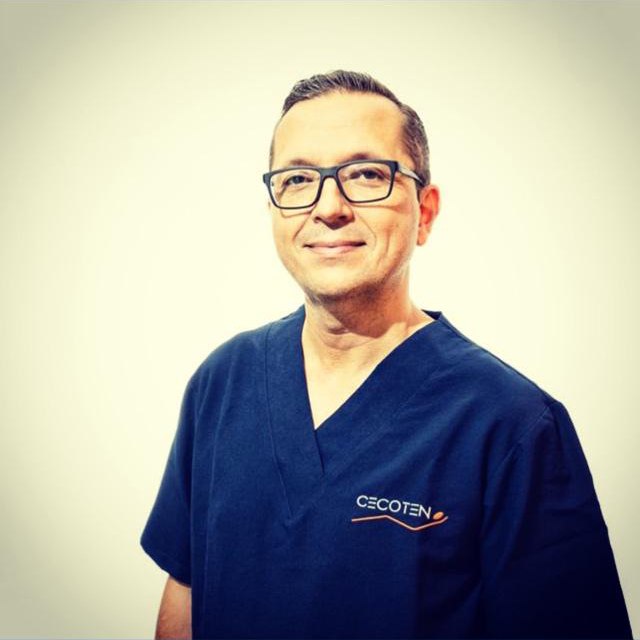
Medical Specialist in Traumatology and Orthopedic Surgery.
Doctor of Medicine.
Full Professor, Department of Surgery, Traumatology Area. University of La Laguna. Coordinator of the Accredited Teaching Unit for Foot and Ankle at the University Hospital of the Canary Islands (Tenerife)
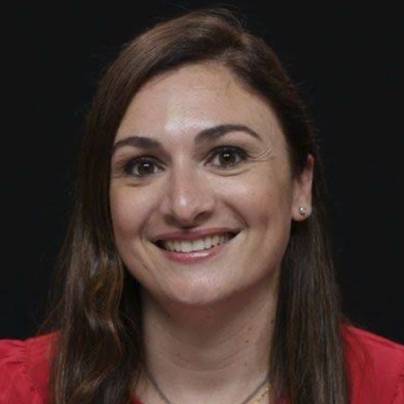
Medical Specialist in Traumatology and Orthopedic Surgery.
Doctor of Medicine.
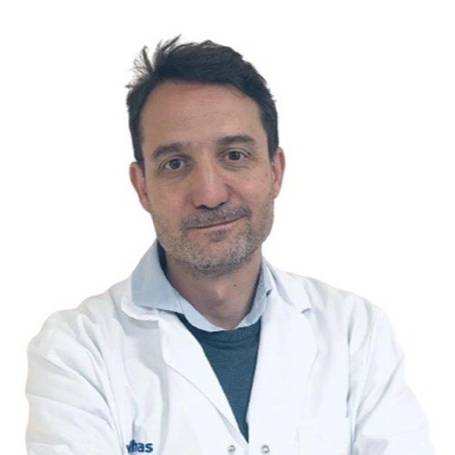
Medical Specialist in Traumatology and Orthopedic Surgery.
Doctor of Medicine.
Associate Professor of Traumatology, Catholic University of San Vicente Mártir. Fellow of the European Board of Orthopaedics and Traumatology (FEBOT).
Coordinator of the Accredited Teaching Unit for Foot and Ankle at the Manises Hospital (Valencia).
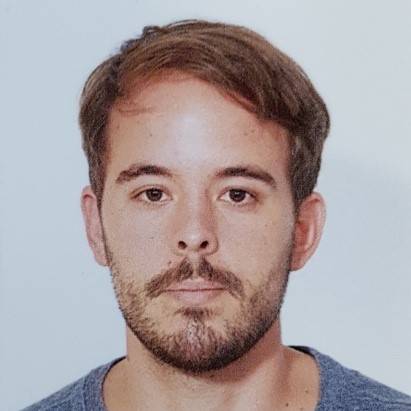
Specialist in Traumatology and Orthopedic Surgery. Doctor of Medicine. External tutor of ULL internships.
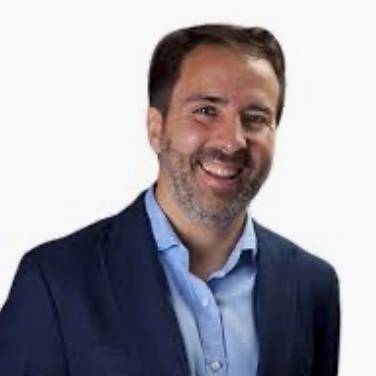
Medical Specialist in Traumatology and Orthopedic Surgery. Doctor of Medicine.
Coordinator of the Accredited Teaching Unit for Foot and Ankle at the Hospital Clínic (Barcelona). Co-Director of the Fellowship Program in Foot and Ankle Surgery at the University of Barcelona.
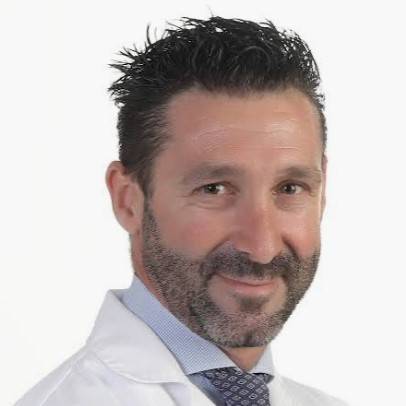
Medical Specialist in Traumatology and Orthopedic Surgery.
Doctor of Medicine.
Full Professor, Department of Surgery, University of Seville.
Coordinator of the Accredited Teaching Unit for Foot and Ankle at the Virgen del Rocío Hospital (Seville).
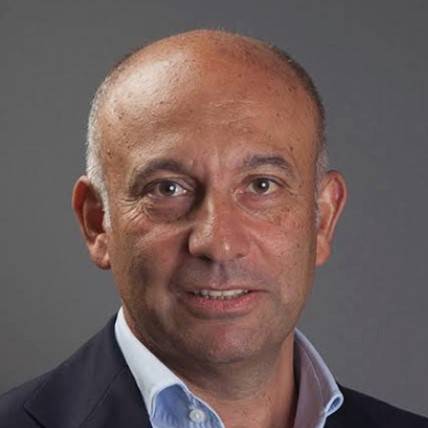
Medical Specialist in Traumatology and Orthopedic Surgery.
Doctor of Medicine.
Associate Professor, Department of Surgery, Complutense University of Madrid. Editor of the Journal of Foot and Ankle Surgery. President of the Spanish Society of Orthopedic Surgery and Traumatology (SECOT).
Coordinator of the Accredited Teaching Unit for Foot and Ankle at the 12 de Octubre Hospital (Madrid).
Government Pavilion, C/ Padre Herrera s/n
Post Office Box 456
38200, San Cristobal de La Laguna
Santa Cruz de Tenerife - Spain
Switchboard Tel.: (+34) 922 31 90 00
Hours: Mon, 8:00 a.m. to 9:00 p.m.
