Government Pavilion, C/ Padre Herrera s/n
Post Office Box 456
38200, San Cristobal de La Laguna
Santa Cruz de Tenerife - Spain
Switchboard Tel.: (+34) 922 31 90 00
Hours: Mon, 8:00 a.m. to 9:00 p.m.

This microcredential offers comprehensive training to understand and address gender-based violence from an intersectional and human rights perspective. It analyzes its structural causes and its relationship to other social inequalities, such as class, ethnicity, disability, and sexual orientation. It provides practical and interdisciplinary tools for the prevention, detection, and intervention in situations of violence against women, also incorporating professional self-care strategies.
Module 1: Review of the conceptual framework and regulatory update
Module 2: Detection and intervention in situations of gender violence
Module 3: Beyond violence in the context of the couple
Module 4: Cross-cutting issues in the care of victims of gender violence
Credits: 4 ECTS
Duration: October 26, 2026 to November 12, 2026
Teaching modality: In person on October 26, 27, 28 and 29; November 3, 4, 5, 9, 10, 12 from 4:00 PM to 8:00 PM
Location: Room 12 of the Faculty of Social Sciences and Communication (La Pirámide), except for October 27 and November 10, which will be held in the Faculty's Assembly Hall. Virtual Campus of the University of La Laguna
The cost of tuition will be subsidized by the General Directorate of Youth, through the project "Violence against young women", Institutional Chair of Studies on Violence against young women.
Short courses available in various formats (in-person, online, or hybrid). Ideal for learning without interrupting your professional life.
Content created and delivered by professionals and experts in the field, designed for immediate application.
Endorsed by the University of La Laguna. You will receive an official ECTS certificate, valid in the European Higher Education Area.
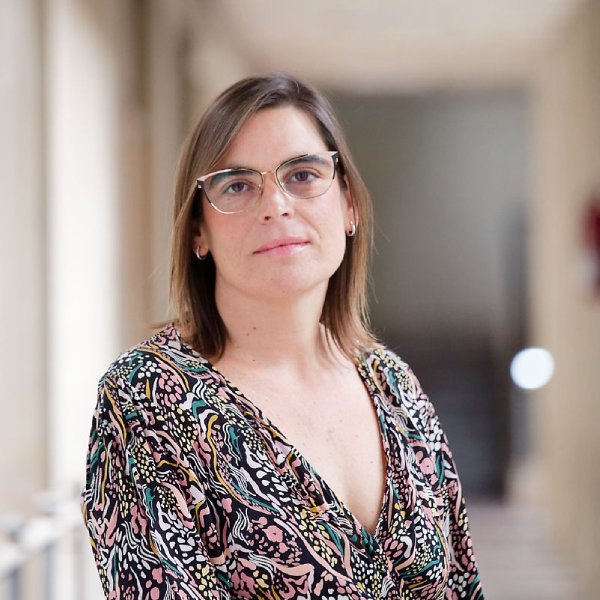
She holds a Bachelor's and a Doctorate in Psychology and a Diploma in Social Work from the University of La Laguna. Before joining the University as a lecturer in 2011, she worked in resources for women victims of gender-based violence. She is a tenured professor in the Department of Social Work and Social Services, and has held positions such as Director of the Equality Unit at the University of La Laguna and Secretary of the IUEM-ULL (University Institute for Women's Equality - University of La Laguna), among others. Her research focuses on gender equality and inequality, and gender-based violence. She currently leads the GENIUS Research Group.
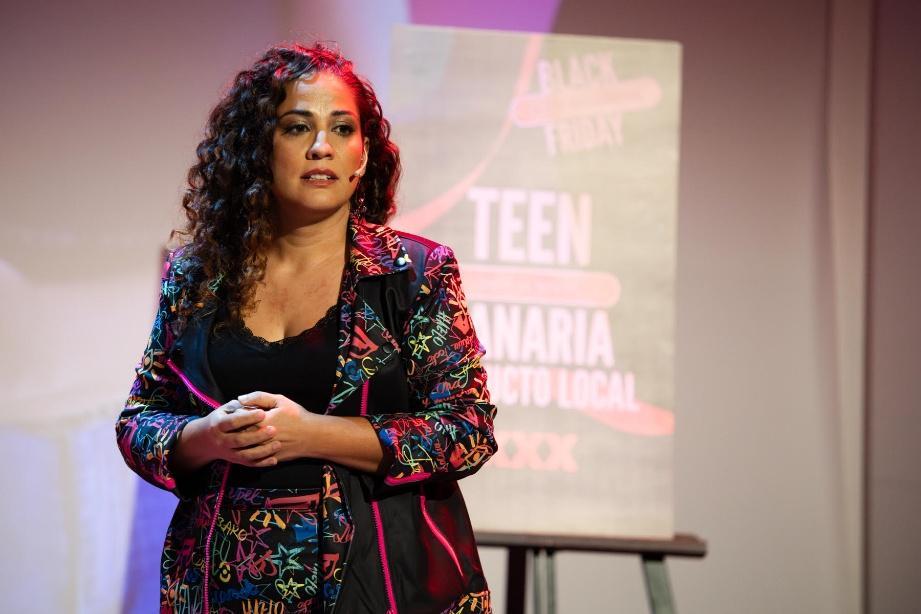
A social worker specializing in human trafficking, criminology, sexology, and human sexuality, she is the founder of Por-No Hablar (For Not Talking), a project focused on preventing sexual violence and critically analyzing pornography from a feminist and community perspective. She has extensive experience in social intervention, training, and outreach, and has received awards such as the 2025 General Council of Social Work Award and the 2026 Canary Islands Young Professional Award.

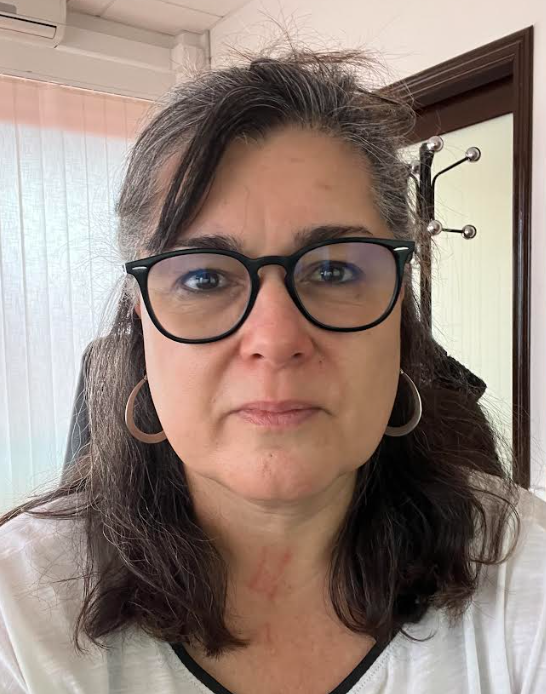
With a PhD in Information Sciences and specializing in gender and communication, she is a lecturer and researcher at the University of La Laguna. She has extensive experience in journalism, institutional and strategic communication, with a particular focus on equality and the prevention of gender-based violence. She has held positions of responsibility at the University of La Laguna and the Government of the Canary Islands, promoting awareness campaigns and inclusive communication policies. She is also known for her training in communication with a gender perspective, aimed at professionals and staff of public institutions.
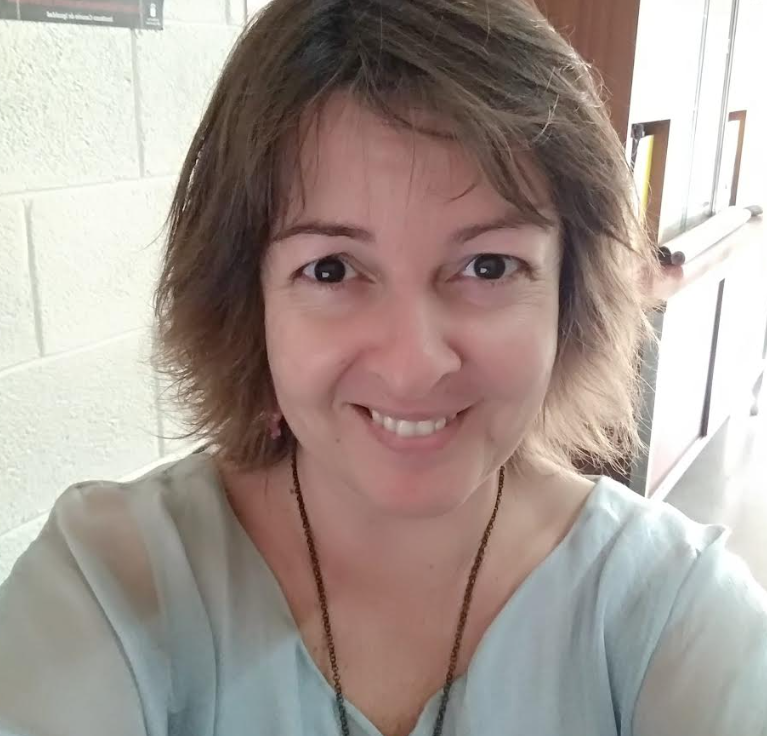
With a diploma in Social Work, a degree in Information Sciences, and a master's degree in Equality Agents, she has extensive experience in social intervention, community development, and the promotion of equality. She has worked as a social worker in the educational field and as a technical advisor for the Canary Islands Institute for Equality, participating in initiatives to prevent and eradicate violence against women. She is an associate professor at the University of La Laguna and a trainer in equal opportunities. Since 2008, she has shared social reflections from a feminist perspective on her blog.

A licensed clinical psychologist and PhD in Psychology from the University of La Laguna, she specializes in psychological intervention with victims of gender-based violence and psychological assessments in cases of gender-based and family violence. She has extensive experience in psychological evaluation, diagnosis, and intervention, as well as in research, training, and dissemination of information on gender-based violence. She is a co-author of publications specializing in psychological treatments and third-generation therapies. Currently, she works as a psychologist in the Child and Family Unit of the IASS (Institute of Social Services) of the Tenerife Island Council.
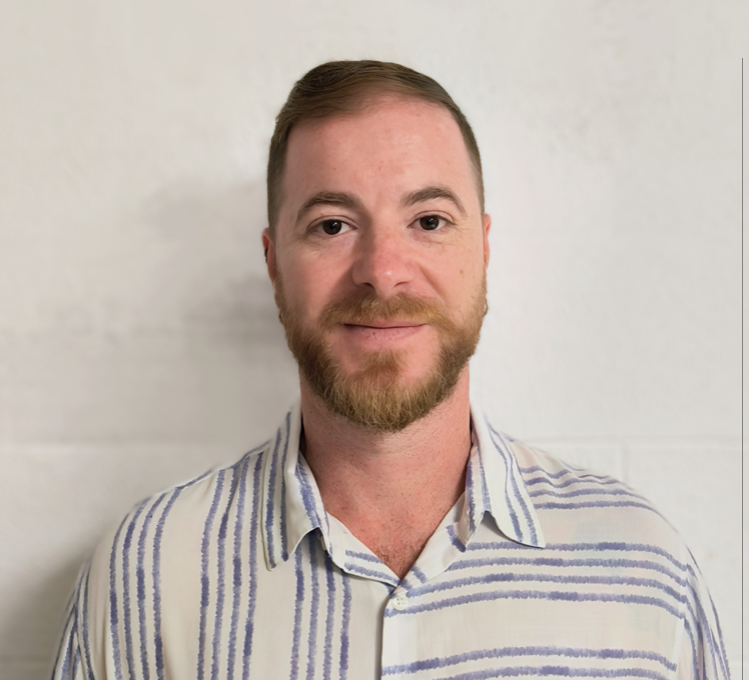
A social worker with a PhD from the University of La Laguna, where he serves as an Assistant Professor in the Department of Social Work and Social Services. He teaches undergraduate and graduate courses, specializing in equality, gender-based violence, and social policy. He has experience in social intervention and providing support to women victims of gender-based violence, both in the Canary Islands and in international cooperation projects. His research focuses on professional well-being and self-care, gender inequalities, and the various forms of violence against women.

Esther Torrado Martín-Palomino holds a PhD in Sociology and is a tenured professor at the University of La Laguna, affiliated with the Department of Sociology and Anthropology and a member of the University Institute for Women's Studies. She directs the VIOSEX research group and the feminist journal Clepsydra, and is the founder of several feminist platforms and organizations. She has extensive professional and research experience in social work, gender equality, and sexual violence. Her main research interests include feminist theory, prostitution, pornography, human trafficking, sexual harassment, forced migration, rape culture, and serial sexual offenders. She has participated in numerous national and international projects and has conducted research stays at prestigious institutions.
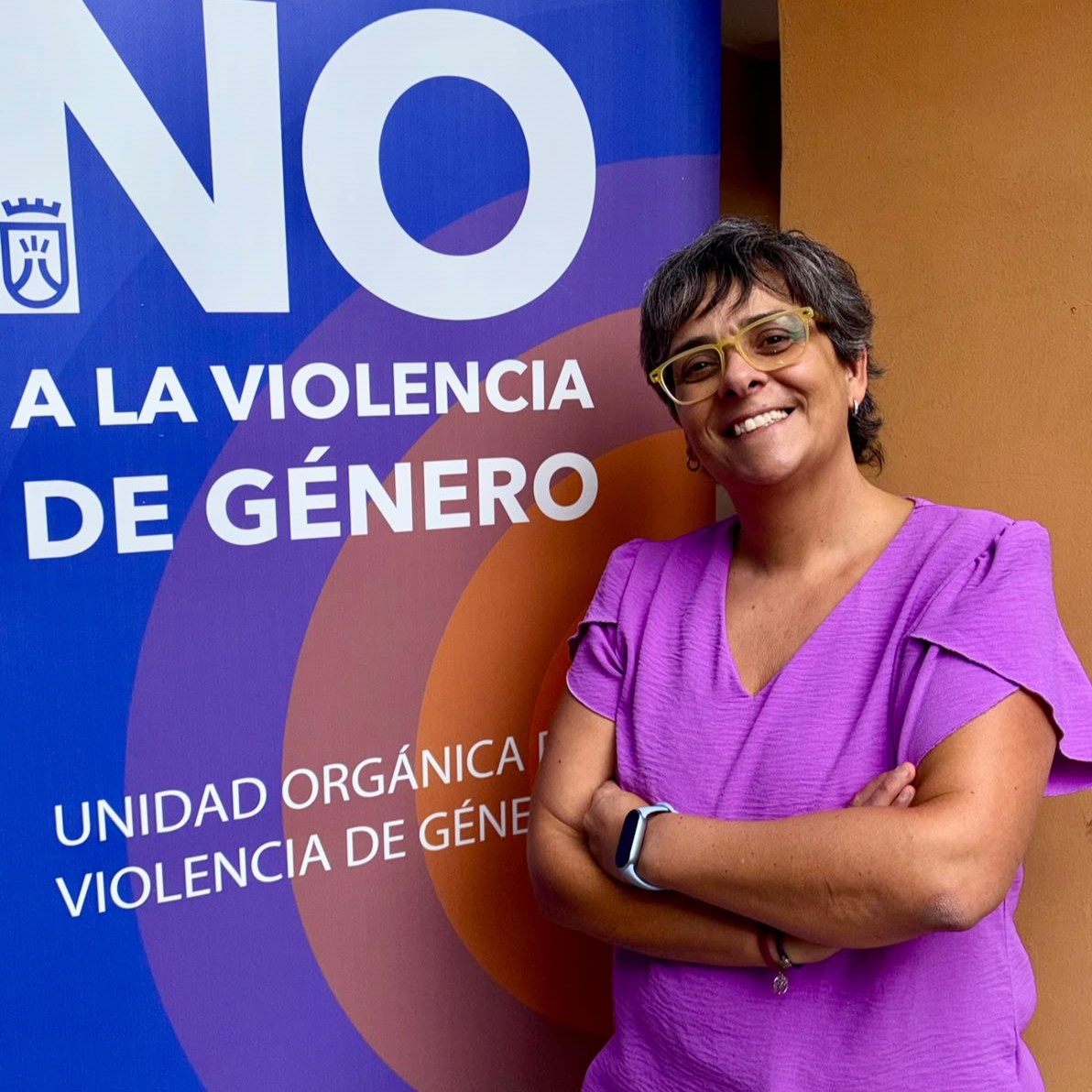
A licensed clinical psychologist and UOVG-IASS technician, she has extensive training and experience in the management and prevention of gender-based violence. She possesses a strong academic background in equality and gender, psychopathology, community mental health, health education, and healthcare, thanks to her specialized training at various universities, including UNED and Jaume I University.
Government Pavilion, C/ Padre Herrera s/n
Post Office Box 456
38200, San Cristobal de La Laguna
Santa Cruz de Tenerife - Spain
Switchboard Tel.: (+34) 922 31 90 00
Hours: Mon, 8:00 a.m. to 9:00 p.m.
