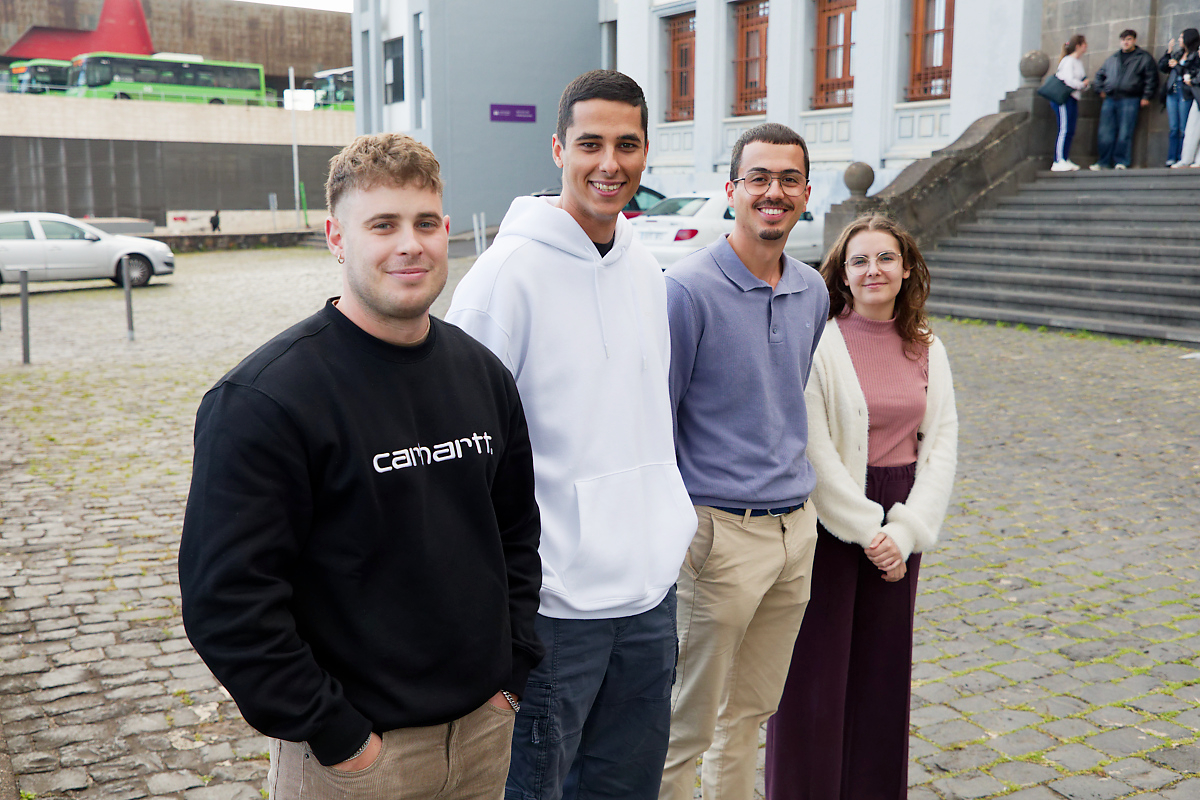
PhD students from the University of La Laguna are currently developing their research in collaboration with leading companies in the industrial sector of Tenerife, thanks to the Industrial PhD program Promoted by the Tenerife Island Council, this initiative, with a budget of 516,000 euros, encourages the hiring and training of research staff in the business environment, giving these young people the opportunity to carry out applied research projects closely linked to their doctoral theses.
The program allows doctoral students from diverse fields to integrate their research into addressing real-world challenges facing the island's productive sector. For four years, they join companies in strategic sectors such as energy, digitalization, and biotechnology, where they apply their knowledge in practical, real-world contexts. For the companies, this collaboration means gaining access to young, highly qualified talent capable of driving innovation, improving competitiveness, and transforming academic knowledge into concrete and viable solutions.
The Vice-Rector for Research and Transfer at the University of La Laguna, Antonio Aparicio Juan, emphasizes that industrial PhDs are a valuable tool for connecting university research with the specific challenges faced by businesses. In this way, the University of La Laguna actively promotes knowledge transfer, encouraging doctoral theses to be developed in environments where that knowledge can be transformed into innovation. Aparicio adds that programs like this also strengthen the valuable collaboration between the university and the productive sector.
For his part, the director of the Doctoral School, Gustavo Marrero Díaz, explains that these programs represent a key tool for transferring high-level research to the island's industrial sector. "It's an ideal way to coordinate leading research groups and orient their work toward the needs of companies and strategic sectors in the region," he explains.
Marrero Díaz also highlights the role of the specific agreements established between the university and companies for each doctoral project, structured around a framework agreement. These agreements guarantee fundamental aspects such as knowledge transfer, intellectual property management, and the participation of company personnel as supervisors or co-supervisors of theses, thus strengthening the connection between academia and industry.
Optimization of renewables
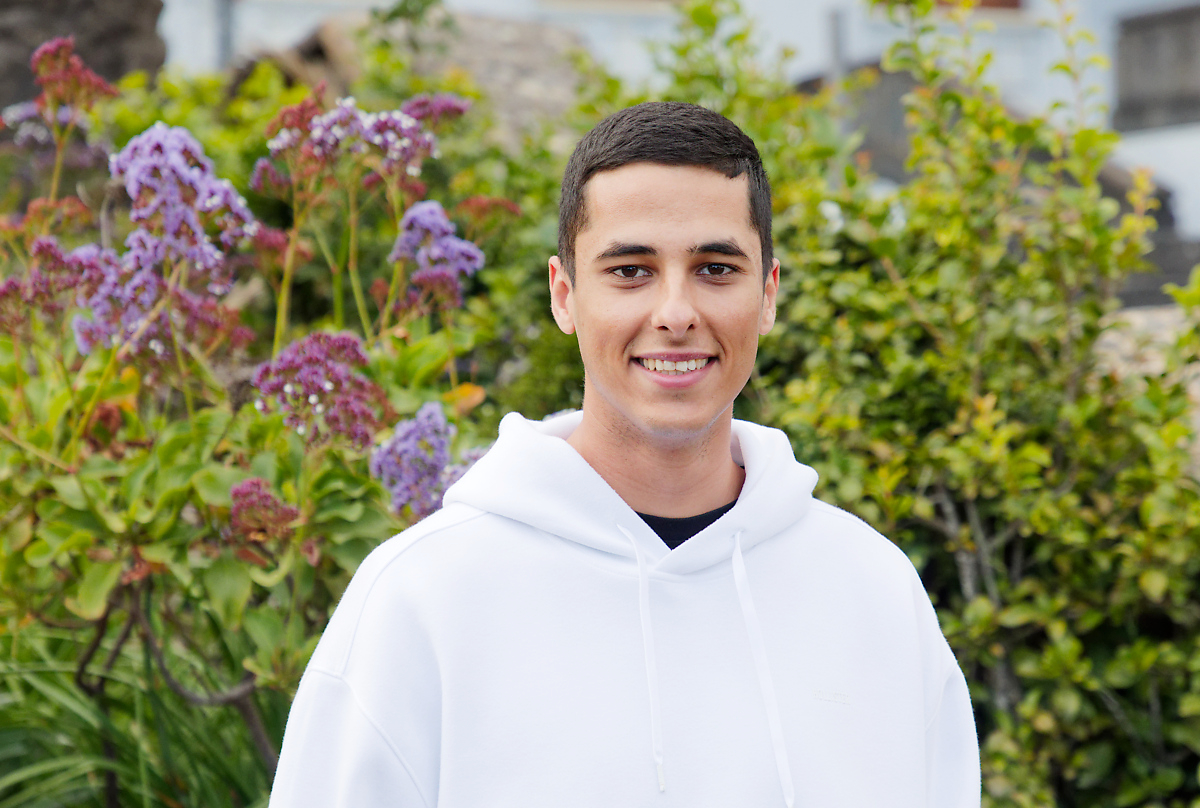
Jorge David Ávila
Jorge David Ávila Álvarez completed his studies in degree in Mathematics and a Master's degree in Mathematical Engineering, through which he began to specialize in data analysis and Artificial Intelligence. His interest in applying this analytical profile to real-world problems, in this case in the energy sector, has led him to begin doctoral research in the field of renewable energies, analyzing how artificial intelligence can contribute to improving the stability of the electrical grid through short-term solar energy forecasting.
The doctoral candidate believes that research is much more fruitful and satisfying if the results stem from theory and can be applied to real-world situations. This involves a constant questioning of the research's feasibility, "so that the results are much more useful and realistic," he says.
Through this industrial doctorate, Ávila Álvarez has joined Energy RIS (Energy Research & Intelligence Solutions SLU), a spin-off company from this academic center specializing in solving complex energy challenges, which he says will allow him to combine the academic rigor of his research with business practice. For the doctoral candidate, the experience is proving very positive, and he values the understanding and flexibility that research doesn't always yield the expected results the first time, which also helps foster new questions throughout the research process.
David Dorta Hernández is also pursuing his industrial doctorate at the company. Energy RIS. After obtaining the degree in Industrial and Automatic Electronic Engineering and the Master's Degree in Industrial Engineering From the University of La Laguna, he has focused his doctoral research on the optimization of energy communities through systems of aggregation of production units and flexible demand, using advanced algorithms and artificial intelligence.
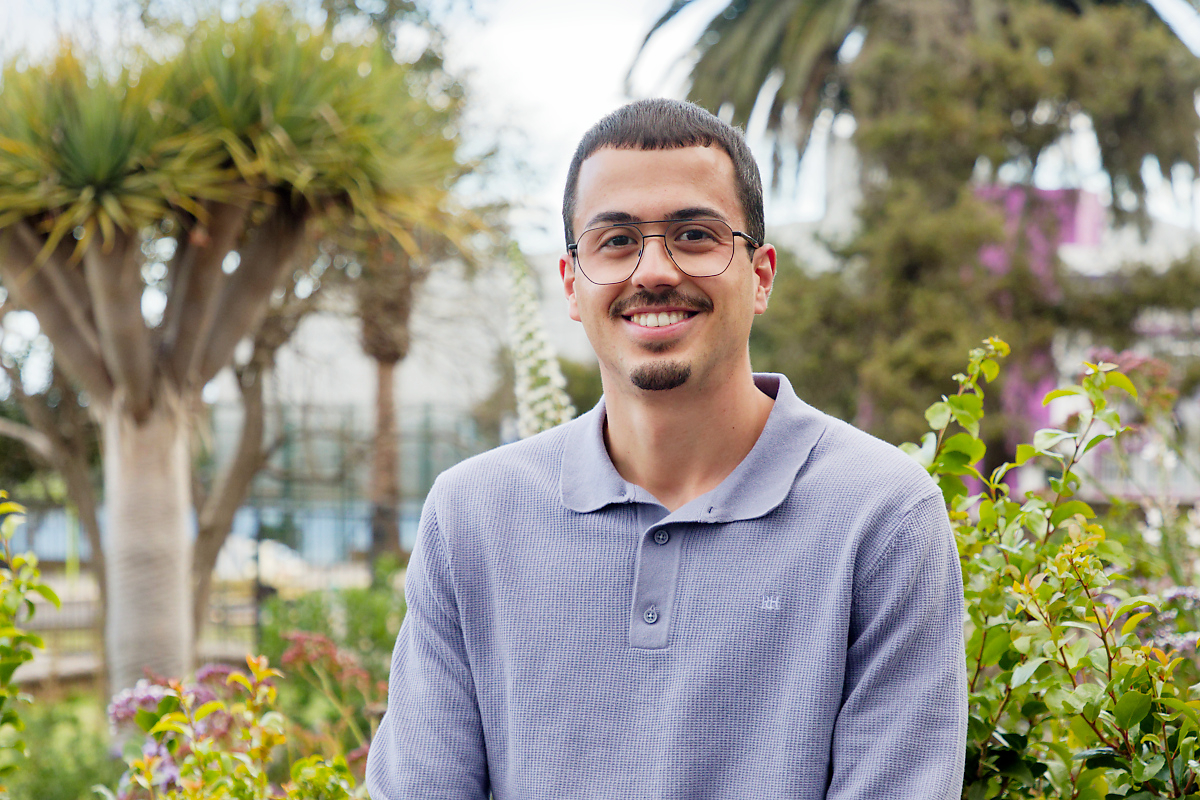
David Dorta
She says the experience has been very satisfactory and that her adaptation to the company's work dynamic has been easy, as she has been able to gradually familiarize herself with the tools and procedures necessary to carry out her research.
He explains that his motivation for pursuing an industrial doctorate in the business environment stems from an interest in expanding his training and technical knowledge, delving into the field of research while contributing to the development of practical solutions for real problems within a strategic sector for Tenerife, such as energy sustainability.
She also emphasizes that working in a company within the sector adds significant value to doctoral work, allowing for the continuous comparison of theoretical approaches with real-world situations. “This helps to evaluate the ideas and methodologies developed during the research from the perspective of their practical applicability and contributes to guiding the work toward more useful results that are closer to the realities of the sector,” she concludes.
Cybersecurity for infrastructures
The doctoral thesis of researcher Belinda Hazel Cáceres Barrera, a graduate in Math y Master's Degree in Cybersecurity and Data Intelligence Developed by the University of La Laguna (ULL), its objective is to develop advanced cybersecurity solutions that strengthen the protection of digital infrastructures. Its research focuses on improving the accuracy, efficiency, and adaptability of Intrusion Detection Systems (IDS) in increasingly dynamic and complex environments. To achieve this, it applies established artificial intelligence techniques, such as machine learning and deep learning, to traffic monitoring in real-world settings. The aim is to generate validated prototypes capable of being integrated into critical infrastructures and managed security services, reinforcing early threat detection and digital resilience.
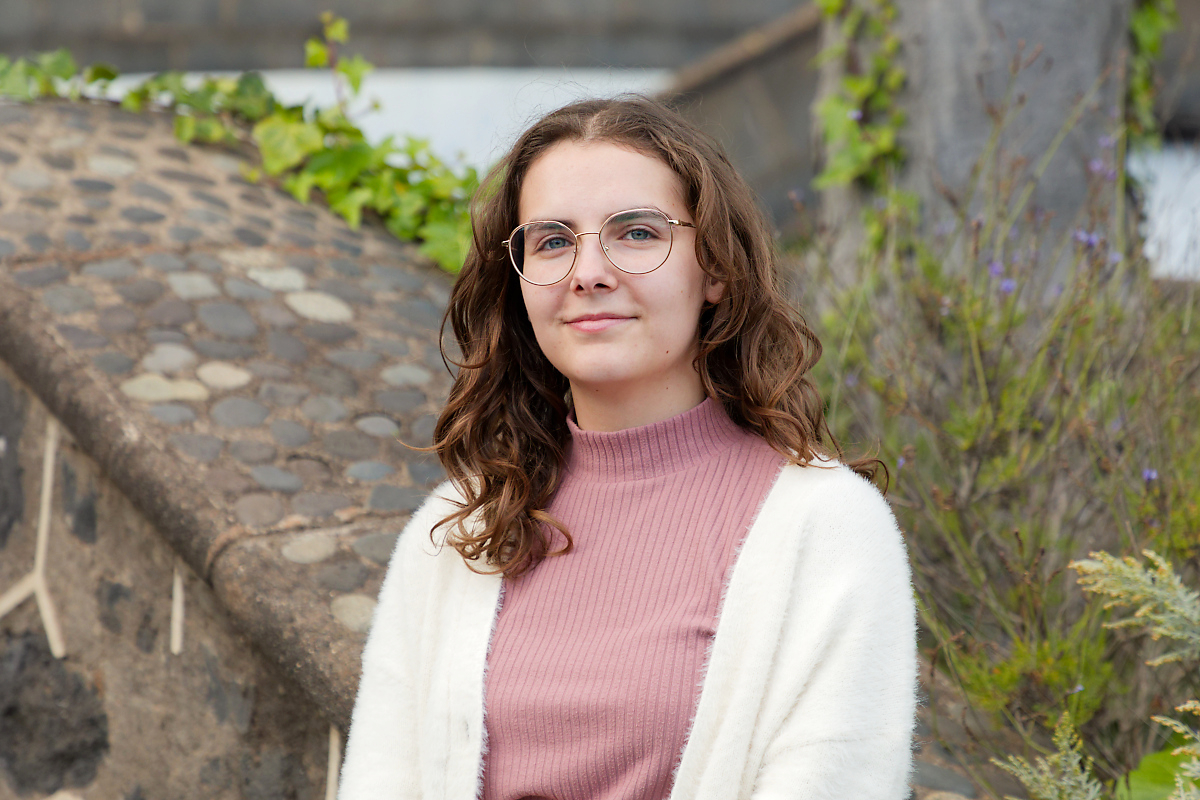
Belinda Cáceres
The entire research process of Cáceres Barrera is currently being developed at the company Atlantis Technologies and Systems, including the validation of models and the integration of prototypes in real environments such as the Early Warning SOC and the DataCenter, with the aim of directly contributing to the improvement of the company's managed cybersecurity services.
The researcher particularly highlights the diversity of profiles within her department (Innovation, Data & AI), which includes professionals from both business and various technical and scientific disciplines. “Sharing a workspace with people who have so much experience and knowledge of the sector inevitably leads to new ideas and solutions that I can apply in my field,” she notes.
She emphasizes that during her training in pure mathematics, she did not initially consider pursuing an industrial PhD. The opportunity to develop research applied to the daily operations of a company has transformed her perspective, especially by allowing her to work on a topic with direct application in the field of R&D&I without losing sight of the fundamental mathematics that have shaped her academic career.
Circular economy and smart management
Javier García García, graduate in Industrial Chemical Engineering With a degree from the University of La Laguna (ULL) and a Master's in Environmental Engineering from the Polytechnic University of Madrid, she conducts research focused on biogas production from waste. She is completing her industrial PhD at BIOGÁS Canarias, a company linked to the TEKNE project and dedicated to the treatment of waste for its conversion into biogas and fertilizers, thus promoting the circular economy and renewable energies.
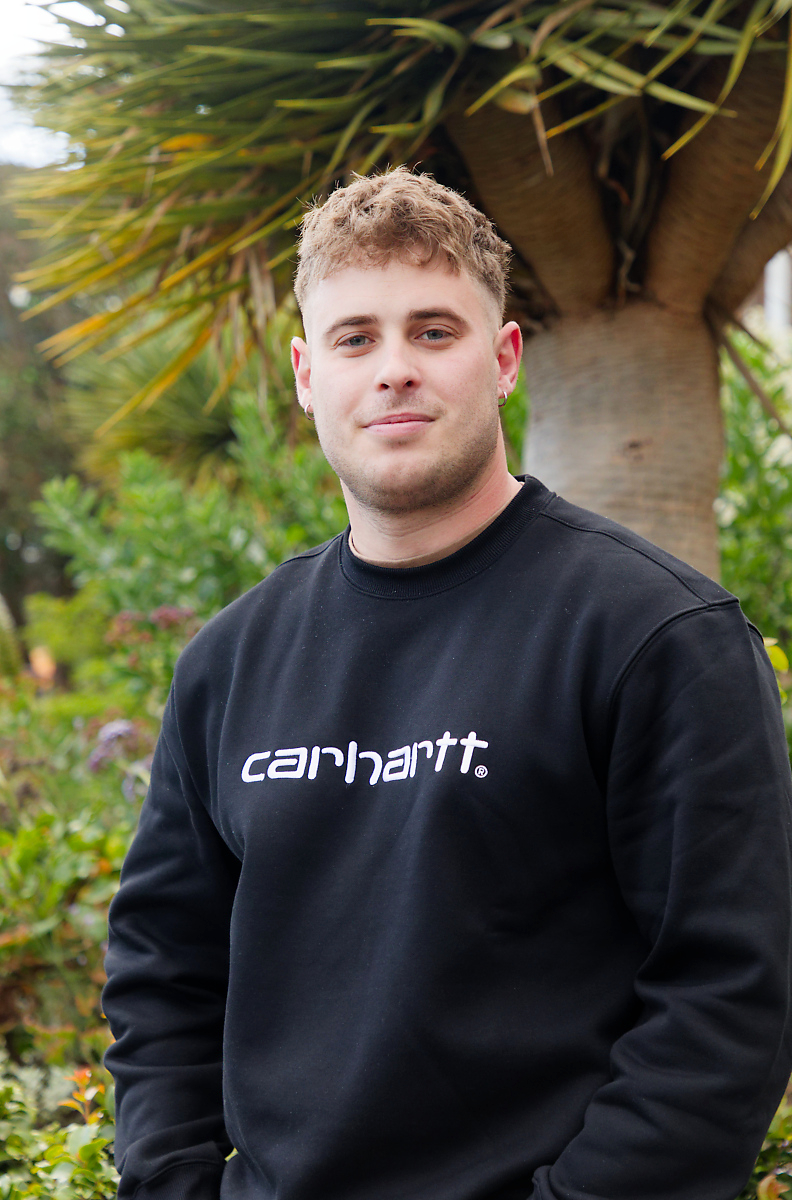
Javier García
The researcher emphasizes that it is a spin-off of the University of La Laguna, which facilitates a close connection between the academic and business fields, since it shares tutors in both environments and can contribute directly to the company's objectives.
Their research focuses on developing fully automated, remotely monitored micro-biogas plants that can adapt to different contexts and be located where waste is generated. The aim is to reduce the environmental and social impacts associated with waste transport and centralized waste management.
For García, it is crucial to be able to translate the trials developed during his research into real-world applications. “It’s an opportunity to do something that hasn’t been done yet, at least not at the European level, and to advance the state of the art of the Internet of Things applied to biogas systems,” he points out. The initiative also aims to enable waste generators themselves—whether farmers, livestock breeders, industries, or the hotel sector—to use their waste to produce their own renewable energy, thus contributing significantly to improving the energy independence of the primary sector in the islands..
Finally, doctoral candidate Santiago Villar Vázquez, a graduate in Computer Engineering and with a master in the same area by the University of La Laguna, develops his research in the company Litenergy Canarias SLU, specializing in the installation of solar panels and charging points in the archipelago. Their work focuses on integrating ERP systems, software that centralizes, automates, and manages a company's operational processes, with advanced technologies such as artificial intelligence, digital twins, and multi-agent systems, with the aim of optimizing business process management.
The research aims to improve the management of solar installations and charging points, optimizing their control, planning, and efficiency. As part of his work at the company, Villar Vázquez intends to apply these advances to real-world applications, strengthen project planning and monitoring, and contribute innovative solutions that increase efficiency and competitiveness in the renewable energy sector.
The researcher points out that his experience in the company has allowed him to understand the functioning of the different departments and share ideas for finding solutions in various areas, which drives the development of his research and the definition of more precise objectives together with his tutors.
Through this initiative, the Tenerife Island Council is promoting the integration of young researchers into companies in sectors that are strategic for the island's scientific and technological progress. These priority areas include astrophysics, space and aeronautics; audiovisual and creative industries; connectivity; digitalization and artificial intelligence; the blue economy; energy; health and biotechnology; and sustainability.
The aim is to strengthen knowledge transfer between the university and the productive sector, ensuring that research developed within the University of La Laguna has a direct and immediate application in the form of innovative tools, processes, or products that address the needs of the business environment in Tenerife. A new call for proposals for this initiative is now open. link.
Scientific Culture and Innovation Unit (Cienci@ULL)

 Spanish
 English
 French