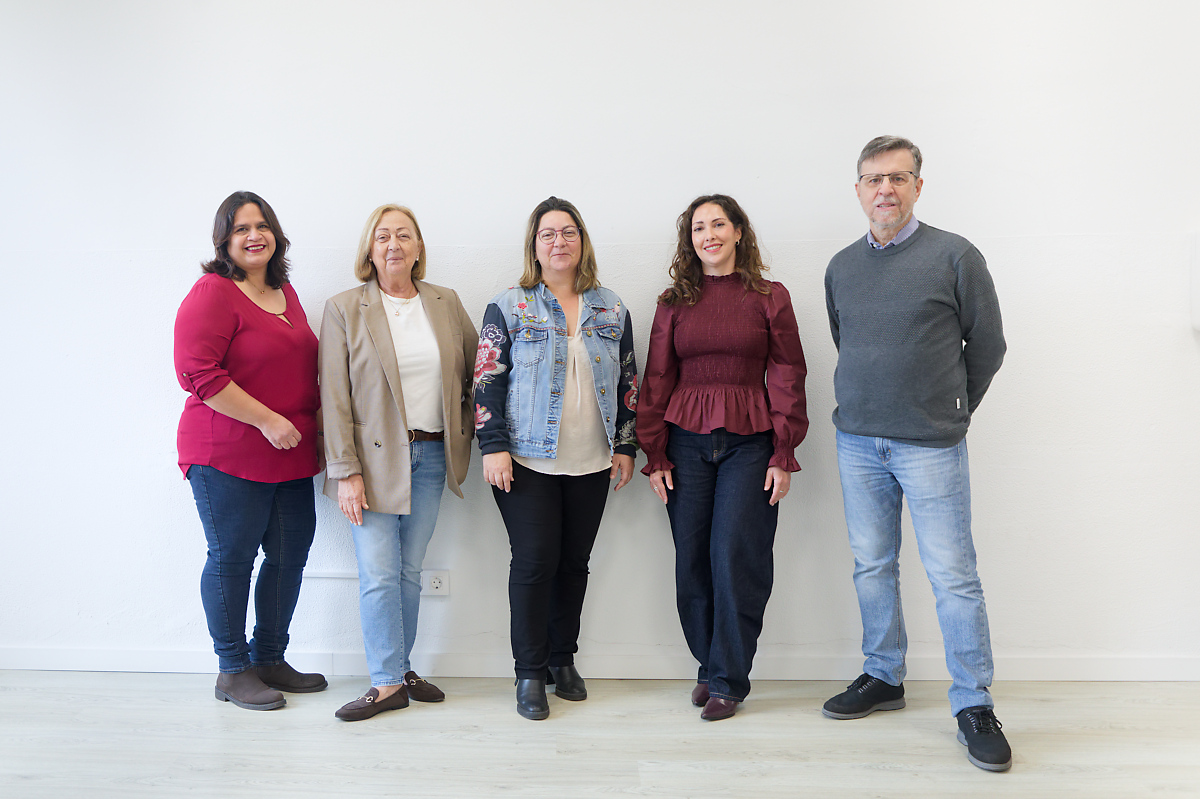
Engineering plays a key role in creating solutions to global and local challenges. With World Engineering Day for Sustainable Development (March 4), UNESCO seeks to raise awareness of its importance in modern life, its contribution to combating climate change, and its role as a driver of strategies geared towards sustainable development, especially in territories facing specific challenges. Within this framework, the University of La Laguna promotes multidisciplinary research to address the specific challenges of the Canary Islands.
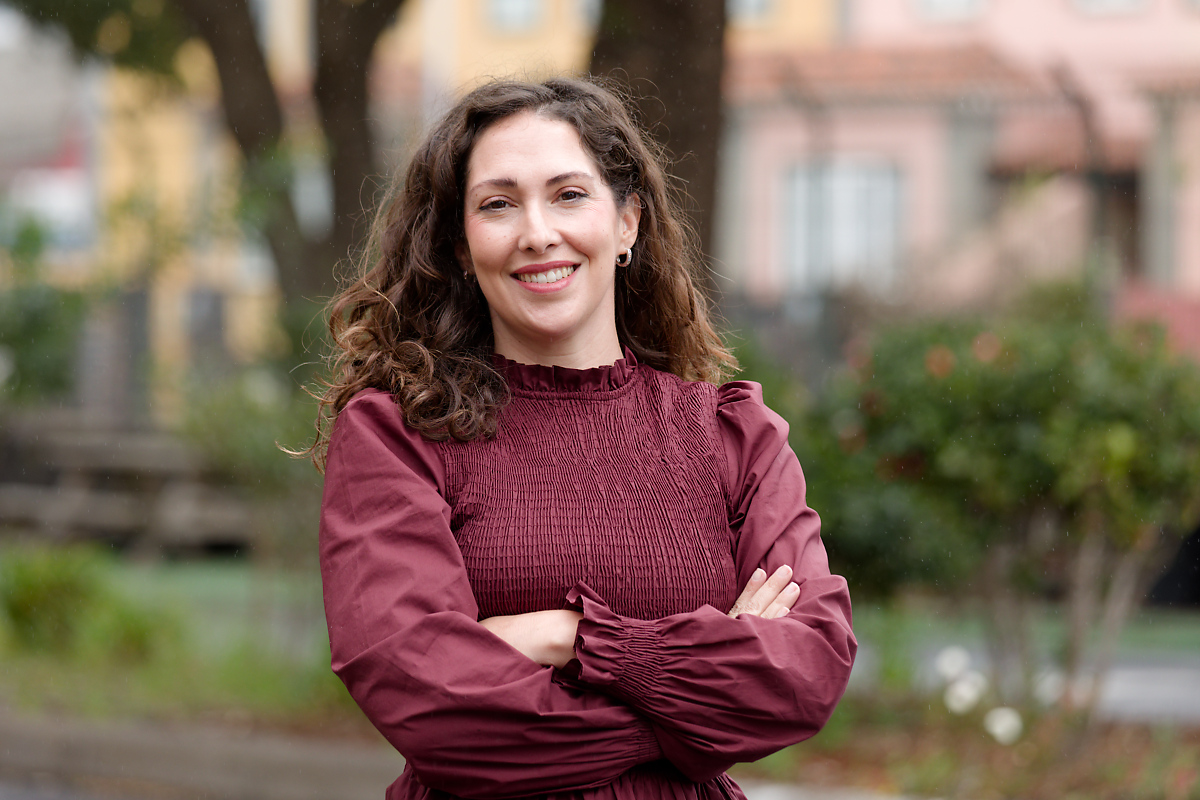
Noelia Cruz.
For Noelia Cruz Pérez, Cruz, a professor and researcher in the field of Agroforestry Engineering, believes that incorporating the Sustainable Development Goals (SDGs) into engineering projects allows for addressing challenges that may seem merely managerial but actually require a technical and multidisciplinary approach. Furthermore, this framework facilitates analyzing the real impact of engineering on society, promoting an integrated view of problems and avoiding treating them in isolation. Cruz is currently part of the Committee of Experts of the Canary Islands Agenda 2030 of the Government of the Canary Islands, together with researchers Abel López Díez, David Padrón Marrero and Carlos Jiménez Martínez.
Experts agree that sustainable development poses a structural challenge for the Canary Islands, given their fragmented status and status as an outermost region of the European Union. In this regard, Norena Martín Dorta, tenured professor in the area of Architecture and Engineering and director of the Chair of Environment and Sustainable Development Cabildo de Tenerife-University of La Laguna, underlines the importance of collaboration with public institutions and bodies. This chair, which recently renewed its commitment to the Tenerife Island Council through the signing of a new collaboration agreement, Its work is guided by the main needs identified by the island institution. Its areas of focus include fire prevention and the study of fire effects on flora and fauna, the water-energy nexus, waste management, and energy poverty. According to Martín, the fragility of the territory necessitates the design of specific solutions for the archipelago that minimize risks and strengthen its resilience.
For their part, Karina Elvira Rodríguez Espinoza, A researcher and professor in the field of Chemical Engineering, emphasizes the need for the Canary Islands to maximize the efficiency of its industrial processes to move towards a more sustainable model. Among the main challenges, she points to the high energy dependence on foreign sources, especially due to the import of fossil fuels, and the insufficient infrastructure for proper waste management. Added to this is the particular vulnerability of the island ecosystems, which can be profoundly affected by any intervention. Therefore, she stresses, environmental protection must be integrated into all phases of planning and implementation. From their respective fields, the research staff at the University of La Laguna continue to develop initiatives aimed at strengthening the archipelago's sustainability and generating applied knowledge for the benefit of society.
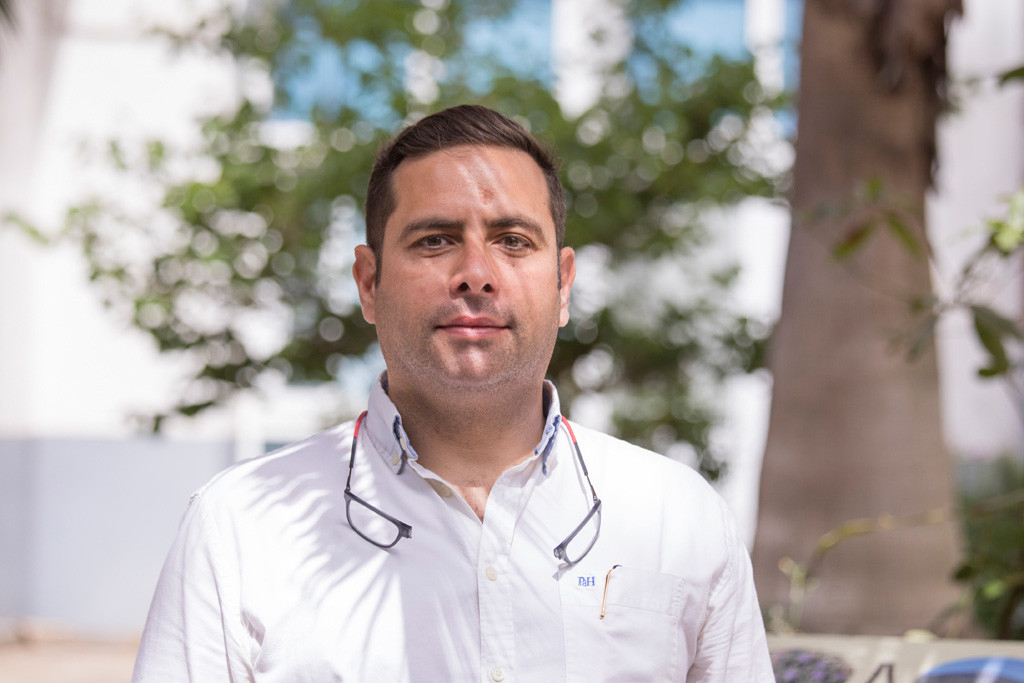
Juan Carlos Santamarta. (Archive photo: Emeterio Suárez)
Water emergency
Noelia Cruz carries out her research work alongside Juan Carlos Santamarta in key areas such as water scarcity, climate change, and the concept of sustainable communities. In a climate context marked by rising temperatures and decreasing rainfall, a chain of interrelated effects is triggered that directly impacts natural resources and land-use planning. These lines of work are currently being developed through two European research projects.
The first of these is Project NATALIE – Accelerating and Integrating Transformative Nature-Based Solutions to Improve Resilience to Climate Change in Diverse European Biogeographical Regions – which focuses on implementing nature-based solutions to strengthen adaptation and resilience to the effects of climate change. Its objectives include improving water quality and optimizing the functioning of the archipelago's aquifer network. The initiative, whose Canary Islands case study is led by the University of La Laguna and Aquatec and is funded through the European Horizon Europe program, involves developing hydrological models based on various case studies to assess the viability of different solutions under different climate scenarios.
The second project, GENESIS – Geologically Enhanced Nature-based Solutions for Climate Change Resiliency of Critical Water Infrastructure, is being developed within an international consortium and focuses on the challenges associated with groundwater management. Through the analysis of various nature-based solutions, the project seeks to evaluate their applicability in vulnerable contexts such as islands and to strengthen the resilience of critical water infrastructure.
For Cruz, water resource management is strategic in a region like the Canary Islands, where supply depends heavily on groundwater. “In a future scenario where aquifers don't receive the same amount of rainwater, what other resources can be explored to replace it?” he asks. While acknowledging that desalination is a viable alternative, he points out that currently around 801,000 tons of the archipelago's electricity mix comes from burning fossil fuels, compared to 201,000 tons from renewable sources. This figure highlights the need to analyze not only resource availability but also their environmental and energy impact. “The ultimate goal is to study the challenges that climate change poses for resource management, especially water and energy, but also for sectors like agriculture, and to be able to anticipate the scenarios projected for 2050 or 2100.”.
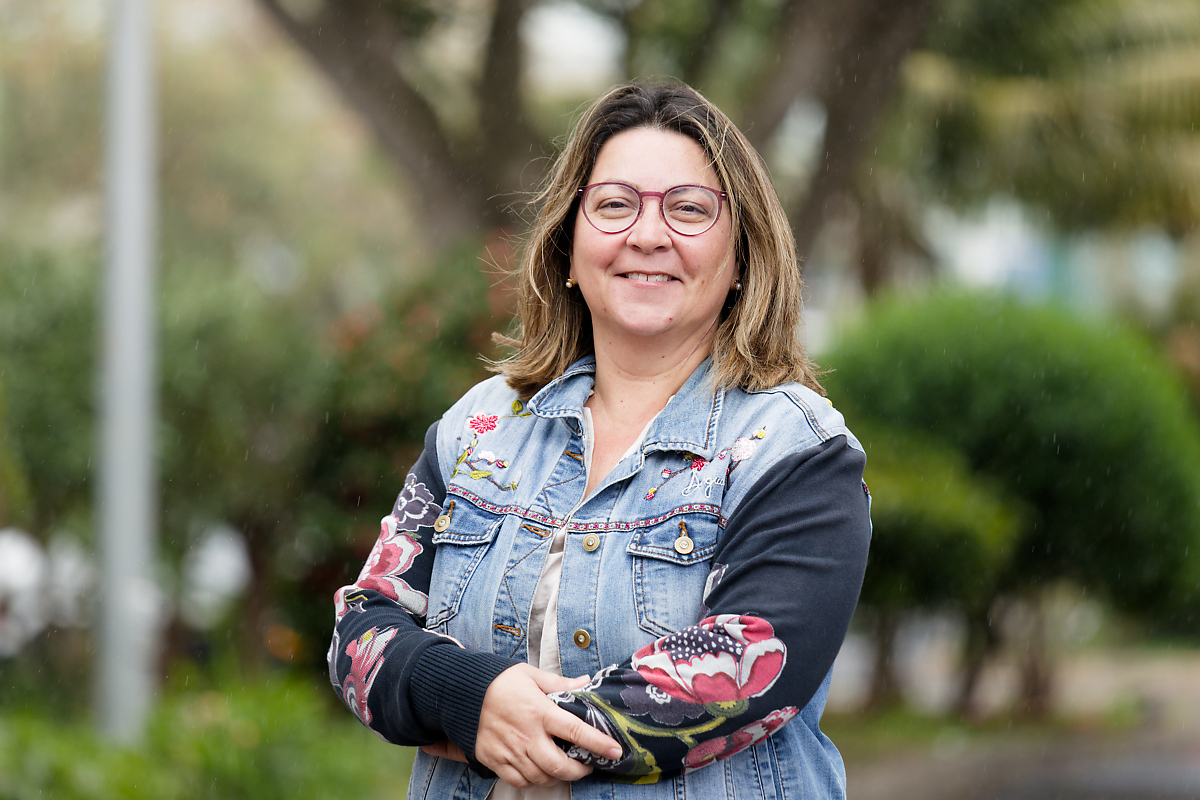
Norena Martín.
Challenges in urban planning
Another area where sustainable development poses significant challenges for the Canary Islands is construction. For Norena Martín, it is essential to rethink and redesign cities to adapt them to new social, demographic, and climatic contexts, given that strategies applied in other regions are not always transferable to the islands' reality. "The island environment needs science dedicated to its specific conditions," the researcher emphasizes.
Among the main problems is the high level of land use, which hinders adaptation to a scenario marked by climate change. This is compounded by the fragility of ecosystems, the existence of microclimates, and the arrival of millions of tourists each year—factors that increase the complexity of any urban development project.
In this context, his team is finalizing the development of an experimental module designed to evaluate the effectiveness of different construction solutions, such as insulation systems for homes. The goal is to test strategies in a real-world environment, and not just through simulations, incorporating the specific characteristics of the Canary Islands.
This module is the result of previous research carried out within the framework of the ENCORE project, funded by the Horizon 2020 program. The team, comprised of Norena Martín, along with researchers Benjamín González Díaz and Eduardo González Díaz, created a web application capable of analyzing the energy consumption of buildings and estimating the impact of various renovation strategies. The project allowed for comparative simulations between territories in northern, central, and southern Europe, demonstrating that insulation solutions used on the continent lose effectiveness in the Canary Islands if they are not adapted to its specific conditions.
Continuing this line of work, the team also studied the photovoltaic potential of building rooftops, in collaboration with the Quality Control and Materials Service of the Government of the Canary Islands. The objective was to identify the most suitable areas for the installation of solar panels, for which maps were created indicating the zones with the greatest energy efficiency.
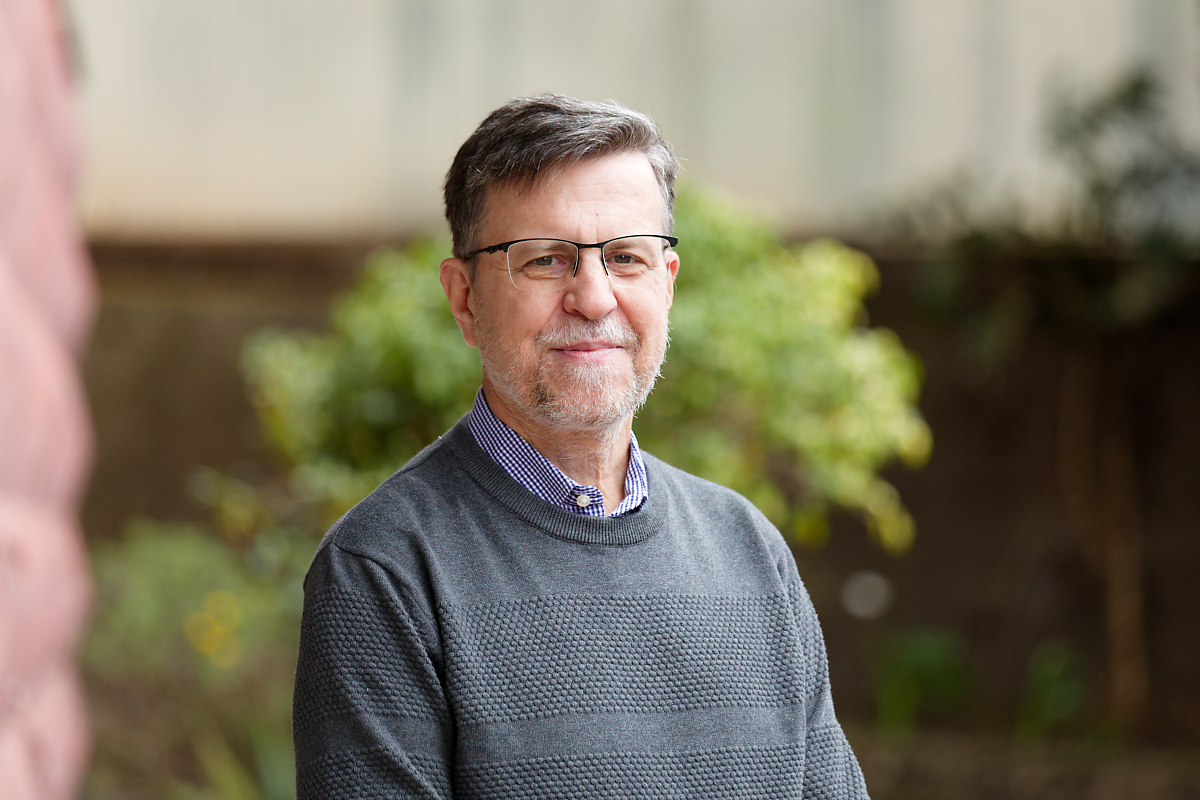
Ricardo Souto.
New lives for materials
On the other hand, Norena Martín points out that building strategies in the Canary Islands are also conditioned by the limited availability of materials and the greater complexity involved in their reuse on an island. This issue is directly related to the work of the Professor of Physical Chemistry. Ricardo Souto Suárez, whose research group focuses its efforts on improving the efficiency and durability of materials from the selection phase itself.
“We live in a highly corrosive environment, with a complex regime of winds and salinity, compounded by the possibility of haze,” he emphasizes. Thus, Souto warns, the conditions that the materials must withstand are harsher or more restrictive than in the places from which they were imported and tested, “which can lead to maintenance problems and even serious structural failures.”.
In this context, Souto believes the main challenge lies in reconciling the aesthetic or visual requirements of the buildings with the technical suitability of the materials, guaranteeing their proper functioning and long-term protection. Furthermore, he emphasizes that a poor selection can have significant environmental consequences. Corrosion and wear can lead to the release of chemicals that seep into the subsoil and contaminate aquifers, a particularly scarce resource in the Canary Islands and one already under the added pressure of climate change.
Among the projects developed in recent years by his research group, Souto highlights the creation in the laboratory of a small reactor capable of reducing the high fluoride content detected in some aquifers of Tenerife, whose concentration made the water unsuitable even for irrigation. Through a controlled corrosion process, the team managed to generate electrodes that, when dissolved, capture and extract the fluorides from the water.
However, although the system allowed for the purification of water resources, it generated a large amount of waste, which compromised its short-term viability. Subsequent research has shown, however, that treating this residual sludge in the laboratory can transform it into an opportunity. The resulting particles, appropriately modified with substances possessing functional or chemical activity, have demonstrated fungicidal properties and corrosion-inhibiting capabilities when incorporated into commercial paints used on marine vessels or in the protection of oil platform decks.
“The ultimate goal is to develop treatments whose waste products minimize potential pollution; even better if they can be recycled or contribute to extending the lifespan of other materials,” Souto concludes. The researcher also emphasizes the value of the Canary Islands as a natural laboratory and the need to strengthen collaboration between different areas of knowledge to promote solutions truly adapted to the unique characteristics of the island environment.
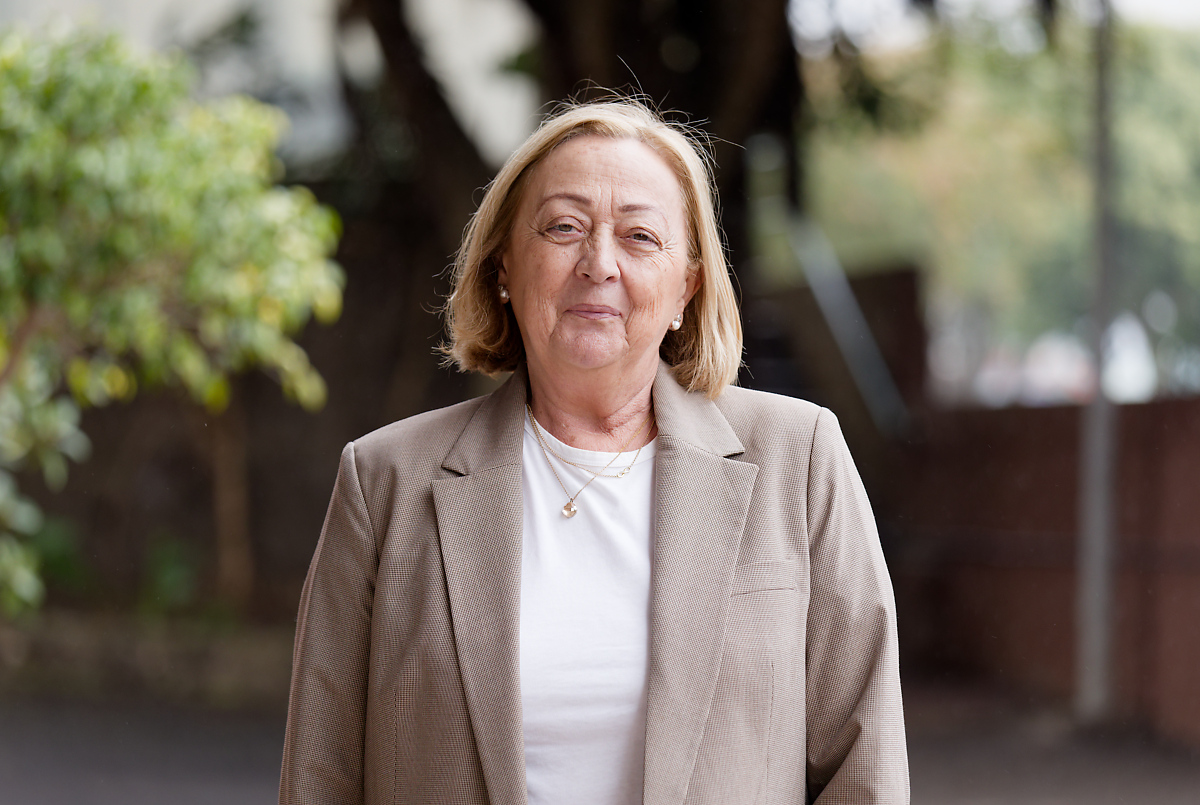
Milagros Laz.
Waste recycling is also addressed from other research areas, such as Materials Engineering. Professor María Milagros Laz Pavón Over the past two decades, it has developed various lines of work aimed at transforming waste into new raw materials. In its view, any progress towards a more sustainable future must start from a clear premise: “preventing the proliferation of waste, keeping it from saturating landfills or reaching the sea, and at the same time, opening pathways to greater self-sufficiency,” something especially relevant in an island territory with limited infrastructure.
Among the initiatives promoted by its EMATS (Materials Engineering) research group, the use of non-recyclable glass waste, such as flat glass, electrical glass or windshields, which are not integrated into the Ecoembes chain, stands out for the manufacture of aggregates intended for construction.
In the search for more sustainable building materials, the inter-university project PALMAT stands out. Researcher José Miguel Cáceres Alvarado, a member of the EMATS group, is currently analyzing how to reuse the slag, ash, and lapilli emitted by the Tajogaite Volcano to manufacture traditional cements and alkali-activated cements, also known as geopolymers. Furthermore, the project is exploring their application in the production of ceramic materials, such as terrazzo and stoneware tiles for flooring and wall coverings.
They have also developed techniques that allow the use of plant-based materials, such as banana leaves, to produce single-use products, such as biodegradable plates.
More recently, her research has focused on recycling plastics from 3D printing. This line of research proposes reusing PLA waste, the most common polymer in home printers, through shredding and extrusion processes that generate new filaments suitable for reprinting. For Laz Pavón, exploring these alternatives is key to moving towards more sustainable models. However, she warns that technological change must be accompanied by greater social awareness regarding material consumption. While the public seems increasingly aware of the impact of plastics, she points out that other waste, such as textiles, could become an environmental problem of similar magnitude in the near future if action is not taken proactively.
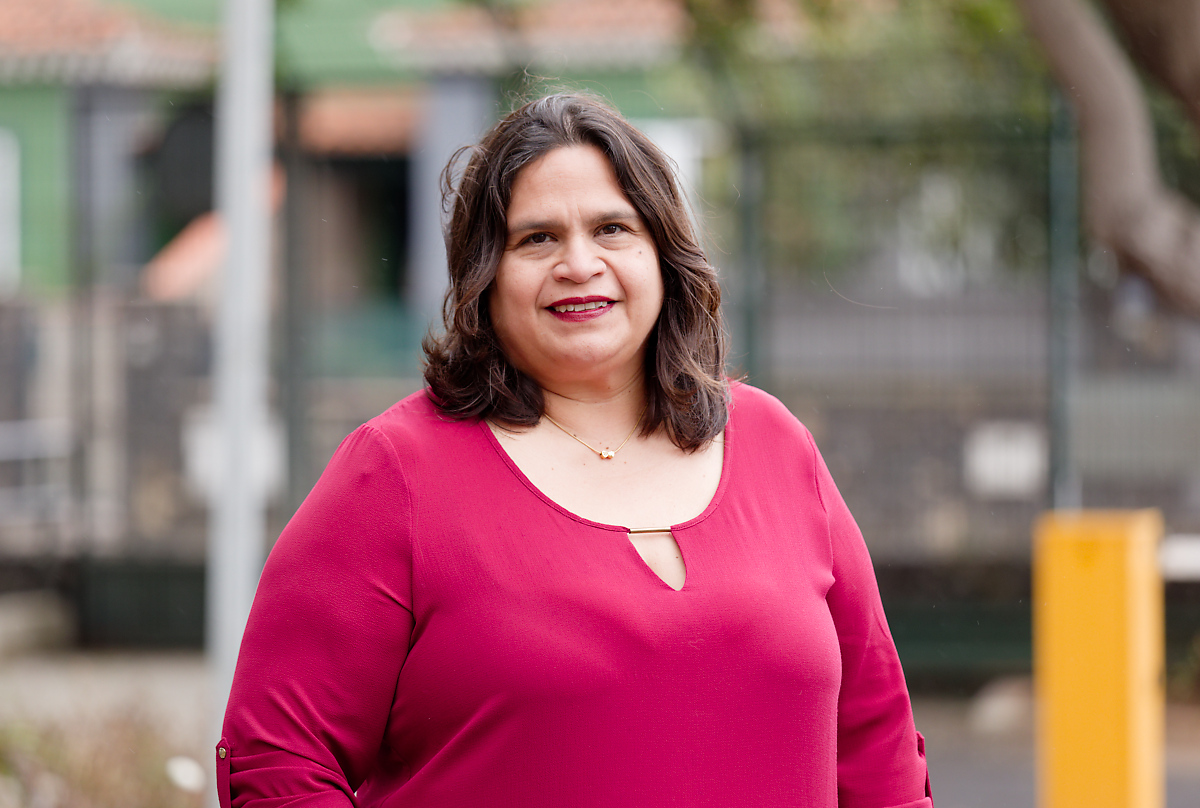
Karina Elvira Rodríguez.
From waste to energy resource
It is precisely in this area that one of the research lines of the CAHE (Heterogeneous Catalysis) group is developing, within the framework of the Interreg MAC TEXTIL project – Weaving a Sustainable Future: Boosting the Circular Economy of the Textile Sector, coordinated by the University of Las Palmas de Gran Canaria. Researcher Karina Elvira Rodríguez, a member of the group, explains that the research at the University of La Laguna focuses on exploring chemical recycling methods for textile waste that cannot be reused. The objective is twofold: firstly, to valorize this waste for energy production; and secondly, to apply chemical processes that allow the separation of monomers and the recovery of some of the fabric components as new raw materials.
Rodríguez emphasizes that, in the context of the transition to more sustainable models, chemical engineering can provide key solutions through the design of more energy-efficient processes. Along these lines, the research group he belongs to, led by Luis Antonio González Mendoza, has been working for years on obtaining biofuels and other value-added products from various waste materials. They have studied, for example, alternative uses for local waste such as agricultural slurry, forest biomass, used oils, and even slaughterhouse waste. The aim is to mitigate the environmental impacts associated with their management and, at the same time, promote a circular economy that transforms them into energy resources.
This approach also allows for a reduction in small-scale energy dependence, enabling farms and small producers to move towards self-sufficiency. The group's second European project, developed in collaboration with the Technological Institute of the Canary Islands (ITC), falls within this framework: RESMAC – Innovative and strategic renewable energy sources to drive the transition to climate neutrality in Macaronesia. Within this initiative, their work focuses on the production of synthesis gas and hydrogen from biomass waste, thus reinforcing the role of local resources in the archipelago's energy transition.
The university as a bridge to sustainability
For Ricardo Souto, the transition to a more sustainable development model depends not only on technological advances or new regulations, but also on genuine social awareness. “Everything we do leaves a footprint, not just a carbon footprint. Sometimes it involves assuming a cost, but we must ask ourselves to what extent we can minimize it,” he points out. In his opinion, although citizens are showing increasing involvement in some areas, this global vision of the impact of our decisions has not yet fully taken root in society.
Along these same lines, researcher Noelia Cruz emphasizes the crucial role of the university as a bridge between scientific knowledge and social reality. It's not just about transferring technological innovation, but also about combating misinformation and fostering a critical and well-informed culture. To this end, she advocates for a closer and more fluid relationship between academia and public institutions, enabling the development of effective responses and accelerating the implementation of solutions.
This exchange would not only facilitate the practical application of scientific advances but also strengthen the archipelago's productive sector. "The ultimate goal is for the Canary Islands to consolidate its position as a leading region in Europe for developing solutions adapted to island territories," says Cruz. In this shared challenge, ULL research is called upon to design strategies that will allow the archipelago to face future challenges sustainably.
This report is an initiative framed within the InvestigaULL Commemorations Calendar, a scientific dissemination project promoted by the University of La Laguna.
Scientific Culture and Innovation Unit (Cienci@ULL)

 Spanish
 English
 French